Are Jeep Grand Cherokees Reliable Cars? Unveiling the Truth
 Reading Time: 10 minutes
 Are you thinking about getting a Jeep Grand Cherokee but wondering if it’s a reliable choice? You’re not alone.
When it comes to picking a vehicle that can handle your daily drives and weekend adventures without constant trips to the mechanic, reliability is key. The Jeep Grand Cherokee has a strong reputation for ruggedness and style, but does it live up to the promise when it comes to dependability?
You’ll discover the most common issues owners face, which model years to watch out for, and whether the Grand Cherokee is the right fit for your needs. Keep reading to make an informed decision that won’t leave you stuck on the side of the road.
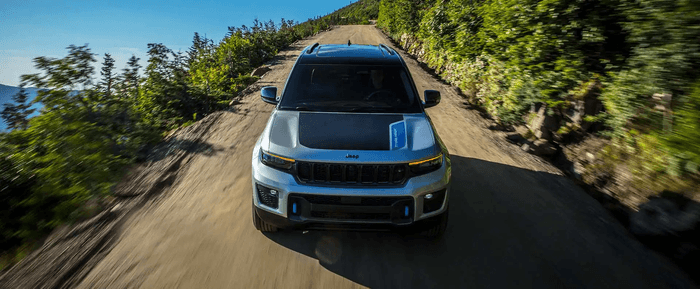
Credit: www.firkinscj.com
Jeep Grand Cherokee Reliability Ratings
The Jeep Grand Cherokee has a mixed reputation for reliability. Many drivers want to know how it performs over time. Reliability ratings help buyers understand what to expect from this SUV. These ratings come from expert reviews and owner feedback. They cover various factors like mechanical issues and maintenance costs. Examining these scores is key to deciding if the Grand Cherokee fits your needs.
Overall Reliability Scores
Jeep Grand Cherokee’s reliability scores vary by source. Some reports rate it average among midsize SUVs. Common problems include electrical glitches and transmission issues. Still, many owners report satisfaction with durability. The SUV often scores better in safety and comfort features. Overall, the Grand Cherokee holds a moderate reliability rating. It is not the most reliable but not the worst either.
Model Year Comparisons
Reliability changes across different model years of the Grand Cherokee. Older models tend to have more frequent problems. Newer versions show improvements in technology and build quality. For example, models after 2015 generally have fewer engine and transmission issues. Some years stand out for recalls or common complaints. Checking the specific year’s reliability ratings helps avoid costly repairs. This step ensures you pick a model with fewer known problems.
Warranty Coverage Insights
Jeep offers standard warranty coverage on the Grand Cherokee. The basic warranty usually lasts 3 years or 36,000 miles. Powertrain coverage extends to 5 years or 60,000 miles. Some owners may find this coverage shorter than competitors’. Extended warranties are available for extra peace of mind. Warranty details can affect repair costs and ownership satisfaction. Understanding the warranty helps buyers plan for long-term expenses.
Common Electrical Problems
The Jeep Grand Cherokee is known for its strong performance and off-road ability. Yet, some owners report electrical problems. These issues can affect daily driving comfort and vehicle reliability. Understanding common electrical faults helps buyers and owners manage repairs better.
Electrical problems often involve the infotainment system, battery, and other key components. These faults can cause inconvenience and sometimes leave the vehicle unusable. Below are some frequent electrical issues found in Jeep Grand Cherokees.
Infotainment System Glitches
The infotainment system may freeze or become unresponsive. Touchscreens can lag or fail to register commands. Bluetooth and smartphone connections often drop unexpectedly. These glitches frustrate drivers and passengers alike. Software updates may help but not always fix the problem.
Battery And Alternator Issues
Battery drain is common, leading to unexpected car shutdowns. Alternators may fail, causing flickering lights or weak battery charge. These problems can leave drivers stranded without warning. Regular battery and alternator checks improve vehicle reliability.
Tipm Malfunctions
The Totally Integrated Power Module (TIPM) controls many electrical functions. Faulty TIPM can cause no-start conditions or random stalling. Accessories like power windows and locks may stop working. Repairing or replacing the TIPM is often necessary to restore proper function.
Key Fob Connectivity
Key fobs sometimes lose connection with the vehicle. This causes trouble unlocking or starting the car remotely. The issue may result from weak batteries or signal interference. Replacing the key fob battery or reprogramming can solve connectivity problems.
Transmission And Engine Concerns
The Jeep Grand Cherokee has earned a strong reputation for off-road capability. Still, some drivers worry about transmission and engine issues. These components are crucial for smooth driving and overall vehicle reliability. Understanding common problems helps you make an informed decision.
Transmission Shifting Problems
Many Jeep Grand Cherokee owners report rough or delayed gear shifts. The transmission can hesitate before changing gears. Some experience sudden jerks during acceleration. These issues may cause discomfort and affect driving safety. Regular maintenance reduces the risk but does not always prevent problems.
Engine Stalling And Power Loss
Engine stalling can happen unexpectedly in some models. This issue causes the engine to shut off while driving or idling. Power loss is another common complaint. The vehicle may feel weak or slow to respond. Such problems often relate to fuel system or sensor faults. Early diagnosis can prevent serious engine damage.
Fluid Leaks And Component Wear
Fluid leaks are a sign of worn seals or gaskets. Transmission fluid leaks lead to poor shifting performance. Engine oil leaks may cause overheating or engine damage. Worn components like belts and hoses also affect reliability. Regular checks help catch leaks before they cause major issues.
Other Frequent Issues
Beyond the well-known electrical and transmission issues, Jeep Grand Cherokees face other common problems. These affect daily comfort, safety, and overall driving experience. Understanding these frequent issues helps owners prepare for possible repairs and maintenance.
Hvac System Malfunctions
The heating and cooling system often shows faults in Grand Cherokees. Drivers report weak airflow or no air coming from vents. Sometimes the system blows only hot or cold air, not both. These HVAC problems can cause discomfort in extreme weather.
Issues may arise from faulty blower motors, broken actuators, or sensor failures. Repairing HVAC components can be costly and may require professional help. Regular checks of the climate control system can catch faults early.
Interior And Exterior Noise
Many owners mention unusual noises inside and outside the vehicle. These include rattles, squeaks, and creaks. Common sources are loose panels, worn door seals, or suspension parts. Noise problems can distract drivers and reduce ride quality.
Exterior noises may come from wind or road contact with body parts. Interior noises often increase as the car ages. Routine inspections help identify and fix noise causes before they worsen.
Safety Features Glitches
Some Jeep Grand Cherokees show glitches in safety systems. Warning lights for airbags, ABS, or traction control may turn on without reason. Sometimes safety features like lane assist or blind spot monitoring fail to work properly.
These glitches often result from sensor errors or software bugs. They can reduce the car’s safety and cause driver concern. Software updates or sensor replacements can solve many issues. Staying updated on recalls and service bulletins is vital.
Model Years To Avoid
Choosing the right model year is crucial when buying a Jeep Grand Cherokee. Some years have shown more reliability problems than others. Avoiding these high-risk years can save money and reduce frustration. Below is a detailed look at which model years to be cautious about and why they stand out.
High-risk Years Overview
Certain Jeep Grand Cherokee model years have a higher rate of reported issues. Years like 2011, 2014, and 2017 are often mentioned by owners and experts. These years tend to have more complaints about mechanical and electrical failures. Staying away from these years can lead to a more trouble-free ownership experience.
Reasons Behind Reliability Drops
Reliability often drops due to design changes or new technologies that are not fully tested. For example, the introduction of complex infotainment systems caused many glitches. Some model years had problems with the transmission and engine management systems. Poor quality control and rushed production can also lead to more defects and repairs.
Common Failures By Year
In 2011 models, transmission issues were common, with rough shifting and delays. The 2014 Grand Cherokee faced electrical problems like battery drain and unresponsive infotainment. The 2017 models had engine stalling and power loss reported by many drivers. These issues affect daily driving and increase maintenance costs.

Credit: www.stiverscdjr.com
Most Reliable Jeep Grand Cherokee Years
The Jeep Grand Cherokee has earned a strong reputation for its ruggedness and capability. Yet, reliability varies across different model years. Some years stand out as more dependable and durable. Knowing the most reliable Jeep Grand Cherokee years helps buyers make smarter choices. It also reduces the risk of costly repairs and breakdowns.
These reliable years often show fewer common problems. Owners report better performance and longer lifespan. This section highlights the top-performing model years and explains what makes them special. It guides you toward the best options for a dependable Jeep Grand Cherokee.
Top Performing Model Years
The 2014, 2015, and 2016 Jeep Grand Cherokee models rank among the most reliable. These years show fewer engine and transmission issues. Owners praise smooth shifting and strong powertrains. The 2011 and 2017 models also perform well in reliability tests. These versions improved electrical systems and reduced common faults.
Earlier models like 2005 and 2006 have good reputations too. They offer solid build quality and fewer electronic glitches. However, these older models may lack modern features. Later models often provide better safety and technology without major reliability trade-offs.
What Sets These Years Apart
Reliable years share improved engineering and quality control. Jeep fixed many early problems with the transmission and electronics in these models. Upgraded parts reduce breakdown risks. The powertrain also became more refined and durable.
Better software updates helped fix infotainment and electrical issues. Jeep paid attention to customer feedback and addressed key complaints. This resulted in smoother operation and fewer warning lights.
Strong rust protection and better materials also contribute. These factors help the vehicle last longer with less wear. Regular maintenance is easier and less expensive for these years.
Alternatives To Consider
Choosing a reliable SUV is important for peace of mind and lower repair costs. Jeep Grand Cherokees offer strong performance but face some reliability concerns. Exploring alternative SUVs can help find a vehicle with fewer issues and similar features. Here are some options to think about.
Other Suvs With Better Reliability
Toyota Highlander stands out for its strong reliability record. It has fewer reported mechanical problems and offers a smooth ride. Honda Pilot also ranks high, with a spacious interior and consistent performance. Subaru Outback combines off-road ability with solid dependability. These SUVs often cost less in repairs and keep their value better over time.
Comparing Features And Costs
Jeep Grand Cherokee provides good off-road features and a luxurious cabin. Yet, alternatives like the Toyota Highlander offer advanced safety tech and better fuel economy. Honda Pilot includes flexible seating and a user-friendly infotainment system. Repair costs for these models are generally lower. Insurance premiums can also differ based on reliability ratings. Weighing feature sets against long-term expenses helps make the best choice.

Credit: www.youtube.com
Maintaining Your Grand Cherokee
Maintaining your Jeep Grand Cherokee is key to its long-term reliability. Regular care helps prevent costly repairs. It also keeps the vehicle running smoothly on all types of roads. Simple maintenance routines can extend the life of your Grand Cherokee.
Knowing how to care for your Jeep helps avoid common problems. Many issues arise from neglect or delayed service. Staying on top of maintenance tasks ensures safe and confident driving. This section covers practical tips for keeping your Grand Cherokee in top shape.
Preventive Maintenance Tips
Check the oil and fluids regularly. Change the oil every 5,000 miles or as recommended. Inspect the brakes and tires for wear and tear. Replace air filters to keep the engine clean. Keep the battery terminals clean and tight to avoid power issues. Regularly check the transmission fluid level. Follow the maintenance schedule in your owner’s manual.
Addressing Known Issues Early
Watch for warning lights on the dashboard. Pay attention to unusual noises or vibrations. Fix electrical glitches like infotainment freezes or random warning lights quickly. Repair transmission problems such as rough shifting without delay. Address engine stalling or excessive oil use immediately. Early repairs prevent damage from worsening. Consult a trusted mechanic for proper diagnosis and service.
Frequently Asked Questions
How Reliable Are The Jeep Grand Cherokees?
Jeep Grand Cherokees offer decent reliability but often face electrical and transmission issues. Some model years show more problems. Regular maintenance improves dependability.
What Is The Most Common Problem With A Jeep Grand Cherokee?
The most common problem with a Jeep Grand Cherokee involves electrical issues and transmission troubles. These include infotainment glitches, battery drain, rough shifting, and delayed gear engagement. Such problems often cause stalling, warning lights, and power loss, affecting various model years and overall vehicle reliability.
What Years To Stay Away From On A Jeep Grand Cherokee?
Avoid Jeep Grand Cherokee model years 2011-2013 and 2014-2015 due to common transmission and electrical issues.
Which Grand Cherokee Years Are Reliable?
The 2014-2016 Jeep Grand Cherokee models show better reliability with fewer electrical and transmission issues. Early 2000s and 2011-2013 models have more problems. Choose 2014-2016 for improved performance and durability.
Conclusion
Jeep Grand Cherokees have strengths and some reliability challenges. Electrical and transmission issues appear most often. Some models run smoothly, while others need more care. Regular maintenance helps avoid many common problems. Buyers should weigh pros and cons before deciding.
Overall, they offer good performance but watch for potential repairs.