
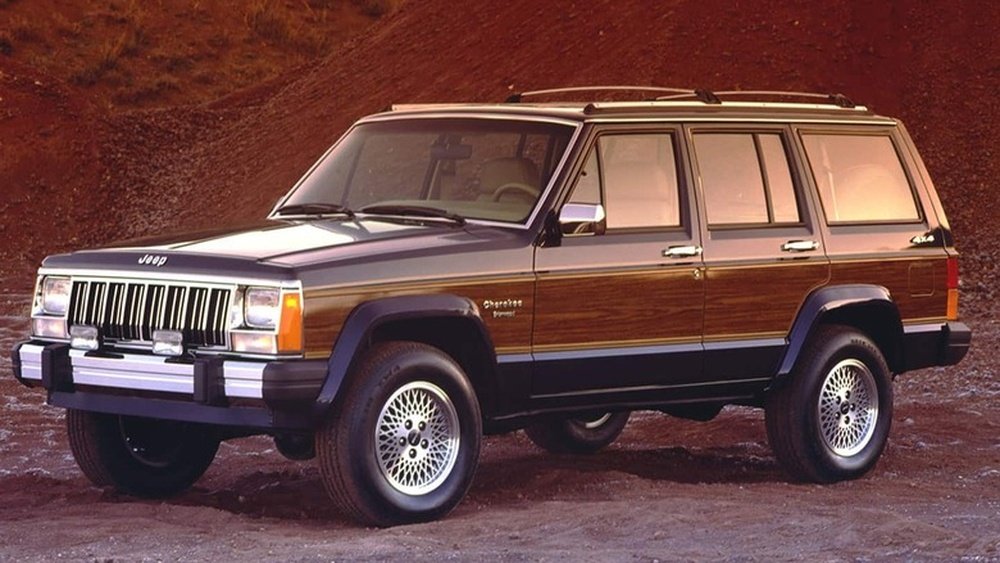
Are Jeep Grand Cherokees Reliable After 100K Miles? Expert Insights
 Reading Time: 7 minutes
 Many people love the Jeep Grand Cherokee for its strong off-road ability and comfort on regular roads. But if you are thinking about buying a used Grand Cherokee, you might worry about reliability—especially once the odometer passes 100,000 miles. Is it a smart choice or a risky one? Let’s look at what really happens with these SUVs as the miles add up, using clear data, expert advice, and real owner stories.
What Does “reliable After 100k Miles” Mean?
When people ask if a vehicle is reliable after 100,000 miles, they want to know if it can keep running without major problems or huge repair bills. For the Jeep Grand Cherokee, this means:
- The engine and transmission keep working well.
- The car doesn’t need constant, expensive repairs.
- Parts like brakes, suspension, and electronics still perform as expected.
- It is safe to drive.
A reliable vehicle at this mileage will have some wear, but it should not break down often or leave you stranded.
Jeep Grand Cherokee: Reputation For Reliability
The Grand Cherokee has been around since 1992, and there have been several generations. Reliability can change a lot depending on the model year, engine type, and how the SUV was cared for.
Key facts:
- Recent models (2011 and newer) usually get better reliability ratings than older ones.
- The Grand Cherokee often wins awards for off-road ability but gets mixed reviews for long-term reliability.
- Some owners report reaching 200,000+ miles with regular maintenance, while others mention repeated repairs.
Example: According to a 2023 survey by Consumer Reports, the 2014–2017 models scored average for reliability, while some earlier years had more problems.

Credit: www.fishersimports.com
Common Issues After 100,000 Miles
When a Jeep Grand Cherokee passes 100K miles, certain problems become more common. Here are the main issues owners and mechanics see:
- Transmission trouble: Some models have shifting problems or need a rebuild around 120,000 miles.
- Suspension wear: Parts like bushings, ball joints, and control arms may need replacing.
- Electrical glitches: Window switches, sensors, and infotainment screens can fail.
- Cooling system leaks: Radiators and hoses might develop leaks.
- Oil leaks: Gaskets and seals can start to seep oil.
Not every Grand Cherokee will have all these problems, but these are the most reported.
Maintenance Costs: What To Expect
Owning any SUV past 100,000 miles means you’ll spend money on maintenance. But how much?
Here’s a comparison of average annual maintenance costs for the Jeep Grand Cherokee and some competitors, based on data from RepairPal:
| Model | Average Yearly Maintenance Cost |
|---|---|
| Jeep Grand Cherokee | $666 |
| Toyota 4Runner | $514 |
| Honda Pilot | $542 |
| Ford Explorer | $732 |
Insight: The Grand Cherokee costs a bit more to maintain than a Toyota 4Runner or Honda Pilot but less than a Ford Explorer. After 100K miles, you should expect these costs to rise as more parts wear out.
Which Grand Cherokee Engines Last The Longest?
The Grand Cherokee has used several engines over the years. Some are known for lasting longer than others.
- 3.6L V6 Pentastar: Reliable, found in 2011 and newer models.
- 5.7L Hemi V8: Powerful and dependable, but higher fuel costs.
- 4.0L Inline-6: Used in older models (before 2005), famous for durability.
- Diesel engines: Mixed reliability; repairs can be expensive.
Example: Many owners report the 3.6L V6 easily reaching 200,000 miles with regular oil changes and maintenance.
Owner Stories: Real-world Experiences
Hearing from real Jeep owners gives helpful insights. Here are some examples:
- John in Colorado: His 2012 Grand Cherokee with the V6 engine hit 210,000 miles. Major repairs included a transmission solenoid at 140,000 miles and new suspension parts at 165,000 miles.
- Sonia in Florida: Her 2015 Grand Cherokee needed a new water pump at 110,000 miles. Otherwise, just regular servicing.
- Mike in Texas: His 2004 Grand Cherokee (4.0L engine) reached 250,000 miles before the transmission failed.
Non-obvious tip: Owners who stick to the Jeep’s maintenance schedule usually face fewer big repairs. Skipping fluid changes or ignoring warning lights often leads to expensive trouble later.
How To Check A Used Grand Cherokee’s Reliability
If you’re considering buying a high-mileage Grand Cherokee, look for these signs of a well-maintained vehicle:
- Detailed service records: Show that oil, transmission fluid, and coolant have been changed on time.
- No warning lights on the dashboard.
- Smooth shifting in all gears (automatic transmission).
- No strange noises from the suspension or engine.
- Clean engine bay without oil leaks.
Pro tip: Always get a pre-purchase inspection by a mechanic. This can reveal hidden problems you may not notice on a test drive.
Comparing Grand Cherokee To Other Suvs After 100k Miles
How does the Grand Cherokee stack up against other used SUVs with similar mileage? Let’s compare:
| Model | Known for Reliability | Common Issues Over 100K Miles |
|---|---|---|
| Jeep Grand Cherokee | Average | Transmission, suspension, electronics |
| Toyota 4Runner | Excellent | Rust, minor suspension wear |
| Honda Pilot | Good | Transmission, timing belt |
| Ford Explorer | Below Average | Transmission, water pump |
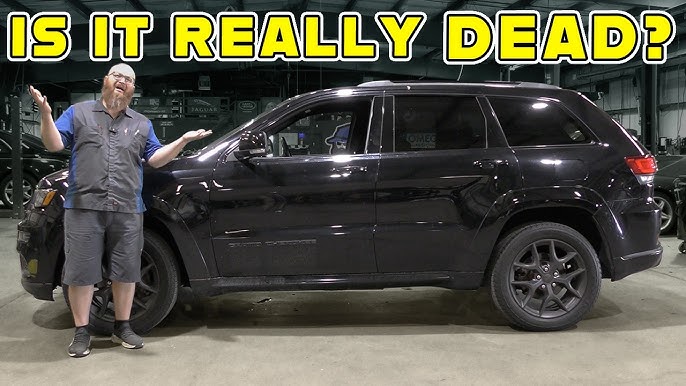
Non-obvious insight: The Grand Cherokee is not as reliable as a Toyota 4Runner but can outlast a Ford Explorer if maintained well.
Credit: www.youtube.com
How To Keep A Grand Cherokee Reliable After 100k Miles
You can help your Grand Cherokee last well beyond 100,000 miles with smart care:
- Change fluids on time: Use the correct oil, transmission fluid, and coolant.
- Inspect suspension parts: Replace worn bushings and joints early.
- Fix leaks quickly: Small leaks can become big repairs if ignored.
- Pay attention to electronics: If warning lights appear, don’t delay diagnosis.
- Use high-quality parts: Cheap parts may not last as long.
Example: A 2016 Grand Cherokee owner replaced the alternator at 120,000 miles, but because he kept up with oil changes, the engine stayed healthy.
Cost Of Common Repairs After 100k Miles
Knowing the typical repair costs helps you plan your budget. Here’s a look at what you might pay for some repairs on a 100,000+ mile Grand Cherokee:
| Repair Type | Estimated Cost |
|---|---|
| Transmission rebuild | $2,000 – $3,500 |
| Suspension overhaul | $800 – $1,500 |
| Water pump replacement | $500 – $900 |
| Alternator replacement | $400 – $700 |
| Oil leak repair | $250 – $1,200 |
Practical advice: Setting aside a yearly repair budget of $1,000–$1,500 can help cover most surprises on a high-mileage Grand Cherokee.
When Is It Time To Walk Away?
Sometimes, a used Grand Cherokee is not worth buying. Here are warning signs:
- Major rust on the frame or underbody.
- Transmission slips or shifts harshly.
- Lots of warning lights stay on after starting.
- Missing maintenance records.
- Repeated repairs for the same issue.
If you see these problems, consider another vehicle or a different Grand Cherokee with better history.
Good Model Years To Consider
Some Grand Cherokee years are known for fewer problems. According to long-term owner data and mechanic surveys:
- 2012–2015 models (with the 3.6L V6) are often recommended for used buyers.
- 2017 and newer have improved electronics and safety, but cost more.
- Avoid 2011 models—they had more transmission and electrical complaints.
Note: Even a “good” year needs a careful inspection before you buy.
Are Jeep Grand Cherokees Reliable After 100k Miles? The Short Answer
If you buy a well-maintained Grand Cherokee and keep up with care, it can be reliable after 100,000 miles. These SUVs are tougher than many people think, but they are not as worry-free as a Toyota or Honda.
- Pros: Great off-road, comfortable, strong engines.
- Cons: Higher repair costs, electrical issues, some years less reliable.
In summary: A high-mileage Grand Cherokee is best for drivers who like to keep up with maintenance and want a mix of luxury and off-road ability.
Frequently Asked Questions
How Many Miles Can A Jeep Grand Cherokee Last With Proper Care?
Many owners report their Grand Cherokee reaching 200,000 miles or more. This is possible with regular oil changes, fluid checks, and fixing small problems before they grow.
Are There Certain Years Of Grand Cherokee To Avoid?
Yes. Most experts suggest avoiding the 2011 model year due to more frequent transmission and electrical issues. Always check for recalls and known problems for your chosen year.
Is The Grand Cherokee More Expensive To Maintain Than Other Suvs?
The Grand Cherokee’s maintenance costs are slightly higher than the Toyota 4Runner or Honda Pilot, but lower than some other American SUVs. Expect repair costs to rise after 100,000 miles.
What Should I Check Before Buying A Grand Cherokee With Over 100k Miles?
Check for service records, smooth transmission, no engine noise, no leaks, and a clean title. A mechanic’s inspection is highly recommended.
Where Can I Find More Reliability Ratings And Owner Reviews?
For more data, visit the official Consumer Reports Jeep Grand Cherokee page for expert ratings and owner feedback.
If you want an SUV that balances comfort, power, and off-road fun—and you don’t mind a bit of extra maintenance—a well-cared-for Grand Cherokee can be a strong choice after 100,000 miles. Just buy smart and maintain it well for the best experience.

Credit: www.youtube.com