Are Jeep Cherokee Trailhawks Reliable: Truths Every Buyer Must Know
 Reading Time: 7 minutes
 If you’re considering a Jeep Cherokee Trailhawk, you’re probably asking yourself one big question: Are these vehicles reliable enough for your daily drives and off-road adventures? Reliability isn’t just about getting from point A to B—it’s about peace of mind, avoiding costly repairs, and knowing your Jeep can handle what you throw at it.
You’ll discover which model years stand out for durability, the common issues you should watch for, and expert tips to help you pick the right Trailhawk. By the end, you’ll have a clear idea if this rugged SUV fits your lifestyle and budget.
Keep reading to make an informed choice that keeps you confidently on the road.
Jeep Cherokee Trailhawk Longevity
The Jeep Cherokee Trailhawk is designed for rugged performance. Yet, like many SUVs, it faces some mechanical challenges. Knowing common issues helps owners maintain their vehicle better. It also aids potential buyers in making informed decisions.
Most mechanical problems in the Trailhawk relate to the engine and drivetrain. These issues might affect reliability if left unchecked. Regular inspections and timely repairs can reduce risks and improve vehicle longevity.
Engine Oil Leaks
Engine oil leaks are frequent in Jeep Cherokee Trailhawks. They often come from valve cover gaskets, oil pan gaskets, or timing cover seals. Leaks can cause low oil levels and engine damage. Fixing leaks early prevents costly repairs.
Throttle Sensor Failures
The throttle position sensor may fail in some Trailhawk models. This sensor controls the throttle and engine power. A faulty sensor can cause rough idling or poor acceleration. Replacing the sensor restores smooth engine function.
Ignition Wire Problems
Ignition wires sometimes wear out or break. Bad wires cause misfires and engine performance issues. Symptoms include rough running and poor fuel efficiency. Changing ignition wires improves engine reliability.
Exhaust Manifold Cracks
Cracks in the exhaust manifold occur near welded pipes. These cracks lead to exhaust leaks and noise. Exhaust leaks can reduce engine power and increase emissions. Repairing or replacing the manifold fixes this problem.
Differential And Transfer Case Leaks
Leaks in the front and rear differentials or transfer case are common. Fluid leaks reduce lubrication and damage parts. Signs include strange noises and poor 4WD performance. Regular fluid checks and seal replacements help avoid failures.
Common Mechanical Issues
Certain model years of the Jeep Cherokee Trailhawk have shown more reliability problems. These issues can affect daily driving and long-term ownership costs. Avoiding specific years helps buyers find a more dependable vehicle.
2011 Electrical Failures
The 2011 Trailhawk suffered from serious electrical problems. Faulty power modules caused the engine to stall unexpectedly. Drivers also reported frequent starting failures. These issues made the vehicle unreliable and unsafe in some cases.
2014 Transmission And Interior Issues
The 2014 model showed common transmission problems. Many owners experienced shuddering and hard shifting. The leather dashboard also developed bubbling and peeling. These faults hurt both performance and cabin comfort.
2015 Ongoing Transmission And Electrical Problems
The 2015 Trailhawk continued to have transmission troubles. The Uconnect system often glitched, creating distractions while driving. Lighting failures and suspension wear added to the list of concerns. These ongoing problems lowered owner satisfaction.
Best Jeep Cherokee Trailhawk Years
Buying a Jeep Cherokee Trailhawk requires careful checks. This list helps you spot issues before purchase. It saves money and avoids future troubles. A good pre-purchase inspection shows the vehicle’s true condition. Follow these steps to make a smart choice.
Vin Checks For Recalls
Start by checking the vehicle identification number (VIN). This reveals any open recalls for safety or performance. Use official websites or dealer services to run this check. Recalls may affect brakes, airbags, or engines. Confirm the repairs were done if recalls exist. This step ensures your safety and peace of mind.
Pre-purchase Mechanical Inspections
Next, get a professional mechanic to inspect the vehicle. They check the engine, transmission, brakes, and suspension. This finds hidden problems that you might miss. Ask for a full report on the vehicle’s health. A clean bill means fewer worries after buying. Mechanical inspection helps you avoid expensive repairs later.
Focus Areas For Used Models
Pay close attention to common trouble spots on used Trailhawks. Look for oil leaks around the valve cover and timing gaskets. Check the throttle position sensor for faults. Inspect ignition wires for wear or damage. Examine exhaust manifolds for cracks at weld points. Also, watch for leaks in differentials and transfer case seals. These areas often cause reliability issues. Knowing these helps you negotiate or walk away from bad deals.

Credit: www.reddit.com
Model Years To Approach Carefully
Owner experiences and reviews provide valuable insights into the reliability of the Jeep Cherokee Trailhawk. Real users share their honest opinions based on daily use. Their feedback helps potential buyers understand what to expect from this SUV. These reviews often highlight both strengths and weaknesses. Below, we explore the positive reliability feedback, common complaints, and real-world usage insights.
Positive Reliability Feedback
Many owners praise the Jeep Cherokee Trailhawk for its strong off-road ability. Drivers find it dependable on rough terrains and challenging trails. The 4×4 system receives consistent compliments for performance and durability. Several users report minimal mechanical issues during the first few years. Maintenance costs are generally described as reasonable compared to other SUVs. Owners also appreciate the comfortable ride and solid build quality. These factors contribute to a positive reliability reputation among Trailhawk users.
Common Complaints
Some owners mention problems with the electrical system. Issues like faulty sensors and warning lights appear occasionally. A few report engine oil leaks from gaskets and seals. Transmission glitches and rough shifting are noted in certain model years. Infotainment system malfunctions frustrate some drivers. There are also complaints about premature wear on suspension components. These problems, while not universal, affect overall reliability scores. Regular maintenance and prompt repairs help reduce the impact of these issues.
Real-world Usage Insights
In daily driving, the Trailhawk handles city and highway conditions well. Owners find it versatile for commuting and weekend adventures. Some users highlight its fuel efficiency as average for the class. The cabin noise level is acceptable but can rise on rough roads. Long trips are comfortable due to supportive seats and good visibility. Off-road enthusiasts value the locking differentials and skid plates. Overall, real-world feedback shows the Trailhawk balances ruggedness with everyday usability.
Years To Avoid
Improving the reliability of a Jeep Cherokee Trailhawk requires regular care and thoughtful upgrades. This approach helps the vehicle perform well over time. Small actions can prevent big problems. Owners who maintain their Trailhawks properly often enjoy longer vehicle life and better performance.
Focusing on maintenance, smart modifications, and understanding off-road limits can keep your Trailhawk dependable. These steps protect the vehicle from wear and tear caused by daily driving and rugged adventures.
Maintenance Tips
Change the oil regularly to keep the engine healthy. Use the recommended oil type from the manual. Check fluid levels, including coolant, brake, and transmission fluids. Inspect brakes and tires often for signs of wear. Replace air filters to improve engine breathing. Keep the battery terminals clean and tight. Schedule routine inspections with a trusted mechanic. Fix small issues quickly before they become costly.
Modifications For Durability
Upgrade to heavy-duty skid plates to protect the undercarriage. Install stronger suspension components for rough terrain. Use all-terrain or mud-terrain tires for better grip. Add a high-quality air intake system for cleaner air flow. Consider a better cooling system to avoid overheating. Reinforce key parts like differential covers. Choose parts designed specifically for off-road use. These upgrades extend the vehicle’s life and improve toughness.
Off-road Use Considerations
Drive slowly on rough trails to reduce stress on parts. Avoid deep water crossings to prevent engine damage. Keep the vehicle clean after off-road trips to stop rust. Check for loose bolts and damaged parts after each adventure. Use a spotter when navigating difficult obstacles. Know the limits of your Trailhawk’s ground clearance. Plan routes that match your vehicle’s capabilities. Careful off-road use helps maintain reliability.
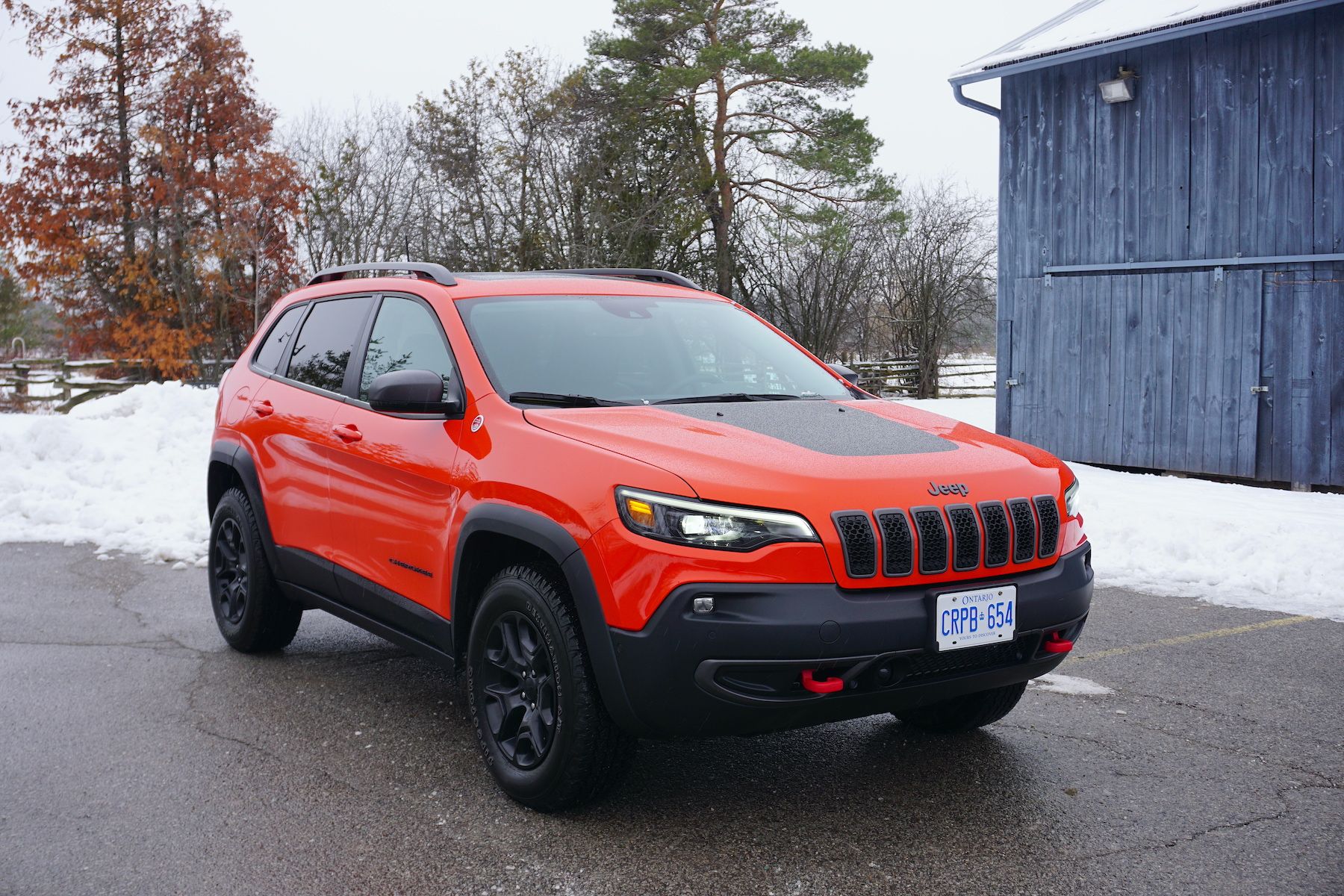
Credit: driving.ca

Credit: thrumylens.org
Frequently Asked Questions
How Long Will A Jeep Cherokee Trailhawk Last?
A Jeep Cherokee Trailhawk typically lasts 150,000 to 200,000 miles with regular maintenance. Newer models offer improved reliability and durability.
What Are The Common Problems With Jeep Cherokee Trailhawk?
Common problems with Jeep Cherokee Trailhawk include engine oil leaks, throttle position sensor failure, ignition wire issues, cracked exhaust manifolds, and differential or transfer case leaks.
What Is The Best Year For A Jeep Cherokee Trailhawk?
The best Jeep Cherokee Trailhawk years are 2020 and 2021 for improved reliability and features. Models from 2018-2019 also perform well but check maintenance history. Avoid early models like 2011 due to electrical and mechanical issues. Always inspect thoroughly before buying used.
Which Jeep Cherokee To Stay Away From?
Avoid 2011 Jeep Cherokee due to major electrical failures and fuel pump issues. Also skip 2014-2015 models for transmission shuddering and persistent electrical problems. Check VIN for recalls and get a pre-purchase inspection focusing on transmission and electronics before buying used.
Conclusion
Jeep Cherokee Trailhawks offer solid off-road ability and comfort. Reliability varies by model year and care taken. Some years face issues like electrical faults and transmission problems. Regular maintenance can reduce breakdown risks and extend vehicle life. Choose newer models for fewer common problems and better parts.
Always check vehicle history before buying used. Overall, Trailhawks serve well for adventure and daily driving. Keep expectations realistic and plan for routine service. This approach helps ensure your Jeep remains dependable longer.