What Does Trail Rated Mean on Jeep: Ultimate Off-Road Guide
 Reading Time: 10 minutes
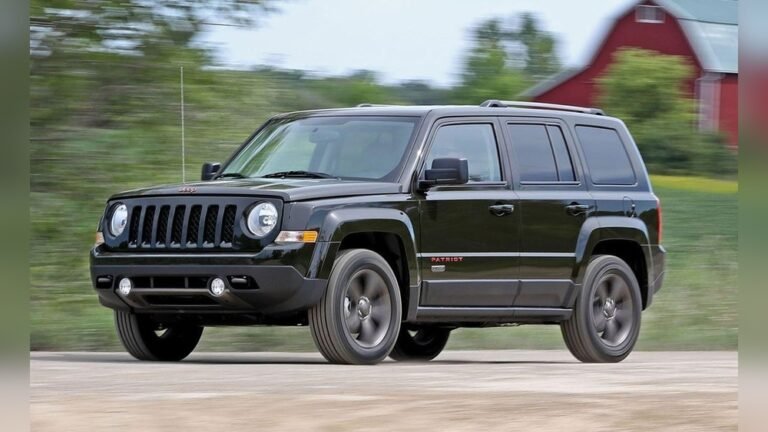
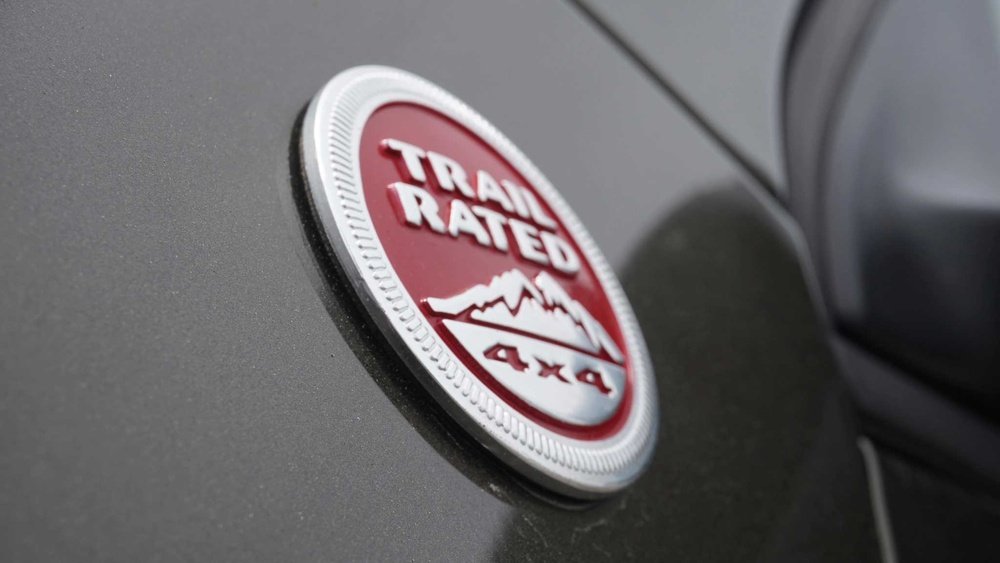
 If you’ve ever seen a Jeep with the “Trail Rated” badge and wondered what it really means, you’re not alone. That little emblem is more than just a logo—it’s a mark of true off-road ability.
When you choose a Trail Rated Jeep, you’re getting a vehicle that’s been put through tough tests to prove it can handle rough trails, mud, water, and rocky terrain without breaking a sweat. You’ll discover exactly what it takes for a Jeep to earn this badge and how it benefits you, whether you’re an off-road enthusiast or just want a reliable ride that can tackle anything the road—or off-road—throws at you.
Ready to find out why Trail Rated matters? Let’s dive in.

Credit: www.kellyjeep.com
Trail Rated Badge Explained
The Trail Rated badge on a Jeep shows it passed tough off-road tests in traction, water fording, and clearance. It means the vehicle handles rough terrain like mud, rocks, and streams with ease. This badge proves the Jeep’s strength and off-road readiness.
The Trail Rated badge on a Jeep shows it passed tough off-road tests. Jeep tests five key areas to earn this badge. It proves the vehicle can handle rough and wild terrain.
Each test focuses on a specific skill important for off-road driving. The badge means the Jeep has special features for better performance.
Traction
Traction means the Jeep can grip the ground well. It helps the vehicle move on slippery or uneven surfaces. Good traction keeps the Jeep from getting stuck.
Water Fording
This test checks how deep water the Jeep can cross safely. Jeep seals electrical parts and raises air intakes. It lets the vehicle drive through streams and puddles without damage.
Maneuverability
Maneuverability means the Jeep can make tight turns and avoid obstacles. It helps the driver steer easily on narrow trails or rocky paths. This makes off-road driving safer and more fun.
Articulation
Articulation is about the Jeep’s suspension. It allows wheels to stay on the ground on uneven terrain. This improves stability and keeps the ride smooth on rough trails.
Ground Clearance
Ground clearance means the Jeep sits high above the ground. It prevents the underbody from hitting rocks or logs. Higher clearance lets the Jeep go over tough obstacles without damage.

Credit: www.mevotech.com
Five Key Off-road Tests
The “Trail Rated” badge on a Jeep shows it passed five important off-road tests. These tests check the vehicle’s ability to handle tough terrain and harsh conditions. Each test focuses on a different skill needed for safe and effective off-road driving. Jeep uses these tests to prove a vehicle’s strength and durability off the pavement.
Here are the five key off-road tests that earn a Jeep the Trail Rated badge.
Traction On Slippery Surfaces
Traction measures how well a Jeep can grip slippery surfaces like mud, snow, and wet rocks. The test ensures the vehicle can keep moving without losing control. Jeep uses advanced four-wheel-drive systems and special tires to improve traction. This helps drivers stay safe and confident on difficult trails.
Water Fording Capabilities
Water fording tests how deep a Jeep can safely drive through water. The vehicle must keep its engine and electronics dry while crossing streams or flooded paths. Jeep designs special seals and raised air intakes for this purpose. This test proves the Jeep can handle wet conditions without damage.
Maneuverability On Trails
Maneuverability checks how well a Jeep can move through tight, winding trails. The test measures steering control and the vehicle’s size to fit narrow paths. Jeep’s compact design and precise steering help drivers avoid obstacles. Good maneuverability is key for exploring rugged landscapes.
Suspension Articulation
Suspension articulation tests the Jeep’s ability to keep all wheels on the ground on uneven surfaces. The suspension must flex and adjust to rough terrain. This helps maintain stability and traction on rocks and bumps. Jeep uses advanced suspension systems to maximize wheel contact and ride comfort.
Ground Clearance And Angles
Ground clearance measures the space between the Jeep’s underside and the ground. The vehicle must clear rocks, logs, and uneven ground without damage. Approach, breakover, and departure angles also matter. These angles show how well the Jeep can climb or descend steep obstacles. High clearance and good angles protect the vehicle off-road.
Features Behind The Badge
The Trail Rated badge on a Jeep is more than a label. It shows that the vehicle has special features to handle tough terrain. Each feature helps the Jeep face different off-road challenges with ease and safety.
These features work together to make sure the Jeep performs well in mud, rocks, water, and steep paths. They prove the vehicle is ready for serious adventure.
Sealed Electrical Components
Jeep uses sealed electrical parts to protect against water and dirt. This design keeps wires and sensors safe during water crossings or muddy trails. It reduces the risk of electrical failures in harsh conditions.
High Air Intake Design
The air intake sits high to prevent water from entering the engine. This setup lets the Jeep drive through deeper water without stalling. It keeps the engine running smoothly in wet environments.
Optimized Suspension Setup
Jeep’s suspension is tuned for off-road use. It allows wheels to move freely over rocks and bumps. This improves traction and ride comfort on uneven surfaces.
Approach, Breakover, And Departure Angles
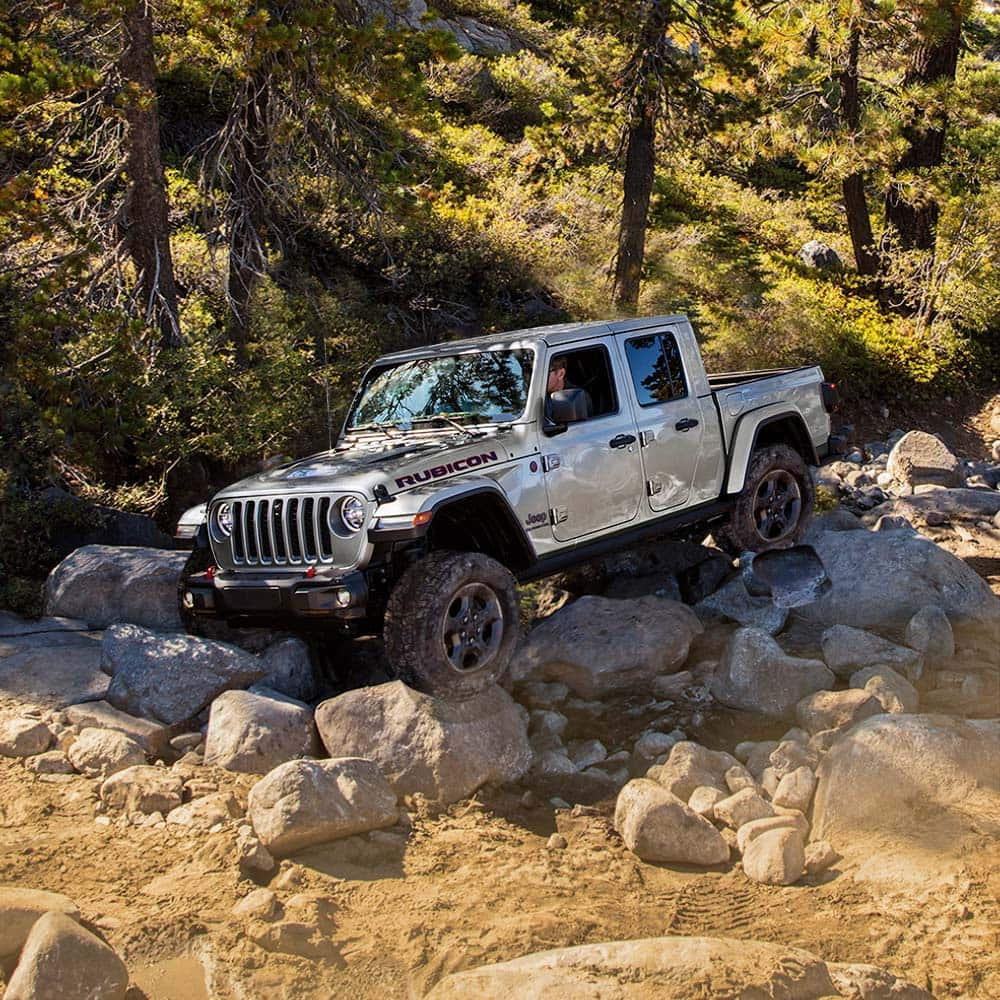
These angles define how well a Jeep climbs and clears obstacles. The approach angle is the steepest slope the front can tackle. The breakover angle is the sharpness the middle can cross without touching. The departure angle is the steep slope the rear can clear.
Good angles prevent the Jeep from getting stuck or damaged on rough trails.
Credit: www.jeep.com
Practical Impact For Drivers
The “Trail Rated” badge on a Jeep offers real benefits for drivers. It shows the vehicle has passed tough tests for off-road use. This badge helps drivers trust their Jeep in rough conditions. Knowing what “Trail Rated” means can guide drivers in choosing the right Jeep for adventures and daily use.
Authentic Off-road Performance
Trail Rated Jeeps deliver true off-road ability. They handle mud, rocks, and water with ease. Drivers can explore trails without worrying about the vehicle’s limits. The badge confirms Jeep’s commitment to strong, reliable off-road performance.
Handling Tough Terrain
These Jeeps manage difficult terrain well. They have higher ground clearance to avoid damage. Special traction systems keep tires gripping in slippery or uneven spots. Drivers gain confidence driving over logs, streams, and steep hills.
Model-specific Capabilities
Each Trail Rated Jeep model offers unique strengths. Some focus on rock crawling, others on deep water fording. Drivers can pick a model that fits their needs. This ensures the Jeep matches the type of adventure planned.
Trail Rated Vs Non-trail Rated Jeeps
The difference between Trail Rated and non-Trail Rated Jeeps lies in their off-road capabilities. Trail Rated Jeeps have passed strict tests in five key areas. These tests prove their strength on rough and difficult terrain. Non-Trail Rated Jeeps may handle light off-road driving but lack full certification. Understanding these differences helps buyers choose the right Jeep for their needs.
Equipment Differences
Trail Rated Jeeps come with special equipment. They have higher ground clearance to avoid obstacles. Their tires offer better traction on mud, snow, and rocks. These Jeeps include sealed electrical systems to protect from water damage. Suspension systems are tuned for rough terrains. Non-Trail Rated models often have simpler setups. They may lack features needed for extreme off-road use.
Customizing For Off-road Use
Non-Trail Rated Jeeps can be customized for off-road driving. Owners add stronger tires and lift kits to improve clearance. Upgrading suspension helps handle rough trails better. Adding skid plates protects the underbody from rocks. Installing locking differentials improves traction on uneven ground. These upgrades help non-Trail Rated Jeeps match some Trail Rated capabilities. Customizing takes time and extra cost but expands off-road potential.
Jeep Models With Trail Rated Badge
Several Jeep models proudly wear the Trail Rated badge. This mark confirms their capability to handle tough off-road challenges. It shows the vehicle has passed tests in traction, water fording, maneuverability, articulation, and ground clearance. Jeep designs these models to provide drivers confidence on rough trails and difficult terrain.
Below are some popular Jeep models that feature the Trail Rated badge. Each has unique strengths and offers various options for adventure seekers.
Wrangler Variants
The Jeep Wrangler is the most iconic Trail Rated model. Its rugged design excels on rocky and muddy trails. Variants like the Wrangler Rubicon and Sahara come with advanced off-road features. These include locking differentials, disconnecting sway bars, and high ground clearance. The Wrangler’s removable doors and roof add to the outdoor experience. It remains a top choice for serious off-road enthusiasts.
Grand Cherokee Trailhawk
The Grand Cherokee Trailhawk blends luxury with off-road capability. It carries the Trail Rated badge for its strong performance in rough conditions. This model has skid plates, tow hooks, and an air suspension system. It adjusts height for better clearance on uneven ground. The Trailhawk’s traction control and four-wheel-drive system help it conquer slippery or steep trails. It suits those who want comfort and off-road power together.
Other Trail Rated Models
Besides the Wrangler and Grand Cherokee, Jeep offers other Trail Rated vehicles. The Jeep Cherokee Trailhawk and Jeep Renegade Trailhawk also carry the badge. These smaller SUVs feature protective skid plates and enhanced suspension. They deliver solid performance on dirt roads and light trails. Each Trail Rated Jeep guarantees tested and trusted off-road ability.
Common Off-road Challenges
Off-road driving tests a vehicle’s strength and skill. Each trail presents unique obstacles. Jeep’s Trail Rated badge proves a vehicle can handle tough conditions. Below are common challenges Jeep drivers face on rough paths.
Mud and snow reduce tire grip. Jeep’s traction systems help maintain control. Tires dig in to prevent slipping. Drivers need steady throttle control and careful steering. High ground clearance stops mud or snow from blocking the undercarriage. These features work together to keep the Jeep moving forward.
Crossing Streams And Water
Water crossings can damage ordinary vehicles. Jeep models have sealed electrical parts to avoid short circuits. Raised air intakes prevent water from entering the engine. Skid plates protect vital components under the vehicle. Jeep’s design allows safe passage through shallow rivers and streams. Drivers gain confidence crossing wet and slippery surfaces.
Rock Crawling And Rough Terrain
Rocky trails test a Jeep’s suspension and balance. Articulation lets wheels stay on uneven ground. High ground clearance stops the vehicle from scraping rocks. Maneuverability helps drivers avoid obstacles precisely. Jeep’s strong frame endures bumps and jolts. These abilities make rock crawling safer and more manageable.
Maintaining Trail Rated Performance
Maintaining the Trail Rated performance of your Jeep keeps it ready for tough off-road adventures. Regular care preserves the vehicle’s capability across rugged terrains. Simple maintenance steps help protect key features that earned the Trail Rated badge. Consistent attention ensures your Jeep performs well on every trail.
Regular Vehicle Inspections
Check your Jeep often for damage or wear. Look under the vehicle for dents or cracks. Inspect tires for cuts, punctures, or uneven wear. Examine brake pads and rotors to ensure proper stopping power. Test lights and electrical parts to confirm they work well. Early detection of issues prevents bigger problems on the trail.
Protecting Sealed Components
Trail Rated Jeeps have sealed electrical systems to avoid water damage. Keep seals clean and free from dirt or debris. Avoid high-pressure washes that can harm seals. After water crossings, dry components thoroughly to prevent corrosion. Replace any damaged seals quickly to keep water out. Protecting these parts preserves vehicle reliability in wet conditions.
Suspension Care Tips
Suspension plays a big role in off-road performance. Inspect shocks and springs for leaks or damage regularly. Tighten loose bolts and check for worn bushings. Clean mud and dirt from suspension parts after each trip. Lubricate joints to reduce wear and noise. Good suspension care improves ride comfort and vehicle control on rough trails.
Frequently Asked Questions
Why Do Some Jeeps Say Trail Rated?
Some Jeeps say “Trail Rated” because they pass tests in traction, water fording, maneuverability, articulation, and ground clearance, proving off-road capability.
What Does “jeep Trail Rated” Mean?
“Jeep Trail Rated” means the vehicle passed tough tests in traction, water fording, maneuverability, articulation, and ground clearance. It proves strong off-road ability on rough terrain like mud, rocks, and streams. The badge confirms genuine capability, not just appearance.
What Is The Purpose Of Jeep Trail Rating?
The Jeep Trail Rating certifies a vehicle’s off-road ability in traction, water fording, maneuverability, articulation, and ground clearance. It ensures the Jeep can handle tough terrains like rocks, mud, and streams confidently and safely.
Which Jeep Wrangler To Stay Away From?
Avoid Jeep Wrangler models from 2007-2009 and 2013-2014 due to frequent electrical, engine, and airbag issues.
Conclusion
The Trail Rated badge shows Jeep’s true off-road strength. It proves the vehicle handles rough terrain with ease. Five tests ensure safety and performance in tough conditions. Drivers gain confidence crossing mud, rocks, water, and steep paths. This rating helps buyers choose a Jeep built for adventure.
Trail Rated means reliability, durability, and smart engineering combined. Jeep owners enjoy exploring nature without worrying about their ride. The badge is more than a label; it’s a promise.