2010 Jeep Wrangler Engine Problems: Common Issues & Fixes Revealed
 Reading Time: 11 minutes
 If you own a 2010 Jeep Wrangler or are thinking about getting one, understanding its engine problems is crucial. You want your Jeep to be reliable, whether you’re driving around town or hitting tough trails.
But the truth is, the 2010 model has some known engine issues that could catch you off guard. From ticking noises to oil leaks and overheating concerns, these problems might affect your driving experience and your wallet. You’ll learn exactly what to watch out for, how to spot early warning signs, and what solutions are available.
Keep reading to protect your Jeep and enjoy the ride without surprises.
Engine Durability And Performance
The 2010 Jeep Wrangler engine is known for its rugged durability but has some notable performance limits. Understanding these factors helps owners manage expectations and maintain the vehicle better. The engine offers solid mechanical strength yet shows weaknesses in power output and heat control. This balance affects daily driving and off-road adventures.
Mechanical Strength And Longevity
The 2010 Wrangler engine features a tough design built for lasting use. Its simple construction allows easier repairs and fewer breakdowns. Many owners report the engine running well beyond 200,000 miles with regular care. The durability suits off-road conditions and rough terrains.
Maintenance is key to keeping the engine reliable. Changing oil and filters on time prevents premature wear. The engine’s robust parts resist damage from dirt and debris. This reliability is a strong point for Jeep fans.
Power And Torque Limitations
The engine delivers enough power for basic driving but lacks strong acceleration. It produces moderate torque, which may struggle with heavy loads or large tires. Drivers often feel the engine is underpowered on steep hills or tough trails.
Upgrades like re-gearing or adding a supercharger can improve performance. Without these changes, the engine may feel sluggish and less responsive. This limits the Wrangler’s capability in demanding situations.
Heat And Oil Management Issues
The 2010 Wrangler engine can run hot, especially in heavy traffic or hot weather. Overheating risks increase if cooling system maintenance is neglected. Proper coolant levels and radiator checks help avoid heat problems.
Oil consumption is another concern. The engine may use oil faster than expected, requiring frequent top-ups. Ignoring oil levels can cause damage to engine parts and lead to gasket leaks. Regular oil changes and monitoring are essential to prevent failures.
Common Engine Problems
The 2010 Jeep Wrangler faces several common engine problems that affect its performance and reliability. These issues often cause engine noise, oil leaks, and reduced efficiency. Understanding these problems helps Jeep owners recognize symptoms early and seek repairs promptly.
Many problems stem from the engine’s older design, which can struggle under heavy use. Regular maintenance reduces the risk, but some faults appear even with good care. Below are some frequent engine troubles in the 2010 Jeep Wrangler.
Cracked Exhaust Manifolds
Cracked exhaust manifolds are a frequent engine problem. They cause a ticking or popping noise from the engine bay. Heat and metal stress lead to cracks over time. Both sides of the manifold usually need replacement. Ignoring this issue can reduce engine power and increase emissions.
Oil Leaks And Gasket Failures
Oil leaks appear around the engine due to worn gaskets. Common leak points include the valve cover and oil pan gaskets. Leaks cause oil loss and can damage engine parts. Early detection and gasket replacement prevent bigger engine damage. Watch for oil spots under the vehicle and burning oil smells.
Intake Manifold Gasket Issues
The intake manifold gasket often fails in the 2010 Jeep Wrangler. This leads to vacuum leaks and rough engine idling. Coolant may also leak into the engine, risking overheating. Replacing the gasket restores proper engine function and prevents further damage. Symptoms include poor fuel economy and engine misfires.
Electrical And Ignition Concerns
The 2010 Jeep Wrangler has faced several electrical and ignition concerns. These issues can affect the vehicle’s starting ability and overall safety. Understanding these problems helps Jeep owners identify symptoms early and seek repairs promptly.
Electrical faults in the ignition system may cause sudden engine shutdowns. This can be dangerous while driving, especially on busy roads. The root causes often lie in faulty wiring or defective ignition switches.
Ignition Switch Recalls
Jeep issued recalls for ignition switches in some 2010 Wrangler models. The problem involved switches that could unexpectedly move to the off position. This led to loss of engine power and disabled airbags. Owners were advised to have the ignition switch replaced at no cost. Ignoring this recall increases the risk of accidents.
Short Circuit Risks
Short circuits in the Wrangler’s electrical system can cause stalling and starting failures. These shorts usually occur due to damaged wiring or poor connections. Electrical shorts may also trigger warning lights on the dashboard. Regular inspections of the ignition wiring can prevent these issues. Repairing wiring problems early protects the vehicle from further damage.

Credit: ameliasurfandracquetclub.com
Suspension And Steering Challenges
The 2010 Jeep Wrangler is known for its rugged design but faces notable suspension and steering challenges. These issues can affect driving comfort and safety. Understanding the common problems helps owners maintain their vehicle better. Suspension and steering parts endure heavy use, especially off-road. Over time, wear and damage can cause serious handling problems.
Worn Components And Steering Wobble
Suspension parts like ball joints, tie rods, and bushings wear out faster on the 2010 Jeep Wrangler. Worn components lead to loose steering and uneven tire wear. Drivers often notice a wobble or shake in the steering wheel. This wobble becomes more obvious at higher speeds. Ignoring worn parts can cause poor control and increase accident risk. Regular inspections can catch these issues early and improve vehicle stability.
Death Wobble Causes
The infamous “death wobble” affects many Jeep Wranglers, including the 2010 model. It happens when the front suspension violently shakes after hitting bumps or potholes. Common causes include loose or damaged track bars, worn control arm bushings, and unbalanced tires. Misaligned steering components make this problem worse. The death wobble feels dangerous and can scare drivers. Fixing it requires checking all suspension and steering parts carefully. Proper maintenance reduces the chance of this issue occurring.
Water And Transmission Problems
The 2010 Jeep Wrangler has faced some notable water and transmission problems. These issues can affect the vehicle’s reliability and driving experience. Addressing them early helps avoid costly repairs and ensures safety on the road.
Water Leaks From A-pillar
Water leaks often appear around the A-pillar of 2010 Jeep Wranglers. The A-pillar is the vertical support on each side of the windshield. Poor sealing or damaged weatherstripping allows rainwater inside the cabin.
Leaks cause dampness, mold, and unpleasant odors. Electrical components near the A-pillar may also get damaged by moisture. Some owners report water dripping onto the dashboard or floor mats.
Inspect the seals regularly and replace worn weatherstripping. Proper sealing prevents water intrusion and protects the interior of the vehicle.
Transmission Overheating And Fire Risks
The transmission system in the 2010 Jeep Wrangler can overheat under heavy use. Overheating may result from low transmission fluid levels or clogged cooling lines. This problem reduces transmission life and causes shifting issues.
In extreme cases, overheating may lead to fire hazards. Some owners have reported smells of burning or smoke near the transmission area. Immediate attention to overheating signs is crucial.
Regular maintenance, including checking fluid levels and cooling system health, reduces risks. Avoid driving aggressively or towing heavy loads without proper cooling upgrades.
Maintenance Tips And Inspection
Proper maintenance and regular inspection are vital for keeping the 2010 Jeep Wrangler engine running smoothly. Routine checks help identify issues early and prevent costly repairs. Simple steps can extend your engine’s life and improve performance.
Pay attention to common problem areas like engine noises, oil leaks, recalls, and suspension. These inspections ensure safer driving and better reliability of your Jeep.
Listening For Engine Noises
Unusual engine sounds often signal underlying problems. Listen for ticking, knocking, or rattling noises. These could indicate cracked exhaust manifolds or worn components. Early detection lets you address issues before they worsen. Use a quiet environment to catch subtle sounds clearly.
Checking For Oil Leaks
Oil leaks reduce engine lubrication and can cause severe damage. Look under the vehicle and around the engine for oil spots or wet areas. Common leak points include valve covers and oil pan gaskets. Regularly check oil levels and top off as needed to avoid running low.
Verifying Recalls And Repairs
Stay updated on Jeep recalls related to the 2010 Wrangler. Some recalls address engine and ignition switch issues. Visit the official Jeep website or contact dealers to verify if your vehicle needs repair. Completing recall work improves safety and engine reliability.
Inspecting Suspension And Steering
Worn suspension or steering parts can affect driving comfort and control. Check for loose or damaged components, such as ball joints and tie rods. A wobbling steering wheel or uneven tire wear signals inspection is needed. Proper suspension upkeep supports overall vehicle health.
Engines To Avoid
The 2010 Jeep Wrangler offers several engine options, but some have shown persistent problems. Knowing which engines to avoid helps save time and money. Some engines suffer from oil consumption issues, while others face early mechanical failures. These faults affect the vehicle’s performance and reliability.
Understanding the common engine problems in the 2010 Wrangler is crucial. Certain models are known for specific faults that can lead to costly repairs. Identifying these engines early helps buyers make better choices and maintain their vehicles properly.
Models With Excessive Oil Consumption
Some 2010 Jeep Wranglers use engines sourced from Chrysler minivans. These engines often consume too much oil. Owners report needing to add oil frequently between changes. Excessive oil consumption can cause engine damage if ignored. This issue decreases engine lifespan and increases repair costs.
The oil consumption problem is linked to design flaws in piston rings and valve seals. These parts wear prematurely under normal driving conditions. Drivers notice smoke from the exhaust and low oil pressure warnings. Regular oil checks and timely changes can reduce risk but not eliminate it.
Early Cylinder Head Issues
Certain early 2010 Wrangler engines face cylinder head problems. Cracks and leaks in the cylinder head lead to coolant loss. This causes engine overheating and potential failure. Symptoms include rough idling, loss of power, and coolant smell from the engine bay.
These cylinder head problems often appear within the first 50,000 miles. Repairing or replacing the cylinder head is expensive and time-consuming. Proper maintenance and monitoring coolant levels help detect problems early. Avoiding these engines may save future headaches and repair bills.

Credit: www.youtube.com
Reliable Engine Options
The 2010 Jeep Wrangler offers several engine options known for their reliability. These engines deliver solid performance and durability. They suit both daily driving and off-road adventures. Understanding which engines are dependable helps buyers make smart decisions. Here, we highlight the most trusted engines in the 2010 Jeep Wrangler lineup.
Engines Praised For Longevity
The 3.8-liter V6 engine stands out for its long-lasting design. It features a simple layout that makes repairs easier. Many owners report high mileage without major engine problems. This engine handles basic maintenance well, reducing unexpected breakdowns. Its toughness makes it a favorite for rugged use. Despite being less powerful, it remains a reliable choice for many drivers.
Preferred Choices For Enthusiasts
The 3.6-liter Pentastar V6 engine is popular among Jeep fans. It offers improved horsepower and torque compared to older engines. Enthusiasts appreciate its balance of power and reliability. This engine adapts well to modifications and off-road demands. It also benefits from modern engineering, reducing common issues found in previous models. For those wanting a spirited yet dependable ride, this engine stands out.
Jeep Wrangler Engine Lifespan
The Jeep Wrangler is known for its rugged design and off-road capability. The engine lifespan plays a crucial role in the vehicle’s overall performance and reliability. Understanding how long the engine typically lasts helps owners plan maintenance and avoid unexpected breakdowns.
The 2010 Jeep Wrangler offers different engine variants, each with its own durability profile. The lifespan depends on many factors such as usage, maintenance, and driving conditions. Let’s explore the typical lifespan and what influences engine durability.
Average Lifespan By Engine Variant
The 3.8L V6 engine is common in the 2010 Wrangler. It usually lasts around 150,000 to 200,000 miles with proper care. Some drivers report even higher mileage.
The 2.8L diesel engine tends to have a longer lifespan, often exceeding 200,000 miles. Diesel engines generally handle wear better due to their design.
Each engine type has strengths but requires regular oil changes and inspections. Neglecting maintenance can shorten engine life significantly.
Factors Affecting Engine Durability
Regular oil changes keep engine parts lubricated and reduce wear. Using the correct oil type is essential for engine health.
Overheating damages the engine quickly. Ensure the cooling system works well and check for leaks or blockages.
Driving habits impact engine life. Smooth acceleration and avoiding heavy loads help reduce stress on the engine.
Environmental factors like dust and dirt can cause engine wear. Off-road use demands more frequent maintenance checks.
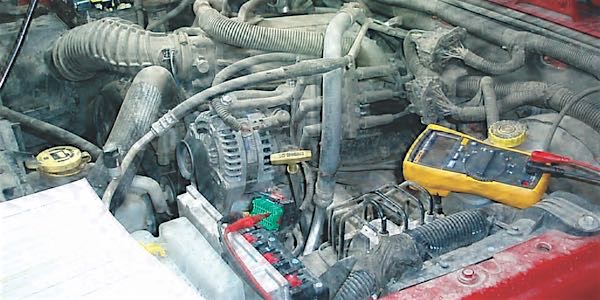
Ignoring warning signs such as unusual noises or oil leaks can lead to costly repairs. Early detection improves engine lifespan.
Credit: www.tomorrowstechnician.com
Frequently Asked Questions
What Issues Does A 2010 Jeep Wrangler Have?
The 2010 Jeep Wrangler has issues like cracked exhaust manifolds, oil leaks, ignition switch recalls, and suspension wear causing steering wobble. Water may leak from A-pillars, and automatic transmissions risk overheating. Check for rough idling due to intake manifold gasket leaks.
Is The Jeep 3.8 V-6 A Good Engine?
The Jeep 3. 8 V-6 engine is durable but underpowered. It requires regular maintenance to avoid heat and oil issues. It suits basic use, not heavy off-roading. Some parts may leak or wear, so check for recalls and common problems before buying.
Which Jeep Engine To Stay Away From?
Avoid Jeep engines sourced from Chrysler minivans due to excessive oil consumption and early failures. Early 2. 4L Tigershark engines also show cylinder head issues. These engines often lack power and reliability, causing costly repairs and poor performance. Choose proven, reliable Jeep engines instead.
What Is The Problem With The Jeep 3.6 Engine?
The Jeep 3. 6 engine often suffers from cracked exhaust manifolds, oil leaks, and intake gasket failures. It can run hot and consume oil if neglected. Some models face ignition switch recalls and suspension issues causing steering wobble. These problems affect performance and reliability.
What Are Common Engine Problems In The 2010 Jeep Wrangler?
The 2010 Jeep Wrangler often faces cracked exhaust manifolds and oil leaks. These issues cause ticking sounds and require gasket replacements. Engine overheating and PCV valve failures are also common.
Conclusion
The 2010 Jeep Wrangler’s engine has known issues worth noting. Common problems include cracked exhaust manifolds and oil leaks. These can cause rough idling and ticking noises. The engine may feel underpowered for some drivers. Regular maintenance helps prevent overheating and oil-related troubles.
Addressing ignition switch recalls improves safety. Suspension wear might cause steering wobble. Understanding these issues helps you keep your Jeep running smoothly. Stay alert and fix problems early for better performance. This knowledge makes owning a 2010 Jeep Wrangler less stressful.