How Do I Put My Jeep in 4Wd: Easy Steps for Off-Road Success
 Reading Time: 9 minutes
 Have you ever found yourself wondering how to put your Jeep in 4WD but weren’t quite sure where to start? Whether you’re facing slippery roads, rough trails, or just want to be ready for whatever lies ahead, knowing how to engage your Jeep’s four-wheel drive is key to driving with confidence and control.
The good news is, it’s easier than you might think—and doing it right can make all the difference in your Jeep’s performance and safety. You’ll learn simple, step-by-step instructions tailored to your Jeep, plus important tips to avoid common mistakes.
Keep reading, and you’ll be ready to tackle rain, snow, mud, or rocky terrain like a pro.
Types Of 4wd Systems
Understanding the types of 4WD systems helps you use your Jeep better. Different systems offer unique ways to engage four-wheel drive. Knowing the differences can improve your driving on tough roads.
Some systems require manual shifting, while others switch automatically. Each type suits different driving needs and conditions. Choosing the right 4WD mode keeps your Jeep safe and efficient.
Part-time Vs Full-time 4wd
Part-time 4WD lets you switch between two-wheel drive and four-wheel drive. Use part-time 4WD only on slippery or off-road surfaces. Driving on dry pavement in 4WD can damage the drivetrain.
Full-time 4WD works on all surfaces and does not need switching. It sends power to all wheels continuously. This system often has a center differential to allow smooth turns on pavement.
Part-time 4WD is common in older Jeep models. Full-time 4WD suits daily driving and off-road use. Check your Jeep’s manual to know which system it has.
Automatic 4wd Modes
Automatic 4WD modes detect wheel slip and engage 4WD when needed. This system works without driver input in many modern Jeeps. It improves traction on rain, snow, sand, or gravel roads.
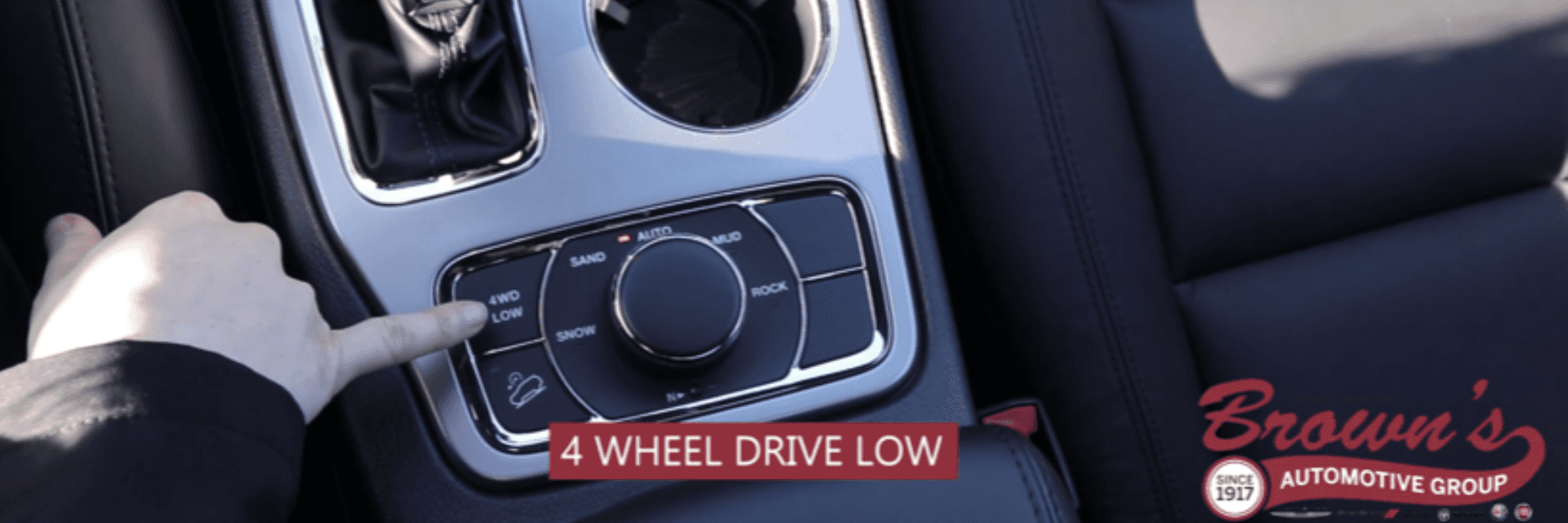
Some Jeeps have selectable automatic modes for different terrains. For example, a mode for mud or deep snow. The system adjusts power delivery to keep control and stability.
Automatic 4WD helps in everyday driving and light off-road situations. It is easy to use and reduces the chance of driver error. Always follow the instructions in your Jeep’s manual for best results.
Credit: www.brownsjeepchryslerdodge.com
When To Use 4wd
Knowing when to use 4WD helps your Jeep perform better and stay safe. Use 4WD in conditions where extra traction is needed. This includes slippery, uneven, or loose surfaces. Using 4WD correctly protects your vehicle and improves control.
Rain, Snow, Sand, And Gravel
4WD works well on wet or slippery roads. Rain and snow make surfaces slick and hard to grip. Sand and gravel are loose and cause tires to slip. Engage 4WD to keep your Jeep steady and avoid sliding. This helps you maintain control and avoid getting stuck.
Steep Inclines And Rock Crawling
Drive in 4WD on steep hills and rocky paths. These surfaces are uneven and can cause wheels to slip. 4WD sends power to all tires, improving traction on tough terrain. It helps your Jeep climb safely and avoid damage.
Deep Mud And Severe Off-roading
Use 4WD in deep mud or rough off-road areas. Mud can trap tires and make driving difficult. Off-road trails often have obstacles that need extra grip. 4WD boosts your Jeep’s ability to move through tough spots. This keeps you moving and reduces the risk of getting stuck.
Steps To Engage 4wd High
Engaging 4WD High on your Jeep improves traction on slippery surfaces like rain, snow, or gravel. The process is simple and can be done while driving at low speeds. Following clear steps ensures smooth engagement without damaging your vehicle’s drivetrain.
Foot Off The Gas
First, take your foot off the accelerator pedal. This action reduces power to the wheels, making it easier to shift into 4WD High. Avoid pressing the gas while changing the drive mode. Doing so helps prevent jerks or mechanical stress.
Shifting While Moving
Shift the transfer case lever or turn the dial to 4WD High. Most Jeep models allow shifting while moving slowly, usually under 50 mph. Keep your speed low and steady for a smooth transition. The vehicle’s system will engage the four-wheel drive mode automatically.
Confirming Engagement
Check the dashboard for the 4WD High indicator light. This light confirms the system is active. You may also feel a slight change in vehicle handling. If unsure, stop and gently test traction on a loose surface to verify 4WD is working properly.

Credit: www.brownsjeepchryslerdodge.com
Steps To Engage 4wd Low
Engaging 4WD Low in your Jeep is essential for driving in tough conditions. This mode offers better control on steep hills, deep mud, or rocky paths. Follow these clear steps to switch your Jeep safely into 4WD Low.
Bring Vehicle To A Stop
First, bring your Jeep to a complete stop. Do not try to shift while the vehicle is moving. Stopping prevents damage to the drivetrain and ensures smooth engagement.
Shift Transmission To Neutral
Next, shift the main transmission into Neutral (N). This step is crucial for the transfer case to switch modes. Keep your foot off the gas pedal during this process.
Shift Transfer Case To 4wd Low
Now, move the transfer case lever or knob to the 4WD Low position. You may feel some resistance. Shift gently but firmly until it clicks into place.
Re-engage Transmission
Finally, shift the main transmission back into Drive (D) or Reverse (R). The 4WD Low mode is now active. Drive slowly and carefully in this mode for the best performance.
Important Tips And Precautions
Using 4WD in your Jeep can improve traction and control on rough terrain. Knowing the right steps and safety measures helps protect your vehicle and ensures a smooth drive. Follow these important tips and precautions before engaging 4WD.
Read Your Vehicle Manual
Every Jeep model has specific instructions for 4WD use. The owner’s manual explains how and when to engage 4WD properly. Reading it prevents damage and keeps your Jeep running well. Manuals also note special features or limitations for your model.
Avoid Using 4wd On Dry Pavement
4WD is designed for slippery or uneven surfaces like mud, snow, or sand. Using it on dry pavement can cause tire wear and stress on the drivetrain. This misuse may lead to costly repairs. Always switch back to 2WD on hard, dry roads.
Use Proper Gear Selection
Select the correct gear before shifting into 4WD. Some Jeeps require stopping or slowing down first. Others allow shifting while moving at low speeds. Choosing the right gear helps the system engage smoothly and prevents jerks or damage.
Recognize Model-specific Variations
Jeep models like Wrangler, Cherokee, and Grand Cherokee may differ in their 4WD systems. Some have automatic modes, others need manual control. Knowing your model’s system helps you use 4WD correctly and safely. Check for variations before driving off-road.
Common Mistakes To Avoid
Using 4WD correctly helps your Jeep perform better off-road. Many drivers make simple mistakes that cause damage or reduce control. Avoiding these errors keeps you safe and your Jeep running well.
Learn the common mistakes to avoid when engaging your Jeep’s 4WD system. This knowledge helps you handle any terrain with confidence.
Engaging 4wd At High Speeds
Do not switch to 4WD while driving fast. Engaging 4WD at high speeds can damage the transfer case. Always slow down or stop before shifting into 4WD. This protects your Jeep’s drivetrain and ensures smooth operation.
Ignoring Terrain Conditions
Using 4WD on dry pavement can cause tire wear and drivetrain strain. Reserve 4WD for slippery surfaces like mud, snow, or sand. Check the road before switching to 4WD. Matching the terrain prevents unnecessary damage and improves control.
Forgetting To Shift To Neutral When Needed
Some situations require shifting the main transmission to neutral before engaging 4WD. For example, on steep hills or deep mud, shifting to neutral eases the switch. Forgetting this step can cause grinding or damage. Always follow your Jeep’s manual instructions for best results.
Troubleshooting 4wd Engagement
Troubleshooting 4WD engagement can prevent frustration on the trail. Sometimes, your Jeep might not switch to 4WD as expected. Understanding common issues helps you fix problems quickly. Keep your 4WD system working smoothly and safely.
Follow these tips to identify and solve common 4WD engagement problems.
Transfer Case Not Shifting
The transfer case moves power between the front and rear wheels. If it fails to shift, check the shift lever or knob first. Ensure the vehicle is stopped or in neutral if needed. Listen for clicking sounds when shifting. No sound may mean a mechanical or electrical issue. Check fluid levels in the transfer case. Low or dirty fluid can cause shifting problems. Sometimes, the transfer case motor or linkage needs adjustment or replacement.
Indicators And Warning Lights
Your Jeep has dashboard lights to show 4WD status. Look for the 4WD indicator light when engaging. If the light flashes or stays on, it signals a problem. Warning lights for traction control or drivetrain can also appear. These signals mean the system is not fully engaged. Scan for error codes with an OBD-II reader for detailed issues. Ignoring these lights can lead to further damage.
When To Seek Professional Help
If troubleshooting steps do not fix the problem, visit a mechanic. Complex issues with transfer case electronics or internal gears need expert attention. Avoid forcing the 4WD system to engage. Continuous problems may cause costly repairs or unsafe driving conditions. A certified Jeep technician can diagnose and repair 4WD faults properly. Regular maintenance helps prevent future engagement problems.

Credit: www.wikihow.com
Frequently Asked Questions
How Do I Put My Jeep Into 4-wheel Drive?
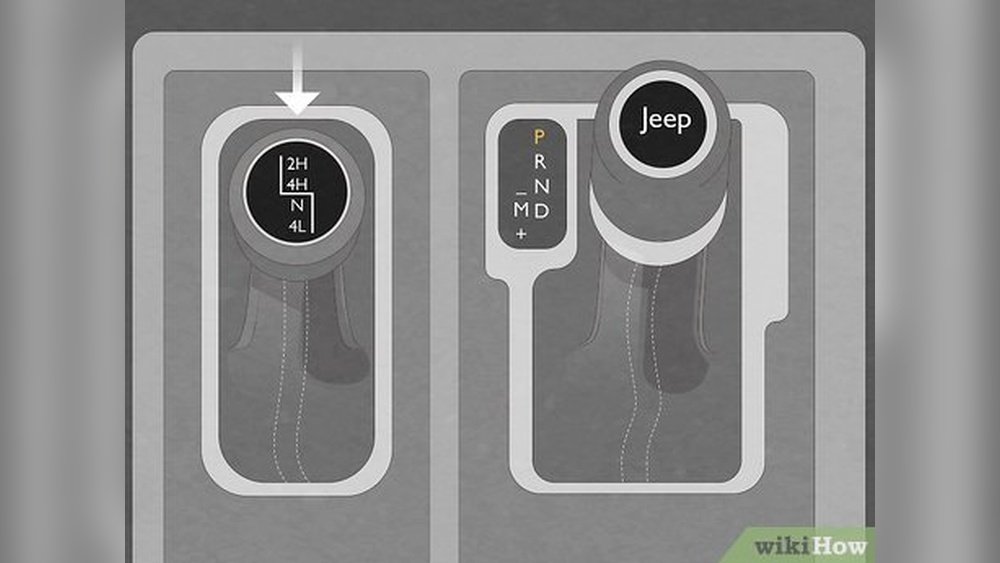
To engage 4-wheel drive in your Jeep, release the accelerator, shift to 4H or 4L, depending on conditions. Shift to Neutral for 4L, then back to Drive. Use 4H for rain or snow; use 4L for steep or rough terrain.
Always consult your manual.
How Do I Turn On My Jeep 4wd?
To turn on Jeep 4WD, stop the vehicle, shift to Neutral, then engage 4WD mode. Release the brake and drive.
How To Properly Switch Into 4wd?
To switch into 4WD, stop the vehicle and shift the transmission to Neutral. Then, move the 4WD selector to the desired mode. Release the brake, shift back to Drive, and accelerate gently. Use 4WD on slippery or rough terrain only.
Always check your vehicle’s manual for specific instructions.
How To Switch A Jeep Wrangler Into A 4×4?
To switch a Jeep Wrangler into 4×4, stop the vehicle, shift to Neutral, then move the transfer case lever from 2H to 4H or 4L. Release the clutch or brake gently, then resume driving. Use 4H for slippery roads and 4L for challenging off-road conditions.
Conclusion
Engaging 4WD in your Jeep improves traction on tough surfaces. Always stop or slow down before shifting to avoid damage. Use 4WD in snow, mud, sand, or steep hills. Check your Jeep’s manual for model-specific steps. Practice shifting in a safe area to build confidence.
Remember, using 4WD on dry pavement may harm the drivetrain. Following these simple tips keeps your Jeep ready for adventure. Drive safely and enjoy the control that 4WD offers.