2018 Jeep Grand Cherokee Transmission Fluid: Essential Maintenance Tips
 Reading Time: 10 minutes
 If you own a 2018 Jeep Grand Cherokee, understanding your vehicle’s transmission fluid is key to keeping it running smoothly. Transmission fluid might not be something you think about every day, but it plays a vital role in protecting your transmission from wear and tear.
If your fluid is old, dirty, or low, it can cause shifting problems, overheating, and even costly repairs. You’ll discover why the right transmission fluid matters, how to check it—even without a traditional dipstick—and when it’s time for a change.
By the end, you’ll feel confident in maintaining your Jeep’s transmission health and avoiding unexpected breakdowns. Keep reading to learn the simple steps that can save you time and money on your Grand Cherokee’s transmission care.

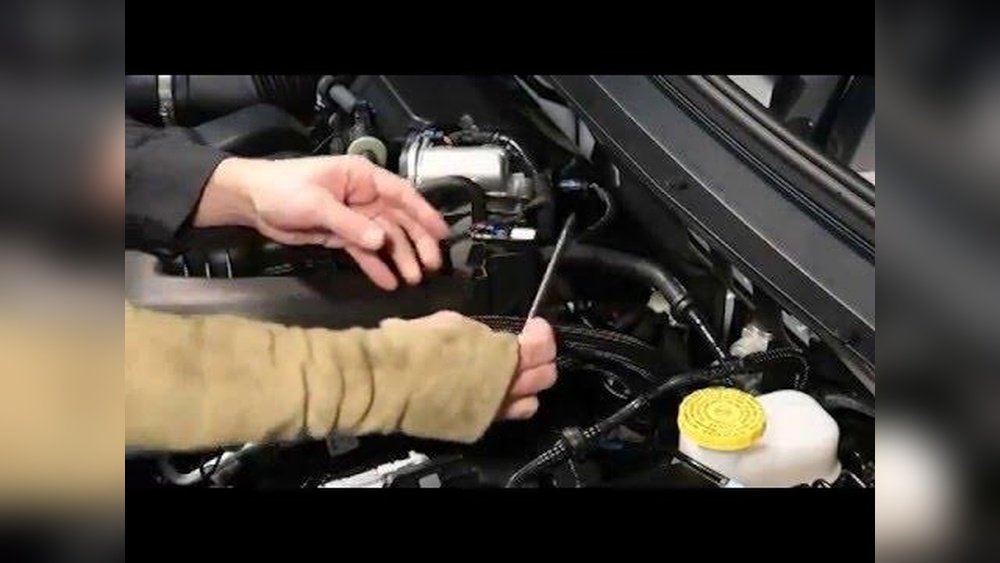
Credit: www.youtube.com
Transmission Fluid Basics
Transmission fluid plays a vital role in the 2018 Jeep Grand Cherokee’s performance. It keeps the transmission system running smoothly and protects its parts. Understanding the basics helps maintain your vehicle’s health and avoid costly repairs.
Transmission fluid lubricates, cools, and cleans the transmission components. It ensures seamless gear shifts and prevents overheating. Regular checks and changes of the fluid extend the transmission’s lifespan.
Role Of Transmission Fluid
Transmission fluid acts as a lubricant for gears and moving parts inside the transmission. It reduces friction, preventing wear and tear on metal components. The fluid also serves as a coolant, carrying heat away from the transmission. This helps avoid overheating, which can cause damage.
Besides lubrication and cooling, the fluid cleans the transmission by carrying away debris and metal particles. It also acts as a hydraulic fluid, helping the transmission to shift gears smoothly. Without proper fluid levels and quality, the transmission may slip, shift roughly, or fail.
Types Used In 2018 Jeep Grand Cherokee
The 2018 Jeep Grand Cherokee uses specific types of transmission fluid designed for its transmission system. Most models require synthetic automatic transmission fluid (ATF). Synthetic ATF offers better protection and longer life than conventional fluids.
It is crucial to use the exact fluid type recommended in the owner’s manual. Using the wrong fluid can lead to poor shifting and transmission damage. Some models may use Mopar ATF+4, a fluid designed especially for Jeep transmissions.
Always check the manual or consult a trusted mechanic before adding or changing transmission fluid. Proper fluid type and maintenance keep your Grand Cherokee’s transmission in top condition.
Signs Of Fluid Issues
Transmission fluid plays a vital role in the smooth operation of the 2018 Jeep Grand Cherokee. Detecting signs of fluid problems early helps avoid costly repairs and keeps your vehicle running well. Fluid issues often show through specific symptoms and directly affect transmission performance.
Common Symptoms
One clear sign is unusual transmission noises like whining or clunking. You may notice rough or delayed shifting between gears. The vehicle might slip out of gear unexpectedly or fail to move smoothly. Dark, dirty, or burnt-smelling fluid also indicates trouble. Leaks under the vehicle can be a sign of fluid loss. These symptoms often mean the fluid is old, contaminated, or low.
Impact On Transmission Performance
Bad transmission fluid leads to poor gear changes and loss of power. It can cause the transmission to overheat, increasing wear on parts. The Jeep may jerk or hesitate during acceleration. Fuel efficiency drops because the transmission struggles to operate properly. Ignoring fluid issues can cause permanent damage and expensive repairs. Regular checks and fluid changes keep the transmission healthy and responsive.
Fluid Change Vs Flush
Choosing between a fluid change and a flush for your 2018 Jeep Grand Cherokee transmission fluid matters. Both methods maintain transmission health but work differently. Understanding their benefits and risks helps in making the right choice. This section explains the key differences and guides you on which method suits your vehicle best.
Benefits Of Fluid Change
A fluid change involves draining old fluid and adding fresh fluid. It is gentle on the transmission system. This method removes about half of the old fluid. It reduces the risk of dislodging harmful debris inside the transmission. Fluid changes are cost-effective and easy to perform. They work well for regular maintenance and older vehicles. This method helps keep the transmission running smoothly without sudden issues.
Risks Of Fluid Flush
A fluid flush removes nearly all old fluid using a machine. This can dislodge deposits and dirt inside the transmission. These particles may clog filters or damage transmission parts. Flush machines might introduce incorrect or mixed fluids. This process can be risky for high-mileage or problem transmissions. Improper flushing may cause slipping or shifting problems. It is best done on vehicles with a strong service history.
Choosing The Right Method
Consider your vehicle’s condition and maintenance history. For high-mileage or older Grand Cherokees, a fluid change is safer. If your transmission shows no issues and has regular service, a flush can refresh it fully. Always check your owner’s manual for recommended service intervals. Consult a trusted mechanic to avoid mistakes. Choosing the right method ensures your transmission lasts longer and performs well.
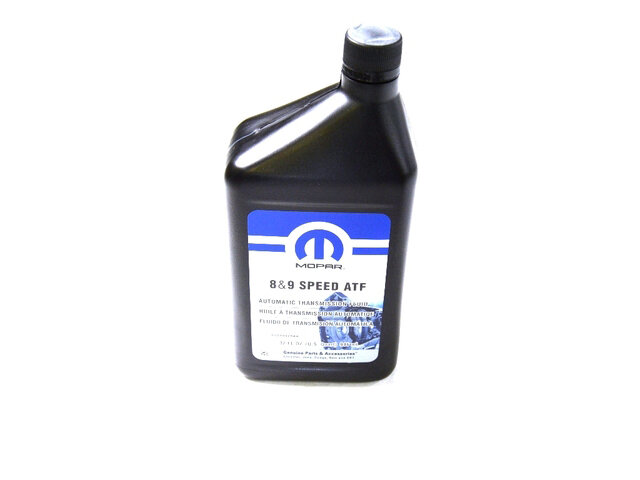
Credit: www.quadratec.com
Checking Fluid Without Dipstick
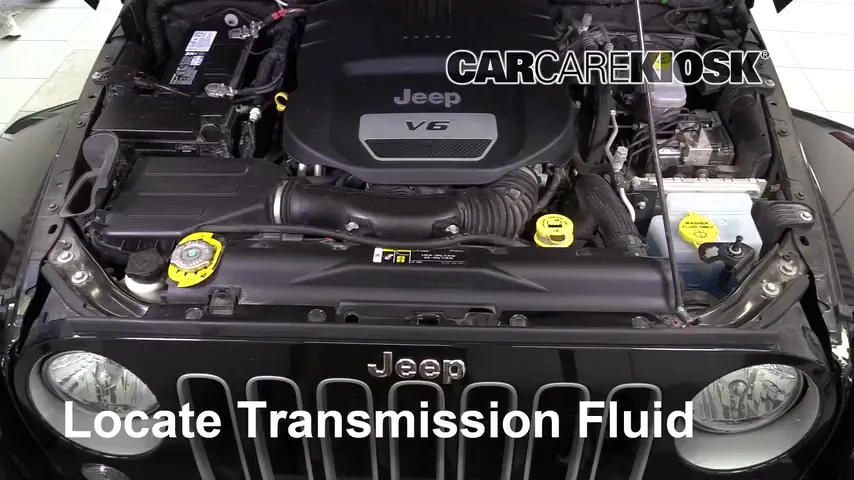
Checking the transmission fluid in the 2018 Jeep Grand Cherokee is different from older models. This vehicle does not have a traditional dipstick for the transmission. The transmission fluid system is sealed to improve performance and reduce maintenance errors. Understanding how to check the fluid without a dipstick is important for proper vehicle care.
This guide explains why the transmission is sealed, how to inspect the fluid level, and what tools you need for the process. Follow these steps carefully to keep your Jeep running smoothly.
Reason For Sealed Transmission
The 2018 Jeep Grand Cherokee uses a sealed transmission system. This design helps prevent contamination from dirt and debris. It also reduces the risk of fluid leaks. The sealed system keeps the fluid clean and at the right level longer. It improves the transmission’s durability and reduces maintenance frequency.
How To Inspect Fluid Level
Since there is no dipstick, checking the fluid level requires a different method. First, warm up the engine to operating temperature. Next, lift the vehicle safely using a jack and stands. Locate the transmission fluid check plug on the transmission case. Remove the plug carefully. Fluid should be at the edge of the hole. If fluid drips out slightly, the level is correct. If not, add the recommended transmission fluid slowly.
Tools Needed For Checking
Gather these tools before starting the fluid check. You need a jack and sturdy jack stands to raise the vehicle safely. A wrench or socket set will help remove the check plug. Use a clean rag to wipe the area around the plug. If you need to add fluid, have a transmission fluid pump or a funnel ready. Always use the fluid type specified in the owner’s manual.
Maintenance Schedule
Keeping the transmission fluid in good condition is vital for the 2018 Jeep Grand Cherokee’s smooth shifting and long transmission life. Following a clear maintenance schedule helps avoid costly repairs and keeps your vehicle running efficiently. Regular checks and timely fluid changes protect the transmission from wear and overheating.
Recommended Fluid Change Intervals
Jeep suggests changing the transmission fluid every 60,000 miles under normal driving conditions. This interval helps maintain optimal fluid performance and protects the transmission components. For severe driving, such as towing or off-roading, it is best to change the fluid more often, around every 30,000 miles. Always consult your owner’s manual for exact recommendations.
Factors Affecting Fluid Life
Driving habits and environment strongly impact transmission fluid life. Frequent stop-and-go traffic, heavy loads, or driving in hot climates can cause the fluid to break down faster. Off-road use exposes the transmission to dirt and debris, which may contaminate the fluid. Regular inspections help detect fluid discoloration or burning smell, signaling it’s time for a change.
Diy Fluid Replacement Tips
Replacing the transmission fluid in your 2018 Jeep Grand Cherokee can improve its performance. Doing it yourself saves money and builds your car skills. Follow these DIY fluid replacement tips for a smooth process. Keep your vehicle running well with clean transmission fluid.
Preparing For The Fluid Change
Park your Jeep on a flat surface and apply the parking brake. Gather all necessary tools: a wrench, drain pan, funnel, and new transmission fluid. Check your owner’s manual for the right fluid type and amount. Warm up the engine briefly to help the fluid drain easily. Wear gloves to keep your hands clean.
Step-by-step Fluid Replacement
Start by removing the transmission fluid drain plug carefully. Let the old fluid drain completely into the pan. Replace the drain plug and tighten it securely but do not over-tighten. Open the transmission fluid fill plug or dipstick tube. Using a funnel, pour the new fluid slowly into the transmission. Check the fluid level with the dipstick after filling. Add more fluid if needed until it reaches the correct level.
Safety Precautions
Always work with the engine off except when checking the fluid level. Use jack stands if you need to lift the vehicle; never rely on a jack alone. Dispose of used transmission fluid properly at a recycling center. Avoid spills by using a drain pan and funnel. Keep children and pets away from the work area. Wear eye protection to prevent splashes from getting into your eyes.
Professional Service Considerations
Maintaining the transmission fluid in your 2018 Jeep Grand Cherokee is crucial for smooth driving and long transmission life. Professional service can ensure the fluid is changed or flushed correctly. Skilled technicians use the right tools and fluids that match your vehicle’s specifications. This prevents damage and improves performance. Understanding when to seek expert help and the costs involved helps you plan better.
When To Seek Expert Help
Transmission fluid service requires precision. If you notice slipping gears, strange noises, or delayed shifting, contact a professional. Avoid DIY if you lack experience, as improper handling can cause damage. Experts can also check for leaks and inspect the transmission system. Regular fluid checks during scheduled maintenance help prevent major problems.
Cost Estimates For Fluid Service
The price for transmission fluid service varies by location and type of service. A basic fluid change often costs between $150 and $250. A full fluid flush may run higher, around $200 to $300. Labor costs depend on shop rates and complexity. Always request a detailed estimate before service. Investing in proper maintenance saves money on expensive repairs later.
Credit: www.carcarekiosk.com
Common Mistakes To Avoid
Maintaining the transmission fluid in your 2018 Jeep Grand Cherokee is vital for smooth performance. Many drivers make avoidable mistakes that can harm the transmission system. Understanding these common errors helps protect your vehicle and extend its life.
Using Incorrect Fluid Types
Choosing the wrong transmission fluid damages your Jeep’s transmission. The 2018 Grand Cherokee requires specific fluid types. Using generic or incompatible fluids can cause poor shifting or overheating. Always check the owner’s manual for the recommended fluid. Avoid mixing fluids from different brands or types. This ensures proper lubrication and prevents costly repairs.
Ignoring Warning Signs
Warning signs like slipping gears or strange noises signal transmission problems. Ignoring these signs can worsen the damage. Pay attention to warning lights on your dashboard. Strange smells or fluid leaks also need immediate attention. Early action helps avoid expensive repairs and keeps your Jeep running smoothly.
Skipping Regular Maintenance
Regular transmission fluid checks and changes are essential. Skipping maintenance reduces fluid effectiveness and causes buildup. This leads to transmission wear and failure. Follow the maintenance schedule in your manual. Regular service keeps the fluid clean and your transmission healthy. Don’t delay fluid changes to save money; it costs more later.
Frequently Asked Questions
What Kind Of Transmission Fluid Does A 2018 Jeep Grand Cherokee Take?
The 2018 Jeep Grand Cherokee uses Mopar ATF+4 automatic transmission fluid. Use only this type for optimal performance and warranty compliance.
How To Check Transmission Fluid In 2018 Grand Cherokee?
Park your 2018 Grand Cherokee on level ground with the engine warm. Locate the sealed transmission system—no dipstick present. Use the onboard diagnostics or visit a dealer to check fluid levels accurately.
Is It Better To Change Or Flush Cvt Fluid?
Changing CVT fluid by draining and refilling is safer and better for regular maintenance. Flushing can dislodge debris and cause issues. Always follow your owner’s manual and seek professional advice for best results.
Why Does My Jeep Not Have A Transmission Dipstick?
Your Jeep lacks a transmission dipstick due to its sealed transmission system. This design prevents contamination and uses specialized fluid. Electronic sensors monitor fluid levels and alert you if issues arise. Manufacturers label the fluid as “lifetime,” reducing the need for manual checks.
Conclusion
Keeping the 2018 Jeep Grand Cherokee’s transmission fluid at the right level matters a lot. Regular checks and timely changes help the transmission run smoothly. Using the correct fluid type protects internal parts from damage. Avoid delays in maintenance to prevent costly repairs.
Simple care keeps your Jeep reliable and safe on the road. Trust your owner’s manual for service intervals and fluid specifications. Small efforts now save big problems later. Stay attentive to your vehicle’s needs for a longer transmission life.