How Fast Does a Jeep Wrangler Go: Ultimate Speed and Performance Guide
 Reading Time: 9 minutes
 Are you curious about just how fast your Jeep Wrangler can really go? Whether you’re hitting the highway or exploring off-road trails, knowing your Wrangler’s top speed can change the way you drive and appreciate this iconic vehicle.
You might expect a rugged Jeep to be slow, but the truth might surprise you. You’ll discover the actual speed limits of different Jeep Wrangler models, how engine types affect performance, and what real drivers say about pushing their Wranglers to the limit.
Ready to find out if your Jeep is faster than you think? Keep reading to unlock the full story.

Credit: www.youtube.com
Jeep Wrangler Speed Basics
The Jeep Wrangler is known for its rugged design and off-road capabilities. Speed is not its primary focus, but it still offers respectable performance. Understanding the basics of its speed helps set realistic expectations. This section breaks down the typical top speeds and how speed limits affect real-world driving.
Typical Top Speeds
The Jeep Wrangler’s top speed varies by model and engine type. Most Wranglers reach a maximum speed between 90 and 110 mph. The more powerful engines, like the V6, push closer to the higher end. The sportier versions may go slightly faster, but Wranglers are built for control, not speed. Their boxy shape and off-road tires limit high-speed aerodynamics.
Speed Limits And Real-world Driving
On public roads, speed limits usually range from 55 to 75 mph in the United States. Jeep Wranglers perform well within these limits. Drivers often cruise comfortably at highway speeds without strain. Because Wranglers focus on torque and traction, they excel in low to mid-speed driving. This makes them ideal for city streets, highways, and rough terrains alike.

Credit: www.caranddriver.com
Engine Options And Impact
The Jeep Wrangler offers several engine options. Each engine affects the vehicle’s speed and performance. Understanding these options helps explain how fast a Jeep Wrangler can go. Engine power varies from standard models to high-performance variants. This variation impacts acceleration and top speed.
Standard Engines
The base Jeep Wrangler usually comes with a 3.6-liter V6 engine. It produces around 285 horsepower. This engine provides a balanced mix of power and fuel efficiency. It allows the Wrangler to reach speeds near 90 to 100 mph. This is enough for most daily driving and light off-road use.
Performance Variants
Jeep also offers performance versions with stronger engines. For example, the 2.0-liter turbocharged inline-4 delivers about 270 horsepower. Another option is the 3.0-liter EcoDiesel V6, focusing on torque and fuel economy. The highest power comes from the 6.4-liter V8 in the Rubicon 392. This engine produces 470 horsepower and boosts top speed significantly. Performance variants give quicker acceleration and higher max speeds.
Engine Power And Speed Correlation
More horsepower usually means higher top speed. However, Jeep Wranglers prioritize off-road ability. Their design limits extreme speeds. The vehicle’s weight and aerodynamics also affect speed. For example, the Rubicon 392 can hit 100+ mph easily. Standard models usually max out below that. Engine choice is key to how fast your Wrangler will go.
Performance Across Jeep Models
The Jeep Wrangler delivers varied performance across its models. Each version offers unique power and speed features. Understanding these differences helps choose the right Wrangler for your needs. Below, we explore the performance of popular Jeep Wrangler models.
Wrangler Rubicon
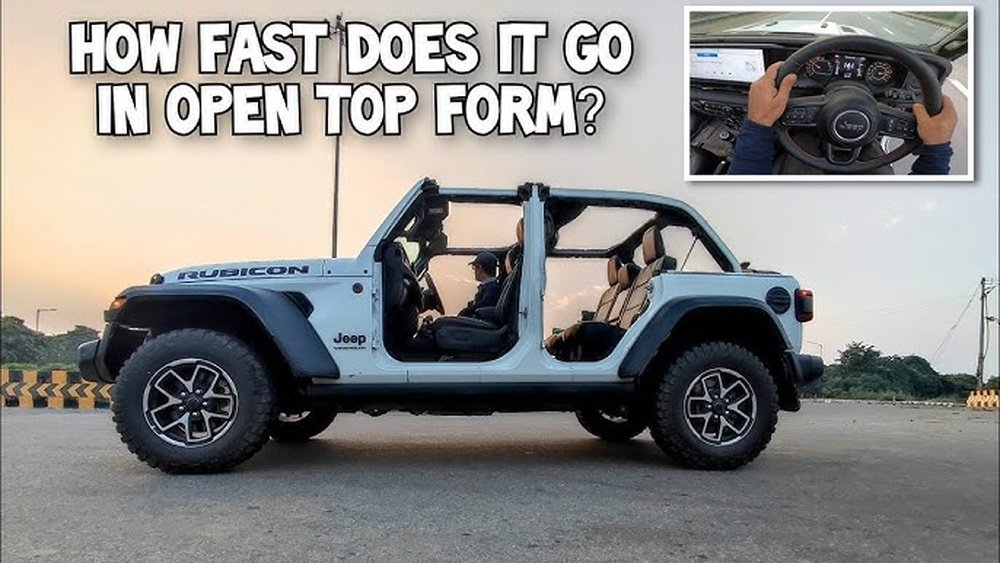
The Wrangler Rubicon is built for tough terrain and solid performance. It has a 3.6-liter V6 engine producing 285 horsepower. The top speed reaches around 99 mph. This model balances speed with off-road capability. Its heavy-duty axles and locking differentials improve traction but limit top speed compared to lighter models.
Wrangler Sahara
The Sahara model focuses on comfort and power. It offers a 2.0-liter turbocharged four-cylinder engine with 270 horsepower. The top speed is near 100 mph. The Sahara is lighter than the Rubicon, allowing for slightly better highway performance. It also features advanced suspension for a smooth ride on and off-road.
Other Wrangler Variants
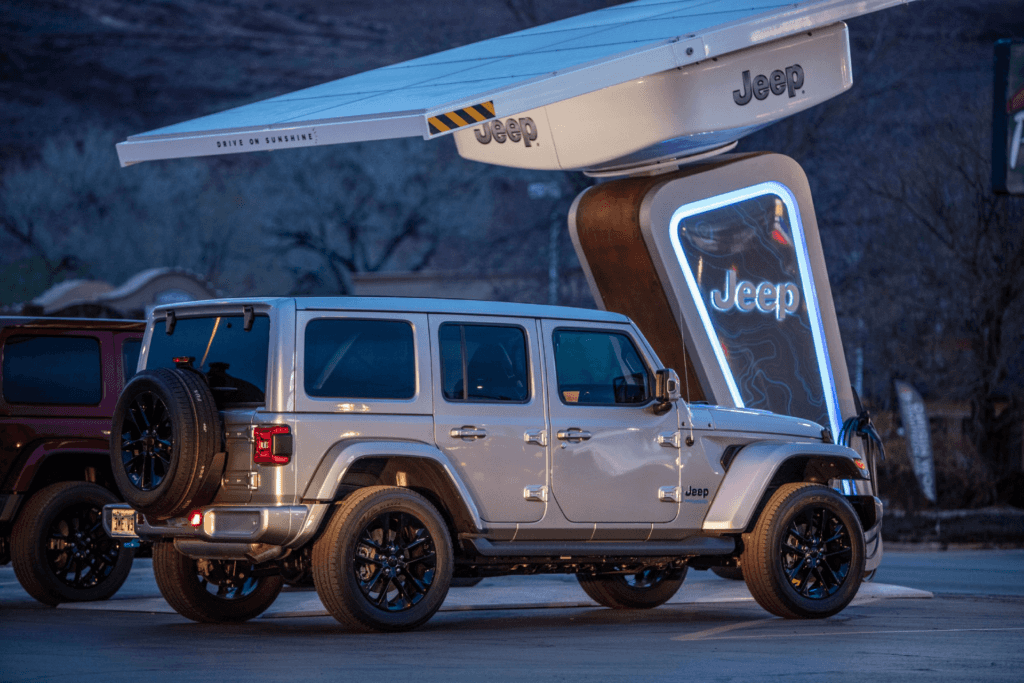
Other Wrangler versions include the Sport and the 4xe plug-in hybrid. The Sport has a 3.6-liter V6 with about 285 horsepower and a top speed close to 100 mph. The 4xe combines a 2.0-liter engine with electric motors for quick acceleration but a lower top speed near 90 mph. Each variant blends performance with specific features to fit different driving styles.
Credit: www.auburnjeep.com
Off-road Vs Highway Speed
The Jeep Wrangler is built for adventure, balancing rugged off-road power with highway usability. Its speed varies greatly between rough trails and open roads. Understanding how it performs in these two environments helps set realistic expectations for drivers.
Off-road Capabilities
Off-road, the Jeep Wrangler moves steadily over rocks, mud, and sand. Speed is not the priority here. The focus is on torque and control to avoid damage. Typically, speeds range from 5 to 25 mph depending on terrain. This slow pace ensures safety and better handling on uneven paths.
The Wrangler’s suspension and tires support low-speed maneuvers. Drivers can navigate obstacles without rushing. Its four-wheel drive system distributes power evenly, improving grip and stability at low speeds.
Highway Performance
On highways, the Jeep Wrangler can reach higher speeds comfortably. Most models have a top speed around 90 to 100 mph. However, optimal cruising speeds are between 55 and 75 mph for fuel efficiency and comfort.
The Wrangler’s engine options, such as the V6 and turbocharged four-cylinder, provide enough power for highway driving. Though not a sports car, it holds steady at highway speeds. Wind noise and a stiffer ride may affect long trips but do not limit speed capabilities.
Speed Limiters And Safety
Jeep includes speed limiters to protect the vehicle and passengers. These systems prevent excessive speeds that could cause loss of control. Electronic stability control and traction control work together to keep the Wrangler stable.
Safety features activate when speeds exceed safe limits for road conditions. Drivers should respect posted speed limits, especially off-road where terrain changes quickly. The Wrangler’s design favors durability and driver confidence over raw speed.
Modifications That Boost Speed
Jeep Wrangler owners often want to increase their vehicle’s speed without losing its rugged charm. Modifications can help boost the Jeep’s performance and top speed. These upgrades focus on the engine, aerodynamics, tires, and suspension. Each change affects speed differently but adds value to the driving experience.
Engine Upgrades
Upgrading the engine is the most direct way to increase speed. Installing a more powerful engine or adding performance parts like turbochargers improves horsepower. This makes the Jeep accelerate faster and reach higher top speeds. Upgraded exhaust systems and cold air intakes also help the engine breathe better, boosting power output.
Aerodynamic Enhancements
Jeep Wranglers are boxy, which creates air resistance. Adding aerodynamic parts reduces drag and helps the vehicle move faster. Installing a roof spoiler, smoother bumpers, or side skirts improves airflow. These changes lower wind resistance, allowing the Jeep to maintain higher speeds with less effort.
Tire And Suspension Changes
Tires and suspension affect speed and handling. Switching to performance tires with less rolling resistance increases speed on paved roads. Adjusting suspension to lower the ride height improves stability at high speeds. These changes make the Jeep safer and more efficient during fast drives.
User Experiences And Reports
Many Jeep Wrangler owners share their real-world experiences about the vehicle’s speed. These reports help us understand how the Wrangler performs on roads and highways. User feedback shows both the strengths and limits of this rugged SUV.
Highway Driving Speeds
Most Jeep Wrangler drivers report comfortable speeds around 65 to 75 mph on highways. The Wrangler handles these speeds well, though it is not built for racing. Some drivers notice slight wind noise and less smooth rides at higher speeds. Despite this, the Wrangler maintains good control on straight roads. Users often suggest keeping speeds moderate for safety and fuel efficiency.
Top Speed Tests
Several Jeep Wrangler models have been tested for top speed on flat, open roads. Tests show maximum speeds ranging from 90 to 110 mph, depending on the engine and modifications. The stock Wrangler Rubicon usually tops out near 100 mph. Enthusiasts sometimes modify their vehicles to reach slightly higher speeds. These top speed runs confirm the Wrangler’s focus on off-road capability over outright speed.
Community Insights
Jeep forums and social media groups reveal diverse opinions about the Wrangler’s speed. Many drivers accept the Wrangler’s slower pace in exchange for off-road power and style. Some share tips on improving speed with aftermarket parts and tuning. Others emphasize safety and enjoy the Wrangler’s rugged feel at everyday driving speeds. Overall, the community values the balance between speed and capability.
Comparing Jeep Wrangler To Competitors
Comparing the Jeep Wrangler to its competitors reveals how it stands out in speed and overall performance. Many drivers choose a Wrangler for its rugged design and off-road capabilities. Yet, understanding how it measures up in speed helps buyers make informed decisions. Several vehicles in the same category offer different balances of power, speed, and handling.
Speed And Performance Benchmarks
The Jeep Wrangler reaches a top speed of around 100 mph. This speed suits its primary role as an off-road vehicle. Competitors like the Toyota 4Runner or Ford Bronco offer similar top speeds. The Bronco can hit slightly higher speeds, close to 105 mph. The 4Runner generally maxes out near 110 mph. Acceleration varies; the Wrangler is slower from 0 to 60 mph than some rivals. Its engine options focus more on torque for climbing than pure speed. Competitors may have faster acceleration but less off-road prowess. Fuel efficiency also plays a role; Wranglers tend to consume more fuel at high speeds.
Strengths And Weaknesses
The Jeep Wrangler excels in ruggedness and off-road strength. It offers strong ground clearance and excellent traction on rough terrain. Its design supports easy customization and upgrades. However, the Wrangler’s on-road speed and handling feel less refined. Ride quality is rougher compared to competitors. The cabin noise can be louder at high speeds. Competitors often provide smoother rides and better interior comfort. The Wrangler’s slower acceleration can feel less responsive on highways. Yet, its durability and unique style keep it popular among adventure lovers. Each vehicle has clear strengths suited for different drivers’ priorities.
Factors Influencing Jeep Speed
The speed of a Jeep Wrangler depends on many factors. These factors can change how fast the vehicle can go safely and efficiently. Understanding these helps drivers get the best performance out of their Jeep. The main influences include the terrain, the load inside the vehicle, and the weather conditions. Each plays a key role in the Jeep’s speed and handling.
Terrain And Conditions
The type of terrain greatly affects Jeep speed. Rough, rocky, or uneven surfaces slow the vehicle down. Smooth, paved roads allow higher speeds. Muddy or sandy ground can cause wheels to slip. Uphill climbs reduce speed due to added engine effort. Flat and dry roads are the easiest for fast driving.
Vehicle Load
The weight inside the Jeep impacts its speed. More passengers or cargo add extra weight. This extra load makes the engine work harder. Heavier Jeeps accelerate slower and have lower top speeds. Keeping the load light helps maintain better speed and control.
Weather Effects
Weather can change driving conditions drastically. Rain makes roads slippery, forcing slower speeds. Snow and ice require careful, slow driving. Hot weather may affect engine cooling and performance. Windy conditions can also reduce speed by adding resistance. Safe driving means adjusting speed to weather conditions.
Frequently Asked Questions
What Is The Top Speed Of A Jeep Wrangler?
The top speed of a Jeep Wrangler ranges from 90 to 110 mph, depending on the model and engine. Most Wranglers reach around 100 mph.
Do Jeep Wranglers Go Fast?
Jeep Wranglers reach top speeds around 90-100 mph. They prioritize off-road capability over speed. Their acceleration suits rugged terrains.
Is A Jeep Wrangler A V6 Or V8?
The Jeep Wrangler primarily offers V6 engines. Some models also feature turbocharged four-cylinder engines. V8 options are rare or aftermarket.
How Fast Can A Jeep Wrangler Go In For High?
A Jeep Wrangler in 4th gear (“for high”) can reach speeds around 55 to 70 mph, depending on the model and engine.
Conclusion
The Jeep Wrangler offers a solid mix of speed and ruggedness. It can reach highway speeds comfortably. Most models top out around 90 to 100 mph. This speed suits both city driving and off-road adventures. While not the fastest SUV, it balances power with durability.
Drivers enjoy its strong engine and reliable handling. The Jeep Wrangler fits those who value toughness over sheer speed. Its performance makes it a favorite among outdoor enthusiasts. Overall, it delivers enough speed for everyday use and fun drives.