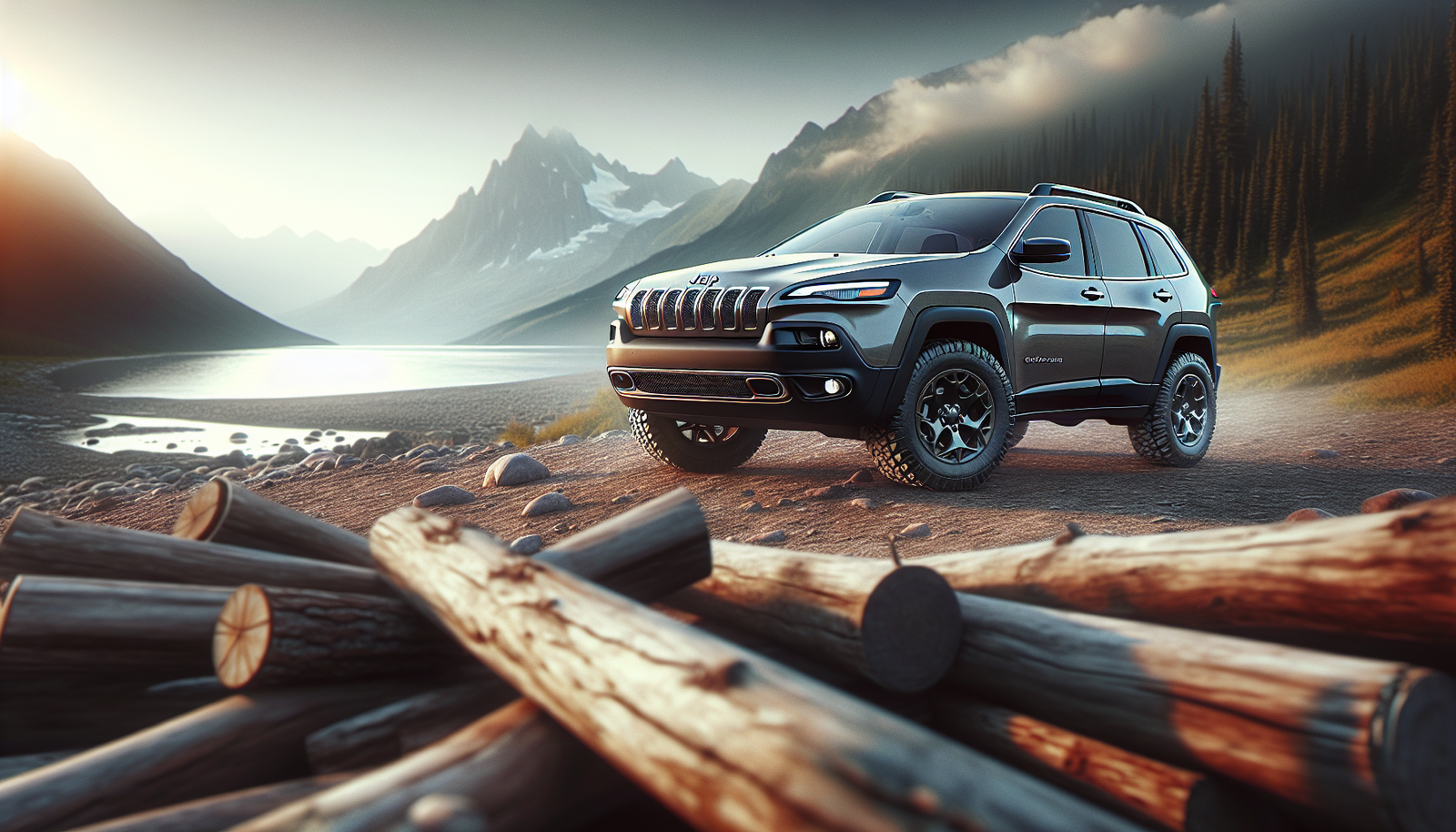
Are Jeep Cherokees Reliable Cars? Unveiling the Truth
 Reading Time: 11 minutes
 Are you thinking about making a Jeep Cherokee your next ride? You probably want to know if it’s a reliable car that won’t leave you stranded or drain your wallet with constant repairs.
Jeep Cherokees have a strong reputation for off-road capability and rugged style, but how do they hold up when it comes to everyday dependability? You’ll discover the key strengths and common issues of Jeep Cherokees, which model years to watch out for, and tips to help you make a smart choice.
By the time you finish reading, you’ll have a clear picture of whether a Jeep Cherokee is the right reliable car for you and your lifestyle. Keep reading to find out!
Jeep Cherokee Reliability Overview
The Jeep Cherokee has a mixed reputation for reliability. Some drivers praise its off-road ability and rugged design. Others report frequent repairs and mechanical issues. Reliability varies by model year and maintenance history.
Understanding common problems and strengths helps buyers make smarter decisions. This overview covers key areas affecting Jeep Cherokee reliability. It also highlights model year differences and what to expect from ownership.
Key Problem Areas
Many Jeep Cherokees face transmission issues. Problems with shifting and slipping are common. The Multi-Air system can malfunction. Dirty oil or low pressure often causes engine stalling. Fixes may require software updates or part replacements.
Electrical failures happen frequently. Infotainment systems, power locks, and dashboard lights often fail. These issues sometimes relate to the complex CAN bus wiring. Oil leaks appear around gaskets, seals, and oil filter housings. Leaks can lead to engine damage if ignored.
Cooling system problems cause overheating. Leaks from plastic parts like thermostat housings are usual. Low transmission fluid also leads to overheating. These repairs can be costly for owners.
Model Year Variation
Older XJ models have simpler mechanics but classic issues. Windshield leaks and rust are common in these models. Newer models include more technology but face electrical and engine troubles.
Some model years have higher problem rates. For example, 2011 to 2013 models often suffer cylinder head failures. The 2014-2015 models show improved reliability but still have issues. Early WK generation cars, like the 2010 model, have mixed reviews.
Common Reliability Concerns
TIPM failures affect many Jeep Cherokees. These module problems cause electrical glitches and stalling. Transmission problems also impact drivability and longevity. Engine component wear and faulty cylinder heads are concerns in older models.
Software updates and transmission fixes help some models. Regular maintenance reduces risk but cannot prevent all issues. Buyers should check warranty coverage and repair history carefully.

Credit: www.stiverscdjr.com
Common Mechanical Issues
Jeep Cherokees have gained a loyal following for their rugged design and off-road capabilities. Yet, like many vehicles, they come with some common mechanical issues. These problems can affect reliability and maintenance costs. Understanding these issues helps buyers and owners manage expectations and care for their cars better.
Multi-air System Problems
The Multi-Air system controls the engine’s air intake for better performance. Some Jeep Cherokee models suffer from Multi-Air failures. Issues include engine stalling and poor acceleration. Dirty oil or low oil pressure often causes these problems. Fixes may require software updates or replacing parts of the system.
Transmission Failures
Transmission problems are common in certain Cherokee years. Symptoms include rough shifting, slipping gears, or complete failure. These issues usually appear after high mileage. Transmission repairs can be expensive and time-consuming. Regular fluid changes and proper driving habits may reduce risks.
Oil Leaks And Engine Concerns
Oil leaks occur from gaskets, seals, or the oil filter housing. Cracks in brittle parts can cause leaks and low oil pressure. Low oil pressure may lead to engine damage if ignored. Owners should check for leaks regularly. Timely repair helps maintain engine health and performance.
Overheating And Cooling System
Cooling system failures can cause engine overheating in Jeep Cherokees. Common causes include low transmission fluid and leaks from plastic components. Thermostat housing leaks are frequent and costly to fix. Overheating can result in engine damage. Regular cooling system maintenance prevents serious issues.
Electrical System Challenges
The electrical system in Jeep Cherokees can present some challenges. These issues affect daily driving comfort and vehicle reliability. Understanding common problems helps potential buyers make informed decisions. Electrical faults often relate to the vehicle’s complex design. Jeep’s use of advanced electronics means there are more components that can fail over time.
Many owners report glitches in key electrical areas. These faults may cause frustration and require repairs. The vehicle’s wiring and control modules need regular checks to avoid failures. Below are some common electrical system challenges in Jeep Cherokees.
Infotainment And Dashboard Glitches
Many Jeep Cherokee drivers experience problems with the infotainment system. Screens may freeze or restart randomly. Touch controls can become unresponsive, making navigation difficult. Dashboard warning lights sometimes flicker or stay on incorrectly. These issues often come from software bugs or faulty wiring. Regular software updates can fix some glitches but not all. Persistent problems might require replacing the head unit or control modules.
Power Locks And General Power Loss
Power locks sometimes fail to work properly in Jeep Cherokees. Doors may not lock or unlock remotely. This can be caused by weak fuses or wiring shorts. Some owners report sudden power loss while driving. Electrical shorts or bad connections might trigger this problem. Battery and alternator checks are important to maintain power reliability. Addressing small electrical faults early can prevent bigger failures.
Can Bus Network Complications
The Controller Area Network (CAN) bus links many electronic systems in the vehicle. Jeep Cherokees rely heavily on this network for communication. Faults in the CAN bus can cause multiple electrical errors. Symptoms include erratic behavior of lights, sensors, and displays. Off-road use may increase the risk of CAN bus damage. Repairing CAN bus issues requires specialized diagnostics and expertise. Proper maintenance of connectors and wiring helps reduce these problems.

Credit: www.huffineschryslerjeepdodgeramlewisville.com
Model Year Reliability Differences
Jeep Cherokees have seen many changes over the years. Each model year brings different levels of reliability. Some years perform better than others. Knowing these differences helps buyers choose wisely. It also prepares owners for common issues they might face. Below, we explore how reliability varies by model year.
Older Xj Cherokees
The XJ Cherokee, made from 1984 to 2001, is popular for its simple design. These models are easy to repair and maintain. Many still run well with proper care. Common issues include windshield leaks and rust. Overall, they are known for durability but need regular upkeep. Parts are widely available, making repairs affordable.
Problematic Years To Avoid
Certain Cherokee years show more frequent problems. Models from 2011 to 2013 had cylinder head failures. These caused engine overheating and costly repairs. The 2014 and 2015 models faced electrical issues, especially with the TIPM (Totally Integrated Power Module). Early WK generation models, like 2010, struggled with transmission problems. These years often require more frequent maintenance and repairs.
Reliable Model Years
Some Cherokee model years stand out for better reliability. The late 1990s XJ models have a strong reputation. The 2005 and 2006 Jeep Cherokees also show fewer problems. They have improved engine and transmission designs. These models often need less repair and have better owner satisfaction. Choosing these years can reduce unexpected issues and repair costs.
Longevity And Maintenance Needs
Understanding the longevity and maintenance needs of Jeep Cherokees helps buyers make wise decisions. These vehicles have a reputation for ruggedness, but they still require care to stay reliable. Regular upkeep affects how long a Jeep Cherokee lasts and how often it needs repairs.
Jeep Cherokees are built to handle tough conditions, but like all cars, they wear down over time. Knowing the typical lifespan and maintenance demands can prepare owners for what to expect. This knowledge helps keep the vehicle running smoothly and avoids costly surprises.
Typical Lifespan Of Jeep Cherokees
Jeep Cherokees usually last between 150,000 and 200,000 miles. Many owners report reaching this mileage with proper care. Some models, especially older ones like the XJ series, are known for their durability. These vehicles often run well past 200,000 miles.
Factors like driving style, road conditions, and maintenance quality affect lifespan. Harsh off-road use or neglect can shorten the vehicle’s life. Regular oil changes, timely repairs, and proper fluid checks help extend it.
Maintenance Frequency Compared To Competitors
Jeep Cherokees generally require more frequent maintenance than some competitors. Their off-road focus means tougher parts may wear faster. For example, suspension and drivetrain components might need attention sooner than on standard SUVs.
Routine tasks like oil changes, brake checks, and tire rotations are similar to other vehicles. But repairs related to electrical systems or transmissions can be more common. Owners should plan for regular inspections to catch issues early.
Compared to rivals like Toyota RAV4 or Honda CR-V, Jeep Cherokees may demand more service visits. This is a trade-off for their rugged capabilities and off-road readiness. Staying on top of maintenance keeps the Jeep reliable and ready for adventure.

Credit: www.jeffdambrosiochryslerjeepdodge.com
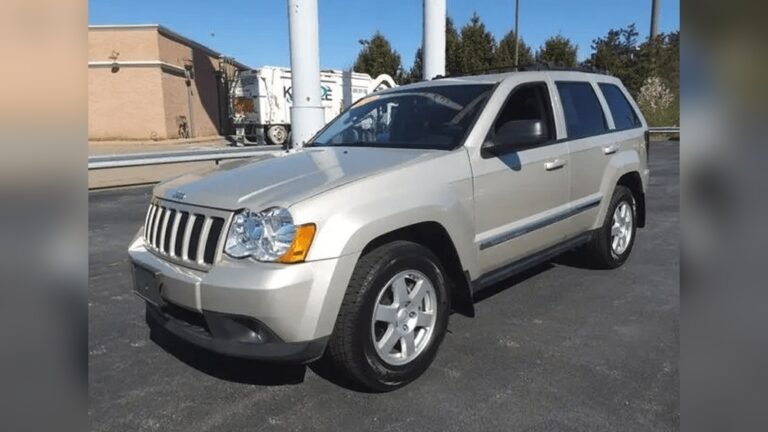
Jeep Grand Cherokee Specific Issues
The Jeep Grand Cherokee is a popular SUV but it has some common issues. These problems can affect reliability and ownership experience. Understanding these issues helps buyers make informed decisions. Some flaws appear more often in certain model years.
This section covers major Jeep Grand Cherokee specific issues. These include electrical system failures, engine troubles, and transmission problems. Each problem can cause costly repairs if ignored. Knowing what to expect can save money and frustration.
Tipm Failures
The Totally Integrated Power Module (TIPM) controls many electrical parts. It can fail and cause serious problems. Common symptoms include power window failures, no start issues, and random electrical malfunctions. TIPM failure is more common in models from 2011 to 2013. Replacing the TIPM module is costly but often necessary.
Cylinder Head And Engine Problems
Cylinder head issues are frequent in certain Grand Cherokee engines. Warped or cracked heads cause coolant leaks and overheating. This can lead to engine damage if not repaired quickly. The 2011 to 2013 models are known for these engine troubles. Regular cooling system maintenance reduces risk. Early detection prevents expensive engine rebuilds.
Transmission Troubles
Transmission problems affect shifting and drivability. Some Grand Cherokees experience hard shifting, slipping, or failure to engage gears. Models from 2014 to 2015 show higher rates of transmission issues. Fluid leaks and software errors often cause these troubles. Routine transmission service can improve longevity and performance.
Performance And Comfort
Performance and comfort play a big role in deciding how reliable a Jeep Cherokee feels. This SUV balances power with ease of driving. The ride quality affects daily use and long trips alike. Understanding these aspects helps in judging the car’s dependability.
Engine Performance And Power
Jeep Cherokees come with several engine options. Most models offer enough power for city and highway driving. The engines run smoothly and respond well to acceleration. Some models include a turbocharged engine, boosting fuel efficiency without losing strength. This makes them good for varied road conditions.
Ride Quality And Handling
The suspension system in Jeep Cherokees absorbs bumps well. This results in a comfortable ride on rough roads. Steering is precise, giving good control at different speeds. Off-road capability adds to the driving experience. This SUV handles sharp turns and uneven terrain without much trouble.
Interior Comfort And Space
The cabin of the Jeep Cherokee is spacious for passengers. Seats provide good support for long drives. Materials used inside are durable and easy to clean. Noise levels are kept low, making drives more pleasant. Climate control options keep the temperature comfortable in all seasons.
Technology And Convenience Features
Modern Jeep Cherokees include user-friendly tech features. Touchscreen infotainment systems connect easily with phones. Drivers get helpful tools like navigation and backup cameras. Controls are simple and within easy reach. These features improve comfort and reduce stress while driving.
Better Alternatives To Jeep Cherokee
Choosing a reliable SUV is important for peace of mind and lower repair costs. Some Jeep Cherokee models have faced reliability concerns. Many drivers seek alternatives with stronger records and better features. Here are better alternatives to the Jeep Cherokee that offer durability and value.
Honda Cr-v
The Honda CR-V is known for its reliability and fuel efficiency. It has a comfortable interior and smooth ride. Maintenance costs are generally low. The CR-V offers advanced safety features as standard. It suits daily driving and light off-road use.
Toyota Rav4
Toyota RAV4 holds a reputation for long-lasting performance. It has a strong engine and good fuel economy. The RAV4 includes user-friendly technology and ample cargo space. Toyota’s strong warranty and resale value add to its appeal.
Subaru Forester
The Subaru Forester features all-wheel drive as standard. It performs well in bad weather and rough roads. Reliability ratings are high, and it has a spacious cabin. Safety features and driver assistance come with most trims.
Mazda Cx-5
The Mazda CX-5 combines style and reliability. It offers sharp handling and a refined interior. Fuel economy is competitive for its class. This model scores well in safety tests. Mazda’s build quality supports long-term durability.
Ford Escape
The Ford Escape provides a variety of engine options including hybrids. It balances comfort and technology nicely. Reliability has improved in recent years. The Escape is a good choice for families and commuters.
Frequently Asked Questions
What Is The Most Common Problem With A Jeep Cherokee?
The most common problem with a Jeep Cherokee is Multi-Air system failure. It causes engine stalling and drivability issues. Other frequent issues include electrical system failures, oil leaks, and overheating due to cooling system faults. Regular maintenance helps prevent these problems.
Are Jeep Cherokee Long-lasting Cars?
Jeep Cherokees can be long-lasting with proper maintenance. Some model years face common issues like transmission and electrical problems. Regular care improves reliability and durability.
What Years To Stay Away From On A Jeep Grand Cherokee?
Avoid Jeep Grand Cherokee model years 2011-2013 due to cylinder head failures and 2014-2015 for transmission and electrical issues. Early 2010 models also show lower reliability. These years often face TIPM, transmission, and engine problems requiring costly repairs.
Which Jeep Cherokee Year Is Most Reliable?
The 2016 Jeep Cherokee ranks as the most reliable year. It offers fewer mechanical issues and better overall performance. Regular maintenance boosts its longevity. Avoid early 2010s models due to common transmission and electrical problems. The 2016 model balances capability and dependability well.
Conclusion
Jeep Cherokees offer a mixed reliability record. Some model years show fewer problems and last longer. Common issues include transmission and electrical faults. Regular maintenance helps avoid costly repairs. Choose wisely and research specific years before buying. Overall, Jeep Cherokees can be dependable with proper care.