Are Jeep Grand Cherokees Reliable: Uncover the Truth Today
 Reading Time: 13 minutes
 If you’re thinking about buying a Jeep Grand Cherokee, you probably want to know one thing: are these SUVs really reliable? You want a vehicle that won’t leave you stranded or drain your wallet with constant repairs.
The truth is, reliability can vary widely depending on the model year and how well it’s been maintained. You’ll discover the common issues Jeep Grand Cherokees face, which years you should consider, and which ones you might want to avoid.
By the time you finish reading, you’ll feel confident about whether this rugged SUV fits your needs and lifestyle. Let’s dive in and get to the facts—so you can make the best decision for your next ride.
Credit: www.motorbiscuit.com
Jeep Grand Cherokee Reliability Overview
The Jeep Grand Cherokee is a popular SUV known for its rugged design and off-road ability. Many buyers wonder about its reliability before making a purchase. This overview covers key reliability aspects of the Grand Cherokee.
Understanding common issues and strong points helps in making a smart choice. Jeep Grand Cherokees have shown both strengths and weaknesses over various model years. Reliability varies depending on maintenance and model generation.
Common Electrical And Electronic Issues
Electrical problems are frequent in some Grand Cherokee models. The Totally Integrated Power Module (TIPM) can fail, causing no-starts or strange accessory behavior. The Uconnect system may freeze or reboot, affecting navigation and cameras. Battery drain or failure often links to module faults. Safety features like adaptive cruise control may malfunction, especially after heavy rain.
Engine And Powertrain Concerns
Some engines consume oil more quickly than expected. Overheating can occur due to leaking water pumps or failing electric cooling fans. These issues can lead to costly repairs if not addressed early. Regular checks on the engine’s health are essential for reliability.
Transmission And Drivetrain Problems
Leaks from differential pinion seals or transfer case seals are common in certain Grand Cherokee years. These leaks may cause drivetrain damage if ignored. Keeping an eye on fluid levels and seals helps prevent serious transmission troubles.
Suspension And Steering Issues
The Quadra-Lift air suspension system may fail, causing the vehicle to sag. Premature wear in control arms, bushings, and steering knuckles can affect handling. These parts may need replacement sooner than in other SUVs. Regular suspension inspections improve ride quality and safety.
Fueling issues happen when the gas pump nozzle keeps shutting off during refills. Blend door actuator failure leads to problems with heating or air conditioning. Water leaks from sunroofs or doors have been reported. Brake rotors may warp early, causing vibrations. Addressing these issues quickly keeps the Grand Cherokee reliable.
Common Electrical Problems
Electrical problems are among the frequent issues Jeep Grand Cherokee owners report. These problems affect the vehicle’s performance and comfort. They may cause inconvenience and sometimes safety risks. Understanding common electrical issues helps owners spot problems early and seek repairs.
Power Module Failures
The Totally Integrated Power Module (TIPM) controls many electrical functions. Failures in the TIPM can cause the Jeep not to start. Some accessories might act strangely or stop working. These failures may also lead to random electrical shorts or blown fuses.
Uconnect System Glitches
The Uconnect system handles navigation, media, and vehicle settings. It can freeze or reboot unexpectedly. Some features like backup cameras or Bluetooth may stop working. These glitches frustrate users and reduce driving convenience.
Battery Drain Issues
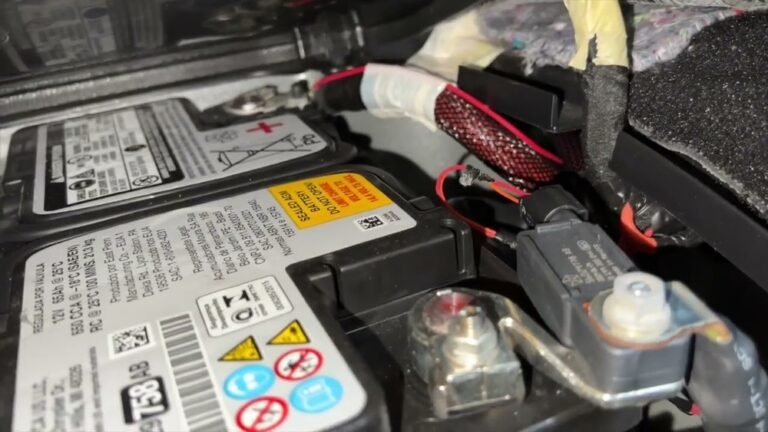
Battery drain is a common problem in Grand Cherokees. Electrical modules sometimes stay active even when the vehicle is off. This causes the battery to lose charge quickly. Owners may find their Jeep won’t start after sitting for a while.
Safety System Malfunctions
Adaptive cruise control and lane departure warnings depend on sensors and electronics. Heavy rain or moisture can cause these systems to fail. Malfunctions reduce safety and driver confidence. Timely repairs are crucial to maintain protection features.
Engine And Powertrain Issues
The Jeep Grand Cherokee is popular for its rugged design and off-road capability. Yet, engine and powertrain problems affect its reliability. These issues can cause costly repairs and reduce vehicle life. Understanding common engine concerns helps buyers make informed decisions. Below are key problems reported in the Grand Cherokee’s engine and powertrain.
Oil Consumption Concerns
Many Jeep Grand Cherokee owners report high oil consumption. The engine may burn oil faster than normal. This problem often appears in models with V6 and V8 engines. Excessive oil use can lead to engine damage. Regular oil checks and changes are necessary to avoid trouble. Some engines may have worn piston rings or valve seals causing leaks. Fixing these issues requires professional inspection and repair.
Overheating Causes
Overheating is another common powertrain issue. It can happen due to leaking water pumps. A failing electric cooling fan also reduces engine cooling. Overheating risks engine failure and expensive repairs. Coolant leaks, clogged radiators, or thermostat problems may also cause heat buildup. Owners should watch for warning lights and unusual temperature rises. Prompt attention to cooling system problems prevents serious damage.
Transmission And Drivetrain Concerns
The transmission and drivetrain systems play a key role in the Jeep Grand Cherokee’s performance. Many owners report concerns related to these parts. Understanding these issues helps buyers decide on reliability.
Drivetrain problems often affect ride smoothness and vehicle control. The transmission must shift smoothly for a good driving experience. Any fault here can cause costly repairs and inconvenience.
Differential Leaks
Differential leaks are common in some Jeep Grand Cherokee models. These leaks usually come from pinion seals or transfer case seals. Leaking fluid can cause poor lubrication and damage to gears.
Owners may notice fluid spots under the vehicle or strange noises when turning. Early detection and repair prevent severe drivetrain damage. Regular maintenance checks can catch leaks early.
Transmission Reliability
The Grand Cherokee’s transmission has mixed reliability ratings. Some model years face issues like rough shifting or slipping gears. These problems reduce driving comfort and may lead to breakdowns.
Transmission failures often occur after high mileage or harsh driving conditions. Proper fluid changes and careful driving extend transmission life. Buyers should check the vehicle’s service history for transmission care.
Suspension And Steering Challenges
The suspension and steering system of the Jeep Grand Cherokee plays a key role in its overall performance. Owners often report specific challenges that affect ride comfort and handling. These issues can lead to costly repairs and affect vehicle reliability.
Understanding the common suspension and steering problems helps buyers make informed decisions. It also aids current owners in spotting early signs of trouble. Two major areas of concern include the air suspension and premature wear of suspension parts.
Air Suspension Failures
The Jeep Grand Cherokee uses an air suspension system called Quadra-Lift. This system adjusts the vehicle height for better off-road ability and comfort. Unfortunately, the air suspension can fail over time. Leaks in air springs cause the vehicle to sag or sit unevenly.
Faulty air compressors and valves also contribute to failures. Repairing or replacing air suspension parts can be expensive. Owners should watch for noises, uneven ride height, or warning lights on the dashboard. Early attention can prevent more serious damage.
Premature Wear Of Components
Many Grand Cherokees experience premature wear in key suspension parts. Control arms, bushings, and steering knuckles often wear out faster than expected. This wear leads to loose steering, clunking noises, and poor handling.
Rough roads and heavy use increase the stress on these components. Regular inspections can catch worn parts before they cause safety issues. Replacing worn suspension parts keeps the vehicle stable and comfortable on the road.
Credit: www.fletcherchrysler.com
Other Frequent Complaints
Beyond the well-known concerns, Jeep Grand Cherokees face several other frequent complaints. These issues often affect daily comfort and vehicle operation. Understanding these problems helps buyers make informed decisions.
Fueling Difficulties
Many owners report trouble while filling the gas tank. The fuel nozzle often shuts off repeatedly, making refueling slow and frustrating. This problem can be caused by a poorly designed filler neck or ventilation system. It may require repair or replacement to fix.
Climate Control Malfunctions
The climate control system sometimes fails to work properly. Problems include inconsistent heating or cooling and sudden stops in airflow. A common cause is the blend door actuator breaking down. This part controls air direction and temperature inside the cabin.
Water Leaks
Water leaks are a frequent complaint, especially around sunroofs and doors. Leaks can lead to damp interiors and unpleasant odors. They often result from faulty seals or drainage blockages. Early detection and repair help prevent serious damage.
Brake Issues
Some Grand Cherokee models show early brake problems. Premature rotor warping is common, causing vibration during braking. This issue reduces stopping power and comfort. Regular maintenance and timely rotor replacement can improve safety and performance.
Most Reliable Model Years
Choosing a reliable Jeep Grand Cherokee means focusing on certain model years. Some years stand out for their durability and fewer problems. These models offer better performance and peace of mind for owners.
Understanding which model years are most reliable helps buyers avoid costly repairs. It also shows how Jeep improved the Grand Cherokee over time. Here are the most dependable years and key improvements to note.
Top Reliability Picks
The 2014, 2015, and 2016 Jeep Grand Cherokee models are widely praised. These years have strong ratings for engine and transmission reliability. Owners report fewer electrical and suspension issues compared to earlier versions.
The 2005 model year also earns respect. It combines solid build quality with fewer major defects. This model marks a period when Jeep focused on fixing past reliability problems.
Models from 2017 to 2019 show steady reliability. They benefit from updated technology and improved safety features. These years are a safe bet for used SUV buyers.
Generational Improvements
The Grand Cherokee’s third generation (2005-2010) brought major upgrades. Jeep enhanced its structure, powertrain, and interior quality. These changes reduced common issues found in older models.
The fourth generation (2011-2021) focused on refining electronics and ride comfort. Early models had some electrical glitches. Later years fixed these problems with software updates and hardware changes.
Each new generation improved fuel efficiency and safety features. Jeep worked hard to boost reliability through better manufacturing and design. This progress makes newer models more dependable overall.
Model Years To Avoid
Some Jeep Grand Cherokee model years have shown more problems than others. Knowing which years to avoid can save you money and headaches. Certain models have higher repair rates and common failures. This section highlights those specific years and the issues they face.
Years With High Problem Rates
The 2011, 2014, and 2015 Grand Cherokee models are known for frequent troubles. The 2011 version often suffers from electrical and transmission problems. Models from 2014 and 2015 show increased complaints about engine performance and electronics.
The 2013 and 2016 models also have a higher number of reported defects. Issues in these years include air suspension failures and fuel system difficulties. These model years rank lower in reliability compared to others.
Common Failures In These Years
Electrical system faults are common, especially with the power module and Uconnect system. Drivers report random no-starts, frozen screens, and battery drain. These problems can affect daily driving and comfort.
Engine troubles include excessive oil consumption and overheating due to faulty water pumps. Transmission issues often involve rough shifting and early wear. Air suspension failures cause sagging and uneven ride height.
Fuel system problems make filling the tank difficult. Other failures include blend door actuators causing heating and cooling issues. Water leaks from doors and sunroofs also appear frequently.
Reasons Behind Reliability Variations
Jeep Grand Cherokees show different levels of reliability across models and years. Many factors cause these variations. Understanding these reasons helps buyers make smart choices. Some issues come from technical failures. Others arise due to design and engineering decisions. Both play a key role in the vehicle’s dependability.
Technical Failures
Technical failures affect Jeep Grand Cherokee reliability significantly. Electrical problems are common, such as power module malfunctions. These can cause the vehicle to not start or accessories to behave oddly. The Uconnect system often faces glitches like freezing and rebooting. Battery drain issues also appear, sometimes linked to faulty modules.
Engine troubles include oil consumption and overheating. Water pump leaks or failing electric fans often cause overheating. Transmission and drivetrain parts can leak, especially seals in differentials or transfer cases. Suspension problems appear with air suspension systems sagging early. Worn control arms and bushings affect steering and ride quality.
Design And Engineering Factors
Design choices impact the Grand Cherokee’s reliability too. Some models suffer from water leaks through sunroofs or doors. The fuel system may cause issues by shutting off the gas nozzle repeatedly. Climate control systems sometimes fail due to blend door actuator problems, affecting heating and cooling.
Brake components can wear faster than expected, causing vibration. Safety system malfunctions appear after rain, affecting adaptive cruise control and lane warnings. These engineering decisions influence how the vehicle performs over time. They explain why some Jeep Grand Cherokees last longer and others face frequent repairs.
Better Alternatives To Consider
Some Jeep Grand Cherokee models show reliability concerns. Many drivers prefer options that offer better durability and fewer repairs. Several SUVs match or exceed the Grand Cherokee in performance and dependability. These alternatives suit buyers seeking strong reliability without sacrificing style or capability.
Honda Passport
The Honda Passport offers robust reliability and strong resale value. It has a smooth ride and a spacious cabin. Its V6 engine balances power with fuel efficiency. Safety features come standard, enhancing driver confidence. The Passport is a practical choice for families and adventure seekers alike.
Toyota 4runner
The Toyota 4Runner stands out for its rugged build and long-term reliability. It excels off-road and provides ample cargo space. Its body-on-frame design supports heavy-duty use. Maintenance costs remain reasonable over time. Buyers needing a tough SUV often consider the 4Runner.
Subaru Outback
The Subaru Outback blends reliability with all-wheel-drive capability. It offers excellent fuel economy and user-friendly technology. The Outback’s safety ratings are consistently high. Its ride quality suits both city and rural roads. This model appeals to drivers valuing safety and comfort.
Ford Explorer
The Ford Explorer delivers a balance of power and dependability. It features advanced driver-assist systems and a roomy interior. Recent models show improved build quality and fewer mechanical issues. The Explorer supports towing and family transport well. It remains a solid alternative in the midsize SUV class.
Most Reliable Jeep Models
Jeep has built many models known for their ruggedness and off-road ability. Some models stand out for their reliability. Choosing a Jeep that lasts longer and needs fewer repairs matters most to buyers. This section highlights the most reliable Jeep models. Each offers unique strengths that appeal to different drivers. Knowing these can help you understand Jeep’s reputation for durability.
Wrangler’s Toughness
The Jeep Wrangler is famous for its strong build. It handles rough roads and bad weather well. Many owners report fewer mechanical problems with Wranglers than other SUVs. Its simple design means fewer parts can break. This model is easy to fix and maintain. Its solid axle and body-on-frame construction add to its toughness. Wranglers hold their value and keep running for many years.
Classic Cherokee Simplicity
The Classic Jeep Cherokee is known for its straightforward design. It avoids complex electronics that often cause issues. This simplicity makes it easier to repair and maintain. Many drivers praise its reliability on and off-road. The Cherokee’s solid engine options also help it last longer. Its durable frame and parts make it a favorite among Jeep fans. This model combines comfort and durability without extra complications.
Grand Cherokee Reliability
The Jeep Grand Cherokee offers a blend of comfort and power. Its newer models show improved reliability compared to older ones. Jeep has worked to fix past electronic and engine problems. Regular maintenance keeps the Grand Cherokee running smoothly. It features advanced safety and tech but still holds up well. Many owners enjoy its strong towing capacity and smooth ride. Choosing the right model year can reduce common issues.
Credit: www.copilotsearch.com
Frequently Asked Questions
What Is The Common Problem With A Jeep Grand Cherokee?
Common problems with Jeep Grand Cherokee include electrical issues, oil consumption, overheating, air suspension failures, and premature brake wear. The Totally Integrated Power Module often causes no-starts and battery drain. Some models face fuel system and water leak problems, affecting overall reliability and performance.
What Years Of Grand Cherokee Are Most Reliable?
The most reliable Jeep Grand Cherokee years are 2016, 2018-2021, 2020, 2021, and 2024 models. Avoid 2011-2014 due to common issues.
What Years To Stay Away From On A Jeep Grand Cherokee?
Avoid Jeep Grand Cherokee model years 2011-2013 due to cylinder head issues and 2014-2015 for transmission and electronic failures. The 2010 model shows lower reliability scores. These years face common engine, transmission, and electrical problems, causing stalling and costly repairs.
Which Jeep Model Is Most Reliable?
The Jeep Grand Cherokee, especially 2016, 2018-2021, 2020, 2021, and 2024 models, ranks as the most reliable Jeep. Avoid 2011-2014 models due to engine and transmission issues. Newer generations offer better tech and improved reliability overall.
Conclusion
Jeep Grand Cherokees show mixed reliability over different years. Some models run smoothly with few issues. Others face problems like electrical faults and suspension wear. Regular maintenance helps extend vehicle life and performance. Choosing newer models often means fewer repairs and better tech.
Knowing common issues aids smarter buying decisions. Reliability depends on care, driving habits, and model year. Overall, these SUVs offer strong capability with some trade-offs.