How Long Do Jeep Wranglers Last: Ultimate Durability Guide
 Reading Time: 9 minutes
 If you’re thinking about owning a Jeep Wrangler, you probably want to know one thing first: how long will it last? You want a vehicle that’s tough, reliable, and ready for adventures—whether on city streets or rugged trails.
But how many miles can your Jeep Wrangler really handle before you start worrying about repairs or replacement? You’ll discover the real lifespan of Jeep Wranglers, common issues to watch for, and simple tips to keep your ride going strong for years.
Keep reading to find out if a Jeep Wrangler is the lasting companion you need.

Credit: www.turnersvillejeep.com
Jeep Wrangler Lifespan
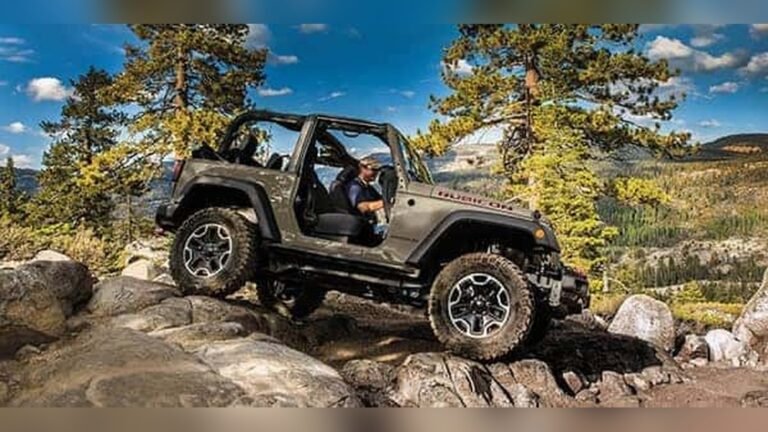
The Jeep Wrangler is known for its rugged design and off-road capabilities. Many owners wonder how long these vehicles last under normal use. Understanding the Jeep Wrangler lifespan helps buyers set realistic expectations. This section breaks down the average mileage and years of reliable use you can expect from a Jeep Wrangler.
Average Mileage Expectancy
Jeep Wranglers typically last between 150,000 and 200,000 miles. With regular maintenance, some models reach beyond 200,000 miles. Proper care includes oil changes, brake checks, and suspension inspections. Off-road use can lower the vehicle’s overall mileage. Driving mostly on paved roads usually extends the lifespan. Engine and transmission quality also affect how far a Wrangler will go. Overall, a well-maintained Jeep Wrangler can provide many miles of dependable service.
Years Of Reliable Use
On average, Jeep Wranglers serve owners reliably for 10 to 15 years. This lifespan varies based on driving habits and maintenance routines. Wranglers used mainly for commuting last longer than those used heavily off-road. Rust and corrosion may shorten the vehicle’s life in harsh climates. Timely repairs and part replacements boost reliability. Many Jeep owners keep their vehicles running well beyond 15 years. Regular inspections help catch issues early and keep the Wrangler roadworthy for many years.

Credit: www.simivalleychryslerdodgejeepram.com
Model Year Reliability
The reliability of Jeep Wrangler models varies significantly by year. Some model years have gained a reputation for frequent problems. Others stand out for their durability and solid performance over time. Understanding which years to avoid or prefer helps in making a smart purchase. It also gives a clearer idea of how long a Jeep Wrangler can last depending on its model year.
Problematic Years To Avoid
Certain model years of Jeep Wranglers come with known issues. The 2007 and 2008 models had many recalls, especially for airbags and brakes. Fuel system problems, like gas spilling during fill-ups, were common too. The 2010 model introduced a new engine but suffered from defective cylinder heads. Transmission troubles also affected this year. Early JK generation models often had steering and electrical issues. These problems reduce the vehicle’s lifespan and increase repair costs.
Best Years For Durability
Some Jeep Wranglers have proven to be more reliable. Models from 2013 to 2018, part of the JK and early JL generations, generally show better durability. These years improved on engine performance and fixed many previous defects. Electrical systems became more stable, and steering issues were less frequent. Owners report fewer major repairs and longer-lasting components in these models. Proper maintenance further extends their lifespan, making them a smart choice for long-term use.
Common Mechanical Issues
Jeep Wranglers are known for their ruggedness and off-road capability. Despite this, they face some common mechanical issues. These problems can affect their lifespan and performance. Understanding these issues helps owners keep their Jeep running longer.
Death Wobble And Suspension
Death wobble is a shaking issue that affects many Jeep Wranglers, especially JK models. It happens when the front wheels start to shake uncontrollably after hitting a bump. This problem often links to worn suspension parts like tie rods, ball joints, or track bars. Fixing or upgrading these parts can reduce the wobble and improve driving safety.
Engine And Transmission Concerns
Some Jeep Wranglers, mainly models from 2007 to 2012, have reported engine and transmission problems. Issues include defective cylinder heads and transmission slipping. These problems cause rough performance and may need costly repairs. Regular maintenance and timely repairs help keep the engine and transmission healthy.
Electrical System Flaws
Electrical issues are common in several Jeep Wrangler years. Owners often experience faulty sensors, dashboard warning lights, and lighting malfunctions. These flaws can lead to poor vehicle performance or safety risks. Checking the electrical system regularly and replacing bad components ensures the Jeep runs smoothly.
Impact Of Usage On Longevity
The way you use a Jeep Wrangler plays a big role in how long it lasts. Wranglers are built tough but different types of driving cause different wear and tear. Some use their Jeep mainly on city roads. Others take it off-road on rough trails. Each type of use affects the vehicle’s lifespan in unique ways. Understanding these impacts helps owners care for their Jeep better and keep it running longer.
Off-road Vs Daily Driving
Off-road driving tests the Jeep’s suspension, tires, and undercarriage more than regular driving. Rocks, mud, and water can cause damage or speed up wear. This can shorten parts’ life if the Jeep is not maintained well. Daily driving on paved roads is gentler on the vehicle. It usually means less damage to the body and mechanical parts. Still, city driving with heavy traffic can cause engine and brake wear.
Regular cleaning after off-road trips helps reduce rust and dirt buildup. Checking suspension and tires often keeps the Jeep safe and reliable. For daily drivers, regular oil changes and brake checks are key to long life.
Effect Of Modifications
Many Jeep owners add parts like lift kits, bigger tires, or stronger bumpers. These modifications can improve off-road ability but may stress the vehicle in other ways. Larger tires can change how the transmission and brakes work. Lift kits might affect steering and suspension alignment. Poorly done modifications can lead to faster wear or safety risks.
Proper installation and choosing quality parts matter a lot. Owners should also adjust maintenance routines to match their Jeep’s new setup. Monitoring changes in handling or unusual noises helps spot issues early. Thoughtful modifications can add value and fun without sacrificing longevity.
Rust And Corrosion Risks
Rust and corrosion pose serious threats to Jeep Wranglers’ lifespan. These risks increase with exposure to harsh environments. Moisture, salt, and dirt accelerate metal decay. Rust can weaken the frame and body parts. Corrosion affects the vehicle’s safety and value. Understanding these risks helps owners protect their Jeep Wrangler better.
Winter And Salt Exposure
Winter conditions raise rust risks for Jeep Wranglers. Salt used on roads speeds up metal corrosion. Salt sticks to the undercarriage and wheel wells. Moisture combined with salt creates ideal conditions for rust. Wranglers driven in snowy areas need extra care. Rust can develop quickly if salt is not removed. The frame and brake lines are most vulnerable. Regular checks during and after winter are essential.
Preventive Measures
Cleaning your Jeep regularly reduces rust risk. Washing the undercarriage removes salt and dirt. Applying rust-proof coatings adds a protective layer. Inspecting the vehicle often helps catch rust early. Touching up paint chips prevents corrosion spots. Keeping drains and seals clear stops water buildup. Store your Wrangler in a dry place when possible. These simple steps extend your Jeep’s life.
Maintenance Tips For Durability
Keeping a Jeep Wrangler running strong for many years takes regular care and attention. Maintenance plays a key role in extending its life. Simple habits help avoid bigger problems later. Focus on basic upkeep to keep your Wrangler durable and reliable.
Every Jeep Wrangler owner should develop a good maintenance routine. Checking parts and fixing issues early saves money. It also ensures your vehicle stays safe on the road and trail. Below are essential maintenance tips for lasting Jeep Wrangler performance.
Routine Inspections
Frequent inspections catch small issues before they grow. Check tires for wear and proper pressure often. Look for leaks under the vehicle, which can signal fluid problems. Inspect brakes regularly to ensure they respond well and wear evenly. Examine suspension parts for damage, especially after off-road use. Don’t forget to check lights and signals for full functionality. Early detection means fewer repairs and better durability.
Proper Repairs And Upgrades
Use quality parts for all repairs to keep your Jeep reliable. Avoid cheap replacements that wear out quickly or cause more damage. When upgrading, choose parts that match your vehicle’s needs and use. Upgrade to stronger suspension components if you drive off-road often. Replace worn-out bushings, bearings, and seals promptly to prevent damage. Proper repairs and smart upgrades help your Wrangler last longer and perform better.
Jeep Wrangler In Texas Conditions
The Jeep Wrangler is a popular vehicle in Texas. Its rugged build suits many outdoor activities. Texas has unique weather and road conditions. These factors affect how long a Wrangler lasts here.
Understanding Texas conditions helps Jeep owners maintain their vehicles better. This section breaks down key impacts and maintenance tips.
Climate Impact On Longevity
Texas heat can be intense and long-lasting. High temperatures put stress on the engine and cooling system. Overheating risks rise during summer months. Sun exposure may fade paint and weaken rubber parts. Dust storms are common and can clog air filters quickly. Humidity varies but can cause rust in some areas. Coastal regions face salty air that accelerates corrosion. Wranglers driven in these zones need extra rust protection. Overall, climate challenges make regular checks essential for lasting performance.
Local Maintenance Considerations
Texas roads range from smooth highways to rough dirt trails. This variety demands more frequent tire and suspension inspections. Off-road use can wear out shocks and bushings faster. Regular oil changes help combat dust and heat effects on the engine. Brake pads may wear unevenly due to stop-and-go city traffic. Finding a mechanic familiar with Jeep Wranglers ensures proper care. Using parts made for harsh conditions improves reliability. Staying ahead with maintenance extends the life of a Wrangler in Texas.

Credit: www.copilotsearch.com
Buying A Used Wrangler
Buying a used Jeep Wrangler can be a smart choice for adventure lovers. These vehicles are built tough and can last many years. But used Wranglers vary a lot in condition. Careful checks help avoid costly repairs later. Focus on mileage, past changes, and service history before buying.
Mileage Benchmarks
Mileage shows how much a Jeep has been driven. Wranglers with less than 100,000 miles usually have plenty of life left. Over 150,000 miles means more wear, but many still run well. High mileage Wranglers need extra checks for engine and transmission health. Mileage alone does not tell the whole story.
Checking For Modifications
Many owners add off-road parts to Wranglers. Lift kits, big tires, and winches are common. These changes can stress the vehicle if done poorly. Look for professional installation and quality parts. Improper mods may cause suspension or drivetrain problems later. A clean, mostly stock Wrangler often needs less repair.
Evaluating Past Maintenance
Service records reveal how well a Jeep was cared for. Regular oil changes, brake work, and fluid checks keep a Wrangler healthy. Ask for receipts or a maintenance log. Avoid Wranglers with gaps in service history. A well-maintained Jeep is more likely to last many years without trouble.
Frequently Asked Questions
Are Jeep Wranglers Reliable After 100k?
Jeep Wranglers remain reliable after 100k miles with proper maintenance and care. Avoid models with known issues. Regular rust checks and correct off-road modifications enhance longevity.
Do Jeeps Last As Long As Toyotas?
Jeeps can last over 200,000 miles with proper care but generally have more issues than Toyotas. Toyotas often offer longer, more reliable lifespans. Regular maintenance and gentle use extend both brands’ durability.
Can A Jeep Last 300k Miles?
Yes, a Jeep can last 300k miles with regular maintenance, proper care, and timely repairs.
What Year Do Jeep Wranglers Stay Away From?
Avoid Jeep Wranglers from 2007 to 2012, especially 2007-2008 and 2010 models, due to recalls and engine issues.
Conclusion
Jeep Wranglers can last many years with proper care and maintenance. Regular checks for rust and mechanical issues help extend lifespan. Avoiding harsh off-road use preserves key components longer. Some model years have more problems, so research before buying. A well-maintained Wrangler often drives reliably past 200,000 miles.
This durability makes it a popular choice for adventure lovers. Taking simple steps keeps your Jeep running smoothly. Longevity depends on how you treat the vehicle over time.