How to Securely Tie Kayak to Jeep Wrangler Easy Steps: Quick & Safe Guide
 Reading Time: 9 minutes
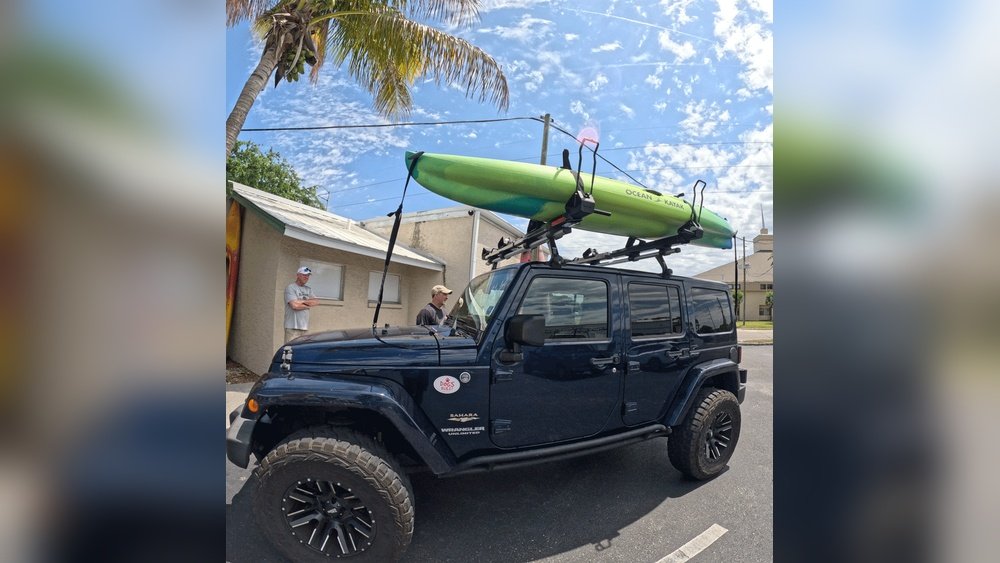
 If you own a Jeep Wrangler and love kayaking, you know how important it is to transport your kayak safely and securely. But tying a kayak to your Jeep might feel tricky if you’re not sure where to start.
You want your kayak to stay put on every twist and turn, without damaging your vehicle or risking a dangerous fall. That’s why learning the easy steps to securely tie your kayak to your Jeep Wrangler is a must. In this guide, you’ll discover simple, practical tips to protect your gear and your Jeep—so you can focus on the adventure ahead with total peace of mind.
Keep reading to master the best way to strap down your kayak without hassle or worry.

Credit: www.youtube.com
Preparing Your Jeep
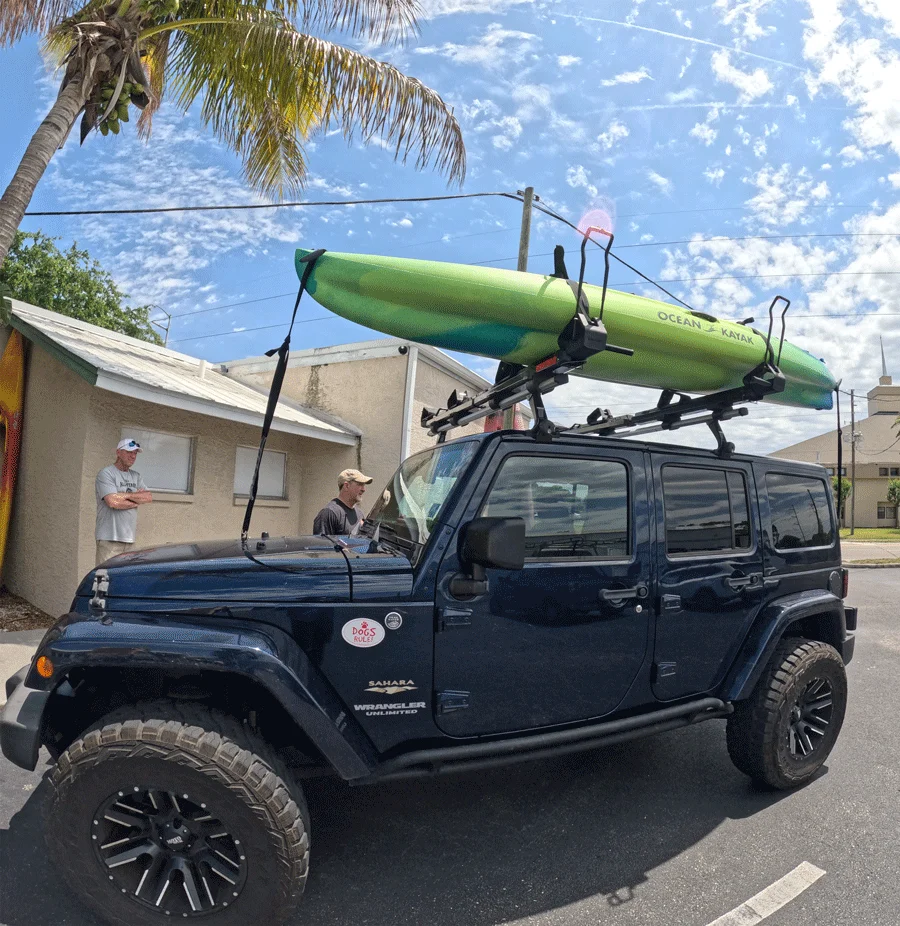
Preparing your Jeep Wrangler is the first step to secure your kayak safely. A well-prepared vehicle makes tying down easier and protects both your Jeep and kayak during travel. Focus on setting up the right equipment and protecting your vehicle’s roof. This will ensure a smooth and safe kayaking adventure.
Choosing The Right Crossbars
Select crossbars that fit your Jeep Wrangler model perfectly. They should support the weight of your kayak without bending. Look for durable materials like aluminum or steel. Crossbars with a textured surface help keep the kayak from sliding. Always check the weight limit to avoid damage or accidents.
Removing Or Installing Roof Racks
Some Jeep Wranglers come without roof racks, so you may need to install them. Follow the manufacturer’s instructions carefully for a secure fit. If your Jeep already has roof racks, check their condition before use. Remove any damaged parts or loose fittings. Proper installation or removal prevents damage to your vehicle and kayak.
Protecting Your Jeep’s Roof
Use foam pads or pool noodles to protect the roof from scratches. Place them where the kayak will rest. These cushions absorb pressure and prevent paint damage. Wrap the crossbars with soft material if needed. This extra layer keeps your Jeep looking new and avoids costly repairs.
Credit: ospreybay.com
Selecting Kayak Tie-down Gear
Choosing the right kayak tie-down gear is crucial for a safe trip. Proper gear keeps your kayak steady on your Jeep Wrangler. It prevents damage to both the kayak and your vehicle. Good tie-down gear also stops the kayak from moving during travel. Here are some key gear types and tips to consider.
Types Of Straps And Ropes
Straps and ropes come in many styles and materials. Ratchet straps offer strong hold and easy adjustment. Cam straps are simple and light, perfect for quick trips. Nylon ropes are durable but need knots to secure. Avoid elastic cords as they can stretch and loosen.
Using Padding To Prevent Damage
Padding protects your kayak and Jeep from scratches. Foam blocks, pool noodles, or soft cloth work well. Place padding between the kayak and roof or crossbars. This spreads pressure evenly and stops rubbing. Padding also reduces noise from vibrations while driving.
Locking Mechanisms For Security
Locking devices add extra safety from theft. Use locks designed for straps or cables. These locks keep your kayak secure when parked. Choose weather-resistant locks for outdoor durability. Always double-check locks before starting your journey.
Positioning The Kayak
Positioning the kayak correctly on your Jeep Wrangler is vital for safe transport. It prevents damage to the kayak and your vehicle. Proper placement also keeps the kayak stable during travel. Follow these easy steps to position your kayak securely and with care.
Optimal Kayak Orientation
Place the kayak with the hull facing down. This reduces wind resistance and protects the kayak’s shape. Align the kayak’s bow facing forward, matching your Jeep’s direction. This position improves balance and safety on the road. Make sure the kayak sits flat and even on the roof.
Aligning With Crossbars
Center the kayak between the Jeep’s crossbars. This distributes the weight evenly and avoids stress on one side. The kayak’s center should match the midpoint of the crossbars. Check that the kayak does not extend too far past the front or rear of the vehicle. Proper alignment helps keep the kayak steady during the drive.
Using Foam Blocks Or Pool Noodles
Place foam blocks or pool noodles on the crossbars before setting the kayak down. These soft pads protect both the kayak and Jeep’s roof from scratches. They also add grip to prevent slipping. Secure the foam blocks tightly so they do not move while driving. This simple step adds extra safety and cushioning.
Securing The Kayak To The Jeep
Securing the kayak to your Jeep Wrangler needs care and attention. Proper tying keeps the kayak safe and prevents damage. Follow simple steps to tie the kayak firmly and avoid movement during travel.
Running Cam Straps Over The Kayak
Place the kayak on the roof with padding underneath. Use cam straps over the widest part of the kayak. Make sure the straps lie flat and do not twist here. This holds the kayak down firmly to the roof.
Routing Straps Through Doors
Open the Jeep’s doors on each side. Route the loose ends of the cam straps inside through the doors. Close the doors carefully to avoid pinching the straps. This method adds extra security and stops the kayak from sliding.
Twisting Straps To Reduce Vibration
Twist the straps once or twice before tightening. Twisting helps reduce noise and vibration while driving. It also prevents the straps from loosening on bumpy roads. Keep the twists even and not too tight to avoid damage.
Tightening And Checking Strap Tension
Pull the cam straps tight using the buckle. Check the tension by trying to move the kayak gently. The kayak should not shift or slide. Re-tighten the straps if needed. Regularly check straps during stops on long trips.
Adding Bow And Stern Lines
Adding bow and stern lines is a crucial step to keep your kayak stable during transport. These lines prevent the kayak from shifting forward or backward. They secure the kayak to the front and rear of your Jeep Wrangler. This added security reduces movement and protects both your vehicle and kayak.
Bow and stern lines work by anchoring the kayak’s ends firmly. They create tension that holds the kayak in place against wind and road bumps. Properly tying these lines is simple and effective for safe transportation.
Attaching Front And Rear Lines
Start by locating the bow and stern handles on your kayak. Attach one end of a strong rope or strap to each handle. Run the other end towards the front or rear of your Jeep. Keep the lines tight but not overly stretched. This balance prevents damage to your kayak or vehicle.
Using The Trucker’s Hitch Knot
The trucker’s hitch knot creates strong tension easily. Loop the rope around the anchor point on your Jeep. Pull the rope through to create a pulley effect. Tighten the line firmly and secure the knot. This knot locks the rope in place, ensuring the kayak stays secure during travel.
Anchoring To Bumpers And Hood Loops
Use your Jeep Wrangler’s front bumper and rear tow hooks as anchor points. For the bow line, attach it to the front bumper or hood loops. For the stern line, use the rear bumper or tow hooks. Make sure the ropes do not rub against sharp edges. This prevents wear and keeps the lines strong.

Credit: www.gilgharda.com
Safety Checks Before Driving
Before you hit the road with your kayak tied to your Jeep Wrangler, perform key safety checks. These steps ensure your kayak stays secure during travel. Safety checks reduce risks of damage or accidents. Take time to verify everything is tight and stable. This simple routine protects your gear and others on the road.
Verifying Strap Tightness
Check each strap that holds the kayak. Pull on them to ensure they do not loosen. Tight straps keep the kayak from shifting or falling. Use ratchet straps or cam buckles for a firm hold. Adjust straps if you feel any slack.
Checking For Noise And Movement
Listen for any unusual sounds while shaking the kayak gently. Rattling or squeaking may mean straps are loose or rubbing. Watch for any movement of the kayak on the roof or rack. Secure areas causing noise to avoid distractions while driving.
Securing Loose Ends
Tie off or tuck loose strap ends to prevent flapping. Loose straps can catch wind and weaken the hold. Use strap keepers or simple knots to hold excess length. This step also stops straps from hitting your Jeep or other vehicles.
Transporting Without Roof Racks
Transporting a kayak without roof racks on a Jeep Wrangler requires careful preparation. The key is to secure the kayak firmly while protecting both the vehicle and the kayak. This method works well for short trips or when roof racks are unavailable. It involves using the vehicle’s doors, adding padding, and stabilizing the kayak with extra lines.
Using Door-through Strapping Method
Open the Jeep’s doors on both sides. Place the kayak on the roof, centered and aligned. Run strong cam straps over the kayak. Pass the straps inside the vehicle through the open doors. Close the doors carefully to hold the straps tight. Tighten the straps slowly to avoid damage. This method uses the vehicle’s frame for strong support. It keeps the kayak secure during transit.
Padding Placement Without Racks
Place soft padding on the roof before setting the kayak. Use pool noodles or foam blocks to avoid scratches. Position padding under the kayak’s hull and edges. This protects the Jeep’s paint and prevents slipping. Ensure padding stays in place when tightening straps. Proper padding reduces pressure points and damage risks. It cushions both the kayak and vehicle.
Stabilizing With Additional Lines
Tie bow and stern lines from the kayak handles. Attach these lines to the Jeep’s front and rear bumpers. This prevents the kayak from moving forward or backward. Use strong ropes or straps for better hold. Twist straps slightly to reduce noise and vibration. Check all lines before driving. Extra lines improve safety and stability during transport.
Frequently Asked Questions
Can You Strap A Kayak To A Jeep Wrangler?
Yes, you can strap a kayak to a Jeep Wrangler using roof crossbars or door straps with padding. Secure tightly with cam straps and add bow and stern lines for stability. Use locking J-hooks to prevent theft and protect your vehicle’s paint with foam padding.
How To Secure Kayaks Without A Roof Rack?
Place padding like pool noodles or foam blocks on your car roof. Lay the kayak on top. Thread cam straps over the kayak and through open doors. Twist straps to reduce noise and tighten securely. Attach bow and stern lines to bumpers for added stability.
Check straps often.
How To Secure Kayaks To J Racks?
Place the kayak on J racks with padding to protect it. Use cam straps to secure the kayak through the rack hooks. Tighten straps firmly to prevent movement. Attach bow and stern lines to your vehicle for extra stability. Check all straps before driving.
How To Tie Down A Kayak To The Front Of A Car?
Place padding on your car roof to protect paint. Position the kayak on the padding. Run cam straps over the kayak through open car doors. Twist straps to prevent vibration. Tighten straps securely and close doors carefully. Attach bow and stern lines to bumpers for added stability.
Conclusion
Securing your kayak to a Jeep Wrangler is simple with the right steps. Use soft padding to protect your Jeep’s roof and kayak. Tighten straps firmly, avoiding slack or loose ends. Check all knots and straps before every trip. This keeps your kayak stable and safe on any road.
Following these easy tips helps you enjoy your adventure without worry. Drive confidently, knowing your kayak stays secure on your Jeep Wrangler.