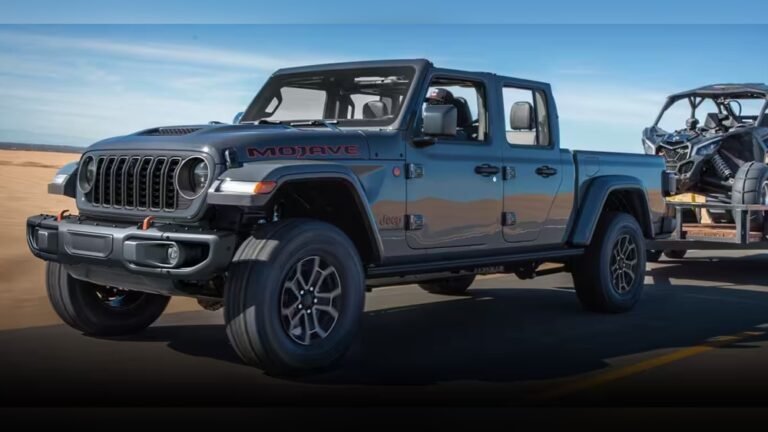

Jeep 20 Vs 36 Unleashing the Power: Ultimate Off-Road Showdown
 Reading Time: 10 minutes
 When it comes to Jeep performance, you want to know which option truly unleashes the power. The Jeep 20 Vs 36 comparison dives deep into what sets these two apart and how each can transform your driving experience.
Whether you’re aiming for rugged off-road adventures or reliable daily driving, understanding the strengths behind these numbers can make all the difference. Ready to discover which Jeep version puts more muscle under your hood and matches your style? Keep reading to unlock the secrets that can elevate your ride to the next level.
Jeep 20 Vs 36 Basics
The Jeep 20 and Jeep 36 represent two different setups for Jeep enthusiasts. Each has unique features that affect driving experience and vehicle performance. Understanding the basics helps drivers choose the right option for their needs.
These setups differ mainly in their gear ratios and how power is delivered to the wheels. Knowing these differences can improve off-road performance and on-road control. This section breaks down the basics of Jeep 20 and Jeep 36.
Key Differences
The Jeep 20 uses a 20-tooth gear, while the Jeep 36 features a 36-tooth gear. This change in gear size affects the vehicle’s final drive ratio. The Jeep 36 provides a higher gear ratio, which changes torque and speed.
Jeep 20 setups usually offer quicker acceleration but less torque. Jeep 36 setups deliver more torque but may reduce top speed. These differences impact fuel efficiency and handling as well.
Engine Power Comparison
The engine power remains the same in both setups, but gear ratios influence power delivery. Jeep 20 allows for faster gear shifts and quicker response. Jeep 36 increases the power sent to the wheels, improving climbing ability.
Jeep 36 is better suited for tough terrains where engine power needs to be maximized. Jeep 20 fits better for everyday driving and lighter off-road use. Matching the setup to the engine helps balance power and efficiency.
Torque And Performance
Jeep 36 delivers higher torque at lower speeds, improving off-road control. This setup helps in crawling over rocks and steep hills with ease. Jeep 20 provides less torque but smoother highway driving.
Torque gains in Jeep 36 improve towing and hauling capabilities. Jeep 20 favors speed and agility over raw pulling power. Choosing the right torque setup depends on driving style and terrain needs.
Off-road Capabilities
The Jeep 20 and 36 models stand out in off-road driving. Both offer strong features designed for rough trails. These vehicles handle dirt, rocks, and mud with ease. Their off-road capabilities make them favorites for adventure seekers and outdoor lovers.
Understanding their performance helps choose the right Jeep for your needs. The discussion covers trail performance, suspension, ground clearance, and handling tough terrains. Each aspect shows how Jeep 20 and 36 meet off-road challenges.
Trail Performance
The Jeep 20 delivers solid power on trails. Its engine and torque provide steady control on steep paths. The Jeep 36 offers more power, suited for difficult climbs and fast maneuvers. Both models have excellent traction systems that grip slippery or loose surfaces well.
They handle mud, rocks, and sand without losing speed. Trail performance depends on grip, power, and control, all strong in these Jeeps. Drivers feel confident tackling rough paths with either model.
Suspension And Ground Clearance
Suspension plays a key role in off-road comfort and control. Jeep 20 has a durable suspension system that absorbs bumps and shocks. Jeep 36’s suspension is more advanced, offering better stability on uneven surfaces.
Ground clearance is higher in Jeep 36, helping clear obstacles like rocks and tree roots. Jeep 20 has enough clearance for most trails but may struggle on extreme terrain. Both vehicles protect the undercarriage from damage during off-road trips.
Handling Tough Terrains
Jeep 20 handles tough terrains with good balance and steering. It performs well on rocky and muddy paths, maintaining traction and control. Jeep 36 excels in harsh conditions, thanks to its stronger engine and improved drivetrain.
Both models use four-wheel drive systems that adjust power to each wheel. This system prevents slipping and helps climb steep hills. Drivers can trust these Jeeps to navigate through forests, deserts, and mountain trails safely.
Design And Build
The Jeep 20 and 36 models showcase strong design and build qualities. These vehicles combine rugged style with functional engineering. Each model offers unique features suited for different needs. Understanding their design helps buyers choose the right Jeep for their adventures.
Exterior Features
The Jeep 20 has a compact, tough look. Its sharp lines and bold grille create a strong presence. The 36 model appears larger and more aggressive. It includes extra lighting and wider tires. Both models have removable tops for open-air driving. The durable bumpers protect the vehicle on rough trails. Each Jeep has high ground clearance for off-road use.
Interior Comfort And Tech
The interior of Jeep 20 is simple but comfortable. It offers easy-to-use controls and durable seats. The Jeep 36 adds more space and upgraded materials. It includes advanced technology like touchscreen displays and smartphone integration. Both models provide good visibility and practical storage. Climate control keeps passengers comfortable in all weather. The cabin design focuses on convenience and durability.
Durability And Materials
Jeep builds both models with tough materials. The frames use high-strength steel to resist impacts. Exterior panels have rust-resistant coatings for long life. Inside, wear-resistant fabrics withstand heavy use. The suspension systems absorb shocks on rough roads. Sealed electrical components protect against water and dust. These features make the Jeep 20 and 36 reliable for harsh conditions.
Credit: www.quadratec.com
Fuel Efficiency And Range
Fuel efficiency and range are key factors for Jeep owners. They affect daily drives and long adventures. Comparing Jeep 20 and Jeep 36 helps understand their real-world performance. Both models offer different fuel economy and tank sizes, impacting how far you can go without refueling. Let’s explore these aspects in detail.
Fuel Economy Ratings
Jeep 20 delivers moderate fuel economy, suited for city and light off-road use. Jeep 36, with a larger engine, consumes more fuel but offers better power. The ratings show Jeep 20 gets about 22 miles per gallon. Jeep 36 averages closer to 18 miles per gallon. These numbers vary by driving style and terrain.
Fuel Tank Capacity
Jeep 20 features a fuel tank with roughly 15 gallons capacity. Jeep 36 holds a larger tank, around 20 gallons. The bigger tank supports longer trips without stopping. This extra fuel capacity offsets Jeep 36’s higher consumption. It means fewer fuel stops on the road for Jeep 36 drivers.
Impact On Long Trips
Jeep 20 suits shorter trips and urban driving, thanks to its fuel efficiency. Jeep 36 works better for long trips and rugged terrain, thanks to its bigger tank and power. Drivers of Jeep 36 enjoy extended range but spend more on fuel. Planning refuel stops is easier with Jeep 36’s larger tank. Both vehicles meet different needs for fuel and range.
Safety And Reliability
Safety and reliability remain top priorities for Jeep enthusiasts. Whether driving the Jeep 20 or Jeep 36, understanding potential risks and vehicle dependability is essential. Knowing common problems and legal matters helps owners make informed decisions. Real owner feedback also reveals how these vehicles perform on the road and in daily use.
Common Issues And Recalls
Many Jeep models, including Jeep 20 and Jeep 36, have faced some issues. Electrical problems and engine glitches are frequently reported. Some vehicles experienced power steering pump electrical connector failures. These faults can lead to serious consequences if ignored.
Recalls address safety concerns. Jeep’s manufacturer, Stellantis, has issued recalls for various defects over time. Owners should regularly check for recalls using the vehicle identification number (VIN). Staying updated prevents accidents and costly repairs.
Fire Risk And Lawsuit Overview
A significant fire risk has caused concern among Jeep owners. The power steering pump connector may overheat and spark fires. These fires sometimes occur even when the vehicle is off. The National Highway Traffic Safety Administration (NHTSA) is investigating this defect.
A class-action lawsuit accuses Stellantis of hiding this issue. Plaintiffs claim the company knew about the problem but did not warn buyers. The lawsuit mentions multiple fire incidents, including injuries and one death. Legal firms are representing affected owners, seeking compensation for damages.
Owner Experiences
Owners report mixed experiences regarding safety and reliability. Some praise Jeep’s rugged design and performance. Others share stories of electrical failures and unexpected fires. Many express frustration with delayed repairs and lack of clear communication.
Despite these issues, many Jeep owners remain loyal. They often highlight the brand’s off-road capabilities and strong community. Still, staying informed about safety updates and recalls is crucial for all Jeep drivers.

Credit: skyhighcaraudio.com
Price And Value
Understanding the price and value of the Jeep 20 and Jeep 36 is key for buyers. Both models offer unique features and performance levels. It is important to see how their costs compare and what value they bring over time. This section breaks down the main financial aspects of owning these Jeeps.
Cost Comparison
The Jeep 20 generally costs less upfront than the Jeep 36. The base price of the Jeep 20 suits buyers on a tighter budget. Jeep 36 comes with advanced features, raising its price. Choosing depends on what fits your needs and wallet. Optional packages can increase the price for either model. Pricing varies by dealer and region as well.
Resale Value
Jeep vehicles tend to hold value well over the years. The Jeep 36 often has higher resale value due to its premium features. Jeep 20 resale value remains strong, especially if well maintained. Limited editions or special trims can boost resale prices for both models. Regular upkeep and low mileage increase resale potential. Buyers should consider resale value as part of overall ownership cost.
Ownership Costs
Maintenance and repairs impact overall ownership costs. Jeep 20 usually has lower repair costs because of simpler parts. Jeep 36 may need more expensive service due to advanced technology. Fuel economy varies but is fairly close between the two models. Insurance rates can differ based on model value and coverage. Budgeting for regular service keeps both models running smoothly. Understanding these costs helps plan for long-term expenses.
Customization And Upgrades
Customization and upgrades allow Jeep enthusiasts to tailor their vehicles to personal needs and style. These changes improve performance, comfort, and appearance. Upgrading parts can also enhance off-road capabilities and driving experience. Jeep 20 and 36 models offer many options for modification. Owners can choose from a wide range of aftermarket parts and accessories.
Aftermarket Options
Aftermarket parts provide more choices beyond factory equipment. Owners can replace stock wheels with stronger, lighter ones. Suspension kits improve ride height and handling on rough terrain. Lighting upgrades increase visibility during night drives. Interior accessories boost comfort and convenience. Many companies specialize in Jeep-specific aftermarket products. These parts often fit perfectly and are easy to install.
Performance Enhancements
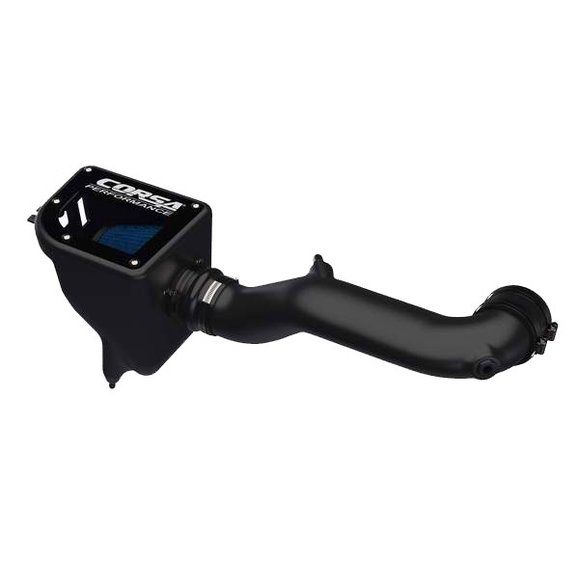
Performance upgrades help Jeep vehicles handle tough trails better. Installing a cold air intake improves engine breathing and power. Exhaust systems can increase horsepower and create a deeper sound. Tuners and programmers adjust engine settings for better fuel efficiency and torque. Upgraded brakes provide safer stopping power on steep hills. Performance tires enhance traction on mud, rocks, and sand.
Aesthetic Modifications
Aesthetic changes let owners express their personality through their Jeep. Custom paint jobs and decals add unique looks. Fender flares protect the body and give a rugged style. Roof racks and bumpers increase utility and visual appeal. Interior lighting kits create an inviting cabin atmosphere. Seat covers and floor mats keep the interior clean and stylish. These modifications make each Jeep one of a kind.
Which Jeep Fits You
Choosing the right Jeep depends on your needs and driving style. Both Jeep 20 and Jeep 36 offer unique features. Understanding which model fits you helps make a smart choice. Consider your daily use, terrain, and long-term plans. This guide breaks down the best options for different drivers.
Each Jeep model suits specific tasks and lifestyles. Knowing the best use cases and model years ensures reliability. Avoiding problematic models saves money and frustration. Let’s explore how to pick the Jeep that matches your needs perfectly.
Best Use Cases
Jeep 20 suits city driving and light off-road trails. It is easier to handle and more fuel-efficient. Ideal for daily commutes and weekend trips. Jeep 36 excels in tough off-road conditions. It has stronger suspension and more ground clearance. Perfect for serious adventurers and rough terrains. Think about where you will drive most often.
Model Year Recommendations
Newer Jeep 20 models offer improved technology and safety features. Models from 2018 and later have better fuel economy. Jeep 36 models from 2016 and newer provide enhanced off-road capabilities. These years also show fewer mechanical issues. Choose recent model years for better performance and comfort.
Avoiding Problematic Models
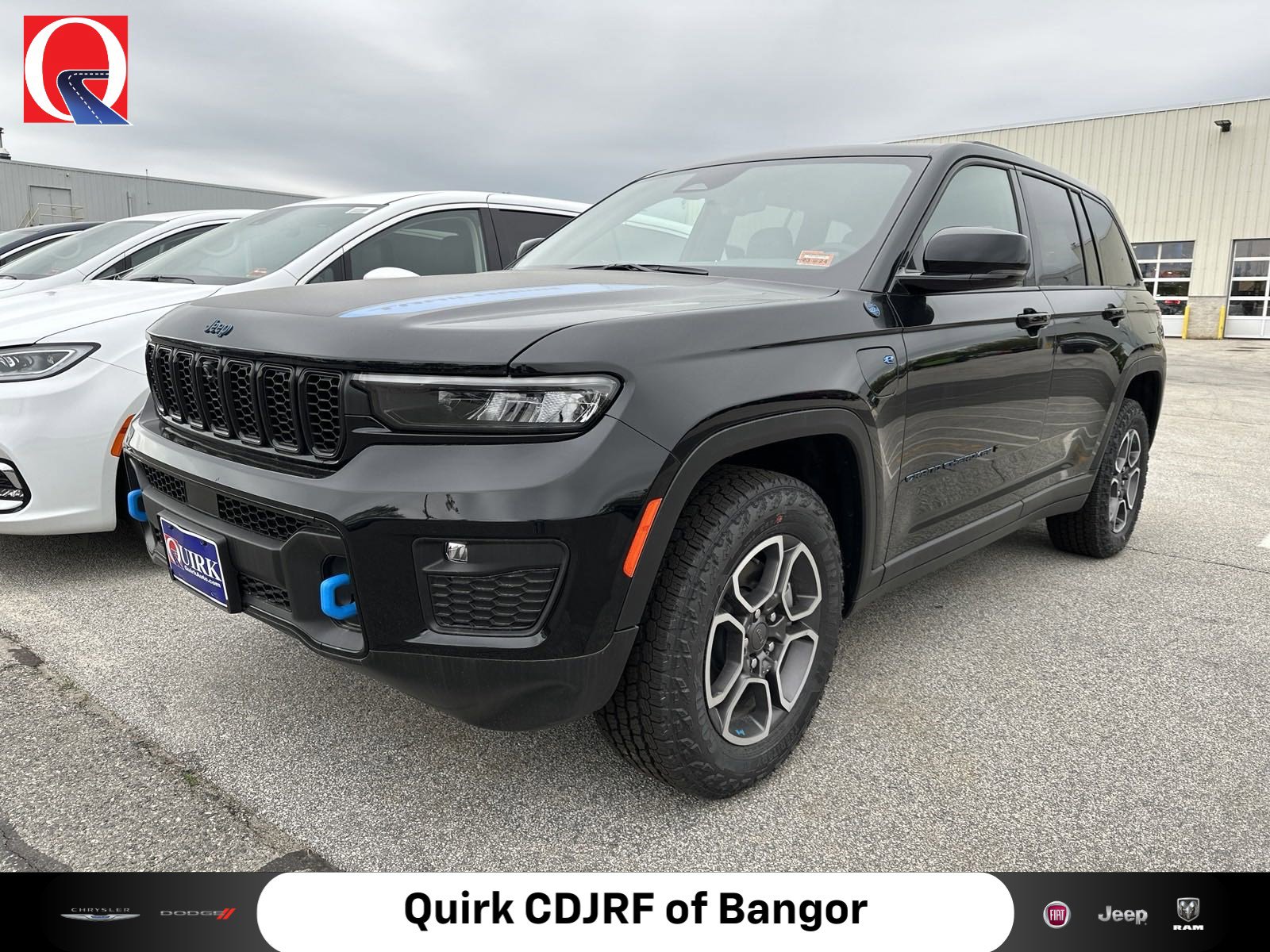
Some Jeep models have known defects or recall history. Avoid Jeep 20 models before 2015 due to transmission concerns. Jeep 36 models from 2014 to 2015 may have electrical system problems. Check official recall lists before purchasing. Research owner reviews to spot common issues early.
Credit: www.quirkchryslerjeepdodgeofbangor.com
Frequently Asked Questions
Where Is The Secret Compartment On The Jeep Wrangler?
The Jeep Wrangler’s secret compartment is behind the rear tail light or under the rear seats. It’s ideal for small item storage.
What Is The Lawsuit Against The Jeep Gladiator?
The Jeep Gladiator lawsuit alleges defective power steering pump connectors cause spontaneous fires. Plaintiffs claim Jeep knew but failed to warn owners, risking safety. The National Highway Traffic Safety Administration (NHTSA) investigates, while law firms represent affected owners seeking compensation.
Which Jeep Wrangler To Stay Away From?
Avoid 2007-2018 Jeep Wranglers due to death wobble, water leaks, rust, and paint issues. These models have frequent reliability problems.
How Can I Increase The Power Of My Jeep Wrangler?
Upgrade your Jeep Wrangler’s power by installing a performance chip, cold air intake, exhaust system, and upgrading the suspension. Regularly tune the engine for optimal output.
Conclusion
Jeep 20 and 36 models each offer distinct strengths to explore. Choosing depends on your driving needs and terrain challenges. Both deliver solid performance and rugged reliability. Understanding their differences helps you pick the right fit. Whether for city roads or off-road trails, Jeep stands strong.
Keep safety updates in mind for worry-free adventures. Enjoy the power and freedom these Jeeps provide. Your journey with Jeep will be thrilling and safe.