Can You Put Bigger Tires on Jeep Renegade Maximize Performance With Upgraded Wheels: Ultimate Guide
 Reading Time: 11 minutes
 Are you thinking about upgrading your Jeep Renegade with bigger tires? It’s a common question among Jeep owners who want to boost performance and give their ride a more rugged look.
But can you really put bigger tires on your Renegade without running into problems? And if so, how do upgraded wheels play a role in maximizing your Jeep’s capabilities? You’ll discover the best tire sizes for your Renegade, how bigger tires affect handling and fuel economy, and what wheel upgrades you might need to unlock your Jeep’s full potential.
Read on to make the smartest choices for your Jeep and get ready to take your driving experience to the next level.
Tire Size Limits
Choosing the right tire size for your Jeep Renegade affects performance and safety. Tires that are too big can cause rubbing and damage. Understanding tire size limits helps you upgrade wisely. Below is a guide to stock tire sizes and what fits without changes.
Stock Jeep Renegade Tire Dimensions
The standard tire size for most Jeep Renegade models is 215/60R17. This means the tire width is 215 mm, the sidewall height is 60% of the width, and it fits 17-inch wheels. Some trims come with 16 or 18-inch wheels, but 17-inch is most common. This size balances comfort, fuel efficiency, and handling well.
Maximum Tire Size Without Modifications
You can fit up to 225/65R17 tires on the Jeep Renegade without major changes. This size offers a slightly taller and wider tire, improving off-road traction. Larger tires require checking for rubbing on suspension or body parts. Staying within this range avoids costly lifts or trimming. Exceeding this size often needs modifications to prevent damage.
Effects Of Larger Tires On Wheel Wells
Larger tires reduce the space inside wheel wells. This can lead to rubbing during turns or on bumps. It may cause wear on the tires and body paint. Wheel well liners might need trimming or replacement. Suspension components can also face extra stress. Careful measurement before upgrading helps maintain smooth driving and avoid repairs.
Performance Impact
Upgrading to bigger tires on your Jeep Renegade changes how the vehicle performs. These changes affect driving experience, fuel use, and control. Understanding these effects helps you decide if bigger tires suit your needs. Below are key performance impacts to consider.
Handling And Stability Changes
Bigger tires alter the Jeep’s handling. The wider contact patch improves grip on loose surfaces like dirt and gravel. This helps in off-road driving conditions. On paved roads, the larger tires may cause the steering to feel heavier. The Jeep might also respond slower in tight turns. Stability at high speeds can improve, but the risk of body roll may increase. Overall, bigger tires change the driving feel noticeably.
Fuel Efficiency Considerations
Larger tires can reduce fuel efficiency. They add weight and create more rolling resistance. The engine works harder to turn bigger wheels. This extra effort consumes more fuel. The Jeep’s speedometer may also show incorrect readings with bigger tires. Expect a slight drop in miles per gallon. Fuel costs can rise if you drive mostly on highways or city roads.
Acceleration And Braking Effects
Bigger tires affect acceleration by increasing the load on the engine. The Jeep may feel slower to reach higher speeds. This happens because the engine needs more power to move heavier tires. Braking distances might increase as well. Larger tires add extra weight and reduce the brake system’s effectiveness. Upgrading brakes can help maintain safe stopping power. These changes are important for daily driving and off-road use.
Lift Kits And Clearance
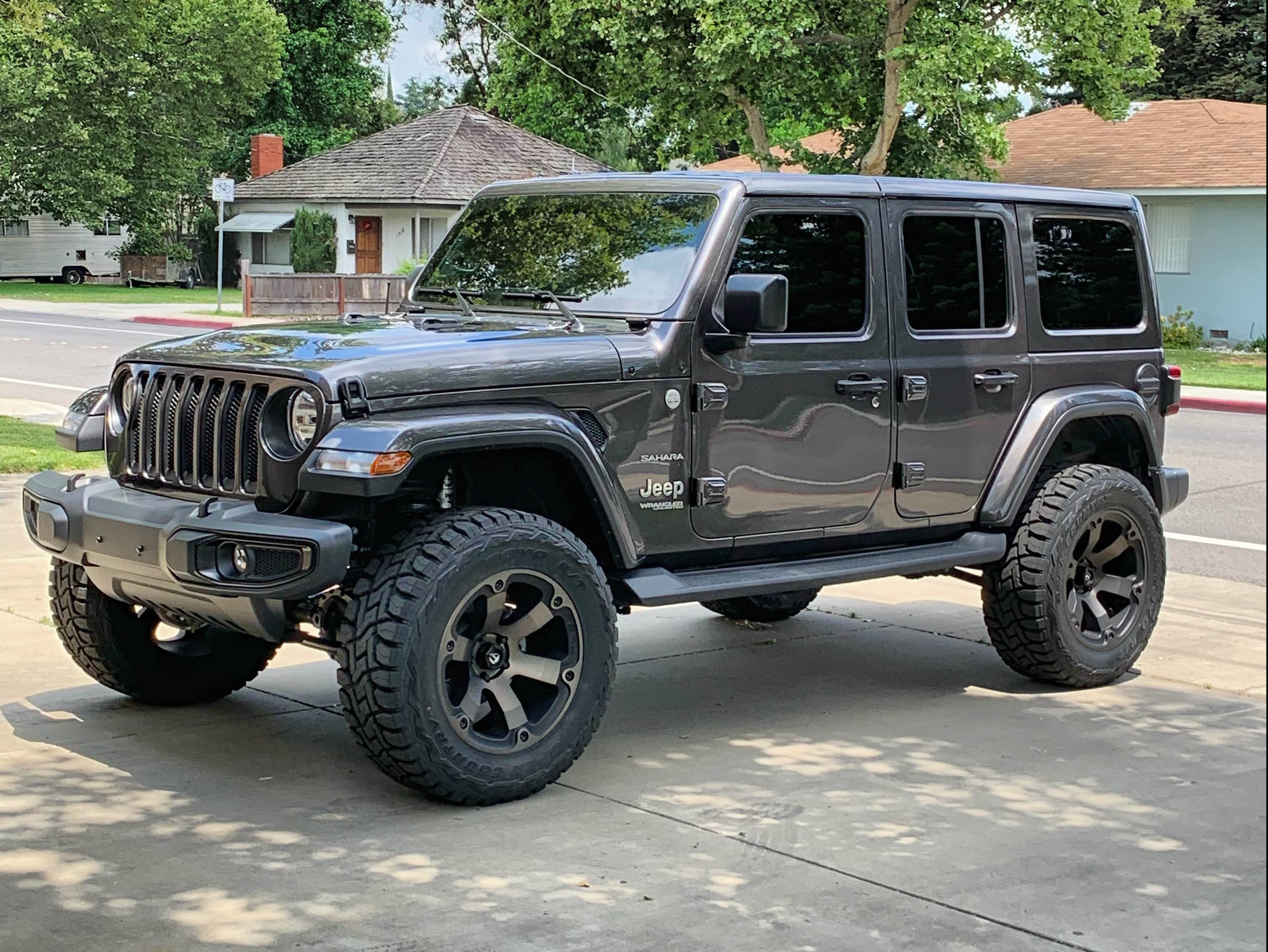
Installing bigger tires on your Jeep Renegade can improve traction and off-road ability. But bigger tires need more space. That’s where lift kits help. They raise the vehicle body and suspension. This creates extra clearance for larger wheels. Lift kits also enhance overall performance and give your Renegade a tougher look. Understanding lift kits and clearance is key to upgrading your Jeep safely and effectively.
When A Lift Kit Is Necessary
A lift kit is needed when bigger tires rub against the wheel wells. Stock clearance limits tire size to avoid damage. If tires hit suspension parts or the frame, a lift is required. Off-road driving with bigger tires also demands more ground clearance. A lift kit prevents tire rubbing during turns and rough terrain. Without it, you risk damaging tires and suspension.
Types Of Lift Kits For Renegade
There are two main types of lift kits. Suspension lift kits raise the entire suspension system. They add height and improve off-road performance. Body lift kits raise the vehicle body from the frame. This gives clearance without changing suspension. Suspension lifts are better for serious off-roading. Body lifts are easier to install and cost less. Choose the kit based on your tire size and driving style.
Installation Tips And Common Issues
Install lift kits with care to avoid problems. Always use quality parts and follow instructions. Check alignment after installation to prevent uneven tire wear. Common issues include vibration, loose bolts, and brake line stretch. Test drive slowly at first and listen for unusual sounds. Adjust or fix problems immediately to keep your Jeep safe. Professional help is recommended for complex lifts.
Credit: www.extremeterrain.com
Wheel Upgrades
Upgrading the wheels on your Jeep Renegade can boost its look and performance. Bigger tires need the right wheels to fit and work well. Choosing better wheels helps improve grip, handling, and ride comfort. It also lets you customize the style of your Renegade to match your taste.
Wheel upgrades are more than just size changes. The material and design impact strength and weight. Balancing how the wheels look and perform is key to getting the most from your Jeep.
Choosing The Right Wheel Size
Selecting the right wheel size matters for safety and performance. Wheels that are too large may cause rubbing on suspension parts. The diameter and width must match the tire size for a proper fit. Check the clearance around the wheel wells before upgrading. Sticking close to the stock size helps avoid issues with speedometer accuracy and fuel economy.
Material And Design Options
Wheel materials affect strength and weight. Steel wheels are strong and budget-friendly but heavier. Alloy wheels offer lighter weight and better heat dissipation. This improves braking and fuel efficiency. Designs vary from simple to intricate. Pick a design that fits your driving needs and personal style. Stronger materials handle off-road bumps better and last longer.
Balancing Aesthetics And Functionality
Wheels should look good and work well. Bigger wheels with low-profile tires may look sporty but reduce ride comfort. Deeper designs can trap mud or debris on trails. Smooth finishes resist dirt and are easier to clean. Consider how often you drive off-road versus city streets. Choose wheels that match your lifestyle and enhance your Jeep’s character.
Off-road Benefits
Upgrading your Jeep Renegade with bigger tires offers clear advantages for off-road adventures. Larger tires improve your vehicle’s ability to tackle challenging trails and rough terrain. They provide better control and durability in demanding conditions. These benefits enhance your off-road experience and vehicle performance.
Improved Traction And Grip
Bigger tires increase the contact area with the ground. This boost in surface area enhances traction on loose or slippery surfaces. Mud, sand, and rocks become easier to navigate. The deeper tread of larger tires grips better on uneven terrain. This reduces the risk of slipping or getting stuck off-road.
Handling Rough Terrain
Larger tires help absorb shocks from bumps and rocks. They raise the ground clearance of your Jeep Renegade. This prevents the undercarriage from hitting obstacles. Bigger tires smooth out the ride on rugged trails. They allow you to drive faster and more confidently over rough ground.
Avoiding Tire Rubbing In Off-roading
Properly chosen bigger tires fit without rubbing against suspension parts. Avoiding tire rub is crucial for safe off-road driving. It prevents damage to tires and vehicle components. Adjustments like trimming or using wider wheels may be needed. This ensures smooth tire rotation and better durability during off-road trips.
Potential Drawbacks
Upgrading to bigger tires on your Jeep Renegade can boost its look and off-road ability. Bigger tires offer more ground clearance and better traction. Still, these benefits come with some drawbacks. Understanding these issues helps you make a smart choice before upgrading.
Impact On Suspension And Axles
Bigger tires add extra weight to your Jeep. This weight stresses the suspension components and axles. Over time, this added strain can cause faster wear and tear. Your Jeep may also feel less smooth on rough roads. Suspension parts might need upgrades to handle the load properly.
Speedometer And Odometer Accuracy
Changing tire size affects how your speedometer and odometer read data. Bigger tires cover more ground per rotation. This causes your speedometer to show a slower speed than your actual speed. The odometer may record fewer miles than you really drive. Recalibrating these instruments is often needed for accuracy.
Warranty And Insurance Considerations
Installing larger tires could impact your Jeep’s warranty. Some manufacturers may deny coverage for damage linked to oversized tires. Insurance companies might also adjust your policy or rates. They may see bigger tires as a risk factor. Check with your dealer and insurer before making changes.
Tire Types For Renegade
The Jeep Renegade performs best with tires that match its driving style. Choosing the right tire type affects handling, comfort, and off-road ability. Tires differ in tread patterns and rubber compounds. These differences suit various terrains and weather conditions. Understanding tire types helps you select options that maximize your Renegade’s performance.
Different tire types offer unique benefits. Some tires excel on city roads, while others handle rough trails. Seasonal changes also call for specific tire designs. Exploring these options ensures your Renegade stays safe and efficient year-round.
All-terrain Vs Mud-terrain Tires
All-terrain tires offer a good balance for on and off-road use. They have moderate tread blocks for traction on dirt and pavement. These tires handle gravel, mud, and light snow well. Mud-terrain tires have larger, deeper tread patterns. They provide better grip in heavy mud and loose surfaces. Mud-terrain tires may be noisy and less comfortable on highways. Choose all-terrain tires for mixed driving. Pick mud-terrain tires if you mostly drive off-road.
Best Tires For Urban Use
Urban tires focus on smooth rides and fuel efficiency. Their tread patterns are less aggressive, reducing road noise. These tires perform well on dry and wet pavement. They also offer good braking and handling in city conditions. Urban tires last longer due to softer tread compounds. They are ideal if you mainly drive in the city or on highways. Upgrading your Renegade with urban tires improves daily driving comfort.
Seasonal Tire Options
Seasonal tires adapt to changing weather conditions. Summer tires provide better grip on warm, dry roads. Their rubber stays flexible in heat, enhancing cornering and braking. Winter tires use softer rubber and deeper treads. These features improve traction on snow and ice. Some drivers prefer all-season tires for year-round use. However, all-season tires compromise some performance in extreme conditions. Choose tires based on your local climate for optimal safety.
Installation And Maintenance
Installing bigger tires on your Jeep Renegade can improve its look and off-road ability. Proper installation and maintenance keep performance high. Careful attention ensures safety and tire longevity. Follow key steps to maintain your upgraded wheels in top shape.
Balancing And Alignment
Balancing new tires prevents vibrations during driving. It spreads weight evenly around the wheel. Proper alignment keeps tires straight and reduces uneven wear. After installation, get a professional balance and alignment check. This step protects suspension and steering parts. It also improves fuel efficiency and handling.
Regular Inspection And Rotation
Check tires often for damage or unusual wear. Look for cuts, bulges, or stones stuck in tread. Clean tires to avoid dirt buildup that affects performance. Rotate tires every 5,000 to 7,000 miles. Rotation spreads wear evenly across all tires. It helps tires last longer and keeps ride smooth.
Signs Of Tire Wear And Damage
Look for tread depth below 2/32 inch as a warning. Uneven tread wear can signal alignment or suspension issues. Cracks or sidewall damage can cause tire failure. Listen for unusual noises while driving. These signs mean you should check tires immediately. Replace damaged tires to stay safe on the road.
Legal And Safety Aspects
Upgrading your Jeep Renegade with bigger tires can boost performance and style. Before making changes, consider legal and safety aspects. These factors protect you and others on the road. Understanding local laws, safety needs, and insurance rules is essential.
Local Regulations On Tire Modifications
Each area has rules about tire sizes and modifications. Some places limit how much bigger your tires can be. These rules ensure your vehicle stays safe and road-legal. Check local laws before buying bigger tires. Failing to follow rules can lead to fines or failed inspections.
Safety Checks After Upgrades
After installing bigger tires, perform safety checks. Check tire clearance to avoid rubbing against the body or suspension. Make sure your speedometer reads accurately, as bigger tires can change it. Inspect brakes, as larger tires can affect stopping distance. Regularly monitor tire pressure and alignment for safe driving.
Insurance Implications
Inform your insurance company about tire upgrades. Bigger tires may change your vehicle’s risk profile. Some insurers may increase premiums or require coverage adjustments. Not reporting changes can cause claim issues after accidents. Always update your policy to reflect modifications.
Credit: www.bigislandmotors.com

Credit: www.jdpower.com
Frequently Asked Questions
How Big Of A Tire Can You Put On A Jeep Renegade?
You can fit up to 215/65R16 tires on a stock Jeep Renegade without rubbing or modifications. Larger tires require lifts.
Can You Put Bigger Tires On Stock Jeep Rims?
You can put slightly bigger tires on stock Jeep rims, but avoid sizes that cause rubbing or damage. Always check clearance and suspension limits.
What Year To Stay Away From Jeep Renegade?
Avoid Jeep Renegade models from 2015 to 2018 due to common reliability issues and frequent recalls. Later models improved.
Can I Put Bigger Tires On My Jeep Without A Lift?
You can fit slightly bigger tires on a Jeep without a lift, but expect some rubbing during turns or off-road use.
Conclusion
Bigger tires can improve your Jeep Renegade’s look and off-road ability. Choose sizes that fit without rubbing or damage. Upgraded wheels help handle added weight and stress. Remember, balance tire size with suspension and clearance. Proper upgrades boost performance and safety on tough trails.
Test fit tires before buying to avoid surprises. Enjoy better traction and a bolder stance with the right setup.