What Year Jeep Wrangler to Avoid: Top Models to Steer Clear Of Now
 Reading Time: 9 minutes
 If you’re thinking about buying a Jeep Wrangler, knowing which years to avoid can save you from costly headaches down the road. Not all Wranglers are created equal—some models have well-known issues like overheating engines, electrical glitches, and even serious safety recalls.
You want a Jeep that’s tough, reliable, and ready for adventure, not one that leaves you stuck on the side of the road. In this guide, you’ll discover the specific Wrangler years and models that have caused trouble for owners, so you can steer clear and make a smart choice.
Keep reading to find out which Wranglers to watch out for and which ones are worth your hard-earned money.
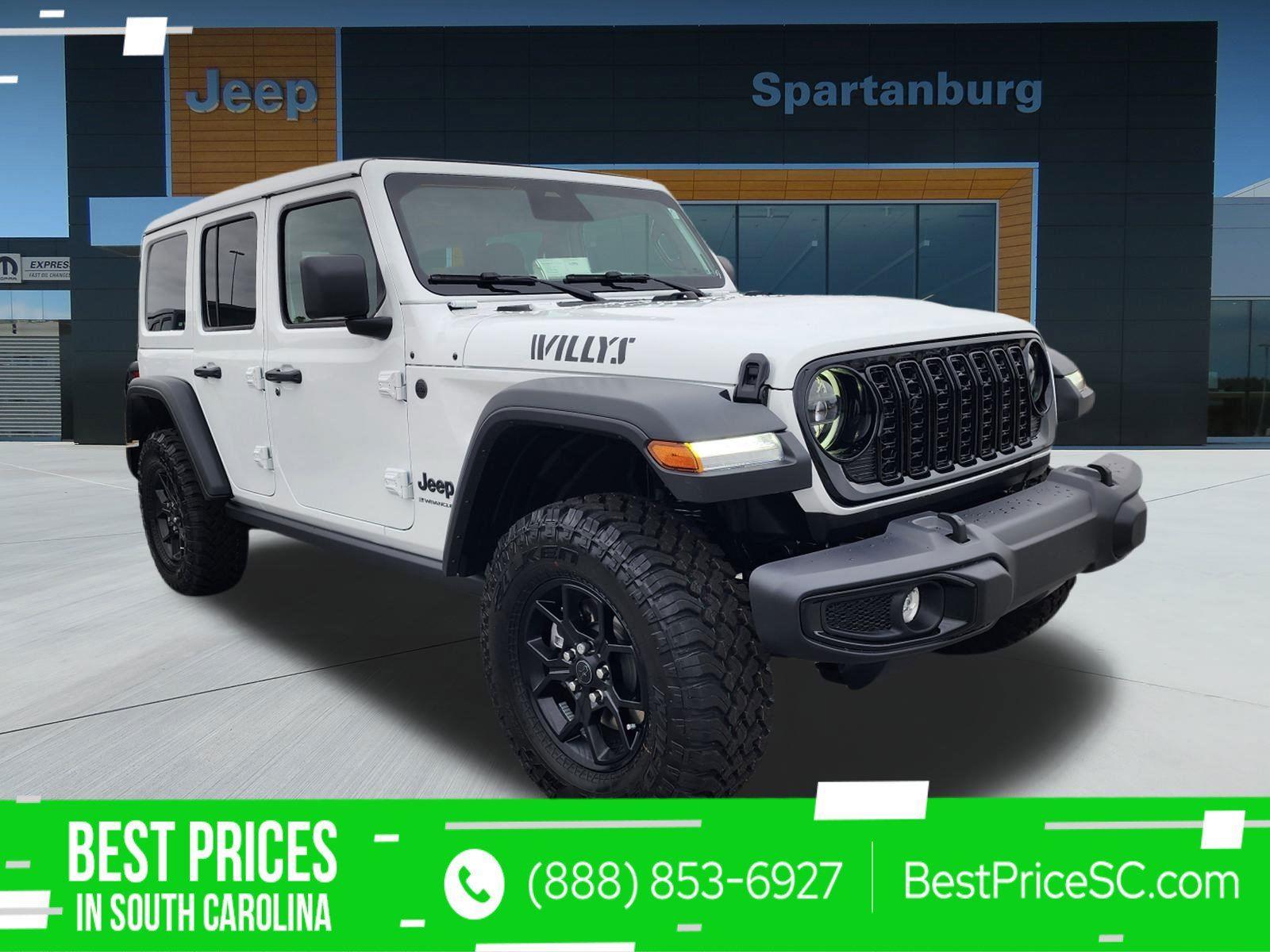
Credit: www.spartanburgchryslerdodgejeep.com
Jeep Wrangler Problem Years
The Jeep Wrangler is a popular SUV known for its rugged design and off-road capabilities. Yet, some model years carry more problems than others. Knowing these problem years helps you avoid costly repairs and safety issues.
Several Jeep Wrangler models from the late 2000s and early 2010s show recurring issues. These include engine troubles, electrical failures, and safety recalls. Understanding these problems guides buyers toward better choices.
2007-2011 Overheating And Turbo Issues
Wranglers from 2007 to 2011 often faced overheating problems. The turbocharged engines in some models were prone to failure. Overheating can cause engine damage and reduce vehicle reliability. Many owners reported frequent breakdowns and costly repairs.
Takata Airbag Defects
Several Jeep Wranglers were affected by the Takata airbag recall. Faulty airbags could explode with too much force during an accident. This defect posed a serious safety risk. Owners of these models were urged to get airbag replacements immediately.
Tipm Electrical Failures
The Totally Integrated Power Module (TIPM) controls many electrical systems in Wranglers. Some models had TIPM failures causing issues like stalling and electrical shorts. These failures affected headlights, fuel pumps, and other critical parts. Repairing or replacing the TIPM can be expensive.
Steering And Suspension Concerns
Certain Wranglers suffered from steering and suspension problems. Some owners noticed instability at high speeds, known as the “death wobble.” This condition can be dangerous if not fixed. Worn suspension parts also led to rough rides and uneven tire wear.
Common Recalls And Airbag Clockspring Problems
Multiple recalls targeted Jeep Wranglers due to airbag clockspring defects. This part controls the airbag’s electrical connection in the steering wheel. Failure could prevent airbags from deploying during a crash. Regular recall checks are essential for these models.
Generations To Approach With Caution
Certain Jeep Wrangler generations require extra caution before buying. These models often show recurring issues that affect performance and ownership experience. Understanding these helps avoid costly repairs and frustration. Some Wranglers suffer from old Jeep problems that persist through years. Others face unique challenges from design or manufacturing choices. Recognizing these signs can save money and time.
Classic Jeep Problems: Water Leaks And Rust
Water leaks remain common in many Wrangler models. Doors and roofs may not seal tightly. This causes water to enter the cabin during rain or car washes. Over time, trapped moisture leads to mold and bad smells. Rust also affects older Wranglers heavily. Areas near wheel wells and undercarriage often show corrosion. Rust weakens the frame and lowers vehicle value. These issues are especially present in Wranglers made before 2015.
Death Wobble Incidents
Death wobble refers to a violent shaking of the front end. It usually happens after hitting bumps or potholes. Some Wrangler generations are prone to this steering issue. It makes driving dangerous and uncomfortable. Death wobble results from suspension or steering component wear. Fixes can be costly and require frequent maintenance. Models from early 2000s to around 2011 have more reports of death wobble.
Build Quality And Paint Chipping
Build quality varies across Jeep Wrangler years. Some models show loose fittings and uneven panel gaps. Paint chipping is common on Wranglers used in rough terrain. Chips expose metal, increasing rust risk. This problem occurs more often in Wranglers from 2007 to 2012. Poor paint durability lowers the vehicle’s look and resale price. Buyers should inspect paint carefully and ask about past repairs.
Years Often Praised For Reliability
The Jeep Wrangler has earned a loyal fan base for its rugged design and off-road capabilities. Certain model years stand out for their reliability and fewer mechanical issues. These years often receive praise from owners and experts alike. They offer a balance of durability and daily usability.
Focusing on these reliable years helps avoid common problems found in other models. Improvements made during these periods enhance the overall driving experience. Safety features and performance upgrades make a clear difference.
2012-2018 Improvements
The 2012-2018 Jeep Wrangler models show marked progress. Jeep refined the engine and transmission systems. These changes reduced breakdowns and maintenance costs. The interior quality also improved with better materials. Owners report fewer problems with rust and water leaks compared to older years.
Advanced Safety Features
Safety features saw notable upgrades in these years. Electronic stability control became standard, helping prevent rollovers. Advanced airbags provided better protection in collisions. Some models added rearview cameras and parking sensors. These features increase driver confidence and safety on and off-road.
Better On-road Performance
On-road handling improved significantly in this period. The suspension system was tuned for smoother rides. Noise and vibration levels decreased inside the cabin. Fuel efficiency also got a slight boost. These factors make daily driving more comfortable and less tiring.
Credit: www.copilotsearch.com
Specific Issues To Watch For
Some Jeep Wrangler models have recurring problems that affect driving and ownership. Knowing specific issues helps you avoid costly repairs and headaches. Focus on common trouble spots reported by owners and experts. These issues often appear in certain model years and trims. Watch for signs that warn about these problems.
Water Intrusion Around Doors And Roof
Water leaks near the doors and roof are a frequent complaint. Seals may wear out or get damaged over time. This leads to water entering the cabin during rain or car washes. Moisture can cause mold, bad smells, and damage to electronics inside. Check door seals carefully and test for leaks before buying. Pay attention to soft or damp carpet areas.
Electrical Module Failures
The Totally Integrated Power Module (TIPM) can fail in some Jeep Wranglers. This part controls many electrical functions like lights, wipers, and power windows. Failures cause random electrical problems and may prevent the vehicle from starting. Some model years have higher rates of TIPM issues. Testing all electrical components during inspection is important. Ask for any past electrical repairs or recalls.
Suspension Instability
Suspension problems can make the Jeep unstable on the road. Some drivers report a harsh ride or “death wobble,” where the steering shakes violently. This issue is dangerous and may need costly suspension repairs. Look for uneven tire wear or loose steering parts. Take the Jeep on a test drive at different speeds to feel for instability. Avoid models with a history of suspension complaints.
What To Look For Instead
Choosing the right Jeep Wrangler means focusing on models with proven reliability and fewer issues. Avoid years known for serious defects, but also know what features and builds to seek. Prioritize durability, solid engineering, and smooth driving experience. This approach helps you enjoy your Jeep without constant repairs or safety concerns.
Recommended Years By Generation
Some Jeep Wrangler generations stand out for their quality and fewer problems. The JK generation (2007-2018) improved many issues from earlier models. Within this range, 2012 to 2018 models show better reliability. The JL generation, starting in 2018, offers advanced features and improved build quality. These years reduce risks of electrical and mechanical faults.
Reliable Engine Options
Engines matter a lot in Jeep Wranglers. The 3.6L Pentastar V6 engine, found in models from 2012 onward, is known for good performance and fewer breakdowns. Avoid early turbocharged engines that had overheating problems. The newer 2.0L turbo engines in JL models balance power and efficiency well. Choose engines with a strong service record and easy maintenance.
Avoiding Death Wobble
Death wobble is a dangerous shaking of the front wheels during driving. It often relates to suspension and steering parts. Look for Wranglers with upgraded steering stabilizers and suspension components. Models after 2015 received improvements to reduce this issue. Regular maintenance of steering and suspension parts also helps prevent death wobble. Test drive carefully to detect any unusual vibrations.
Jeep Wrangler Reliability Rankings
The Jeep Wrangler is famous for its off-road ability and rugged style. Yet, reliability varies across its model years. Understanding reliability rankings helps buyers avoid costly repairs and frustration. This guide breaks down insights from real owners, experts, and official data. It highlights which years perform better and which ones to avoid.
Reliability rankings are based on multiple factors. These include owner feedback, expert evaluations, recall history, and long-term durability. Each source offers a unique view of the Wrangler’s strengths and weaknesses.
Community Insights From Reddit
Reddit forums reveal honest opinions from Jeep Wrangler owners. Many users discuss problems with certain model years. For example, 2007-2011 models face overheating and electrical issues. Users also mention the “death wobble” in some older Wranglers. These real-world experiences help identify models with frequent problems. They also highlight years that hold up well on rough terrain.
Expert Reviews And Buyer Guides
Industry experts test and rate Jeep Wranglers regularly. Their reviews focus on build quality and mechanical reliability. Buyer guides often warn about years with high repair costs. Experts point out persistent issues like water leaks and rust. They also praise newer models with improved powertrains and safety features. These guides recommend which Wranglers offer the best value over time.
Recalls And Long-term Ownership Data
Recall records show safety and mechanical defects in some Wrangler years. Common recalls involve Takata airbags and power module failures. Long-term data tracks how Wranglers perform after many miles. Some models suffer from suspension instability and premature rust. This information helps avoid models with costly recall repairs. It also highlights Wranglers that maintain reliability even after years of use.
Credit: www.spartanburgchryslerdodgejeep.com
Frequently Asked Questions
Which Years Of Jeep Wrangler Should I Avoid?
Avoid Jeep Wrangler models from 2007-2011 due to overheating, turbo, and TIPM electrical problems. Also, watch for airbag recalls and steering instability.
What Wranglers To Stay Away From?
Avoid Jeep Wranglers from 2007-2011 due to overheating and TIPM electrical issues. Also, watch for models with frequent water leaks, rust, and death wobble problems. Prioritize 2012-2018 models for improved reliability and safety features.
Can All Jeep Wranglers Take The Top Off?
Most Jeep Wranglers offer removable tops, including soft and hard tops. Some models feature power retractable tops for easy removal.
What Is The Best Year Of Jeep Wrangler To Buy Used?
The best used Jeep Wrangler years are 2012-2018. These models offer improved reliability and advanced safety features. Avoid 2007-2011 due to overheating, electrical, and suspension issues. Check for water leaks and rust in all models before buying.
Conclusion
Certain Jeep Wrangler model years show more problems than others. Avoid 2007 to 2011 due to overheating and turbo issues. Watch out for electrical troubles like TIPM failures and airbag recalls. Some years also have steering instability and water leaks.
These flaws affect driving safety and comfort. Choosing a reliable year saves money and stress. Research well before buying to avoid costly repairs later. Good Jeep Wranglers exist, but picking the right year matters most. Stay informed and drive with confidence.