2004 Jeep 40 Vacuum Diagram: Ultimate Guide for Easy Repairs
 Reading Time: 8 minutes
 If you own a 2004 Jeep, understanding the vacuum system is key to keeping your vehicle running smoothly. But vacuum lines can be confusing, and a missing or incorrect connection might cause engine problems that leave you stranded.
That’s why having the right 2004 Jeep 40 vacuum diagram is essential—it helps you spot leaks, troubleshoot issues, and perform repairs with confidence. You’ll find a clear and easy-to-follow vacuum diagram tailored specifically for your Jeep, along with tips to identify vacuum leaks and maintain your system.
Keep reading to take control of your Jeep’s performance and avoid costly repairs down the road.
Credit: www.autozone.com
Vacuum System Basics
The vacuum system in a 2004 Jeep 40 plays a vital role in engine performance. It helps control various functions by using the pressure difference created by the engine. Understanding the vacuum system basics is key to diagnosing and fixing issues. This system relies on a network of components and lines working together.
Vacuum pressure powers devices like brakes, HVAC controls, and emission systems. If the vacuum system fails or leaks, the engine may run poorly. Knowing the parts involved and how vacuum lines work simplifies repairs and maintenance.
Key Components
The vacuum system has several important parts. The intake manifold is the main source of vacuum pressure. It creates low pressure when the engine runs.
Vacuum lines carry this pressure to different parts of the vehicle. Valves control the flow of vacuum to various devices. The vacuum reservoir stores pressure to keep the system steady.
Other components include check valves, actuators, and sensors. Each part helps the system work smoothly and efficiently.
How Vacuum Lines Work
Vacuum lines are small hoses that transfer vacuum pressure. They connect the intake manifold to devices needing vacuum power. The pressure difference causes parts to move or activate.
Lines must be tight and free of cracks. Any leak lets air in, reducing vacuum pressure. This can cause engine performance issues or failure in vacuum-operated parts.
Proper routing and connection of vacuum lines are important. The 2004 Jeep 40 vacuum diagram shows exact line paths. Following the diagram helps ensure correct installation and troubleshooting.

Credit: community.cartalk.com
Identifying Vacuum Leaks
Identifying vacuum leaks in your 2004 Jeep 40 is crucial for maintaining engine performance. Vacuum leaks allow extra air into the engine. This disrupts the air-fuel mixture and causes problems. Finding leaks early prevents costly repairs and keeps your Jeep running smoothly.
Common Symptoms
Your Jeep may idle rough or stall unexpectedly. Engine hesitation or poor acceleration can occur. The check engine light might come on. Fuel consumption may increase without reason. These signs often point to a vacuum leak.
Sound Clues
Listen for a hissing sound near the engine. It may sound like air escaping or a faint whistle. A stronger leak can sound like suction or a vacuum cleaner noise. These sounds help pinpoint the leak location quickly.
Visual Inspection Tips
Check vacuum hoses for cracks or splits. Look for disconnected or loose hoses around the intake manifold. Use a flashlight to inspect hard-to-see areas. Look for signs of wear or damage on hose clamps. Cleanliness helps spot leaks better, so wipe away dirt first.
2004 Jeep 40 Vacuum Diagram
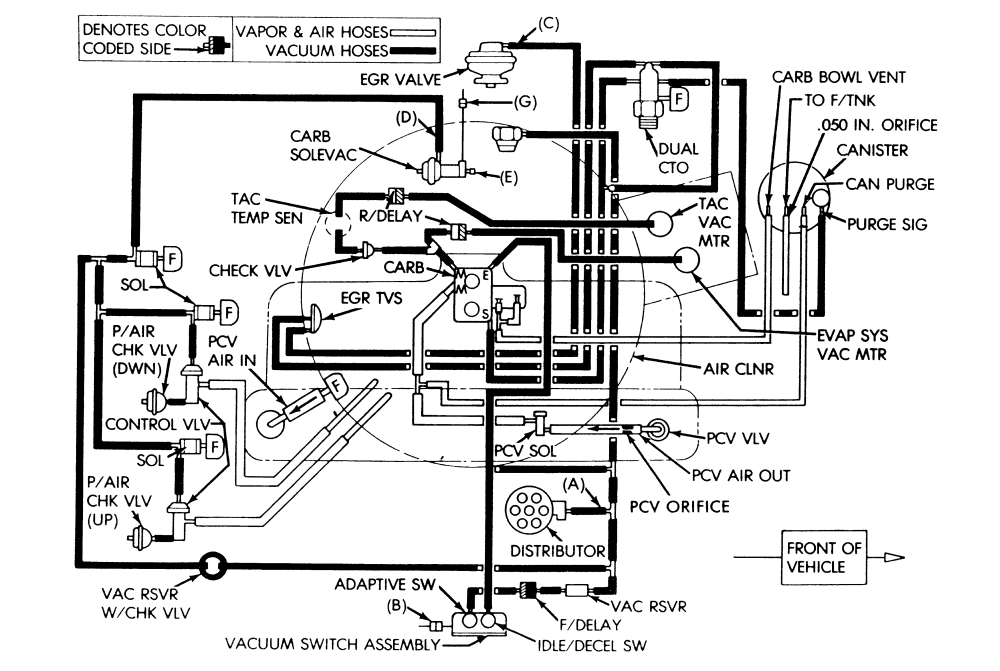
The 2004 Jeep 40 vacuum diagram is essential for understanding the vehicle’s vacuum system. It shows how vacuum lines connect various engine parts. This diagram helps diagnose issues like vacuum leaks or malfunctioning components.
Using the vacuum diagram makes repairs easier and more accurate. It guides you to the exact vacuum lines and connections. This saves time and prevents errors during maintenance.
Locating The Diagram
Find the vacuum diagram under the hood. Look for a sticker on the radiator support or near the firewall. It may also be in the owner’s manual or a repair guide.
Some Jeep models have a detailed vacuum diagram on the underside of the hood. Check carefully for any labels or printed charts.
Reading The Diagram
The diagram uses lines to show vacuum hoses and their paths. Symbols indicate components like the intake manifold, vacuum reservoirs, or valves.
Each line has a number or code to identify it. Follow these lines carefully to see where they start and end. This helps understand the flow of vacuum pressure.
Understanding Line Connections
Vacuum lines connect key engine parts to control systems. These connections manage functions like fuel delivery and emissions.
Check each line for cracks or disconnections. The diagram shows which parts link together. Correct connections keep the engine running smoothly and efficiently.
Common Vacuum Issues
Common vacuum issues in the 2004 Jeep 40 can cause engine trouble. These problems often start small but can grow and affect your Jeep’s performance. Understanding where leaks occur and how they impact the engine helps with quick fixes. Sensors also play a big role in vacuum system health.
Typical Leak Points
Vacuum leaks often happen at hose connections and joints. Cracks in vacuum lines are common due to age and heat. The intake manifold gasket may also leak air. Check the brake booster hose for cracks or loose fittings. Leaks near the PCV valve can cause rough idling. Inspect all rubber parts for brittleness or damage.
Effects On Engine Performance
Vacuum leaks cause uneven air flow into the engine. This leads to poor fuel mixture and rough running. The engine may stall or hesitate during acceleration. Idle speed can become unstable or too high. Fuel economy drops as the engine tries to compensate. Sometimes, the check engine light will turn on. These issues reduce overall vehicle reliability.
Sensors like the MAP sensor rely on proper vacuum pressure. A vacuum leak can give false readings to the engine control unit. This causes incorrect fuel injection and timing adjustments. The throttle position sensor may also be affected indirectly. Faulty sensor data leads to poor engine response. Regular sensor checks help spot vacuum system faults early.
Step-by-step Repair Guide
Fixing vacuum lines on a 2004 Jeep 40 can seem tricky. This step-by-step repair guide breaks down the process into simple parts. Follow each step carefully to restore proper vacuum function. Clear instructions help avoid mistakes and save time. Keep your Jeep running smoothly with these easy repairs.
Tools Needed
- Vacuum line replacement kit
- Needle-nose pliers
- Screwdriver set
- Utility knife or wire cutters
- Flashlight
- Vacuum gauge or tester
- Rags for cleanup
Removing Old Vacuum Lines
Locate the vacuum lines under the hood. Use the Jeep 40 vacuum diagram to identify each line. Gently pull off the old lines using pliers if they are stuck. Cut damaged or brittle sections with a utility knife. Keep track of where each line connects. Clean the connectors to remove dirt and debris before installing new lines.
Installing New Lines
Match each new line to the old ones by length and diameter. Push the new lines firmly onto their fittings. Avoid stretching the hoses too much. Secure any clips or clamps that hold the lines in place. Double-check connections using the vacuum diagram. Proper installation prevents leaks and engine problems.
Testing Repairs
Start the Jeep engine and listen for hissing sounds. Use a vacuum gauge to check pressure at key points. Watch for engine performance changes, such as smoother idling. Inspect all new line connections for leaks or loose fittings. Recheck the vacuum diagram to confirm all lines are correctly routed. Fix any issues before finalizing the repair.

Credit: insideflyer.co.uk
Maintenance Tips
Proper maintenance of the 2004 Jeep 40 vacuum system keeps your vehicle running smoothly. A well-maintained vacuum system improves engine performance and fuel efficiency. Following simple maintenance tips can help avoid costly repairs and extend your Jeep’s life.
Regular Inspection
Check vacuum lines often for cracks or leaks. Look for loose connections or damaged hoses. Listen for unusual hissing sounds from the engine area. Inspect vacuum components for wear or dirt buildup. Early detection prevents bigger problems later.
Preventive Measures
Replace old vacuum hoses every few years. Use high-quality parts designed for your Jeep model. Keep the engine bay clean to avoid dirt clogging vacuum parts. Avoid harsh driving that strains the vacuum system. Proper care reduces the risk of vacuum leaks.
When To Seek Professional Help
Visit a mechanic if you hear loud hissing or notice poor engine performance. Trouble starting the engine or rough idling may signal vacuum issues. Professionals can test and fix vacuum leaks accurately. Don’t delay repairs to protect your Jeep’s engine health.
Additional Resources
Finding the right information on the 2004 Jeep 40 vacuum system can be tricky. Extra help makes repairs easier and faster. The following resources give practical support for your Jeep vacuum diagram needs.
These resources include active forums, parts suppliers, and helpful video guides. They provide clear advice and step-by-step instructions. Accessing these can save time and avoid mistakes.
Useful Forums And Communities
Jeep forums are great places to ask questions and share tips. Sites like JeepForum.com and Reddit’s r/Jeep community have many experienced members. They discuss vacuum line layouts and common issues. Joining these groups offers real-world answers and support.
Where To Find Replacement Parts
OEM parts ensure proper fit and function for your Jeep vacuum system. Websites like Quadratec and MoparPartsOnline stock genuine vacuum hoses and connectors. Local auto parts stores may also carry compatible components. Buying quality parts helps maintain your Jeep’s performance.
Recommended Videos And Tutorials
Visual guides simplify understanding of the vacuum system layout. YouTube channels dedicated to Jeep repairs often feature detailed vacuum diagram walkthroughs. These videos show how to locate and fix leaks step-by-step. Watching tutorials builds confidence before starting work on your Jeep.
Frequently Asked Questions
How Do I Know If My Jeep Has A Vacuum Leak?
Listen for hissing or suction sounds near the engine. Notice rough idle, poor acceleration, or check engine light. Inspect vacuum lines for cracks or disconnections.
What Problems Are Common In The 2004 Jeep?
Common problems in the 2004 Jeep include ignition switch issues, vacuum leaks, throttle position sensor failure, suspension wear, and differential seal leaks.
How Many Miles Will A 4.0 Jeep Engine Last?
A 4. 0 Jeep engine typically lasts between 200,000 and 300,000 miles with proper maintenance. Regular oil changes and gentle driving extend its lifespan.
How Do You Reset The Fuel Pump On A 2004 Jeep Grand Cherokee?
Locate the inertia switch under the passenger side dashboard. Press the rubber button to reset the fuel pump on a 2004 Jeep Grand Cherokee.
What Does The 2004 Jeep 40 Vacuum Diagram Show?
It shows the layout of all vacuum hoses and connections in the engine. This helps in understanding how vacuum powers different parts. It is useful for repair and troubleshooting.
Conclusion
Understanding the 2004 Jeep 40 vacuum diagram helps with repairs and maintenance. Clear vacuum line routing prevents engine issues and keeps your Jeep running well. Use the diagram to spot leaks or faulty connections quickly. A well-maintained vacuum system improves performance and fuel efficiency.
Keep your Jeep’s vacuum lines in good shape for long-lasting reliability. Simple checks save time and avoid costly repairs later. Trust the diagram as a helpful guide for your Jeep’s vacuum system needs.