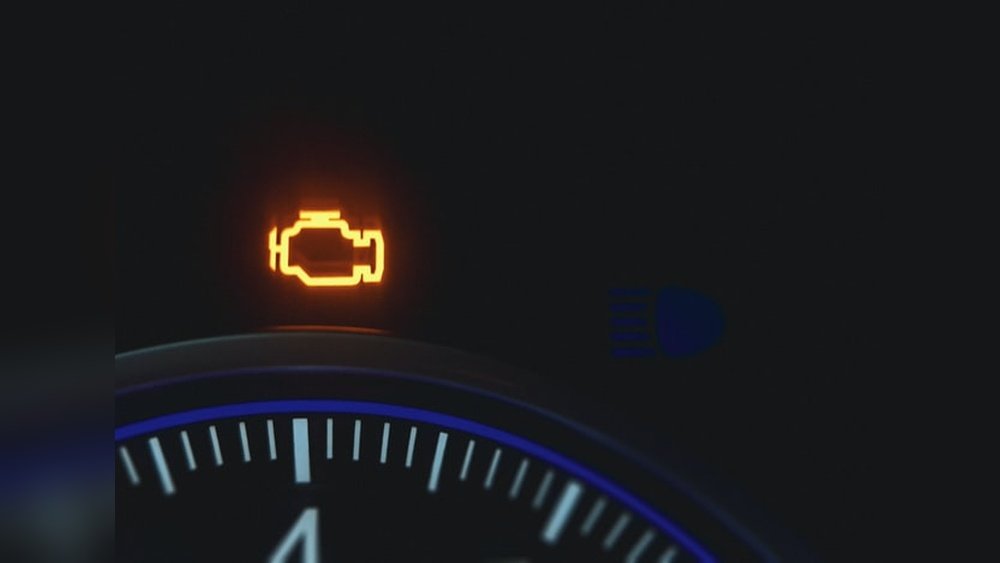
How to Check Engine Light on Jeep: Easy Steps to Diagnose Fast
 Reading Time: 9 minutes
 If your Jeep’s check engine light just came on, you’re probably wondering what it means and what you should do next. That little warning light can feel like a mystery—sometimes it’s nothing, other times it could signal a serious problem.
But don’t worry. You can take control right now by learning how to check that engine light yourself. You’ll discover simple, step-by-step ways to read the codes behind the light, understand what they mean, and decide your next move. Keep reading, because knowing how to handle your Jeep’s check engine light could save you time, money, and a lot of stress on the road.
Credit: www.reddit.com
Check Engine Light Basics
The check engine light is a key signal on your Jeep’s dashboard. It alerts you to issues in the engine or emission system. Understanding its basics helps you respond quickly and avoid costly repairs.
This light is part of the vehicle’s onboard diagnostic system. It monitors many parts to keep your Jeep running smoothly and cleanly. When a problem arises, the light turns on to catch your attention.
What The Light Means
The check engine light means the car’s computer found a fault. It can be a small issue or something more serious. The light may glow steadily or flash, each showing different levels of urgency.
A steady light often means a minor problem. You can keep driving but should get it checked soon. A flashing light signals a severe issue. Stop driving and seek help immediately to avoid damage.
Common Causes In Jeeps
Many reasons can trigger the check engine light in Jeeps. A loose or damaged gas cap is a frequent cause. It can let fuel vapors escape, causing the light to come on.
Faulty oxygen sensors and spark plugs also cause this warning. These parts affect engine performance and fuel efficiency. Problems with the catalytic converter or mass airflow sensor are common too.
Simple fixes often clear the light. But some issues need a mechanic’s attention. Using an OBD-II scanner can help identify the exact code behind the light.
Locating The Diagnostic Port
Locating the diagnostic port is the first step to check your Jeep’s engine light. This port connects your vehicle to a scanning tool. It allows you to read error codes and understand what is wrong. Finding it is simple and takes just a few minutes. Knowing its location saves time and helps you diagnose issues quickly.
Where To Find The Obd-ii Port
The OBD-II port in most Jeep models is under the dashboard. Look near the driver’s side, below the steering wheel. It is usually close to the brake pedal. The port is rectangular with 16 small holes. It may be covered by a plastic flap. This flap can be easily opened to access the port.
Preparing Your Jeep For Diagnosis
Park your Jeep on a flat surface and turn off the engine. Make sure the key is out of the ignition. Open the driver’s side door for better access. Locate the OBD-II port and clear any objects around it. Connect the scan tool to the port firmly. Turn the ignition key to the “on” position without starting the engine. This powers the vehicle’s computer for diagnosis.
Reading Codes Without A Scanner
Reading engine codes without a scanner is possible on many Jeep models. This method helps you identify issues without buying extra tools. It uses the vehicle’s built-in system to display error codes. These codes tell you what might be wrong with your Jeep. The process is simple and can save time and money.
Using The Ignition Key Method
Start by turning the ignition key to the “On” position. Do not start the engine. Quickly turn the key off and on three times in a row. On the third time, leave it in the “On” position. The check engine light will begin to flash. This signals that the Jeep is ready to display codes.
The light will blink in a specific pattern. Each set of flashes stands for a number. These numbers combine to form a trouble code. Write down the code for later use. This process works on many Jeep models without needing a scanner.
Interpreting Flashing Light Codes
The flashing check engine light uses a simple code system. Long flashes represent the first digit. Short flashes represent the second digit. For example, two long flashes and three short flashes mean code 23.
Pause briefly between codes. The Jeep may show multiple codes one after another. After the last code, the light will stop flashing or show a steady light. Use a Jeep trouble code list to understand what the numbers mean. This helps you know what repairs your vehicle might need.
Using An Obd-ii Scanner
Using an OBD-II scanner is a simple way to check the engine light on your Jeep. This device connects to your vehicle’s computer and reads error codes. These codes help identify the problem causing the light to turn on. With the right scanner, you can quickly find out what needs fixing. This saves time and money on unnecessary repairs.
Choosing The Right Scanner
Pick a scanner compatible with your Jeep model. Most Jeep vehicles use the standard OBD-II port. Look for a scanner that supports all OBD-II protocols. Choose one with a clear display and easy menus. Basic models work well for reading and clearing codes. More advanced scanners offer live data and freeze frame info. Set a budget but focus on reliability and user reviews.
Steps To Scan Your Jeep
First, locate the OBD-II port under the dashboard. It is usually near the steering column. Turn off the Jeep before connecting the scanner. Plug the scanner into the port firmly. Turn the ignition to the “on” position without starting the engine. Follow the scanner’s instructions to begin the scan. Wait for the device to read all codes. Write down or save the codes for reference. Turn off the ignition and disconnect the scanner.
Understanding Scan Results
Each code starts with a letter and four numbers. The letter shows the system area, like engine or transmission. The numbers explain the specific issue detected. Use the scanner’s manual or online resources to decode meanings. Some codes point to simple fixes like a loose gas cap. Others may require a mechanic’s help. Clear codes only after the problem is fixed. This resets the check engine light.
Clearing The Check Engine Light
Clearing the check engine light on your Jeep is a key step after addressing any issues. It helps confirm that problems no longer exist. Resetting the light can also prevent confusion during future drives. Understanding when and how to clear the codes ensures your Jeep stays in good shape.
When To Clear Codes
Only clear codes after fixing the problem causing the light. Clearing codes too soon may hide important warnings. If the light comes back on, your Jeep still has an issue. Use a scanner tool to read codes before clearing them. Wait until your Jeep runs smoothly and no new codes appear.
How To Reset The Light
Use an OBD-II scanner to reset the check engine light easily. Connect the scanner to the Jeep’s diagnostic port under the dashboard. Follow the scanner’s instructions to erase trouble codes. Another way is to disconnect the battery for 15 minutes. Reconnect the battery and start the Jeep to see if the light is off. Drive your Jeep for a few miles to confirm the light stays off.

Credit: www.youtube.com
Common Issues Behind The Light
The check engine light on your Jeep signals a detected problem. It can mean many things. Some are easy to fix. Others need a mechanic’s help. Understanding common issues helps you know what to do next.
Here are the frequent reasons behind the light coming on. Each can affect your Jeep’s performance and fuel efficiency.
Loose Or Damaged Gas Cap
A loose or damaged gas cap often triggers the check engine light. It lets fuel vapors escape. This causes your Jeep to fail an emissions test. Tightening or replacing the cap usually solves the issue fast.
Faulty Oxygen Sensor
The oxygen sensor measures the air-fuel mix in the engine. A bad sensor can cause poor fuel economy and higher emissions. Replacing it restores proper engine function and improves mileage.
Catalytic Converter Problems
The catalytic converter reduces harmful exhaust gases. When it fails, the check engine light turns on. This problem can cause engine misfires and poor acceleration. Repair or replacement is needed to fix it.
Worn Spark Plugs
Spark plugs ignite the fuel in the engine. Worn plugs cause rough idling and engine misfires. This triggers the check engine light. Changing spark plugs keeps your Jeep running smoothly and efficiently.
When To Seek Professional Help
The check engine light on your Jeep can signal various issues. Some problems you can handle at home. Others need expert attention. Knowing when to seek professional help can save time and money. It can also keep you safe on the road.
Signs Of Serious Problems
A steady or flashing check engine light means trouble. A flashing light often shows a severe engine misfire. This can damage your Jeep’s catalytic converter. Strange noises or smells coming from the engine are warning signs. Poor acceleration or stalling also indicate serious issues. Smoke from the exhaust or engine overheating requires immediate help. These signs mean you should stop driving and get help fast.
Finding A Trusted Mechanic
Choose a mechanic experienced with Jeeps. Look for shops with good reviews and certifications. A trusted mechanic will use proper diagnostic tools. They explain problems clearly and offer honest advice. Ask friends or local Jeep clubs for recommendations. A reliable mechanic helps fix the problem right the first time. This keeps your Jeep running smoothly and safely.

Credit: www.myrtlebeachchryslerjeep.net
Preventive Maintenance Tips
Preventive maintenance is key to avoiding the check engine light on your Jeep. Simple steps help keep your engine running smoothly. Regular care catches small issues before they grow.
Following maintenance tips extends your Jeep’s life. It saves money by preventing costly repairs. A healthy engine means safer drives and better performance.
Regular Checks To Avoid Light
Check your gas cap regularly. A loose or damaged cap often triggers the light. Inspect and tighten it after refueling.
Look at fluid levels weekly. Oil, coolant, and brake fluid need proper levels to work well. Low fluids cause engine problems and light warnings.
Monitor your battery condition. Corroded terminals or low charge affect engine sensors. Clean and test the battery to keep it healthy.
Replace air filters on schedule. Dirty filters reduce engine efficiency and cause errors. Clean air improves fuel economy and reduces light alerts.
Keeping Your Jeep Engine Healthy
Change the oil and filter at regular intervals. Old oil harms engine parts and triggers warning lights. Follow your Jeep’s manual for timing.
Use quality fuel to prevent buildup in the engine. Bad fuel causes misfires and sensor failures. Clean fuel helps sensors work right.
Listen to engine sounds during drives. Unusual noises may signal problems needing attention. Early checks stop damage and check engine warnings.
Visit a mechanic for routine inspections. They can spot hidden issues and reset false warnings. Professional care maintains engine health and avoids surprises.
Frequently Asked Questions
How To Check Jeep Engine Light?
Turn the key to the “ON” position without starting the engine. Watch the check engine light; it will flash codes. Use an OBD-II scanner to read these codes. Interpret the codes to identify issues and decide on repairs or professional help.
How Do I Read My Jeep Code Without A Scanner?
Turn the ignition key to the “on” position without starting. Press the trip reset button three times quickly. The check engine light will flash codes indicating issues. Count the flashes to read each code, then wait for the “done” signal.
Can I Check My Check Engine Light Myself?
Yes, you can check your check engine light yourself using an affordable OBD-II scan tool. It reads diagnostic codes easily.
Why Would My Check Engine Light Be On In My Jeep?
Your Jeep’s check engine light signals a detected issue, like a loose gas cap, faulty sensor, or catalytic converter problem.
Conclusion
Knowing how to check your Jeep’s engine light saves time and money. Use a simple code reader or follow your Jeep’s manual steps. This helps identify issues early and avoid bigger problems. Regular checks keep your Jeep running smoothly and safely.
Don’t ignore the light; act quickly to maintain your vehicle’s health. Stay informed and confident while driving your Jeep every day.