How to Drain Auto AC System: Easy Steps for Perfect Cooling
 Reading Time: 10 minutes
 If your car’s AC isn’t cooling like it used to, draining the system might be the fix you need. But how do you do it right without causing damage or breaking any rules?
You’re about to discover a simple, step-by-step guide that puts you in control. Whether you’re a DIY enthusiast or just want to understand the process before taking it to a pro, this article will walk you through everything—from safely draining your auto AC system to important tips on maintenance and legal considerations.
Keep reading, and you’ll learn how to protect your car’s cooling system and avoid costly mistakes.

Credit: www.amazon.com
Signs Your Auto Ac Needs Draining
Knowing the signs that your auto AC needs draining helps avoid costly repairs. Ignoring these signs can reduce comfort and damage the system. Watch for changes in cooling, noises, and any leaks. These symptoms often signal excess moisture or blockages inside the AC system. Proper draining keeps your car’s AC running smoothly and efficiently.
Reduced Cooling Performance
Your car’s AC blowing warm or less cold air is a clear sign. Moisture in the system can reduce cooling power. Blocked or clogged drain lines trap water inside. This trapped water affects refrigerant flow and heat exchange. Notice a gradual drop in AC strength? Draining might fix the issue fast.
Unusual Noises Or Smells
Strange sounds like gurgling or hissing may come from the AC vents. These noises often happen when water builds up in the system. Musty or damp smells inside the car can also mean water trouble. Mold and bacteria grow in standing water and cause odors. Draining removes moisture and stops these unwanted smells and noises.
Visible Moisture Or Leaks
Look under your car for water puddles after running the AC. Small leaks near AC components also point to drainage issues. Moisture inside the cabin, especially near vents or floor mats, is another clue. Water leaks indicate the drain line may be clogged or damaged. Fixing this stops water damage and protects your car interior.
Tools And Materials Required
Draining an auto AC system requires specific tools and materials. Having everything ready makes the process safe and efficient. This section covers essential items you will need to complete the job properly.
Safety Gear
Protect yourself with the right safety gear. Wear safety goggles to shield your eyes from refrigerant and debris. Use gloves to prevent skin contact with chemicals and sharp parts. A long-sleeve shirt can protect your arms during the work. Proper ventilation or a mask is important when handling refrigerants to avoid inhaling fumes.
Drainage Equipment
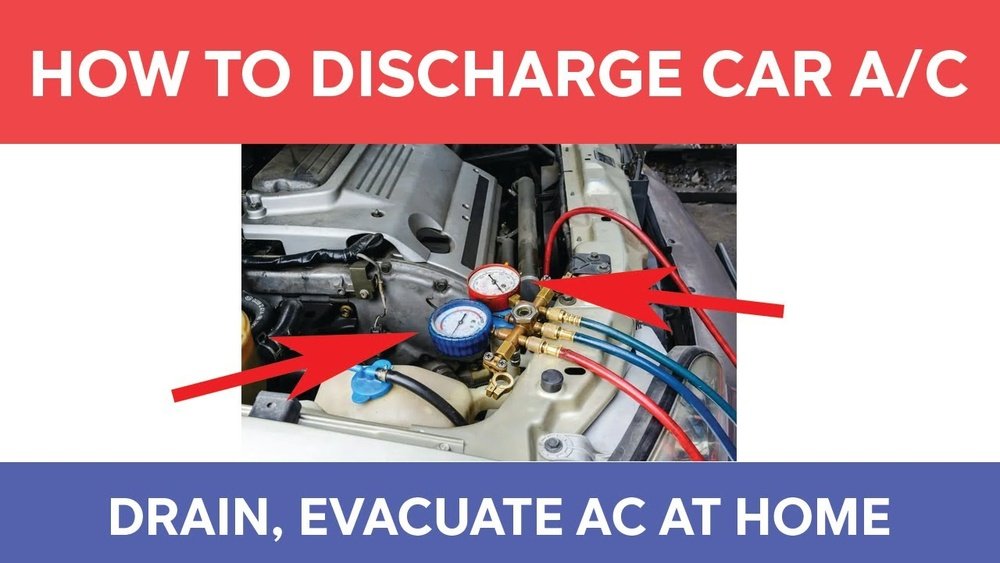
Drainage equipment helps remove refrigerant and moisture from the AC system. A vacuum pump is necessary to evacuate air and moisture. Manifold gauges allow you to monitor pressure levels accurately. Use a refrigerant recovery machine to capture and store refrigerant safely. Have containers ready to catch any fluid drained from the system.
Cleaning Supplies
Cleaning supplies remove dirt and prevent clogs inside the AC system. Use a coil cleaner to clear debris from the evaporator coils. A soft brush or cloth helps clean delicate parts gently. Distilled water rinses away cleaning agents without leaving residue. Vinegar can be used to clear minor clogs in the drain line safely.
Preparing Your Vehicle
Preparing your vehicle is the first step in draining the auto AC system. This stage ensures safety and makes the process smoother. Taking time here prevents damage and helps you work efficiently.
Park In A Safe Area
Find a flat, stable surface to park your vehicle. Avoid busy streets or uneven ground. This protects you and your car during the task. Engage the parking brake to keep the vehicle still.
Turn Off The Engine And Ac
Switch off the engine and the air conditioning system. This stops the compressor from running. It also prevents refrigerant from circulating, which is important for safety and proper draining.
Locate The Drain Plug Or Line
Open the hood and find the AC system components. Look for the drain plug or drain line on the evaporator case. Use your vehicle’s manual for exact locations. This is where the moisture and refrigerant will exit.

Credit: cinecittatilburg.nl
Step-by-step Draining Process
Draining an auto AC system requires careful attention to protect both the vehicle and the environment. The process involves safely releasing refrigerant, removing accumulated condensate water, and ensuring the drain line is clean. Follow these clear steps to complete the task effectively and avoid damage.
Release Refrigerant Safely
Start by recovering the refrigerant using a certified recovery machine. This step prevents harmful gases from entering the atmosphere. Never release refrigerant directly into the air. Wear protective gloves and safety goggles during this process. Connect the recovery machine to the AC system’s service ports. Turn on the machine and allow it to pull all refrigerant out. Confirm the system is empty before moving to the next step.
Drain Condensate Water
Locate the condensate drain pan beneath the evaporator. Carefully remove the drain plug or tube to let the water flow out. Use a container to catch the water and avoid spills. If water does not drain easily, gently tilt the vehicle or use compressed air to clear blockages. Remove all moisture to prevent mold growth inside the AC system.
Flush The Drain Line If Necessary
Inspect the drain line for dirt or clogs. Use a small brush or pipe cleaner to clear debris. Pour a cup of white vinegar down the drain line to remove buildup and kill mold. Allow the vinegar to sit for 15 minutes before flushing the line with water. Repeat the process if water still drains slowly. Keep the drain line clear to ensure proper AC function.
Cleaning The Ac Drain Line
Cleaning the AC drain line is a key step in maintaining your vehicle’s air conditioning system. This line removes excess moisture from the AC unit. If it clogs, water can build up and cause leaks or bad odors. Keeping this drain line clean helps your AC work efficiently and prevents damage.
Use Of Vinegar For Routine Cleaning
Vinegar is a simple and safe cleaner for the AC drain line. Pour a cup of white vinegar into the drain line opening every month. Vinegar helps dissolve minor clogs and stops mold growth. It prevents buildup that can block water flow. This routine keeps the drain line clear and your AC smelling fresh.
Avoiding Harmful Chemicals
Strong chemicals like bleach can damage the plastic pipes in the drain line. These chemicals may cause leaks or cracks over time. Avoid using harsh cleaners to protect your AC system. Stick to mild cleaners like vinegar or water to keep the drain line safe and intact.
When To Call A Professional
Sometimes, the drain line clogs badly and vinegar won’t fix it. If you see water leaking inside the car or hear dripping noises, call a technician. A professional can safely clear deep clogs and inspect the AC system. Early help prevents costly repairs and keeps your AC running smoothly.

Credit: www.youtube.com
Recharging The Ac System
Recharging the AC system is an important step after draining it. It restores the refrigerant that cools the air inside your car. Without proper recharging, the AC will not work efficiently. This process requires careful attention to detail to avoid damage and ensure peak performance.
Checking Refrigerant Levels
Start by checking the current refrigerant level. Use a pressure gauge designed for automotive AC systems. Compare the readings with your car’s manual specifications. Low levels mean you need to add refrigerant. Overcharging can cause damage and reduce cooling performance. Accurate measurement is key to a successful recharge.
Using The Correct Refrigerant Type
Different cars use different refrigerants. Look for the type specified on your vehicle’s label or owner’s manual. Common types include R-134a and R-1234yf. Using the wrong type can harm the system and void warranties. Always buy refrigerant from a trusted source to ensure quality and purity.
Professional Recharge Tips
Consider seeking professional help for the recharge. Professionals have tools to evacuate air and moisture before adding refrigerant. They ensure the system is sealed and leak-free. Professionals also handle refrigerants safely to protect the environment. A proper recharge extends the life of your AC system and keeps it running smoothly.
Legal And Environmental Considerations
Draining an auto AC system involves more than just technical steps. Legal and environmental rules protect our air and water from harmful refrigerants. Following these rules helps avoid fines and damage to nature. Understanding these considerations keeps the process safe and responsible.
Prohibition On Releasing Refrigerants
Refrigerants in auto AC systems harm the ozone layer and increase global warming. Laws forbid releasing these gases into the air. Venting refrigerants during draining is illegal and punishable by fines. Use proper tools to capture refrigerants safely. Avoid any action that lets these gases escape.
Recycling And Safe Disposal
Refrigerants must be recycled or disposed of by licensed centers. Special machines recover and purify these gases for reuse. Do not throw refrigerants in the trash or pour them down drains. Proper disposal protects the environment and conserves resources. Follow local guidelines for handling refrigerants responsibly.
Hiring Certified Technicians
Certified technicians have training to handle AC refrigerants safely. They use approved equipment to recover and recharge the system. Hiring experts ensures legal compliance and protects your vehicle. Professionals prevent leaks and reduce environmental risks. Trust certified technicians for safe auto AC maintenance.
Preventing Future Drainage Issues
Preventing future drainage issues in your auto AC system is essential for smooth operation. Consistent care reduces the chance of clogs and leaks. Small efforts save you from costly repairs later. Focus on simple steps that keep the system draining correctly. These tips help maintain comfort in your vehicle.
Regular Maintenance Schedule
Set a routine to check your AC system regularly. Inspect the drain line and clear any debris. Clean the drain pan to avoid water buildup. Change cabin air filters often to reduce dirt and moisture. Stick to a schedule during hot months when AC use is high. Regular checks catch problems early before they worsen.
Monitoring Ac Performance
Watch how your AC cools the car each time you use it. Notice any strange sounds or weak airflow. Check for water leaks or puddles under the car. A drop in cooling power may signal a drainage issue. Keep track of these signs to act quickly. Prompt action prevents damage and keeps the system efficient.
Using Time-delay Features
Use your car’s time-delay or run-on features if available. This allows the AC fan to run after turning off. It helps dry out the evaporator and drain lines. Reducing moisture stops mold and clogs from forming. This simple step extends the life of your drainage system. Consult your vehicle manual to enable this function.
Common Mistakes To Avoid
Draining an auto AC system requires care and knowledge. Avoiding common mistakes helps protect your vehicle and ensures the system works well. Mistakes can lead to damage, costly repairs, or poor AC performance. Understanding these errors keeps your work safe and effective.
Draining Without Proper Tools
Using the right tools is essential for draining the AC system correctly. Without proper gauges, vacuum pumps, or recovery machines, you risk releasing refrigerant into the air. This harms the environment and is often illegal. Incorrect tools also increase the chance of damaging components or causing leaks.
Ignoring Warning Signs
Warning signs like strange noises, leaks, or weak airflow signal problems. Ignoring these signs can make the issue worse. Always check for visible damage or unusual smells before draining. Addressing problems early saves money and prevents further damage.
Immediate Restart After Shutdown
Starting the AC system immediately after draining can cause damage. The system needs time to stabilize and settle. Restarting too soon can lead to compressor failure or system imbalance. Wait at least 30 minutes before turning the AC back on to protect the components.
Frequently Asked Questions
How Often Should I Pour Vinegar In An Ac Drain Line?
Pour vinegar in your AC drain line once a month during peak cooling season. In high humidity, do it every two to three weeks. This prevents clogs and keeps the line clear. Avoid bleach, and call a professional if water backs up or clogs persist.
Is It Illegal To Discharge R134a?
Discharging R134a refrigerant into the air is illegal under U. S. law. Only certified technicians may recover and recycle it. Violators face fines and penalties. Always use EPA-approved equipment for handling refrigerants to protect the environment and comply with regulations.
What Is The 3 Minute Rule For Ac?
The 3-minute rule for AC means waiting three minutes before restarting the unit to protect the compressor. This prevents damage and ensures proper pressure balance.
How To Flush Out An Auto Ac System?
To flush an auto AC system, first recover refrigerant legally. Then, use AC flush solvent to clean lines and components. Finally, replace the receiver-drier or accumulator and recharge with refrigerant. Always follow safety guidelines and consider professional service for best results.
Conclusion
Draining your auto AC system helps maintain cooling efficiency. Always follow safety steps carefully to avoid damage. Use proper tools to remove refrigerant and moisture. Regular maintenance keeps your AC running smoothly and lasts longer. If unsure, seek professional help to protect your vehicle.
Proper care saves money and prevents costly repairs. Keep your auto AC system clean and well-drained for best comfort. Simple steps today ensure cool rides tomorrow.