How to Get a Stripped Spark Plug Out: Easy & Effective Methods
 Reading Time: 9 minutes
 Getting a stripped spark plug out can feel like a frustrating roadblock, especially when you’re eager to get your engine running smoothly again. If you’re staring down a stubborn plug that won’t budge, you’re not alone—and you don’t have to give up just yet.
With the right approach, some simple tools, and a bit of patience, you can tackle this common problem and avoid costly repairs. In this guide, you’ll learn practical, step-by-step methods to safely remove that stripped spark plug, even if it seems stuck for good.
Ready to save time and money? Let’s dive in and get your spark plug out without the hassle.
Cool Engine And Clean Area
Before removing a stripped spark plug, ensure the engine is cool and the area is clean. A cool engine prevents burns and reduces the risk of damaging parts. Cleaning the area stops dirt from falling into the cylinder during removal.
These steps create a safe working environment and make the process easier. Follow them carefully to prepare your vehicle for spark plug removal.
Park On Level Surface
Park your vehicle on a flat, stable surface. This prevents it from moving while you work. A level spot also makes it easier to access the spark plugs. Turn off the engine and wait at least 30 minutes for it to cool.
Clean Debris Around Plug
Use a brush or compressed air to clear dirt and dust around the spark plug. Clean the area thoroughly to stop debris from entering the engine. Removing dirt reduces the chance of damage during plug removal. A clean workspace helps you see the plug clearly and work safely.
Credit: pressurewashingresource.com
Apply Penetrating Oil
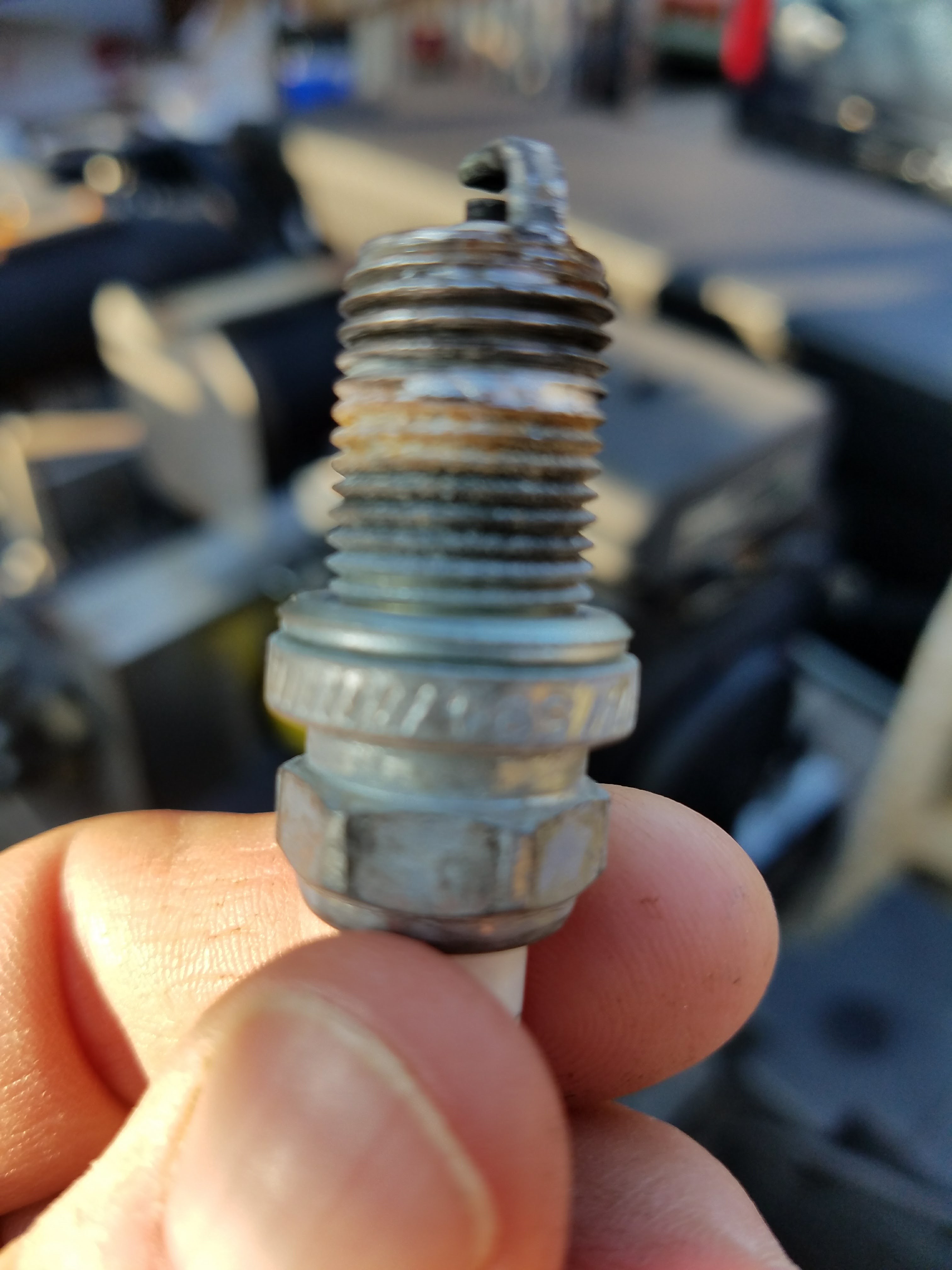
Applying penetrating oil is a crucial step to remove a stripped spark plug. The oil seeps into the threads and breaks down rust or corrosion. This makes loosening the plug much easier. Without this step, extra force might damage the engine’s cylinder head. Take your time and let the oil do its work for the best results.
Choose The Right Oil
Select a penetrating oil designed for loosening rusted parts. Products like PB Blaster, Liquid Wrench, or WD-40 Specialist Penetrant work well. Avoid general lubricants as they may not penetrate deeply. The right oil quickly seeps into tight spaces and loosens stuck threads.
Spray Around Plug Base
Spray the oil generously around the spark plug base. Focus on the area where the plug meets the engine block. Avoid spraying too much on electrical parts nearby. Allow the oil to drip down the threads for better penetration. A thorough application helps break up rust and corrosion.
Let Oil Soak Overnight
Patience is key after spraying the oil. Let the penetrating oil soak into the threads overnight. This gives it time to dissolve rust and loosen the spark plug. Avoid rushing to remove the plug too soon. The longer the soak, the easier the spark plug will come out.
Loosen The Spark Plug
Loosening a stripped spark plug requires patience and the right tools. This step is critical to avoid further damage. Start by selecting the proper socket and ratchet to fit the plug securely. Use slow, steady pressure to turn it counter-clockwise. If the plug resists, try a simple trick of tightening slightly first before loosening. Each action helps break the grip of rust or debris holding the spark plug in place.
Use Correct Socket And Ratchet
Choose a socket that fits snugly on the spark plug. Avoid sockets that are too loose or too tight. A good fit prevents slipping and rounding off the plug’s edges. Attach the socket to a ratchet with enough leverage. This setup helps apply steady force without jerking.
Apply Steady Counter-clockwise Pressure
Turn the ratchet slowly in the counter-clockwise direction. Steady pressure avoids sudden movements that can break the plug. Keep the motion slow and controlled. If the plug does not move, pause and do not force it. Gentle pressure helps loosen corrosion and dirt around the threads.
Try Tighten-loosen Trick
Turn the ratchet clockwise slightly to tighten the spark plug. This may break the rust bond holding it. After a small turn, switch back to turning it counter-clockwise. Repeat this process a few times. The back-and-forth motion helps free a stuck plug without damaging it.
Increase Leverage
Increasing leverage helps loosen a stripped spark plug stuck in its hole. More leverage means less effort and better control. It reduces the risk of further damage or breaking the plug inside the engine. Using the right tools and techniques improves your chances of a smooth removal.
Switch To Breaker Bar
A breaker bar gives more torque than a regular ratchet. It has a long handle for better leverage. This extra length helps you turn the spark plug socket with less force. Attach the socket securely to the breaker bar before use. Slowly apply pressure to avoid sudden movements. A steady push can break the spark plug free without damaging it.
Maintain Controlled Pressure
Apply pressure gradually to avoid stripping the spark plug further. Quick or jerky movements can worsen the damage. Use smooth and steady force to turn the plug. Pause if you feel resistance and try again gently. Controlled pressure helps keep the tool grip firm and prevents slipping. This careful approach protects the spark plug threads and the engine.
Use Heat For Expansion
Using heat helps expand the metal around the spark plug. This expansion can loosen stuck or stripped spark plugs. Controlled heat softens the metal and breaks corrosion bonds. This method makes removal easier and reduces the risk of damage.
Warm Engine Briefly
Start by running the engine for a few minutes. This warms the cylinder head gently. Avoid overheating to prevent damage. Warm metal expands slightly, helping to loosen the spark plug. Turn off the engine and wait a short time before proceeding.
Apply Heat Gun To Cylinder Head
Use a heat gun to focus heat on the cylinder head. Keep the heat moving to avoid overheating one spot. Heat the area around the spark plug for several minutes. This causes the metal to expand more than the plug. Expansion can break rust or corrosion holding the plug tight.
Reapply Penetrating Oil
After heating, spray penetrating oil around the spark plug base. Heat opens metal pores, letting oil reach deeper. Allow the oil to soak for 10 to 15 minutes. This weakens rust and corrosion further. Repeat heating and oil application if the plug still won’t budge.

Credit: www.reddit.com
Tap The Spark Plug
Tapping the spark plug can help loosen a stuck or stripped plug. Gentle taps create vibrations that break corrosion and rust bonds. This method works well when penetrating oil alone cannot free the plug. Use care to avoid damaging the plug or cylinder head. Follow the steps below to tap the spark plug safely and effectively.
Use Punch And Hammer Gently
Select a small punch or drift punch that fits the spark plug’s metal body. Hold the punch firmly against the plug’s edge. Lightly tap the punch with a hammer. Use soft but quick taps, not hard blows. The goal is to create vibrations, not force the plug out. Stop if the plug moves or if you feel resistance. Repeat tapping around the plug evenly to loosen it.
Help Oil Penetrate Threads
Tap the plug after applying penetrating oil to help the oil seep into threads. The vibrations push the oil deeper into rust and corrosion. Let the oil sit for at least 15 minutes after tapping. This softens the rust and makes turning easier. Repeat tapping and oiling several times if needed. This combination often frees the spark plug without extra tools.
Extraction For Broken Plugs
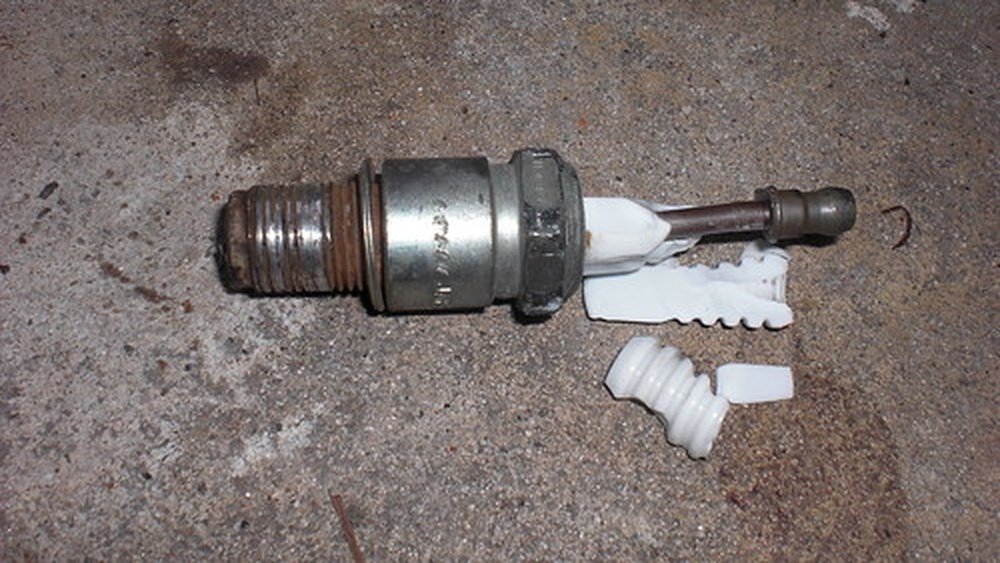
Removing a broken spark plug requires special tools and care. Extraction for broken plugs needs patience and the right approach. The plug may be stuck or snapped inside the cylinder head. Use proper methods to avoid damaging the engine. This section covers effective ways to extract broken spark plugs safely and smoothly.
Use Spark Plug Extractor Kit
A spark plug extractor kit is designed for this exact job. It includes tools made to grip and remove broken plugs. Choose a kit that fits your plug size. Insert the extractor into the broken plug carefully. Turn the tool counterclockwise to loosen the plug. The extractor’s design helps grip the broken piece firmly. This method reduces the risk of further damage.
Employ Reverse Drill Bits
Reverse drill bits spin opposite to normal drills. They can help remove stuck or broken plugs. Start with a small bit to drill into the center of the broken plug. The bit’s reverse motion will grab the plug and unscrew it. Drill slowly and steadily to avoid damaging the threads. Use this method only if you have some drilling experience. It works well when the extractor kit does not fit.
Follow Kit Instructions Carefully
Every spark plug extractor kit comes with instructions. Read them fully before starting. Follow each step exactly to avoid mistakes. Use the recommended tools and apply the right force. Rushing or skipping steps can cause damage. Take your time during the extraction process. This ensures a safer and more effective removal of broken plugs.
Prevent Future Issues
Preventing stripped spark plugs saves time and money. It keeps your engine running smoothly. Taking simple steps stops damage before it starts. This section covers key ways to avoid future problems with spark plugs.
Proper Installation Torque
Use a torque wrench to tighten spark plugs correctly. Over-tightening can strip threads or break the plug. Under-tightening leads to poor engine performance and leaks. Follow the vehicle manufacturer’s torque specs strictly. Hand-tighten first, then apply the correct torque. This prevents damage and ensures a secure fit every time.
Regular Maintenance Tips
Check spark plugs during routine vehicle maintenance. Clean the threads and inspect for wear or damage. Replace spark plugs at recommended intervals to avoid corrosion and buildup. Use anti-seize compound on threads sparingly to ease future removal. Keeping spark plugs in good condition reduces the risk of stripping and improves engine efficiency.

Credit: www.youtube.com
Frequently Asked Questions
How To Get A Spark Plug Out If It’s Stuck?
Let the engine cool, then spray penetrating oil on the spark plug base. Wait hours to penetrate. Use the correct socket and ratchet, gently turning counter-clockwise. If stuck, try slightly tightening first, then loosening. Apply heat to the head and reapply oil.
Use a breaker bar carefully for leverage.
Is It Better To Remove Spark Plugs Hot Or Cold?
Remove spark plugs when the engine is cool to avoid damage and ensure safe handling. Cool plugs prevent thread stripping and allow penetrating oil to work effectively. Avoid removing hot plugs, as metal expansion can cause seizing and increase breakage risk.
Can I Spray Wd-40 In A Spark Plug Hole?
Avoid spraying WD-40 in a spark plug hole. Use penetrating oil like PB Blaster instead to loosen corrosion safely.
How To Get A Spark Plug Out Of The Hole?
Let the engine cool, then apply penetrating oil around the spark plug base. Wait several hours. Use a proper socket and ratchet to turn counterclockwise. If stuck, slightly tighten first, then loosen. Apply heat briefly, reapply oil, and try again with steady pressure.
Conclusion
Removing a stripped spark plug can be tricky but doable. Take your time and follow the steps carefully. Use the right tools and apply penetrating oil well. Patience helps to avoid damaging the engine. If the plug won’t budge, try the tighten-loosen trick gently.
Always work on a cool engine to stay safe. With steady effort, you can get the spark plug out without stress. Keep these tips in mind for your next spark plug repair.