How to Engage 4 Wheel Drive Manual: Expert Tips for Smooth Control
 Reading Time: 5 minutes
 If you drive a 4 wheel drive manual vehicle, knowing how to engage the system correctly is key to getting the most out of your ride. Whether you’re tackling rough trails, slippery roads, or just want better control, engaging 4WD the right way protects your vehicle and boosts your confidence behind the wheel.
This guide will walk you through simple, step-by-step instructions to help you engage your 4 wheel drive smoothly and safely. By the end, you’ll feel ready to take on any terrain with ease—no guesswork, no stress. Ready to master your 4WD?
Let’s dive in.
Credit: www.offroadelements.com
Types Of 4wd Systems
Engaging a 4 wheel drive manual system takes clear steps to ensure proper function. Follow this simple guide to switch your vehicle into 4WD safely and efficiently. Doing it right protects your drivetrain and improves traction on tough terrain. Each step matters for smooth operation.
Shifting The Transfer Case
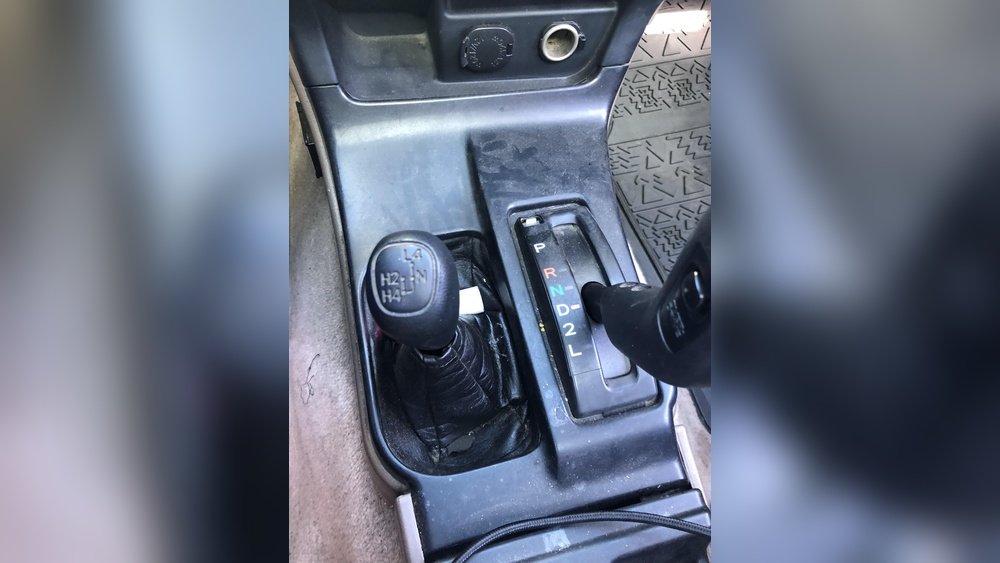
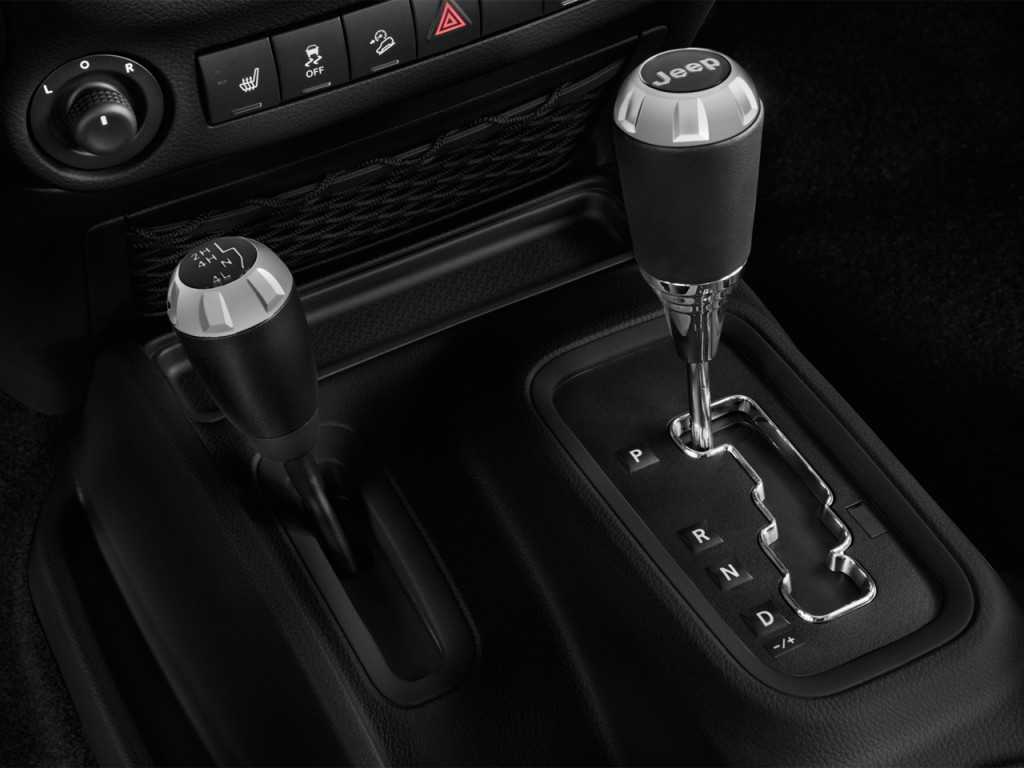
Start by slowing the vehicle to a stop or very low speed. Shift your transmission into neutral to ease the transfer case shift. Move the transfer case lever from 2H (two-wheel drive) to 4H (four-wheel high) or 4L (four-wheel low) depending on the need. Avoid forcing the lever. You may feel a slight resistance before it clicks into place.
Locking Manual Hubs
Exit the vehicle to lock the manual hubs on the front wheels. Turn each hub from “Free” to “Lock” by rotating the dial or knob. This step physically connects the front wheels to the axle shafts. Ensure both hubs are fully locked to avoid wheel slippage. Locked hubs engage the front wheels for 4WD power distribution.
Confirming Engagement
Return to the driver’s seat and gently press the accelerator. Listen for any unusual noises or vibrations. Test the vehicle by driving slowly on a loose surface or gravel. Feel the difference in traction and control. Check your dashboard for 4WD indicator lights. These signals confirm the system is engaged and ready for off-road use.
Preparing To Engage 4wd
Driving with 4WD engaged changes the way your vehicle handles. It gives power to all four wheels, improving traction on rough or slippery surfaces. This setup works well for off-road driving, snow, mud, or loose gravel.
Understanding how your vehicle behaves with 4WD active helps you drive safely and confidently. Pay attention to steering, grip, and any unusual sounds or vibrations. Each of these signals tells you how the system is working and what to expect next.
Handling Tight Turns
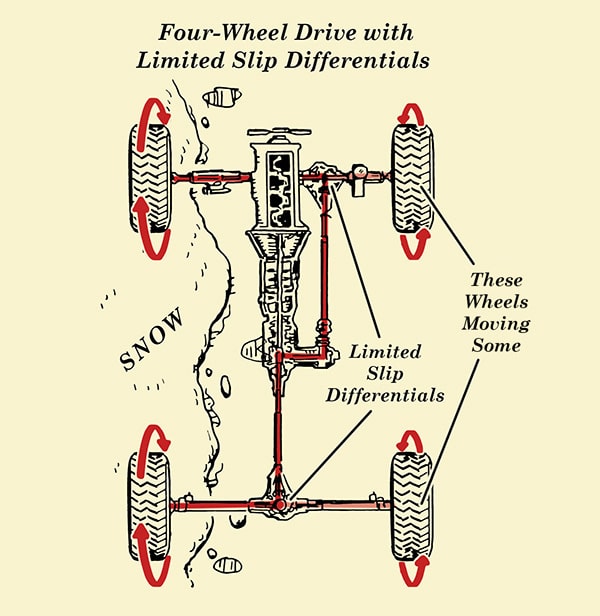
4WD can make tight turns feel different. The front and rear wheels are connected, so turning sharply may cause some resistance. This is called “driveline binding” or “wind-up.”
Slow down before entering a tight turn. Avoid sudden steering movements. This reduces stress on the drivetrain and tires. On loose surfaces like dirt or gravel, 4WD helps maintain control during turns.
Recognizing Grip Improvement
With 4WD engaged, your vehicle should feel more stable. You will notice better traction on slippery or uneven roads. The vehicle moves forward with less wheel spin or slipping.
Test this by gently accelerating on a wet or loose surface. If the wheels grip and the vehicle moves smoothly, the 4WD is working correctly. This extra grip gives you more confidence in tough conditions.
Noticing Sounds And Vibrations
Some sounds and vibrations are normal with 4WD active. You may hear a slight whirring or humming from the transfer case and differentials. This comes from extra gears working to power all wheels.
Watch for unusual noises like clunking or grinding. These can signal problems with the 4WD system. Also, feel if vibrations increase during turns or at higher speeds. If so, check your vehicle or visit a mechanic.
Step-by-step Engagement
Engaging 4 wheel drive manual correctly is essential for vehicle safety and performance. Many drivers make simple mistakes that cause damage or reduce control. Understanding what to avoid helps keep your 4WD system in good shape and prevents accidents.
Below are common errors to watch out for when using your 4 wheel drive manual system.
Using 4wd On Dry Pavement
Engaging 4WD on dry pavement causes strain on the drivetrain. The tires cannot slip, creating tension in the system. This leads to premature wear and possible damage. Use 4WD only on loose or slippery surfaces like mud, snow, or gravel.
Engaging At High Speeds
Shifting into 4WD at high speeds risks transmission damage. The system is designed to engage at low speeds or while stopped. Always slow down or stop before switching modes. This prevents jerks, noise, and mechanical issues.
Ignoring Vehicle Specifics
Every vehicle has unique steps to engage 4WD. Ignoring your owner’s manual causes mistakes and damage. Some require stopping, shifting to neutral, or using a lever or button. Follow your vehicle’s instructions closely for safe operation.
Credit: www.artofmanliness.com

Credit: www.youtube.com
Frequently Asked Questions
How To Manually Engage 4wd?
Bring the vehicle to a complete stop. Shift the transmission to Neutral. Use the 4WD lever, knob, or button to engage. Consult your owner’s manual for exact steps. Avoid engaging 4WD on dry pavement to prevent damage.
How To Engage A Four-wheel Drive?
To engage four-wheel drive, slow down and stop the vehicle. Shift the transmission to neutral, then activate 4WD using the lever, knob, or button. Finally, shift back to drive and proceed slowly. Always check your vehicle’s manual for specific instructions.
Do You Need To Be In Neutral To Switch To 4wd?
You usually need to be in neutral or stopped to switch to 4WD. Check your vehicle’s manual for exact instructions. Shifting in neutral helps protect the drivetrain and ensures smooth engagement. Some systems allow shifting at low speeds, but stopping or slowing down is safest.
How To Tell If 4×4 Is Engaged?
Check your dashboard for a 4×4 indicator light. Feel tighter steering on loose surfaces and notice improved traction. Some vehicles make a subtle clunk or vibration when engaged. Consult your manual for specific symbols and engagement steps.
Conclusion
Engaging your 4 wheel drive manual properly keeps your vehicle safe and efficient. Always slow down before shifting to avoid damage. Stop fully if your vehicle’s system requires it. Use neutral as a helpful step for smooth engagement. Check your vehicle’s manual to follow exact instructions.
Pay attention to dashboard lights and driving feel. Practice these steps to build confidence on different terrains. Driving with care preserves your vehicle’s performance and longevity.