How to Fix a Stripped Oil Drain Plug: Quick & Easy Solutions
 Reading Time: 9 minutes
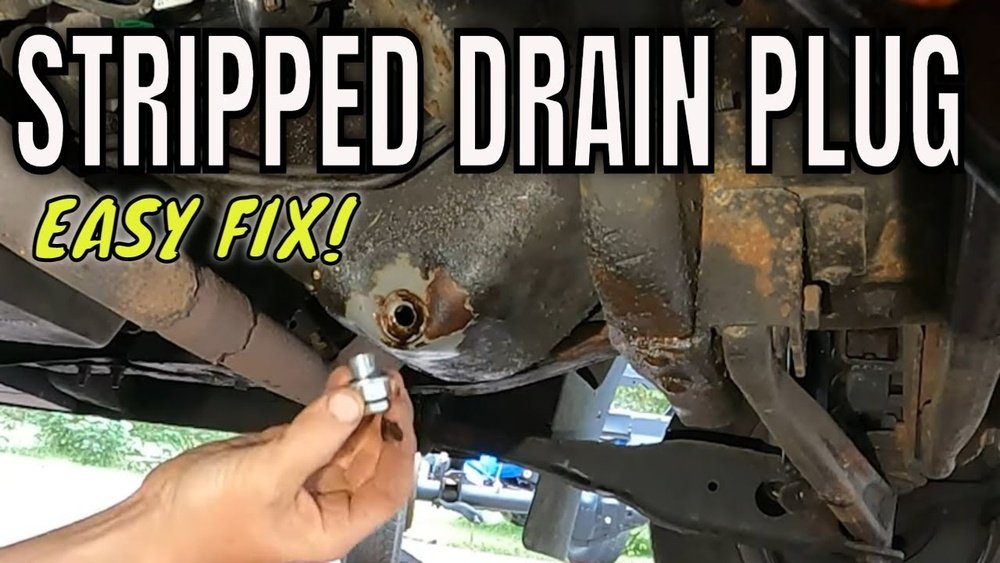
 If you’ve ever tried changing your oil only to find the drain plug won’t tighten, you’re dealing with a stripped oil drain plug. It’s frustrating, and if ignored, it can lead to oil leaks that damage your engine.
But don’t worry—fixing this common problem is easier than you think. In this guide, you’ll discover simple, practical ways to repair your stripped drain plug, from quick temporary fixes to permanent solutions that restore your car’s reliability. Keep reading, and you’ll learn exactly what to do to get your oil drain plug working perfectly again.
Causes Of Stripped Drain Plugs
Stripped oil drain plugs happen when the threads wear out or get damaged. This damage stops the plug from sealing the oil pan properly. Understanding the causes helps prevent future problems and makes repairs easier.
Most stripped drain plugs result from mistakes during oil changes or using the wrong tools. Sometimes, the metal on the plug or oil pan is weak. Repeated tightening and loosening can also wear down the threads over time.
Incorrect Tool Use
Using the wrong wrench or socket can damage the drain plug head. This leads to slipping and stripping the threads. Always select the correct size tool to avoid damage.
Over-tightening
Turning the drain plug too tight can strip the threads. The metal threads are soft and can wear out quickly. Tighten the plug only until it is snug.
Cross-threading
Starting the plug at the wrong angle causes cross-threading. This damages the threads on both the plug and the oil pan. Always screw the plug in gently and straight.
Worn Or Damaged Threads
Old drain plugs and pans may have worn threads. Rust or dirt can weaken the threads, making them strip easily. Inspect and clean threads before reinstalling the plug.
Using Low-quality Parts
Cheap drain plugs often have soft or poorly made threads. They wear out faster and strip more easily. Choose quality plugs designed for your vehicle.
Credit: www.reddit.com
Tools And Materials Needed
Gathering the right tools and materials is the first step to fix a stripped oil drain plug. These items help you work safely and efficiently. Having everything ready avoids delays and mistakes during the repair.
Some tools are common in most toolkits, while others are specific to thread repair. Choose quality materials for a durable fix. Using the proper supplies protects your vehicle and prevents future leaks.
Basic Tools
- Socket wrench set – to remove and tighten the drain plug
- Drain pan – to catch the oil during removal
- Clean rags – to wipe spills and clean the area
- Jack and jack stands – to safely lift and support the vehicle
Thread Repair Kits
- Helicoil or Time-Sert kit – includes drill bits, taps, and coil inserts
- Thread tap – to cut new threads in the oil pan
- Drill – for removing damaged threads
- Thread insert tool – to install the coil insert properly
Alternative Fix Materials
- Oversized self-tapping drain plug – fits larger or damaged holes
- High-strength sealant like JB Weld or RTV silicone – for temporary sealing
- Loctite or similar thread locker – to secure new plugs or inserts
Using Thread Repair Kits
Using a thread repair kit is a reliable way to fix a stripped oil drain plug. These kits restore the damaged threads by creating new, strong threads inside the oil pan. The process involves removing old threads and installing a metal insert. This insert fits tightly and prevents leaks. Thread repair kits offer a durable, long-lasting solution that saves the oil pan from replacement.
Draining The Oil
Begin by draining the engine oil completely. Use a drain pan to catch all the oil. This step prevents spills and keeps your workspace clean. Make sure the engine is cool to avoid burns. Removing the oil also makes the repair easier and safer.
Drilling Out Old Threads
Next, drill out the damaged threads carefully. Use the drill bit size recommended in the repair kit instructions. Drill straight to avoid damaging the oil pan further. This creates a smooth hole for the new threads. Take your time and work slowly.
Tapping New Threads
Use the tapping tool included in the kit to cut new threads. Turn the tap slowly and steadily into the drilled hole. Keep the tap aligned straight to avoid cross-threading. Clean out any metal shavings after tapping. Proper threads are key for a tight seal.
Installing The Insert
Now, install the metal insert into the newly tapped hole. Some kits require applying thread locker for extra hold. Press or screw the insert in until it sits flush with the pan surface. The insert acts as a new thread for the drain plug. Check that it fits snugly and securely.
Final Cleaning
Finally, clean the area around the repair thoroughly. Remove any oil, debris, or metal shavings. Wipe the insert and pan dry before reattaching the drain plug. This ensures a clean, leak-free seal. After cleaning, refill the engine with fresh oil. Your repair is now complete and ready for use.
Oversized And Self-tapping Plugs
Oversized and self-tapping plugs offer a practical solution for fixing a stripped oil drain plug. These plugs provide a way to restore the seal without extensive repairs. They work by creating new threads in the oil pan or by using a larger plug size. This method suits quick fixes and can prevent leaks effectively. Using oversized or self-tapping plugs requires some care to avoid further damage and ensure a tight fit.
Choosing The Right Plug
Select a plug slightly larger than the original drain plug. Check the oil pan thread size before buying. Self-tapping plugs have sharp threads to cut into metal. Oversized plugs rely on a snug fit to seal properly. Use plugs designed for oil drain pans to avoid leaks. Avoid plugs that are too large, which may damage the pan.
Drilling For Oversized Plug
Drain the oil before starting to drill. Use a drill bit sized for the new plug. Drill slowly to avoid cracking the oil pan. Keep the drill straight to ensure clean threads. Remove metal shavings carefully to prevent engine damage. After drilling, clean the hole thoroughly before inserting the plug.
Sealing Techniques
Apply thread sealant or tape to the plug threads. This prevents oil leaks around the plug. Hand-tighten the plug first, then use a wrench. Avoid over-tightening, which can strip threads again. Check for leaks after installation by running the engine. Re-tighten slightly if any small leaks appear.
Temporary Fixes
Temporary fixes for a stripped oil drain plug help stop leaks until a permanent repair is possible. These solutions are quick, easy, and cost-effective. They allow you to drive safely without losing oil or causing engine damage. Use these methods carefully and only as a short-term fix.
Using Larger Standard Plugs
A common temporary fix is to use a larger oil drain plug. This plug fits tighter in the stripped hole. It creates a better seal and stops oil from leaking. Choose a plug one size bigger than the original. Screw it in gently to avoid further damage. This fix works well if the threads are only slightly stripped.
Applying Jb Weld Or Rtv Sealant
Another quick fix is applying JB Weld or RTV sealant around the drain plug. Clean the area well before applying. Put a small amount of sealant on the threads of the plug. Screw it into the drain hole slowly. The sealant fills gaps and stops leaks. Let the sealant cure for the time recommended on the package. This method is best for minor thread damage and temporary use only.
Common Mistakes To Avoid
Fixing a stripped oil drain plug can be tricky. Avoiding common mistakes saves time and prevents more damage. Learn what errors to skip for a smooth repair process.
Using The Wrong Tools
Using incorrect tools can worsen the stripped threads. Always choose a proper thread repair kit or the right drill size. Cheap or mismatched tools cause more harm than good.
Skipping The Oil Drain
Do not forget to drain the oil before fixing the plug. Leaving oil inside risks spills and makes the job messy. Clean oil pan area helps spot damage clearly.
Ignoring Thread Alignment
Misaligned drilling or tapping ruins thread inserts. Keep the tool straight and steady during repair. A crooked insert weakens the seal and causes leaks.
Over-tightening The New Plug
Tightening too much damages new threads quickly. Use a torque wrench and follow the vehicle’s specs. Proper tightness ensures a secure and lasting fix.
Choosing Temporary Fixes As Permanent Solutions
Temporary fixes like oversized plugs or sealants do not last long. These methods may cause leaks and require frequent checks. Invest time in a proper thread repair kit for durability.
Tips For A Leak-free Repair
Fixing a stripped oil drain plug requires care to prevent leaks. A leak-free repair ensures your engine stays protected. Follow these simple tips for a secure, lasting fix. Proper steps and tools help avoid future oil drips and damage.
Use The Right Thread Repair Kit
Choose a quality thread insert kit like Helicoil or Time-Sert. These kits restore the original thread size with strong metal coils. Follow the instructions carefully to drill and tap the hole correctly. Installing the insert straight is key to a tight seal.
Clean The Drain Hole Thoroughly
Remove old oil, debris, and metal shavings from the drain hole. Use a clean rag and brake cleaner to wipe the area. A clean surface helps the new threads grip well and prevents leaks.
Apply Thread Sealant Properly
Use a high-temperature thread sealant or oil-resistant tape on the plug threads. Avoid too much sealant, which can cause blockage. A thin, even layer improves sealing without interfering with the plug fit.
Tighten The Plug To The Correct Torque
Use a torque wrench to tighten the drain plug to the vehicle’s specification. Over-tightening can strip the new threads or damage the oil pan. Under-tightening may cause leaks. Proper torque ensures a strong, leak-free connection.
Inspect For Leaks After Repair
After refilling oil, check around the drain plug for any signs of leakage. Run the engine briefly and observe the area carefully. Catching leaks early allows quick fixes before damage occurs.
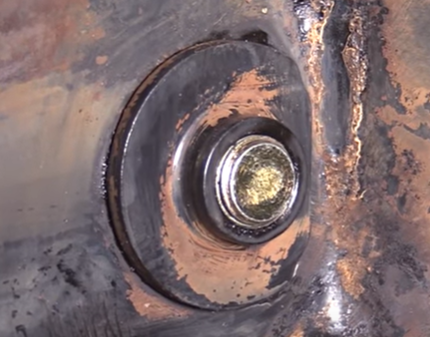
Credit: blog.1aauto.com

Credit: www.youtube.com
Frequently Asked Questions
How To Fix Stripped Threads In An Oil Pan?
Drain the oil and clean the area. Drill out old threads, tap new ones, and install a thread repair insert. Alternatively, use a self-tapping oversized plug with sealant for a simpler fix. Temporary fixes include oversized plugs or applying JB Weld/RTV sealant for a leak-free seal.
Can You Put Teflon Tape On An Oil Drain Plug?
Yes, you can put Teflon tape on an oil drain plug to help seal minor leaks. Use it sparingly to avoid contamination.
Can I Drive With A Stripped Oil Drain Plug?
Driving with a stripped oil drain plug risks oil leaks and engine damage. Repair or replace the plug before driving. Use a thread repair kit or oversized plug for a secure fix. Temporary fixes like sealants are less reliable and only short-term solutions.
How To Remove Oil Drain Plug With Rounded Edges?
Use a socket with a rubber insert or a bolt extractor to grip the rounded plug. Apply penetrating oil, then turn slowly. If stuck, tap gently with a hammer to loosen it. Avoid damaging threads by using proper tools and steady force.
Conclusion
Fixing a stripped oil drain plug protects your engine from leaks. Using a thread repair kit gives a strong, lasting fix. Oversized plugs offer a simpler, quick repair option. Always work carefully to avoid further damage. Regularly check your drain plug for tightness.
This keeps your oil sealed and engine safe. Taking time now can save costly repairs later. Keep your vehicle running smoothly with proper maintenance.