
How to Tell If Leaf Springs Are Bad: Signs You Can’t Ignore
 Reading Time: 7 minutes
 You rely on your vehicle every day, so it’s important to know when something isn’t working right—especially when it comes to your leaf springs. These hidden but critical parts help support your truck or SUV’s weight and keep your ride smooth.
If your leaf springs are bad, you might notice your vehicle leaning, bouncing too much, or making strange noises. But how can you be sure? You’ll learn simple ways to spot the signs of worn or broken leaf springs before they cause bigger problems.
Keep reading to protect your ride and stay safe on the road.

Credit: leafsprings198.com
Visual Signs Of Bad Leaf Springs
Leaf springs play a key role in your vehicle’s suspension. They absorb shocks and keep your ride smooth. Visual signs of bad leaf springs help spot problems early. These signs show before serious damage occurs. Checking leaf springs regularly keeps your vehicle safe and stable.
Uneven Ride Height
Uneven ride height means one side of the vehicle sits lower. The car may lean or sag on one side. This happens when a leaf spring weakens or breaks. A sagging side reduces driving control. It also causes uneven tire wear. Notice the height difference when parked on flat ground.
Rust And Corrosion
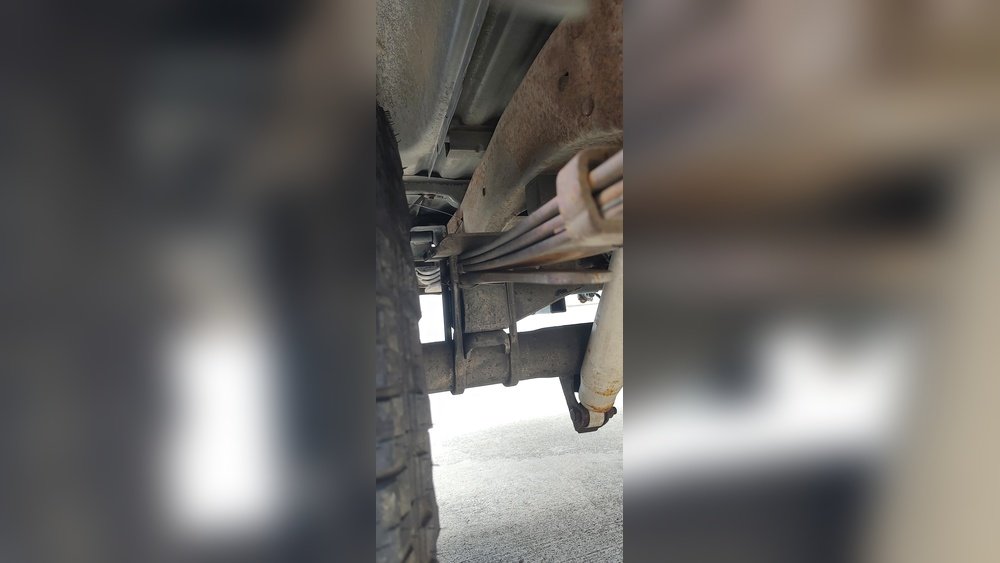
Rust and corrosion weaken leaf springs over time. Look for reddish-brown spots or flaky metal on the springs. Corroded springs lose strength and can crack. Rust often starts near the mounting points or where the metal bends. Severe rust might lead to spring failure and unsafe driving.
Damaged Bumpers
Bumpers, or jounce stops, protect leaf springs from harsh impacts. Damaged bumpers appear worn, smashed, or missing. Without good bumpers, springs hit hard surfaces and crack. This leads to noisy, rough rides. Check bumpers for cracks or missing pieces during inspections.

Credit: www.tacomaworld.com
Performance Symptoms To Watch For
Performance issues often reveal bad leaf springs before visual signs appear. These symptoms affect how your vehicle drives daily. Noticing these early helps prevent further damage and unsafe driving conditions. Watch for changes in ride quality and vehicle behavior. Below are common performance symptoms indicating leaf spring problems.
Excessive Bouncing
The vehicle bounces more than usual after hitting a bump. Good leaf springs absorb shocks quickly. When springs weaken, the car keeps bouncing up and down. This makes driving uncomfortable and unsafe. Test this by pressing down on the vehicle’s corners and releasing. More than one or two bounces means the springs may be failing.
Harsh Or Bumpy Ride
A rough, uncomfortable ride can mean bad leaf springs. Springs should cushion the ride by absorbing road shocks. When they wear out, every bump feels sharp and jolting. This harshness affects both comfort and control. Notice if the vehicle feels stiffer or less smooth than before.
Clunking And Rattling Noises
Noises like clunks or rattles often come from worn leaf springs. These sounds usually appear when driving over bumps or rough roads. Loose or broken springs move and hit other parts. Listen carefully during turns or on uneven surfaces. Persistent clunking is a strong sign of spring issues.
Poor Handling
Bad leaf springs reduce vehicle stability and control. The car may sway, lean, or feel unstable in turns. Steering response can feel delayed or loose. This happens because the springs no longer support the vehicle correctly. Poor handling increases the risk of accidents, so it needs quick attention.
Uneven Tire Wear
Uneven tire wear often points to suspension problems like bad leaf springs. Worn springs cause uneven weight distribution on tires. Tires may wear faster on one side or show patchy tread patterns. This reduces tire life and affects road grip. Check tires regularly for unusual wear patterns.
Simple Bounce Test For Leaf Springs
The simple bounce test for leaf springs helps check their condition quickly. It uses the vehicle’s natural rebound to show if springs work well. This test requires no tools and takes just a few seconds. Follow the steps carefully to get clear results.
Pressing Down On Vehicle Corners
Stand beside the vehicle and press down hard on one corner. Use your hands or body weight to push the corner down. Press enough to compress the suspension fully but not too hard. This action loads the leaf springs and tests their strength.
Observing Vehicle Rebound
Release the corner quickly after pressing down. Watch how the vehicle moves back up. A good spring will push the vehicle up smoothly and stop quickly. A bad spring will cause the vehicle to bounce up and down several times.
Interpreting Bounce Results
Count the number of bounces after you release the corner. One or two bounces mean the springs are still good. More than two bounces mean the springs are weak or worn out. If the vehicle does not rise back properly, springs may be broken or damaged.
Inspection And Measurement Tips
Inspecting and measuring leaf springs helps spot early problems. Regular checks keep your vehicle safe and smooth. Use simple tools and clear steps for accurate results.
Focus on rust, cracks, ride height, and loose parts. These signs often show spring wear or damage. Follow these tips to inspect and measure leaf springs correctly.
Checking For Rust And Cracks
Look closely at the leaf springs for rust patches. Rust weakens the metal and can cause breaks. Check each spring layer for cracks or chips in the paint. Cracks may start small but grow quickly under stress. Clean the springs to see damage clearly. Use a flashlight for better visibility in dark spots.
Measuring Ride Height
Measure the distance between the axle and vehicle frame. Use a tape measure or ruler for precision. Compare both sides of the vehicle to find uneven height. Lower ride height on one side means weak or broken springs. Mark the measurements and check regularly for changes. Ride height helps identify sagging or worn springs early.
Tightening Nuts And Bolts
Inspect all nuts and bolts holding the springs in place. Loose hardware can cause noise and movement. Use a wrench to tighten any loose fasteners firmly. Avoid over-tightening, which can damage threads. Check shackles, U-bolts, and mounting points. Properly tightened parts ensure the springs work well and last longer.
Replacement Guidelines
Knowing when to replace your leaf springs helps keep your vehicle safe and stable. Leaf springs wear out over time and lose their strength. Replacing them at the right time prevents further damage to your suspension system. Follow key guidelines to ensure a smooth and effective replacement process.
Replacing Springs In Pairs
Always replace leaf springs in pairs on the same axle. This keeps the vehicle balanced and ensures even weight distribution. Installing only one spring can cause uneven ride height and poor handling. Paired replacement helps maintain consistent performance and prolongs the life of your suspension.
Choosing Quality Leaf Springs
Select leaf springs made from durable materials and reliable brands. High-quality springs offer better support and last longer under heavy loads. Look for springs with good customer reviews and proper fit for your vehicle model. Investing in quality parts reduces the chance of early failure and costly repairs.
When To Consult A Professional
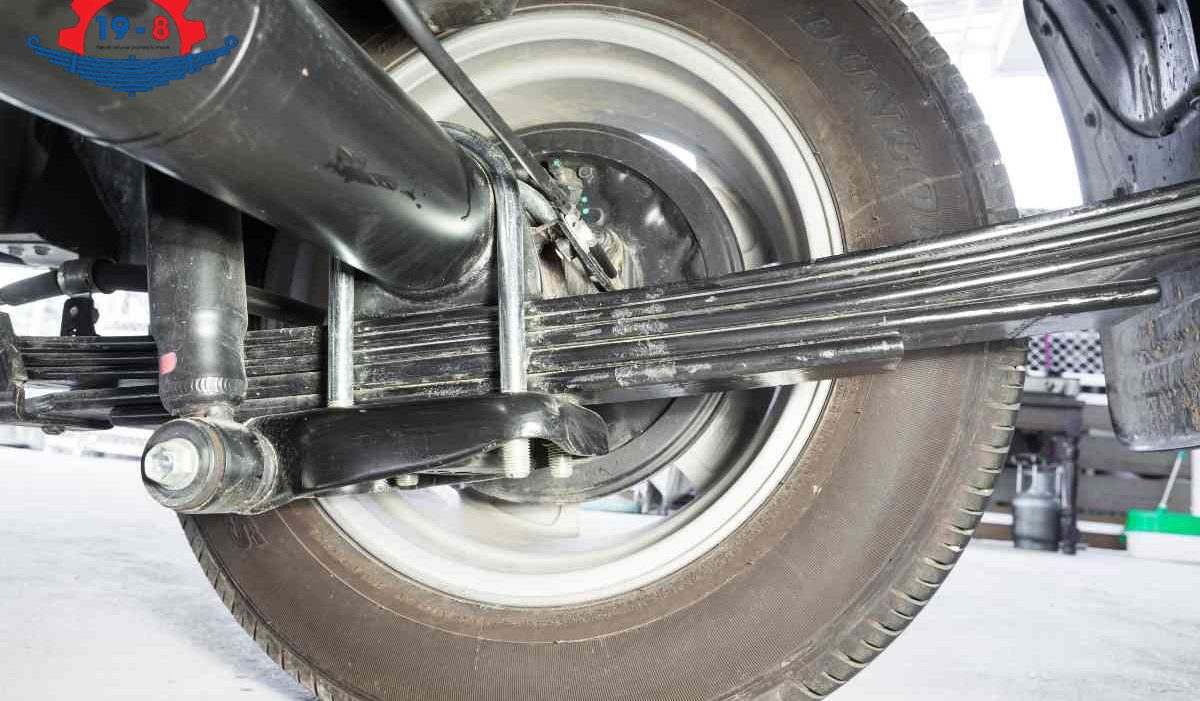
Seek help from a mechanic if you feel unsure about replacing leaf springs. Professionals have the tools and experience to inspect and install springs correctly. They can identify hidden issues that may affect your suspension. Getting expert advice ensures safety and proper vehicle performance after replacement.
Credit: leafsprings198.com
Frequently Asked Questions
How Do You Test Leaf Springs?
Test leaf springs by pressing down on each vehicle corner and counting bounces. More than two indicates weakness. Also, grab the spring ends and try to move them sideways; no movement means secure springs. Inspect for rust, cracks, sagging, and check nuts and bolts for tightness.
How Many Miles Do Leaf Springs Last?
Leaf springs typically last between 50,000 and 100,000 miles. Their lifespan depends on load, road conditions, and maintenance. Regular inspections help identify wear early. Replace springs if you notice sagging, rust, cracks, or poor vehicle handling to maintain safety and performance.
How To Tell If Springs Are Bad?
Check for sagging, rust, cracks, or uneven ride height. Notice excessive bouncing, clunking noises, poor handling, or uneven tire wear. Press down on each corner; if the vehicle bounces more than twice, springs are likely bad and need replacement.
How To Check For Bad Leaf Spring Bushings?
Check for bad leaf spring bushings by inspecting for cracks, excessive movement, or wear around the bushings. Listen for clunking noises when driving over bumps. Push the suspension to see if it feels loose or unstable. Replace worn bushings to maintain proper suspension function.
Conclusion
Bad leaf springs show clear signs that you can spot easily. Sagging or uneven ride height signals trouble ahead. Listen for clunking sounds when driving over bumps. Excessive bouncing after pressing down means springs are weak. Rust and cracks on the springs reduce their strength.
Poor handling and uneven tire wear also point to problems. Regularly checking leaf springs helps keep your vehicle safe. Catching issues early saves money and prevents bigger repairs. Stay alert to these signs and act promptly for a smooth ride.