Jeep Xj Wheel Hub Torque: Essential Guide for Perfect Tightening
 Reading Time: 9 minutes
 If you’re working on your Jeep XJ, getting the wheel hub torque just right is crucial for your safety and your vehicle’s performance. Too loose, and your wheel could wobble or even come off.
Too tight, and you risk damaging bearings or other parts. So, how do you know the exact torque to apply? You’ll discover the essential torque specs for your Jeep XJ’s wheel hubs, why they matter, and how to properly tighten them using the right tools and techniques.
Keep reading to make sure your ride stays smooth, safe, and reliable every time you hit the road.

Credit: thexjguys.wordpress.com
Wheel Hub Torque Basics
Proper wheel hub torque is essential for Jeep XJ’s safety and performance. It ensures the wheel bearings work smoothly and last longer. Incorrect torque can cause bearing damage or wheel wobble. Understanding the basics helps you maintain your Jeep better.
Different hub types and torque methods require specific attention. Let’s explore key concepts about sealed vs adjustable hubs, bearing preload, and the torque-and-back-off method.
Sealed Vs Adjustable Hubs
Sealed hubs come pre-lubricated with bearings inside a sealed unit. They need a precise torque setting but no further adjustment. They are easier to maintain and reduce contamination risk.
Adjustable hubs use tapered roller bearings that require manual setting. You must adjust the bearing preload to the correct level. This process takes more time but allows for fine-tuning wheel bearing tension.
Bearing Preload Importance
Bearing preload is the tightness of the bearing inside the hub. It controls bearing movement and heat generation. Too much preload causes friction and wear.
Too little preload leads to loose bearings and wheel play. Correct preload improves bearing life and wheel stability. Always follow factory specs for preload values.
Torque-and-back-off Method
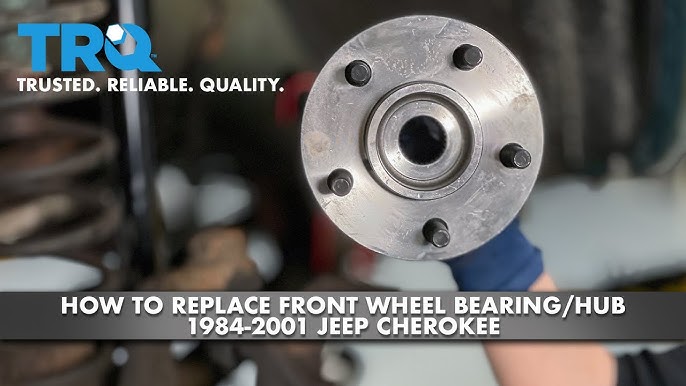
This method sets proper bearing preload on adjustable hubs. First, tighten the axle nut to a specified torque. Then, back off the nut about one full turn.
Next, retighten the nut to a lower torque value. This ensures the bearing is snug but not too tight. The method prevents bearing damage and ensures smooth wheel rotation.
Credit: www.youtube.com
Factors Affecting Torque Specs
The torque specifications for Jeep XJ wheel hubs vary due to multiple factors. Correct torque ensures safety and proper bearing function. Understanding these factors helps avoid damage and premature wear. Each element influences how much force applies when tightening the hub.
Vehicle Make And Model
Different Jeep XJ models require different torque settings. Manufacturers design hubs to match vehicle weight and use. Older models might have different specs than newer ones. Always check the exact year and model for accurate torque values.
Bearing Type Differences
Wheel bearings come in sealed or adjustable types. Sealed bearings usually need higher, fixed torque. Adjustable bearings require precise preload adjustments. The bearing type changes how much torque is necessary to secure the hub properly.
Axle Size And Design
The axle’s size and shape affect torque needs. Larger axles often require more torque to hold bearings in place. Design features like spindle length and thread pitch also impact torque settings. Matching torque to axle design prevents loosening or overtightening.
Assembly Type Variations
Wheel hub assemblies can be factory-set or manually adjusted. Factory-set hubs have preset torque values from the manufacturer. Manual assemblies need careful torque and back-off procedures. Knowing the assembly type guides the correct torque application for the Jeep XJ.
Torque Procedures
Proper torque procedures are essential for Jeep XJ wheel hub installation. Correct torque ensures the bearings work smoothly and last longer. Over-tightening or under-tightening can cause damage or early failure.
This section explains two main torque methods used for Jeep XJ wheel hubs. It also highlights common mistakes to avoid during the process.
Adjustable Bearing Method
This classic method uses adjustable tapered roller bearings. Start by tightening the spindle nut until it seats firmly. Then, loosen the nut about one full turn to release preload. Next, tighten the nut again slowly while spinning the hub. Stop when you feel slight resistance and no play. Finally, secure the nut with a cotter pin to prevent loosening.
Preset And Sealed Hub Method
Many modern Jeep XJ hubs come as sealed units with preset bearings. These require less adjustment. Tighten the axle nut to the torque specified by the manufacturer. Use a calibrated torque wrench for accuracy. Avoid loosening or re-tightening, as sealed hubs have factory-set preload. This method reduces service time and risk of bearing damage.
Common Mistakes To Avoid
Do not guess torque values. Always check your Jeep’s manual for exact specs. Avoid using worn or incorrect tools that can slip or over-torque. Do not skip the “back-off” step with adjustable bearings. Over-tightening causes bearing overheating and damage. Under-tightening leads to loose hubs and unsafe driving. Always use a quality torque wrench and follow the sequence carefully.
Finding Correct Torque Specs
Finding the correct torque specs for your Jeep XJ wheel hub is vital. Proper torque ensures safety and extends the life of your wheel bearings. Too much or too little torque can cause damage or failure. You need accurate information from trusted sources. Below are key places to find the exact torque numbers for your Jeep XJ wheel hub.
Factory Service Manuals
Factory service manuals provide the official torque specs. These manuals are made by Jeep and cover each model year. They include detailed instructions for wheel hub assembly and tightening sequences. Using the factory manual helps you follow the exact specs designed for your vehicle. It is the most reliable source for correct torque values.
Bearing Manufacturer Guides
Bearing brands like Timken, BCA, and Dexter offer specific guides. These guides show the torque needed for their bearings. They also explain installation steps and preload settings. Following the bearing manufacturer’s specs prevents over-tightening or under-tightening. This protects the bearing and hub from early wear or failure.
Hub Assembly Spec Sheets
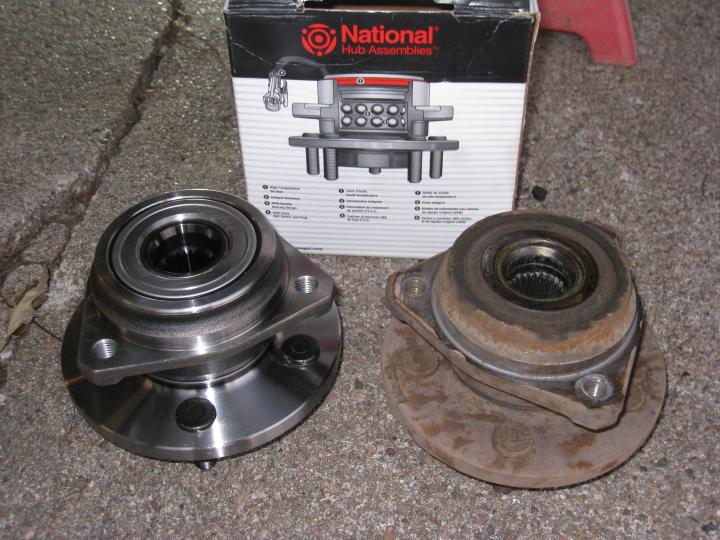
New hub assemblies often come with spec sheets inside the box. These sheets list the exact torque numbers for installation. They sometimes include diagrams and tips for correct tightening. Checking the spec sheet avoids guesswork and ensures proper setup. Always read this sheet before starting your wheel hub job.
Tools And Tips
Proper tools and smart tips ensure the Jeep XJ wheel hub torque is done right. This step protects the wheel bearings and keeps the vehicle safe on the road. Using the right tools and following correct methods prevent damage and extend part life.
Below are key tools and tips to help you torque your Jeep XJ wheel hub correctly.
Using Calibrated Torque Wrenches
Always use a calibrated torque wrench for tightening the wheel hub. This tool applies precise force, preventing over-tightening or under-tightening. Calibrated wrenches give consistent results every time. They protect the bearing from damage caused by wrong torque.
Following Manufacturer Sequences
Follow the exact tightening sequence recommended by the manufacturer. This sequence ensures even pressure on the hub assembly. Tightening bolts in the wrong order can cause uneven bearing load. Proper sequences help the wheel hub sit correctly and avoid loosening over time.
Preventing Premature Bearing Failure
Correct torque settings prevent early bearing wear or failure. Too tight causes excess heat and stress. Too loose allows movement and contamination. Always check the factory service manual or hub instructions for torque specs. Proper torque keeps your Jeep XJ safe and smooth on the road.
Credit: www.jedi.com
Jeep Xj Lug Nut Torque
Proper lug nut torque is vital for Jeep XJ wheel safety and performance. Tightening lug nuts correctly keeps wheels secure during driving. Too little torque risks loose wheels, while too much can damage studs or hubs. Understanding the correct torque values and tightening method helps prevent costly repairs and ensures smooth rides.
Recommended Torque Values
The Jeep XJ lug nut torque usually ranges between 75 to 85 ft-lbs. Always check your vehicle’s manual for exact numbers. Using a calibrated torque wrench ensures accuracy. Tighten each lug nut to the specified torque to avoid uneven pressure and wheel issues.
Star Pattern Tightening
Tighten lug nuts in a star pattern. This means crossing opposite nuts rather than going around in a circle. This method evenly distributes pressure on the wheel hub. It reduces the chance of warping the brake rotor or wheel. Repeat the pattern twice for best results.
Re-torquing Importance
Re-torque lug nuts after driving 25 to 50 miles. Wheels can settle, causing nuts to loosen slightly. Checking and tightening them again keeps the wheel firmly attached. Regular re-torquing improves safety and extends the life of wheel components.
Example Torque Settings
Tightening wheel hubs on a Jeep XJ requires specific torque settings. These settings ensure parts fit correctly and work safely. Using the right torque prevents damage and keeps your vehicle reliable.
Below are example torque numbers for different parts of the Jeep XJ wheel hub assembly. Follow these guidelines for proper installation and maintenance.
Jeep Xj Wheel Hub Torque Numbers
The wheel hub torque for a Jeep XJ typically falls between 85 and 95 ft-lbs. This range secures the hub assembly firmly to the axle. Proper torque avoids hub movement and bearing wear.
Always check your vehicle’s service manual for exact values. Torque can differ by model year and hub type.
Lug Nut Torque Specifications
Lug nuts on a Jeep XJ should be tightened to about 75 ft-lbs. This torque ensures wheels stay attached without over-tightening. Over-tightening can strip threads or warp brake rotors.
Use a calibrated torque wrench for accuracy. Tighten lug nuts in a star pattern to distribute pressure evenly.
Axle Nut Torque Guidelines
The axle nut on a Jeep XJ requires a higher torque, usually around 130 to 150 ft-lbs. This secures the axle shaft and maintains proper bearing preload. Too little torque causes looseness; too much causes bearing damage.
Some axle nuts require a torque-and-back-off method. Tighten to the specified torque, then loosen slightly to set bearing preload correctly.
Frequently Asked Questions
What Is The Torque For Tightening Wheel Hubs?
Tighten wheel hubs to the manufacturer’s specified torque, typically between 65-100 ft-lbs. Always use a calibrated torque wrench. Check your vehicle’s service manual or hub instructions for exact values. Proper torque prevents bearing damage and ensures safety. Follow the recommended tightening sequence carefully.
What Is The Torque Spec For Jeep Xj Lug Nuts?
The torque specification for Jeep XJ lug nuts is 95 ft-lbs. Tighten lug nuts in a star pattern for even pressure and safety. Use a calibrated torque wrench to avoid damage or uneven tightening.
What Is The Torque On The Front Axle Nut Of A 1998 Jeep Cherokee?
The front axle nut torque for a 1998 Jeep Cherokee is typically 125 ft-lbs. Use a calibrated torque wrench for accuracy. Always follow manufacturer guidelines to prevent bearing damage. Check the factory service manual for exact specifications. Proper torque ensures safe and reliable axle performance.
How Tight Should A Hub Assembly Be?
Tighten the hub assembly to the manufacturer’s specified torque using a calibrated wrench. Avoid over-tightening to prevent bearing damage. Follow the service manual for exact values and torque sequence. Proper torque ensures correct bearing preload and long-lasting performance.
Conclusion
Proper torque on Jeep XJ wheel hubs ensures safe and smooth driving. Tighten nuts using the correct specs and sequence. Use a calibrated torque wrench for best results. Avoid over-tightening to prevent bearing damage. Always check the factory manual for exact torque numbers.
Regular maintenance keeps your wheel hubs working well. Following these steps helps extend hub and bearing life. Stay safe on the road with accurate torque settings.