Radiator for a 2002 Jeep Grand Cherokee: Ultimate Replacement Guide
 Reading Time: 9 minutes
 If you own a 2002 Jeep Grand Cherokee, you know how important it is to keep your engine cool and running smoothly. Your radiator plays a crucial role in preventing overheating and costly repairs.
But how do you choose the right radiator for your Jeep? Whether your current radiator is leaking, clogged, or simply worn out, finding the perfect replacement can feel overwhelming. You’ll discover everything you need to know about selecting a radiator that fits your 2002 Jeep Grand Cherokee perfectly—so you can drive with confidence and avoid unexpected breakdowns.
Keep reading to learn how to spot radiator problems, compare your options, and make the best choice for your Jeep’s cooling system.
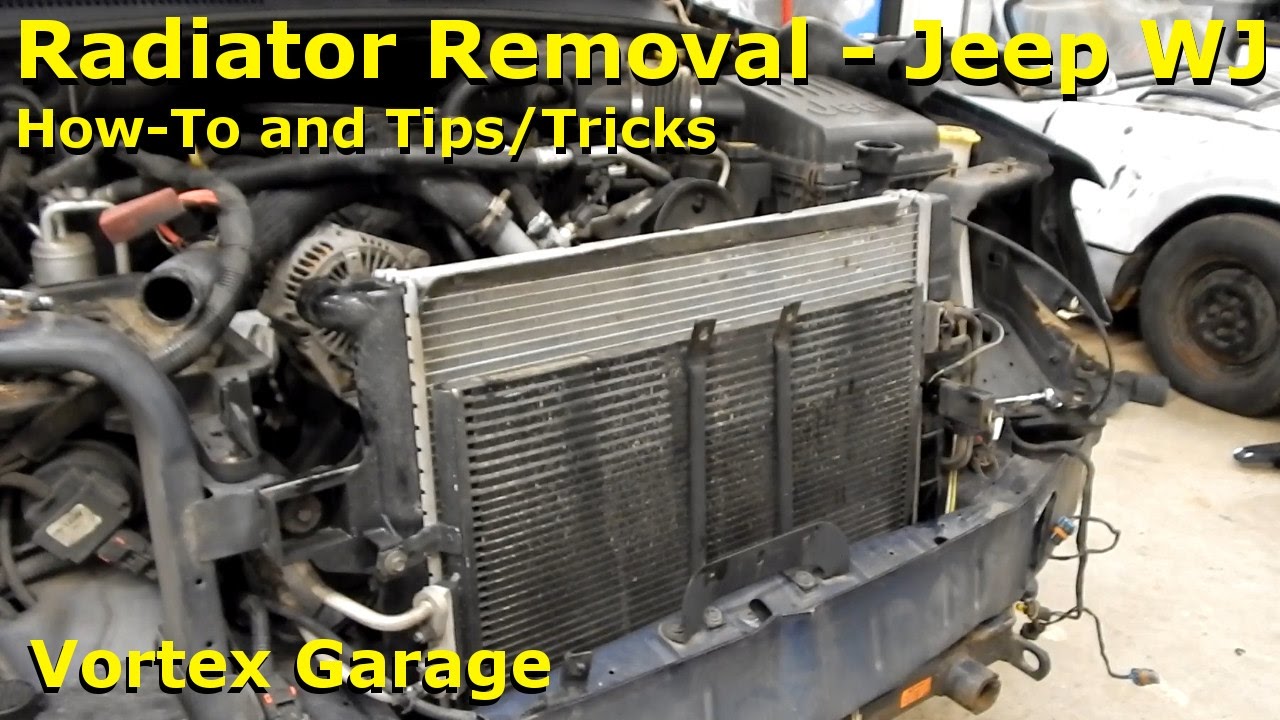
Credit: www.youtube.com
Signs Of A Failing Radiator
The radiator in your 2002 Jeep Grand Cherokee plays a vital role in keeping the engine cool. Recognizing signs of a failing radiator early helps prevent costly repairs. Watch out for clear symptoms that indicate radiator trouble. These signs often appear before the damage becomes severe.
Engine Overheating Alerts
The engine temperature gauge rising above normal is a key warning. Your Jeep may also show an engine warning light on the dashboard. These signals mean the radiator might not be cooling properly. Overheating can cause serious engine damage if ignored.
Coolant Leaks And Stains
Look under your vehicle for puddles or stains of coolant. The coolant usually has a bright green, orange, or pink color. Leaks near the radiator or hoses often point to cracks or holes. Losing coolant reduces the radiator’s ability to cool the engine efficiently.
Unusual Smells And Steam
A sweet, syrup-like smell near the engine can signal a coolant leak. Steam rising from under the hood is another red flag. Steam means the coolant is boiling due to overheating. Both smells and steam require immediate attention to avoid engine damage.
Choosing The Right Radiator
Choosing the right radiator for your 2002 Jeep Grand Cherokee is important. The radiator helps keep your engine cool and running well. Picking the right one saves you money and prevents future problems. Consider your options carefully to find the best fit for your Jeep.
Oem Vs Aftermarket Options
OEM radiators come from the original Jeep manufacturer. They fit perfectly and meet all factory standards. Aftermarket radiators are made by other companies. They often cost less and offer different designs. Some aftermarket options may not fit as well as OEM. Choose based on budget and quality needs.
Material Types: Aluminum And Plastic
Radiators are mainly made from aluminum or plastic. Aluminum radiators are strong and cool the engine faster. They last longer and resist damage better. Plastic radiators are lighter and cheaper. They may wear out faster over time. Aluminum is a good choice for durability and performance.
Compatibility With 2002 Grand Cherokee
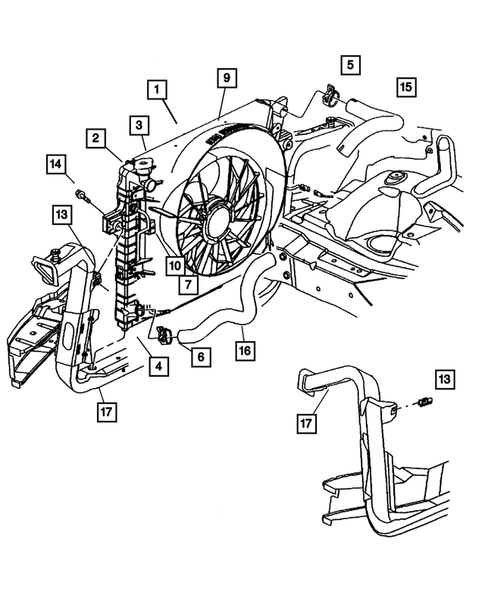
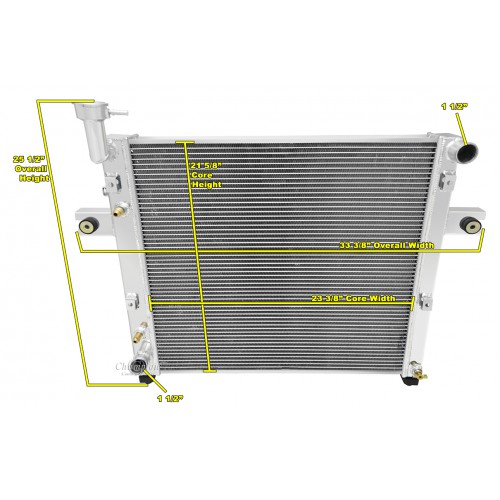
Not all radiators fit the 2002 Jeep Grand Cherokee. Check the model and engine type before buying. Make sure the radiator matches the mounting points and hose connections. Confirm if it supports your Jeep’s engine cooling needs. Proper fit ensures easy installation and reliable cooling.
Top Radiator Brands And Models
Choosing the right radiator for your 2002 Jeep Grand Cherokee is essential. The radiator keeps your engine cool and prevents overheating. Different brands and models offer various features and price points. Some radiators focus on durability, while others provide excellent value. Understanding top options helps you pick the best fit for your vehicle and budget.
Popular Radiators On The Market
Many Jeep owners trust brands like Mishimoto, Denso, and CSF. These radiators fit the 2002 Grand Cherokee well. They offer reliable cooling performance and good build quality. Mishimoto radiators often come with aluminum cores for better heat dissipation. Denso is known for OEM-quality parts that match original specs. CSF provides heavy-duty options for tough conditions.
Budget-friendly Choices
For those on a budget, there are affordable radiators that still offer decent performance. Brands like AutoShack and RadiatorExpress provide cost-effective replacements. These models use standard materials but maintain proper cooling. They suit daily drivers who want a quick, inexpensive fix. Budget radiators usually come with limited warranties but can last if cared for properly.
Premium radiators focus on durability and high performance. Alloyworks and Mishimoto offer heavy-duty models with reinforced tanks and thicker cores. These radiators handle extreme heat and off-road driving better. They often feature improved flow designs for faster cooling. Premium options cost more but can extend engine life under stress. Ideal for Jeep owners who tow or drive in harsh environments.
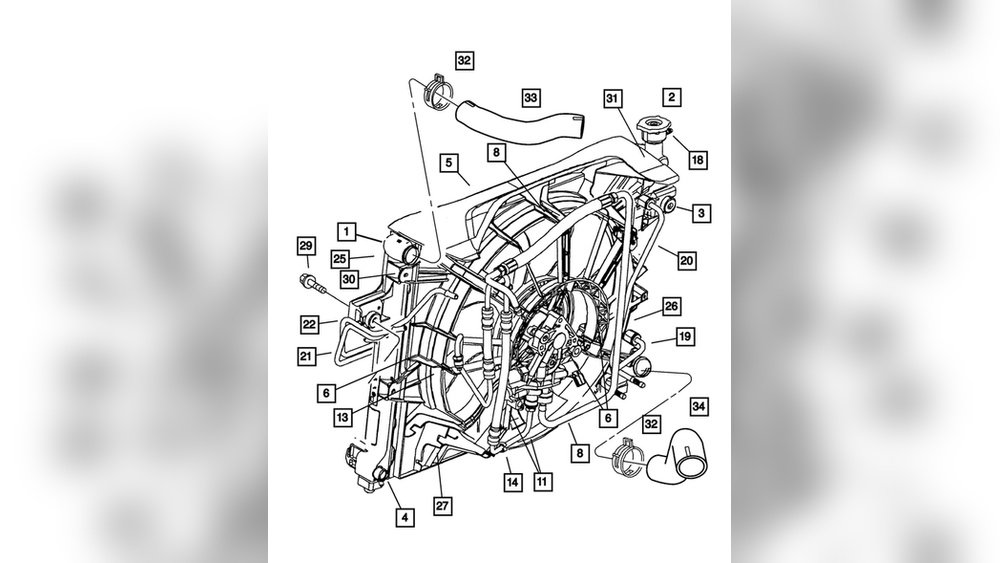
Credit: store.mopar.com
Cost Factors For Replacement
Replacing the radiator in a 2002 Jeep Grand Cherokee involves several cost factors. Understanding these helps plan your budget better. Costs vary depending on parts, labor, and possible extra repairs. Deciding between doing it yourself or hiring a professional also impacts the total expense.
Parts And Labor Expenses
The radiator itself usually costs between $70 and $350. Prices vary by brand and quality. Labor charges can range from $100 to $300. Mechanics charge for the time spent removing and installing the radiator. Total replacement cost often falls between $170 and $650.
Diy Vs Professional Installation
Doing the job yourself saves labor costs. Basic tools and mechanical skills are necessary. Mistakes can cause engine damage or leaks. Professional installation ensures correct fitting and testing. It provides warranty on work done. Consider your experience and confidence before choosing DIY.
Additional Repairs To Consider
Other parts may need replacement during radiator service. Hoses, clamps, and coolant often require changing. The thermostat and water pump might show wear. These repairs add to the final bill but prevent future problems. Always inspect related components for leaks or damage.
Step-by-step Replacement Process
Replacing the radiator on a 2002 Jeep Grand Cherokee can seem tough. Follow this step-by-step guide to make the job easier. This process helps avoid overheating and keeps your engine running smoothly. Take your time and work carefully for the best results.
Tools Needed For The Job
- Socket wrench set
- Screwdrivers (flathead and Phillips)
- Pliers
- Drain pan
- Funnel
- New radiator
- Coolant
- Shop towels or rags
- Gloves and safety glasses
Removing The Old Radiator
Start by parking your Jeep on a flat surface. Let the engine cool completely. Open the hood and locate the radiator.
Place a drain pan under the radiator drain plug. Open the plug to drain the coolant. Remove the radiator cap to speed draining.
Disconnect the upper and lower radiator hoses using pliers to loosen the clamps. Unplug any electrical connectors attached to the radiator fan.
Remove the bolts holding the radiator in place with a socket wrench. Carefully lift the old radiator out of the engine bay.
Installing The New Radiator
Place the new radiator in the same position as the old one. Secure it with bolts using a socket wrench.
Reconnect the upper and lower radiator hoses. Tighten the hose clamps firmly to prevent leaks.
Plug in the electrical connectors for the radiator fan. Double-check all connections and bolts for tightness.
Refilling And Bleeding The Cooling System
Use a funnel to pour the recommended coolant into the radiator. Fill the coolant reservoir to the proper level.
Start the engine and let it run with the radiator cap off. Watch for air bubbles escaping from the system.
Turn the heater on high to help circulate coolant. Add more coolant if the level drops.
Once the bubbles stop and the engine reaches normal temperature, replace the radiator cap. Check for leaks and ensure the cooling system works properly.
Maintenance Tips For Radiator Longevity
Maintaining the radiator in your 2002 Jeep Grand Cherokee is key to its long life. A well-kept radiator helps prevent engine overheating and costly repairs. Simple steps can keep your cooling system working well. These maintenance tips save money and avoid breakdowns.
Regular Coolant Checks
Check the coolant level often. Low coolant can cause the engine to overheat. Use the right type of coolant for your Jeep Grand Cherokee. Look for any signs of rust or dirt in the coolant. Dirty coolant can block the radiator and reduce cooling. Top up or replace coolant as needed to keep the system clean.
Flushing The Radiator
Flush the radiator every 2 years or 30,000 miles. Flushing removes old coolant and debris. This helps the radiator work efficiently. Use a flush solution made for vehicles. Follow the instructions carefully to avoid damage. Flushing improves heat transfer and prevents corrosion inside the radiator.
Inspecting Hoses And Connections
Check radiator hoses for cracks, leaks, or swelling. Damaged hoses can cause coolant loss and engine overheating. Tighten loose hose clamps to stop leaks. Look at connections and fittings for corrosion. Replace worn or damaged hoses promptly. Healthy hoses keep coolant flowing properly through the radiator.
Common Radiator Issues In 2002 Jeep Grand Cherokee
The radiator in the 2002 Jeep Grand Cherokee plays a vital role in keeping the engine cool. Over time, several common issues may affect its performance. Knowing these problems helps owners maintain their vehicle better.
Radiator issues often cause overheating and engine damage. Early detection prevents costly repairs and keeps the Jeep running smoothly.
Known Model-specific Problems
The 2002 Jeep Grand Cherokee radiator can develop leaks due to corrosion. Rust buildup blocks coolant flow, reducing cooling efficiency. Some owners report cracks in plastic tanks, causing fluid loss. Another common issue is clogging from sediment and debris inside the radiator. These problems reduce heat dissipation and can cause engine overheating.
Preventive Measures
Regularly check coolant levels and condition. Flush the cooling system every two years to remove build-up. Inspect the radiator for visible leaks or damage. Replace old or cracked hoses to avoid coolant leaks. Use the correct type of coolant recommended for the Jeep Grand Cherokee. These steps extend radiator life and prevent common failures.
When To Seek Professional Help
Take the Jeep to a mechanic if the engine overheats frequently. Noticeable coolant leaks under the vehicle require immediate attention. If the temperature gauge spikes or the warning light turns on, visit a service center. Strange smells or steam from the radiator area also need professional inspection. Early repairs avoid engine damage and expensive fixes.
Credit: shop.championcooling.com
Frequently Asked Questions
How Much Is A 2002 Jeep Grand Cherokee Worth Today?
A 2002 Jeep Grand Cherokee’s value ranges from $1,500 to $4,000, depending on condition and mileage.
How Do I Know If My Jeep Radiator Is Bad?
Watch for engine overheating, coolant leaks, or low fluid levels. Also, check for rust, cracks, or damaged fins on the radiator.
What Are The Worst Years For The Jeep Grand Cherokee To Avoid?
Avoid Jeep Grand Cherokee models from 2011, 2014, and 2015 due to frequent transmission and electrical issues. These years show higher repair costs and lower reliability ratings.
How Much Does It Cost To Replace A Radiator In A Jeep Cherokee?
Replacing a radiator in a Jeep Cherokee typically costs between $150 and $400. Prices vary by part quality and labor fees. Using OEM parts and dealership services increases expenses. Additional repairs like hoses or thermostat raise the total cost. Always get a detailed quote for accuracy.
Conclusion
Choosing the right radiator for your 2002 Jeep Grand Cherokee keeps your engine cool and running well. A good radiator prevents overheating and costly repairs. Consider quality, fit, and price before buying. Installing the correct radiator extends your vehicle’s life and improves performance.
Keep an eye on signs like leaks or rising temperature to act early. Taking care of your radiator means fewer breakdowns and safer drives. Simple maintenance and timely replacement save money in the long run. A reliable radiator helps your Jeep perform its best every day.