How to Flat Tow Jeep Wrangler: Easy Steps for Safe Towing
 Reading Time: 9 minutes
 If you own a Jeep Wrangler and want the freedom to tow it behind your RV or another vehicle without any hassle, learning how to flat tow your Wrangler is a game-changer. Flat towing lets you pull your Jeep with all four wheels on the ground, saving time and avoiding potential damage.
But to do it right, you need to know the exact steps and equipment required to keep your Jeep safe and secure on the road. In this guide, you’ll discover everything you need—from setting up the tow bar and base plate to preparing your Jeep’s transmission and brakes.
Follow along, and soon you’ll be confidently towing your Jeep Wrangler wherever your adventures take you. Don’t skip the details—your Jeep’s safety depends on it!
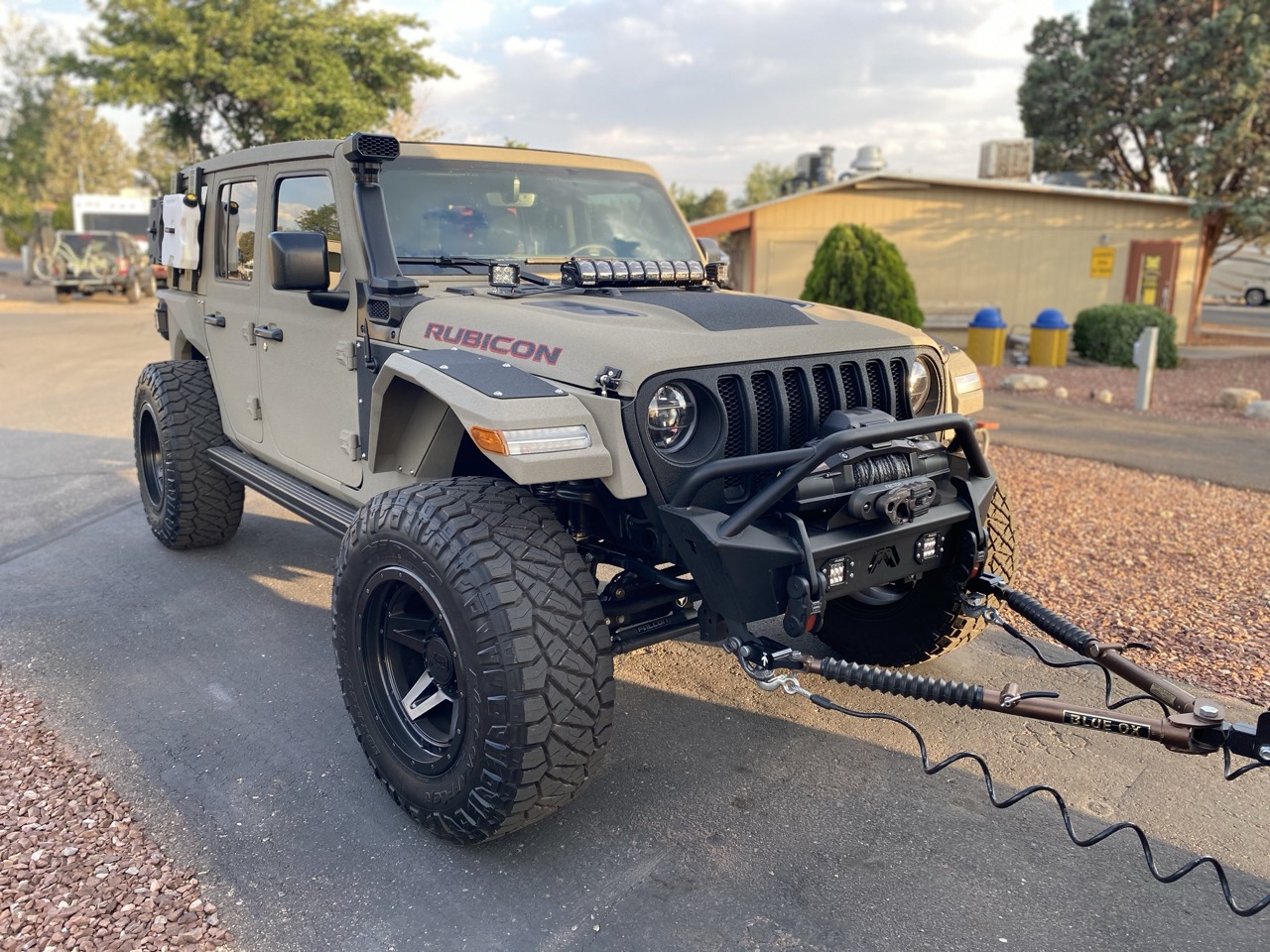
Credit: jimgloverdodge.com
Equipment Needed
Flat towing a Jeep Wrangler requires specific equipment for safety and functionality. Each piece plays a vital role in ensuring smooth towing. Prepare all the necessary tools before starting your journey.
Tow Bar And Base Plate
The tow bar connects your Jeep to the towing vehicle. It must fit securely and handle the Jeep’s weight. The base plate attaches to the Jeep’s frame. It serves as the mounting point for the tow bar. Use a base plate designed for your Jeep model. This setup keeps the Jeep stable while towing.
Supplemental Brake System
A supplemental brake system helps slow down the Jeep during towing. It activates the Jeep’s brakes safely and legally. This system prevents strain on the towing vehicle’s brakes. Choose a brake system compatible with your Jeep. Proper braking reduces the risk of accidents and improves control.
Lighting Kit
The lighting kit connects the Jeep’s lights to the towing vehicle’s signals. It ensures brake lights, turn signals, and taillights work correctly. This kit is essential for road safety and legal towing. Install the lighting kit carefully for proper wiring and function.
Preparing The Jeep
Preparing your Jeep Wrangler for flat towing is essential for a safe and smooth journey. This step ensures the vehicle’s drivetrain and brakes are ready for towing without causing damage. Follow these key actions carefully before you start towing.
Each step helps protect your Jeep’s mechanical parts and avoids costly repairs. Proper preparation also makes the towing process easier and safer for everyone on the road.
Shift Transfer Case To Neutral
Locate the transfer case shifter inside your Jeep. Move it from 4WD or 2WD into the Neutral (N) position. This disconnects the driveshaft, preventing damage while towing. Never skip this step, as it keeps the transfer case safe.
Set Transmission To Neutral Or Gear
For automatic transmissions, shift the gear selector to Neutral (N). For manual transmissions, press the clutch and leave the transmission in first gear. This helps the wheels turn freely without forcing the engine or transmission parts.
Turn Key To Accessory Position
Insert the key and turn it to the accessory (ACC) position. This powers the steering and brake systems without starting the engine. It also allows your Jeep’s lights to operate, which is important for safety during towing.
Disengage Parking Brake
Make sure the parking brake is fully released. A set parking brake locks the rear wheels and can cause damage while towing. Double-check that the brake pedal is free and the indicator light is off before moving.
Installing The Base Plate
Installing the base plate on your Jeep Wrangler is the first key step to flat towing. The base plate acts as the main connection point between your Jeep and the tow bar. It must fit securely to keep your vehicle safe during towing.
Choosing the right base plate model is important. Each Jeep Wrangler model may need a specific base plate designed for its frame. Make sure to pick one that matches your Jeep’s year and model.
Preparing The Jeep For Base Plate Installation
Start by parking your Jeep on a flat surface. Turn off the engine and engage the parking brake. Remove any plastic covers or trim pieces blocking the frame where the base plate will attach. Clear the area of dirt and debris for a good fit.
Aligning And Attaching The Base Plate
Position the base plate against the Jeep’s frame. Align the mounting holes on the base plate with those on the Jeep. Use the bolts and hardware that come with the kit to secure the plate. Tighten all bolts firmly but avoid over-tightening to prevent damage.
Checking The Installation
After installing, double-check all bolts and connections. The base plate should not shift or wiggle. Test the fit by gently pulling on the plate. Proper installation ensures safe towing and prevents damage to the Jeep.
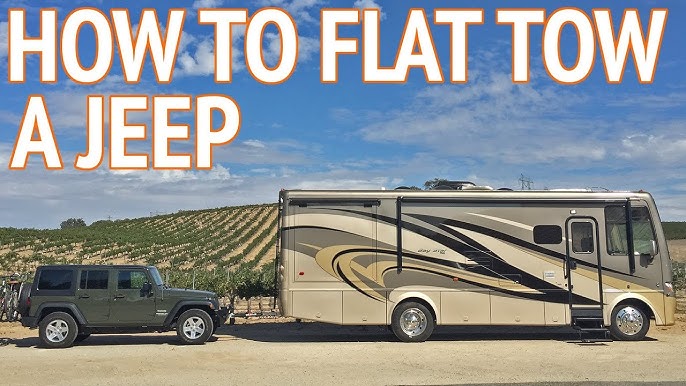
Credit: www.youtube.com
Connecting The Tow Bar
Connecting the tow bar is a key step in flat towing your Jeep Wrangler. This connection ensures the Jeep is safely attached to the towing vehicle. Proper setup reduces wear on both vehicles and improves towing stability.
Take time to check each connection point carefully. This will help avoid problems during your trip. Follow the steps below for a secure and level connection.
Attach Tow Bar To Base Plate
Start by aligning the tow bar arms with the base plate on your Jeep. Slide the arms into the base plate brackets until you hear a click. This sound confirms the tow bar is locked in place.
Use the locking pins or bolts to secure the connection. Double-check that the pins are fully inserted and locked. This step prevents the tow bar from disconnecting while driving.
Secure Tow Bar To Hitch Receiver
Next, position the tow bar’s main body into the hitch receiver of your tow vehicle. Push the tow bar fully into the receiver until the holes line up. Insert the hitch pin and clip to lock it.
Pull gently on the tow bar to confirm it is secure. A loose connection here can cause dangerous sway or detachment. Tighten all bolts as needed for a firm fit.
Level The Tow Bar
Check the tow bar’s angle to keep it level between the Jeep and tow vehicle. Use a bubble level or smartphone app for accuracy. Adjust the telescoping arms until the bar is horizontal.
Level tow bars reduce stress on the base plate and hitch. This balance also helps your Jeep track straight behind the tow vehicle. Recheck the level after all attachments are secured.
Safety Connections
Ensuring proper safety connections is critical when flat towing a Jeep Wrangler. These connections keep the Jeep secure and compliant with road safety laws. They prevent accidents and protect both vehicles during the tow.
Each connection plays a vital role. You must attach safety cables, connect the brake system, and check lighting connections carefully. Skipping these steps can cause serious hazards on the road.
Attach Safety Cables
Safety cables act as a backup if the tow bar fails. Cross the cables under the tow bar to create a cradle. This design catches the Jeep if it detaches from the tow vehicle. Use cables rated for the Jeep’s weight. Securely fasten each cable to both vehicles’ frame points. Check for any wear or damage before every trip.
Connect Brake System
The Jeep’s brakes must work with the tow vehicle’s braking system. Connect a supplemental braking system designed for flat towing. This system helps slow the Jeep during stops. It reduces wear on the tow vehicle’s brakes. Follow the manufacturer’s instructions for installation. Test the brake system before hitting the road to confirm it works properly.
Check Lighting Connections
Proper lighting connections keep your Jeep visible to other drivers. Connect the Jeep’s tail lights, brake lights, and turn signals to the tow vehicle. Use a flat towing light kit for a secure connection. Inspect the wiring for cracks or corrosion regularly. Test all lights after connecting to ensure they function correctly. This step avoids traffic violations and improves safety.
Final Safety Checks
Before hitting the road with your Jeep Wrangler flat towed, final safety checks are vital. These checks ensure the connection is secure and all signals work properly. Taking time for these steps prevents accidents and damage. Safety comes first.
Perform Tug Test
Start with a tug test to check the tow connection. Gently pull the Jeep forward a bit using the tow vehicle. Feel for any slack or unusual movement in the tow bar or cables. The connection should hold firm without slipping. Tighten any loose parts before moving.
Test Brake Lights And Signals
Next, verify the brake lights and turn signals on the Jeep work correctly. Use a helper or a reflective surface to see the lights. Press the brake pedal and activate each turn signal. Each light must blink or shine clearly. Proper lighting keeps you visible to other drivers.
Driving Tips While Towing
Towing a Jeep Wrangler safely requires more than just proper setup. Driving with a towed vehicle changes how your rig handles on the road. You must adapt your driving style to keep control and avoid accidents. Follow these essential tips to drive safely while flat towing your Jeep Wrangler.
Maintain Safe Speeds
Drive slower than usual to keep control. High speeds increase sway and make stopping harder. Stick to posted speed limits for towing or drive even slower if roads are rough. Slower speeds reduce stress on both vehicles and improve safety.
Allow Extra Stopping Distance
Towing adds weight and length to your vehicle. This means it takes longer to stop. Keep a larger gap between you and the car ahead. Give yourself plenty of room to brake gently and avoid sudden stops. Smooth braking protects the Jeep’s tow bar and your safety.
Avoid Sharp Turns
Wide, smooth turns help prevent the Jeep from swinging out. Sharp turns can cause the towed Jeep to jackknife or sway dangerously. Plan your route to include gradual curves and avoid tight corners. This keeps your tow setup stable and secure on the road.

Credit: www.truckcamperadventure.com
Frequently Asked Questions
Can A Jeep Wrangler Be Flat Towed Behind An Rv?
Yes, a Jeep Wrangler can be flat towed behind an RV. Shift the transfer case and transmission to neutral. Install a base plate, tow bar, light kit, and supplemental brake for safe towing. Follow the owner’s manual for proper setup and safety precautions.
Is It Safe To Flat Tow A Jeep Wrangler?
Yes, flat towing a Jeep Wrangler is safe if you follow the owner’s manual instructions and use proper equipment. Shift the transfer case to neutral, disengage the parking brake, and install a tow bar, base plate, and supplemental brake for safe towing.
How To Flat Tow A Jk Wrangler?
To flat tow a JK Wrangler, install a base plate and tow bar. Shift transfer case to neutral with engine on. Turn off engine, set key to accessory, unlock steering, and release parking brake. Connect safety cables and supplemental brake.
Test all connections and lights before towing.
What Equipment Is Needed To Flat Tow A Jeep Wrangler?
To flat tow a Jeep Wrangler, you need a base plate, tow bar, safety cables, supplemental braking system, and light kit. Shift the transfer case to neutral, disengage the parking brake, and unlock the steering before towing. Ensure all connections are secure and lights function properly.
Conclusion
Flat towing a Jeep Wrangler is simple with the right steps. Prepare your Jeep and tow vehicle carefully. Use proper equipment like a tow bar, base plate, and safety cables. Shift the transmission and transfer case correctly before towing. Always check connections and safety features before driving.
Follow these guidelines to tow safely and protect your Jeep. Enjoy your trip with confidence and peace of mind.