Black Jeep Fenders: Remove Oxidation, Restore Plastic
 Reading Time: 12 minutes
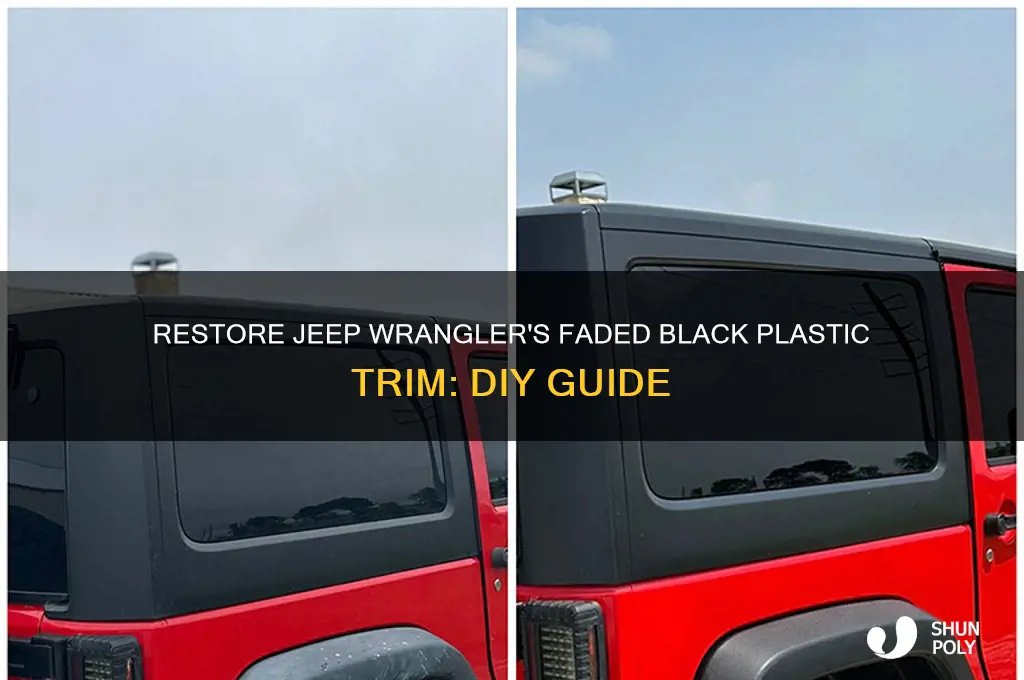
For Jeep owners in the United States, faded black fender flares are a common result of strong sun, road salt, dust, rain, and repeated washing. The plastic turns gray, chalky, or uneven instead of deep black.
The best repair depends on the damage. Mild fading often improves with a plastic restorer. Heavy oxidation may need light abrasion followed by a trim coating or plastic dye. A heat gun can darken some plastics, but it is easy to warp or permanently damage a Jeep fender.
The safest method is to clean the fender, test a small hidden area, remove only loose oxidation, and apply a product made for exterior automotive plastic.
What Causes Black Jeep Fenders to Fade?
Black Jeep fenders fade when ultraviolet light and weather break down the surface of the plastic. This process is often called oxidation, even though UV damage and surface aging are also involved.
Most Jeep fender flares use a durable molded plastic, often a type of polypropylene or thermoplastic olefin. The exact material can vary by Jeep model, trim, year, and replacement part. As the surface ages, it loses some of its original oils and develops a dry, chalky layer.
Common causes include:
- Ultraviolet light from long-term sun exposure
- Heat from parked vehicles and hot pavement
- Road salt used in northern U.S. states
- Salt air near the Atlantic, Pacific, and Gulf coasts
- Strong cleaners and degreasers
- Automatic car washes
- Petroleum products and tire shine overspray
- Fine scratches that make the surface look gray
- Water spots and embedded road film
A faded fender is usually a surface problem. However, severe cracking, warping, or deep color loss may mean the plastic needs a coating or replacement rather than a simple restorer.
Oxidation versus dirt
Dirt usually washes away. Oxidation does not.
To check the difference, wash the fender with car shampoo and a soft brush. If the plastic remains gray after it dries, the color loss is likely in the surface. Rub a clean white microfiber towel over a dry area. A light gray residue suggests chalking or oxidation.
Do not judge the result while the fender is wet. Water temporarily darkens faded plastic and can make a weak repair look successful.
What You Need Before Restoring the Fenders
Gather the right tools before you start. Most Jeep owners can complete a mild restoration with basic wash supplies and a plastic treatment.
Basic supplies
- Car wash soap
- Two buckets or a hose with clean running water
- Soft detailing brush
- Several clean microfiber towels
- Nitrile gloves
- Painter’s tape
- Plastic-safe cleaner or diluted all-purpose cleaner
- Isopropyl alcohol for final wipe-down, if the product allows it
- Exterior plastic restorer, trim coating, or plastic dye
- Foam applicator pads
- Eye protection
For heavy oxidation, you may also need:
- Fine gray finishing pad
- Very fine wet-or-dry abrasive paper
- Plastic adhesion promoter
- Exterior trim coating
- Plastic-safe primer, if required by the coating maker
Read the product label before using any cleaner, coating, dye, or solvent. Some products work on smooth plastic but leave blotches on textured flares.
Prepare the work area
Work in a shaded, dry place. The fender should be cool to the touch. Avoid windy conditions because dust can stick to wet coatings.
Do not work on hot plastic. Heat can change how a cleaner spreads and may cause a coating to dry unevenly.
Cover nearby paint, wheels, tires, and glass with painter’s tape or plastic sheeting. This is especially useful when applying a dye or coating.

Step-by-Step: How to Remove Oxidation From Jeep Fenders
The most reliable process has five stages: wash, decontaminate, test, remove loose oxidation, and protect the surface.
1. Wash the fender thoroughly
Rinse the fender to remove loose sand and grit. Mix car shampoo with water according to the label.
Use a soft brush to clean:
- The face of the fender
- The inner lip
- Bolt and clip areas
- Wheel-opening edges
- Mud traps near the bumper
- Textured grooves
Rinse often. Do not scrub dry plastic because trapped grit can create more scratches.
Dry the flare with a clean microfiber towel. Allow it to air-dry for several minutes so water does not remain in the texture.
2. Remove grease and road film
A fender can look faded when it is covered with old dressing, wax, grease, or road film. Apply a plastic-safe cleaner to a towel or brush rather than flooding the entire vehicle.
Work in small sections. Rinse or wipe the cleaner away as directed.
If the restorer manufacturer permits it, wipe the dry plastic with a small amount of isopropyl alcohol. This helps remove oily residue. Do not use alcohol on unknown surfaces without a hidden-area test. Some plastics, coatings, and painted parts can react to solvents.
The plastic should now look dull but clean. If it still feels greasy, a coating may fail or turn patchy.
3. Inspect and perform a hidden-area test
Choose a hidden spot behind the wheel opening or below the fender edge. Apply a small amount of the product you plan to use.
Check the test area after it dries. Look for:
- Uneven dark spots
- Glossy patches
- White residue
- Softened or sticky plastic
- Changed texture
- Color that looks too dark or artificial
Wait as long as the product label recommends. Some coatings look even when wet but reveal streaks after curing.
If the test fails, remove the product if possible and choose a different method. Do not apply it to all four fenders.
4. Remove loose oxidation
For mild fading, skip sanding. Apply the plastic restorer after cleaning.
For moderate chalking, use a fine gray finishing pad or a very fine abrasive pad with water. Use light pressure and short strokes. The goal is to remove loose surface residue, not reshape the fender.
Avoid coarse sandpaper. It can create visible scratches in textured plastic. It can also remove the original texture, which is difficult to recreate.
Rinse or wipe away the residue. Let the fender dry fully before applying a coating.
5. Apply the restoration product
Apply a plastic restorer, trim coating, or plastic dye with a foam pad. Work in small sections and keep the layer thin.
Use overlapping strokes so the product does not stop in visible lines. Wipe off excess material if the label directs you to do so.
For a textured Jeep flare, press the product into the grain without flooding the valleys. Too much product can create shiny spots and attract dust.
Allow the first coat to dry. Apply a second coat only if the label permits it. More product does not always mean a darker or longer-lasting finish.
Keep the Jeep dry during the stated cure time. Avoid rain, washing, mud, and road spray until the coating has cured.
Choosing the Right Restoration Method
The correct method depends on how much color and texture remain.
| Fender condition | Best starting method | Expected result | Main limitation |
|---|---|---|---|
| Light gray film | Clean and apply plastic restorer | Darker, more even finish | May need repeat treatments |
| Moderate fading | Clean, light surface prep, then restorer or coating | Better color and durability | Requires careful prep |
| Heavy chalking | Remove loose oxidation, then use a trim coating or plastic dye | Stronger color change | More risk of streaks |
| Deep scratches | Prep and coat, or replace the flare | Can hide some defects | Coating cannot repair missing plastic |
| Cracks or warping | Replace or repair the flare | Restores shape and fit | Surface products will not fix structural damage |
| Paint contamination | Clean and inspect before restoration | May reveal the original color | Solvents can damage some plastics |
Plastic restorer
A water-based or polymer-based plastic restorer is useful for mild to moderate fading. It is easy to apply and usually preserves the original texture.
Its main weakness is durability. Some dressings last days or weeks, especially in strong sun or wet climates. Use the label’s maintenance instructions and avoid products that leave a greasy film.
Trim coating
A dedicated exterior trim coating usually forms a more durable film than a simple dressing. It can be a good choice for a Jeep that spends much of its time outdoors.
Surface preparation matters. Grease, silicone, and old dressing can cause fisheyes, streaks, or poor adhesion.
Plastic dye
Plastic dye can produce a deeper color change. It may suit severely faded flares that no longer respond to a restorer.
Dye work requires more control. Overspray can stain paint, tires, wheels, and concrete. Mask the vehicle carefully and follow the product’s instructions for cleaning, temperature, ventilation, and curing.
Paint
Paint is an option when the original surface is badly damaged or when you want a custom color. Use a coating made for flexible exterior plastic.
Do not use ordinary household paint. It may peel, crack, or fail to bond. A painted flare can also look different from the rest of the Jeep’s molded plastic.
Should You Use a Heat Gun on Faded Jeep Plastic?
A heat gun may darken some faded plastic, but it is not the safest first choice. Heat can temporarily bring oils to the surface and make the plastic look darker. It does not reverse all UV damage.
Too much heat can:
- Warp the fender
- Melt or gloss the texture
- Create dark spots
- Make the flare brittle
- Damage nearby paint
- Distort mounting holes
- Cause permanent color changes
If you still choose this method, use extreme care. Keep the heat moving. Start at a low setting. Stay away from paint, clips, tires, and wiring. Test an unseen area first.
A household hair dryer is less aggressive but may not provide enough heat for the intended effect. Neither tool gives a predictable long-term repair on every Jeep fender.
For most owners, a plastic coating or dye is easier to control and easier to repeat.
How to Make the Restoration Last Longer
A restored fender lasts longer when you reduce UV exposure and avoid harsh cleaners. Maintenance cannot stop aging, but it can slow the return of the gray appearance.
Use these habits:
- Wash the fenders with car shampoo instead of strong household detergent.
- Use a soft brush on textured plastic.
- Rinse away road salt soon after winter driving.
- Avoid tire shine overspray on the fender.
- Do not use silicone-heavy dressings if they leave a greasy surface.
- Reapply a compatible UV protectant as directed.
- Park in shade or a garage when practical.
- Dry the flare before applying any maintenance product.
- Do not layer different dressings without cleaning first.
- Inspect the fenders after long trips and winter storms.
A UV protectant can reduce drying and fading, but it cannot repair cracked or missing plastic. Choose a product labeled for exterior automotive trim and follow its reapplication schedule.
Common Mistakes That Cause Poor Results
Many failed restorations come from rushed preparation rather than a bad product.
Applying product over dirt
Dirt traps the product and creates dark streaks. Clean the fender first, including the inner lip and textured grooves.
Using tire dressing as a permanent repair
Tire dressing can make a flare look black for a short time. It may attract dust, run onto paint, and leave an oily surface. It is not the same as a trim coating.
Skipping the test patch
Different plastics react in different ways. A test patch can reveal staining or gloss before the whole fender is affected.
Using coarse sandpaper
Coarse paper can flatten or scratch the factory texture. Start with no abrasion. If abrasion is needed, use the least aggressive method that works.
Working in direct sun
Hot plastic causes uneven drying. The product may flash off before it levels, leaving blotches.
Applying thick coats
A thick layer can stay soft, streak, or collect dust. Thin, even coats are easier to control.
Mixing chemical products
Do not mix cleaners, solvents, dyes, coatings, or dressings. Chemical reactions may damage the plastic or create harmful vapors.
Expecting a coating to repair damage
A coating changes color and surface appearance. It does not rebuild missing plastic, close a crack, or restore a warped fender.
When Should You Replace the Fender Instead?
Replacement may be the better choice when the fender has structural damage or when the surface has lost its original texture.
Consider replacement if the flare has:
- Large cracks
- Broken mounting tabs
- Severe warping
- Deep gouges
- Melted areas
- Sections that have turned white from stress
- Missing material
- A finish that remains uneven after a careful coating
A replacement flare may be available through a Jeep dealer, an aftermarket supplier, or a used-parts source. Confirm the Jeep’s model year, body style, side, trim level, and mounting hardware before ordering.
A new flare may not match an older flare perfectly. If only one piece is replaced, the difference in age and texture can be visible. Restoring all matching flares at the same time often gives a more even appearance.
Troubleshooting a Failed Restoration
Use the symptom to find the likely cause.
| Symptom | Likely cause | Corrective action |
|---|---|---|
| Streaks | Uneven application or oily residue | Clean the surface and apply thinner coats |
| Shiny patches | Too much product or excess heat | Remove residue if possible; avoid heavy coats |
| White haze | Product residue, moisture, or poor curing | Let it cure, then follow the product’s removal steps |
| Color fades again quickly | Temporary dressing or severe UV damage | Use a coating or dye made for exterior trim |
| Product peels | Contamination or poor adhesion | Strip loose material and improve preparation |
| Dust sticks to the surface | Greasy dressing or uncured coating | Allow full cure; avoid silicone-heavy products |
| Texture looks smooth | Excess abrasion or heat | Stop the process; replacement may be needed |
| One flare looks different | Uneven wear or application | Blend carefully or treat the matching set |
Do not keep adding product to solve a streak. Extra layers usually make the defect worse. Clean a small area, let it dry, and test the correction before continuing.
Evidence and Product-Choice Notes
The basic recommendations in this guide follow documented product-use principles and material limits:
- Automotive trim products are made for exterior plastic and should be used according to their labels.
- Safety Data Sheets provide handling, ventilation, and first-aid information for chemical products.
- Jeep owner information identifies the importance of using the correct replacement parts and following vehicle-specific care guidance.
- Plastic manufacturers commonly warn that heat, solvents, abrasion, and ultraviolet exposure can change plastic appearance and strength.
- Product durability varies by formula, surface preparation, weather, washing, and exposure. A universal service-life claim would not be reliable without controlled testing.
This guide does not present a hands-on test of a particular restorer, dye, or Jeep model. Results can differ between a Wrangler, Gladiator, Cherokee, Grand Cherokee, Renegade, and aftermarket flare because the plastic type, texture, age, and previous treatments may differ.
For the most reliable product choice, compare the label for:
- Exterior automotive plastic use
- Textured trim compatibility
- UV resistance
- Required surface preparation
- Dry and cure time
- Recoat instructions
- Removal method
- Restrictions for painted surfaces and rubber
Frequently Asked Questions
Can I restore faded Jeep fenders without sanding?
Yes. Start with washing, degreasing, and a hidden-area test. Many lightly faded fenders respond well to a plastic restorer or trim coating without abrasion. Sand only when loose oxidation remains and the product instructions support surface preparation.
How long will a plastic restorer last?
There is no single answer. A basic dressing may fade after several washes or strong sun exposure. A dedicated trim coating or dye may last longer, but durability depends on preparation, climate, parking, washing, and product formula. Use the maker’s stated maintenance schedule rather than assuming one treatment is permanent.
Will WD-40 make black Jeep plastic look new?
It may darken the surface for a short time, but it is not a proper trim restoration product. It can leave an oily film, attract dust, and interfere with later coatings. Clean the flare and use a product designed for exterior automotive plastic.
Can I use black spray paint on Jeep fender flares?
You can use a flexible coating made for exterior automotive plastic, but ordinary spray paint is a poor choice. Mask the Jeep, prepare the plastic, use the required adhesion products, and follow the coating instructions. Paint changes the finish and may not match the other original flares.
Why did my restored fender turn blotchy?
The most common causes are grease, old silicone dressing, uneven product thickness, moisture, heat, or a textured surface that was not cleaned fully. Stop adding product. Let it cure, then follow the maker’s removal instructions and test a small correction area.
Final Recommendation
For most faded black Jeep fenders, begin with a thorough wash and a plastic-safe cleaner. If the surface is only gray and dry, apply a quality exterior trim restorer. If the plastic is heavily chalked, remove loose oxidation carefully and use a dedicated trim coating or plastic dye.
Avoid coarse sanding, heavy heat, and oily temporary dressings. Test every product in a hidden spot first. Replace the fender when cracks, warping, melted plastic, or broken mounts make surface restoration unsuitable.
The next practical step is simple: wash one fender, let it dry fully, and test your chosen method behind the wheel opening before treating the entire Jeep.