
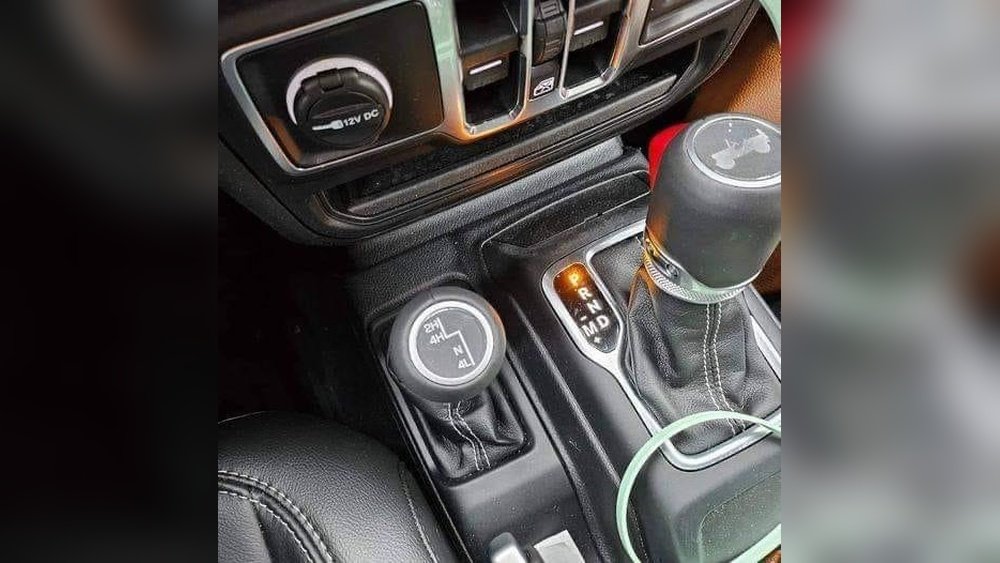
What Does 4H Mean in a Jeep: Ultimate Guide for Off-Roading
 Reading Time: 7 minutes
 If you drive a Jeep or are thinking about buying one, you might see the term 4H on the dashboard or near the gear shift. Many Jeep owners, especially beginners, wonder what “4H” actually means and when to use it. Understanding this feature is important for safe driving, better performance, and getting the most out of your Jeep’s abilities. This article will break down the meaning of 4H, explain how it works, and show real-life examples of when you need it. You’ll also find practical advice, helpful tables, and answers to common questions.
What Does 4h Mean In A Jeep?
The “4H” stands for four-wheel drive high. It is a setting on your Jeep’s transfer case, which controls how power from the engine goes to the wheels. When you select 4H, your Jeep sends power to all four wheels at the same time. The “H” means “high gear,” so your Jeep keeps its normal driving speed.
This setting is made for situations where you need extra traction, but not slow speed. For example:
- Driving on snow or ice
- Driving over muddy roads
- Going through gravel
- Light off-roading
In these cases, each wheel gets power, so you’re less likely to get stuck or lose control.
How 4h Works: Technical Explanation For Beginners
When you switch your Jeep to 4H, the transfer case engages both the front and rear driveshafts. This means:
- Power is split between front wheels and rear wheels
- All wheels help move the Jeep forward
- The vehicle stays in “high range,” so you can drive at normal speeds
You don’t need to stop the Jeep to shift into 4H. Most modern Jeeps let you change from 2H (two-wheel drive) to 4H while driving up to 55 mph.
Key Differences: 2h Vs 4h Vs 4l
Many Jeep models have three main drive modes:
- 2H: Only the rear wheels get power. Used for regular dry roads.
- 4H: All four wheels get power. Used for slippery or loose surfaces.
- 4L: All four wheels get power, but in “low range.” Used for tough off-road situations like deep mud, sand, or steep hills.
Here’s a clear comparison:
| Mode | Wheels Driven | Speed Range | Best For |
|---|---|---|---|
| 2H | Rear | All speeds | Dry pavement |
| 4H | All | Up to 55 mph | Snow, mud, gravel |
| 4L | All | Under 25 mph | Deep mud, steep hills |
When Should You Use 4h?
Picking the right drive mode is important for safety and performance. Use 4H when:
- The road is slippery (snow, ice, mud)
- You’re driving on gravel or loose surfaces
- You need extra control but not slow speed
- You want to avoid getting stuck
Do NOT use 4H on dry pavement. It can cause drivetrain damage and make steering harder.
Real-life Example
Imagine you’re driving a Jeep Wrangler after a snowstorm. The roads are covered in snow and ice. If you stay in 2H, only the rear wheels get power. You could slip or lose control. Switching to 4H sends power to all wheels, helping you stay safe and avoid sliding.
How To Engage 4h In Your Jeep
Most Jeeps have a lever or a knob for changing drive modes. Here’s how to use 4H:
- Check your speed: You can switch to 4H while moving, as long as you’re under 55 mph.
- Move the lever/turn the knob: Shift from 2H to 4H.
- Watch for indicator light: The 4H light on your dashboard should turn on.
- Drive normally: You’ll notice better traction, but your speed stays the same.
Some Jeeps have automatic systems. In these models, the Jeep decides when to use 4H based on road conditions.
Common Mistakes
- Switching to 4H on dry roads: This causes extra wear and could damage your Jeep.
- Trying to engage 4L at high speed: Always stop before using 4L.
- Not switching back to 2H after the road improves: Staying in 4H wastes fuel and stresses the drivetrain.
Is 4h Full-time Or Part-time?
Jeep models can have part-time or full-time 4WD systems.
- Part-time 4WD: You choose when to use 4H. Most Wranglers and Gladiators use this.
- Full-time 4WD: The Jeep automatically sends power to all wheels when needed. Some Grand Cherokees offer this.
Here’s a quick comparison:
| System Type | How Engaged | Best For |
|---|---|---|
| Part-time | Driver switches modes | Off-road, rough weather |
| Full-time | Automatic | Mixed driving, changing conditions |
Benefits Of Using 4h
Switching to 4H offers real advantages:
- Better traction: All wheels help move the Jeep
- Improved safety: Less chance of sliding or getting stuck
- More control: Easier steering on slippery surfaces
Some beginners think 4H is only for heavy off-roading. But it’s also helpful for everyday situations, like driving through rain, snow, or mud.

Credit: www.wikihow.com
Limitations And Risks
While 4H is powerful, it’s not perfect. Using it incorrectly can cause problems:
- Drivetrain strain: 4H is not meant for dry pavement
- Worse fuel economy: Using 4H uses more gas
- Tire wear: All tires work harder, so they can wear faster
Always switch back to 2H when the road is dry and clear.
4h In Different Jeep Models
Most Jeep models have 4H, but the system can be slightly different. Here’s a comparison of some popular Jeeps:
| Model | 4H System Type | Shift Method | Extra Features |
|---|---|---|---|
| Wrangler | Part-time | Lever | 4L mode |
| Grand Cherokee | Full-time | Knob/electronic | Auto 4WD |
| Gladiator | Part-time | Lever | Off-road options |
| Compass | Full-time | Knob | Snow/Mud modes |

Credit: www.youtube.com
How 4h Affects Fuel Economy
Many beginners don’t realize that using 4H changes how much fuel your Jeep uses. When all four wheels work, the engine needs to send power to more parts. This means:
- Higher gas usage: Expect to use about 10–20% more fuel in 4H compared to 2H
- Short trips only: If possible, use 4H for short distances
For longer drives on clear roads, switch back to 2H to save fuel.
4h And Tire Life
Switching to 4H can help you avoid getting stuck, but it also affects your tires. When all wheels turn together, tires can wear faster, especially if you use 4H on dry roads. To keep tires lasting longer:
- Only use 4H when needed
- Rotate tires regularly
- Check tire pressure often

Credit: www.youtube.com
Expert Tips For Using 4h
Here are some practical tips from Jeep experts:
- Test 4H in a safe area: Try switching to 4H in an empty parking lot or on a quiet gravel road to see how it feels.
- Listen for noises: If you hear grinding or clicking, stop and check the system.
- Don’t use 4H for corners on dry pavement: Turning sharply in 4H can damage parts.
- Know your Jeep’s system: Read the owner’s manual for model-specific advice.
- Practice shifting: Get comfortable switching between 2H and 4H before bad weather arrives.
Common Myths About 4h
Some beginners believe things about 4H that aren’t true:
- Myth: 4H makes you invincible
Truth: 4H helps traction, but you can still slip on ice.
- Myth: 4H is for all conditions
Truth: Only use 4H when roads are slippery or loose.
- Myth: 4H is the same as all-wheel drive (AWD)
Truth: AWD is always on, and designed for mixed driving, while 4H is for tough conditions and off-roading.
To learn more about four-wheel drive technology, check out Wikipedia.
Frequently Asked Questions
What Happens If I Use 4h On Dry Pavement?
Using 4H on dry roads can cause drivetrain binding and extra wear. This makes steering harder and can damage parts over time. Always switch back to 2H when roads are clear.
Can I Shift Into 4h While Driving?
Yes, most modern Jeeps let you shift into 4H at speeds up to 55 mph. Make sure the road is slippery or loose before you switch.
Is 4h The Same As All-wheel Drive?
No, 4H is a selectable four-wheel drive mode. All-wheel drive is always on and uses different technology for mixed road conditions.
Does Using 4h Improve Fuel Economy?
No, using 4H uses more gas. It’s best for short distances on slippery roads. For normal driving, stay in 2H to save fuel.
How Do I Know If 4h Is Engaged?
Look for the 4H indicator light on your dashboard. You should also feel better traction and control when driving.
Whether you’re a new Jeep owner or just want to understand 4H better, knowing how and when to use this feature will keep you safer and help your Jeep last longer. Next time you see snow, mud, or loose gravel, you’ll know what to do.
Safe driving!


