2017 Jeep Grand Cherokee Transmission Dipstick Location Guide
 Reading Time: 7 minutes
 If you own a 2017 Jeep Grand Cherokee, you might wonder how to check your transmission fluid. Many car owners expect to see a simple dipstick under the hood for this job. But with newer vehicles, things can be a bit different. This guide helps you find the transmission dipstick location for your 2017 Grand Cherokee and explains how to check the fluid safely and correctly.
Why Transmission Fluid Checks Matter
The transmission fluid is critical for the health of your Jeep’s transmission. It lubricates moving parts, cools the system, and helps your SUV shift smoothly. Low or dirty fluid can lead to expensive repairs, rough shifts, or even transmission failure.
A few reasons to check your transmission fluid:
- Prevents costly repairs by catching issues early.
- Improves shifting performance and driving smoothness.
- Extends transmission life when fluid is kept clean and at the right level.
Understanding The 2017 Jeep Grand Cherokee Transmission System
The 2017 Grand Cherokee offers a few different engines and two main transmission types:
- 8-speed automatic (845RE or 8HP70) – Most common in V6 and V8 models.
- 5-speed automatic (W5A580) – Rare, used in some V6 diesels.
Each transmission type has a slightly different design. Most owners have the 8-speed automatic, which is a sealed system.
What Is A Sealed Transmission?
A sealed transmission means there is no traditional dipstick for checking or adding fluid. Jeep and many other manufacturers are moving to this design for reliability and to reduce owner errors. However, it can be confusing if you expect the old-style dipstick.
Where Is The Transmission Dipstick In The 2017 Grand Cherokee?
If you open your 2017 Grand Cherokee’s hood and look for a transmission dipstick, you will not find one. The 2017 model does not have a traditional transmission dipstick. Instead, the transmission is sealed from the factory.
Here’s what you’ll see under the hood:
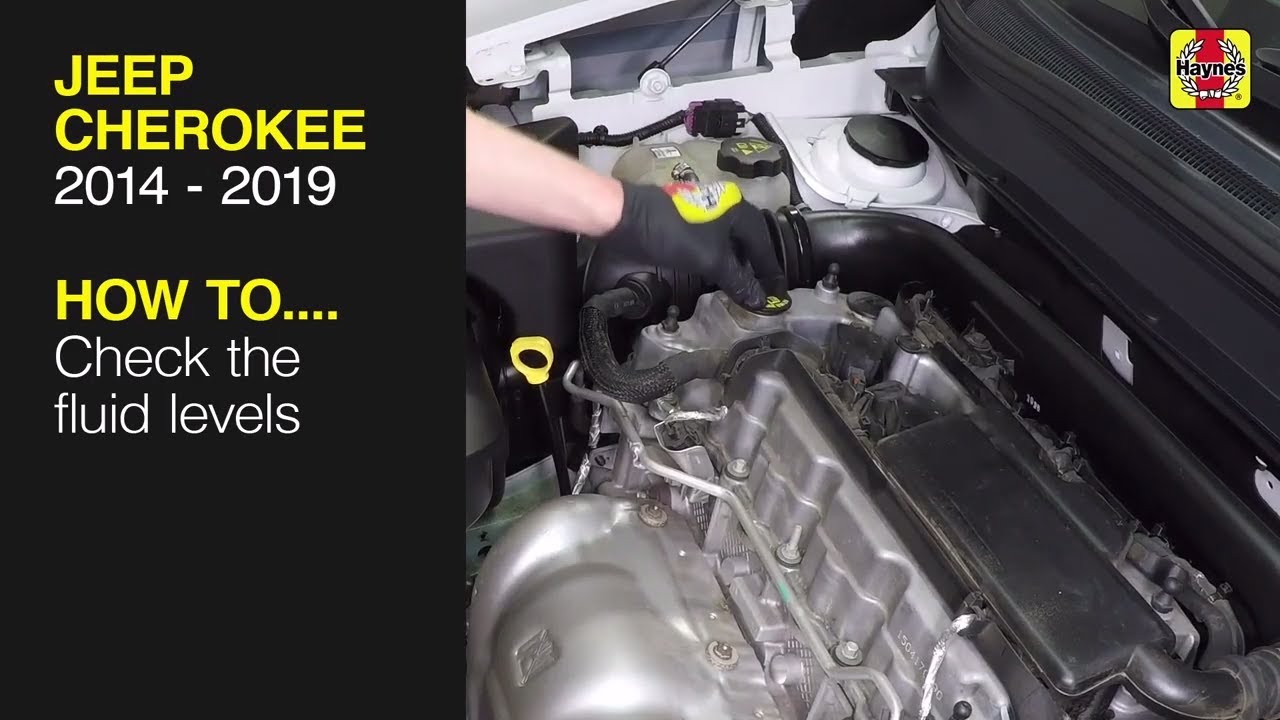
- Engine oil dipstick – Clearly marked, usually yellow or orange.
- Coolant reservoir
- Brake fluid reservoir
- Windshield washer fluid cap
But for transmission fluid, there’s no dipstick or fill tube visible.
Why Did Jeep Remove The Dipstick?
Manufacturers like Jeep removed the dipstick for a few reasons:
- Prevents contamination: Owners can’t accidentally introduce dirt or wrong fluid.
- Reduces mistakes: Overfilling or using incorrect fluid can cause damage.
- Designed to last: Fluid is meant to last many miles, often 100,000+ in normal conditions.
How To Check Transmission Fluid On A 2017 Grand Cherokee
Even though there’s no dipstick, you can still check the transmission fluid level—but it’s not as easy as older cars. Here’s how professionals do it:
- Raise the vehicle – The car must be level for an accurate reading.
- Warm up the transmission – Fluid must be at operating temperature (usually 86°F–122°F).
- Locate the transmission fill/check plug – This is on the transmission pan, under the vehicle.
- Remove the plug – If fluid drips out, the level is likely correct.
- Check fluid condition – Clean, pinkish fluid is healthy. Burnt smell or dark color means you need a change.
Important: This process is best done by a mechanic. Incorrect steps can cause leaks or damage.
Step-by-step: How A Mechanic Checks Transmission Fluid
If you are curious about the actual steps, here’s a beginner-friendly breakdown:
- Lift the vehicle safely.
- Start the engine and let it idle.
- Move the shifter through all gears, then return to Park.
- Let the transmission reach normal temperature.
- Remove the check plug from the transmission pan.
- Observe the fluid: A small trickle means the level is good.
- If no fluid drips out, add fluid through the same hole until it trickles.
Can You Add Transmission Fluid Yourself?
For most DIYers, it’s not recommended to add transmission fluid to the 2017 Grand Cherokee. Special tools, the correct fluid, and exact temperature are required. Mistakes can cause shifting problems or even void your warranty.
If you still want to try, always consult your owner’s manual and consider asking a certified Jeep mechanic first.
Credit: www.youtube.com
Common Signs Of Low Transmission Fluid
You may not check fluid often, but your Jeep will give you hints if something is wrong. Watch for these signs:
- Delayed or rough shifting
- Transmission slipping (engine revs but car doesn’t move as expected)
- Strange noises from under the car
- Transmission overheat warning on dashboard
- Fluid puddles under vehicle
If you notice any of these, have your Jeep checked by a professional.
Transmission Fluid Service Intervals
Jeep says the transmission fluid is “filled for life” under normal driving. But for harsh conditions—like towing, off-roading, or hot climates—it’s smart to check or replace the fluid around 60,000 to 100,000 miles.
When To Replace Transmission Fluid
- Every 60,000 miles for heavy use
- Every 100,000 miles for normal use
- Immediately if fluid smells burnt or looks dirty
What Type Of Transmission Fluid Does The 2017 Grand Cherokee Use?
Using the correct fluid is critical. The 8-speed uses Mopar 8 & 9 Speed ATF (Automatic Transmission Fluid). Never use regular ATF or Dexron fluids—they can damage your transmission.
Pro tip: Always buy fluid labeled for your specific Jeep transmission. If unsure, ask your dealer or check your owner’s manual.
Diy Transmission Fluid Change: What To Know
Some experienced DIYers change their own transmission fluid. For the 2017 Grand Cherokee, it’s more complex:
- You need special tools—like a fill adapter and a way to measure fluid temperature.
- You’ll work under the vehicle.
- Disposal of old fluid must be done safely and legally.
If you are new to car maintenance, it’s safer to let a professional handle it.

Credit: www.jeepcherokeeclub.com
Cost To Service Transmission Fluid
The price for a fluid change at a Jeep dealer or trusted shop ranges from $250 to $400. This includes labor, fluid, and often a new transmission pan gasket. While not cheap, it’s much less than the cost of a new transmission.
Comparison: Dipstick Vs. Sealed Transmission
To help you understand, here’s a side-by-side look:
| Feature | Traditional Dipstick | Sealed Transmission |
|---|---|---|
| Owner Access | Easy | Not accessible |
| Checking Fluid | Simple | Requires tools |
| Contamination Risk | Higher | Lower |
| Service Interval | 30,000–60,000 miles | 60,000–100,000 miles |
Can You Convert To A Dipstick System?
Some owners ask if they can add a dipstick kit. While aftermarket kits exist, Jeep does not recommend this. Sealed transmissions are designed to stay closed. Modifying may void your warranty and cause leaks.
Practical Tips For Beginner Owners
- Check your driveway for red/pink puddles—sign of leaks.
- Read your owner’s manual for specific instructions.
- Service at certified shops—they have the right tools.
- Keep records of all maintenance for warranty claims.
Credit: www.jeepcherokeeclub.com
What If You Overfill Or Underfill Transmission Fluid?
Adding too much or too little fluid can both cause problems:
- Overfilling: Can cause foaming, poor shifting, and leaks.
- Underfilling: Leads to overheating, slipping, and possible damage.
Always use the correct amount, checked at the right temperature.
Example: Professional Fluid Check Scenario
Imagine you notice your Grand Cherokee has rough shifting. At the shop, a mechanic will:
- Scan for error codes
- Check for leaks under the car
- Lift your Jeep, run it up to temperature, and check the fluid level as described earlier
This diagnostic approach prevents guessing and keeps your Jeep running smoothly.
Table: Jeep Grand Cherokee Transmission Fluid Types (2017)
| Engine | Transmission | Fluid Type |
|---|---|---|
| 3.6L V6 | 8-speed automatic | Mopar 8 & 9 Speed ATF |
| 5.7L V8 | 8-speed automatic | Mopar 8 & 9 Speed ATF |
| 3.0L Diesel | 8-speed or 5-speed automatic | Mopar 8 & 9 Speed ATF or Mopar ATF+4 |
Data Table: Common Transmission Problems And Causes
| Symptom | Possible Cause | Solution |
|---|---|---|
| Hard Shifting | Low fluid, dirty fluid | Check and replace fluid |
| Slipping Gears | Low fluid, worn clutch | Check fluid, repair as needed |
| Noisy Transmission | Old/burnt fluid | Change fluid |
When To See A Professional
If your 2017 Jeep Grand Cherokee develops shifting problems, warning lights, or leaks, do not ignore these signs. Sealed transmissions need expert handling. Trust a certified Jeep mechanic to avoid costly mistakes.
Where To Find Official Jeep Maintenance Information
For the most accurate information, check your owner’s manual or the official Jeep website. For more technical details, see the Mopar Official Site.
Frequently Asked Questions
Where Is The Transmission Dipstick Located On The 2017 Jeep Grand Cherokee?
There is no traditional transmission dipstick. The 2017 Grand Cherokee uses a sealed transmission. Fluid checks and changes are performed from underneath, using a fill/check plug on the transmission pan.
How Often Should I Check The Transmission Fluid?
For most drivers, you don’t need to check often due to the sealed system. However, have it inspected every 60,000–100,000 miles, especially if you tow, drive in hot climates, or notice shifting problems.
Can I Check Or Add Fluid Myself?
It’s possible but not recommended for beginners. Checking or adding fluid requires special tools, knowledge, and the correct fluid type. Mistakes can damage the transmission.
What Type Of Transmission Fluid Does My 2017 Jeep Grand Cherokee Need?
Most models use Mopar 8 & 9 Speed ATF. Some diesel models may use Mopar ATF+4. Always verify with your owner’s manual or dealer.
Are Sealed Transmissions Really Maintenance-free?
No transmission is completely maintenance-free. “Sealed” means less frequent service, not zero maintenance. Fluid should still be checked and replaced as needed for best performance and long life.
Keeping your 2017 Jeep Grand Cherokee running smoothly means understanding its modern, sealed transmission design. If you’re ever unsure, don’t guess—ask your dealer or a trusted mechanic. This way, you protect your investment and enjoy confident driving for years to come.