
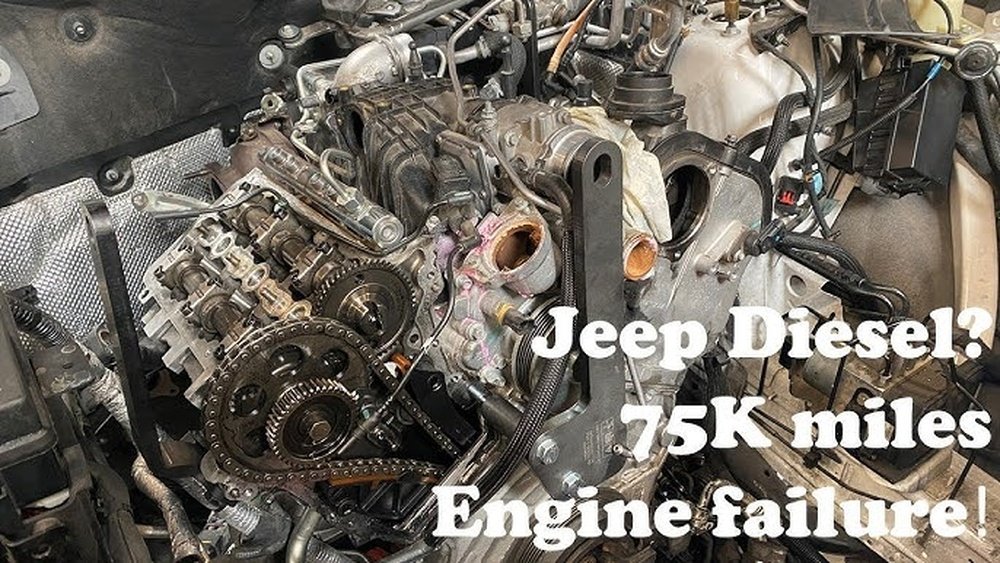
Jeep Grand Cherokee Diesel Issues: Common Problems and Fixes
 Reading Time: 7 minutes
 Jeep Grand Cherokee Diesel Issues
The Jeep Grand Cherokee is a popular SUV known for its luxury and off-road abilities. The diesel version, often called the EcoDiesel, promises better fuel economy and more torque compared to gasoline models. But many owners have faced problems with these diesel engines. If you own or are thinking about buying a Jeep Grand Cherokee Diesel, understanding these issues can save you time, money, and headaches.
Let’s break down the most common diesel issues, how they affect the vehicle, and what you can do about them. This guide uses simple explanations and clear examples to help beginners and non-native English speakers. You’ll also find real-world data, tables, and tips to make smart decisions.
Common Jeep Grand Cherokee Diesel Problems
Many diesel Grand Cherokees, especially model years 2014–2019, have similar issues. Here’s what you need to know:
1. Diesel Exhaust Fluid (def) System Faults
The DEF system reduces emissions by injecting a liquid (DEF) into the exhaust. Problems here are common and frustrating.
- Symptoms: Warning lights, “Service DEF System” message, limp mode, reduced power.
- Typical causes: Failed DEF heater, bad sensors, or contaminated DEF fluid.
- Repair cost: $400–$2,500 depending on the part.
DEF system failures can make the SUV undrivable. This is because the engine computer may limit your speed to 5 mph if the problem isn’t fixed quickly.
2. Diesel Particulate Filter (dpf) Clogging
The DPF captures soot from exhaust gases. Over time, it fills up and needs to “regenerate” by burning off the soot.
- Symptoms: DPF warning light, poor acceleration, higher fuel use.
- Typical causes: Short trips, bad sensors, or failed exhaust temperature sensors.
- Repair cost: $1,000–$3,000 for cleaning or replacement.
City driving is especially hard on the DPF because the engine doesn’t get hot enough for regeneration. Frequent highway driving helps prevent this issue.
3. Exhaust Gas Recirculation (egr) Valve Failure
The EGR valve reduces emissions by recirculating exhaust gases. When it fails:
- Symptoms: Rough idle, engine knocking, “Check Engine” light.
- Typical causes: Soot buildup, sticking valve.
- Repair cost: $300–$1,200.
EGR valve problems are often linked to high-mileage vehicles or those running low-quality fuel.
4. Turbocharger Problems
The turbocharger boosts engine power and efficiency. Diesel turbos face unique challenges.
- Symptoms: Whining noise, loss of power, smoke from exhaust.
- Typical causes: Oil leaks, worn bearings, clogged air intake.
- Repair cost: $1,500–$4,500.
Ignoring turbo problems can lead to engine failure, which is much more expensive.
5. Glow Plug And Module Issues
Glow plugs help diesel engines start in cold weather.
- Symptoms: Hard starting, long cranking, misfires when cold.
- Typical causes: Worn glow plugs, failed control module.
- Repair cost: $200–$800.
Replacing glow plugs is a regular maintenance item, but many owners overlook it.
6. Fuel System Problems
The diesel high-pressure fuel pump and injectors are precise parts.
- Symptoms: Hard starts, rough idle, poor fuel economy, “Check Engine” light.
- Typical causes: Contaminated fuel, water in diesel, worn injectors.
- Repair cost: $800–$3,000.
US diesel fuel quality can sometimes be lower than in Europe, which causes extra wear in these systems.
7. Engine Oil Leaks
Oil leaks are less common but can become serious.
- Symptoms: Oil spots under car, burning oil smell, low oil level.
- Typical causes: Gasket failure, loose oil filter, worn seals.
- Repair cost: $200–$1,500.
Catching leaks early prevents bigger engine problems.
Data: Years And Frequency Of Problems
Here’s a look at how common diesel problems are by model year. This can help you understand risks before buying used.
| Model Year | DEF Issues | DPF Problems | Turbo Failures |
|---|---|---|---|
| 2014 | High | High | Medium |
| 2015 | High | Medium | Medium |
| 2016 | Medium | Medium | Low |
| 2017 | Medium | Low | Low |
| 2018 | Low | Low | Low |
Insight: The 2014 and 2015 models are most affected. From 2016, Jeep improved the diesel systems, but problems can still occur.

Credit: abcodieselinc.com
Real-world Example
Sarah bought a used 2015 Jeep Grand Cherokee EcoDiesel with 80,000 miles. After six months, she saw a “Service DEF System” warning. The dealer found a failed DEF pump, costing $1,800 to fix. A few months later, the “DPF Full” message appeared.
City driving had clogged the filter, and she paid $2,200 for cleaning and new sensors.
Sarah learned two key lessons:
- Diesel systems need regular highway driving for best performance.
- Repairs can be expensive if problems are ignored.
How Diesel Issues Affect Owners
These problems aren’t just annoying—they can be expensive and leave you stranded. Here’s how:
- Reduced resale value: Used diesel Grand Cherokees with these issues often sell for less.
- Repair costs add up: Multiple systems can fail in one year.
- Warranty limits: Many problems show up after the factory warranty ends.
Practical Tips To Avoid Or Limit Issues
Many diesel problems can be reduced or avoided with the right steps. Here’s what helps:
- Drive on highways: Take the SUV for a 20-30 minute highway drive every week. This helps the DPF regenerate and keeps sensors clean.
- Use quality diesel fuel: Buy fuel from busy, high-quality stations to reduce contamination.
- Check DEF level and quality: Refill with the right DEF fluid, and never use old or contaminated DEF.
- Service on time: Follow Jeep’s maintenance schedule for oil changes, fuel filter, and system checks.
- Watch for warning lights: Act quickly when you see a warning light. Delaying repairs can make things much worse.
- Warm up the engine: In cold weather, let the engine run for a few minutes before driving.
- Keep records: Save all repair receipts. This helps with resale and warranty claims.
Comparing Diesel Vs. Gasoline Grand Cherokee
Many buyers wonder if the diesel is worth it compared to the gas model. Here’s a quick comparison:
| Feature | Diesel | Gasoline |
|---|---|---|
| MPG (Highway) | 28–30 mpg | 24–26 mpg |
| Towing Capacity | 7,200 lbs | 6,200 lbs |
| Engine Noise | Louder | Quieter |
| Maintenance Cost | Higher | Lower |
| Emissions Equipment | Complex | Simple |
Key takeaway: The diesel is more fuel-efficient and better for towing, but maintenance and repair costs are higher.

Credit: www.ram1500diesel.com
Recalls And Technical Service Bulletins
Jeep and Fiat Chrysler (now Stellantis) have issued recalls and technical bulletins for EcoDiesel models. Here are some examples:
- DEF system recall: Some 2014–2016 models were recalled for DEF heater and sensor problems.
- EGR cooler recall: Overheating EGR coolers can cause leaks and fires in rare cases.
- Software updates: Some issues are fixed with dealer-installed software.
Always check your VIN on the Jeep or NHTSA website to see if your SUV needs free repairs.
Repair Cost Comparison: Diesel Vs. Gasoline
Diesel engine repairs are often more expensive than gasoline engines. Here’s a simple cost comparison:
| Repair Item | Diesel (Avg. Cost) | Gasoline (Avg. Cost) |
|---|---|---|
| Fuel Injectors | $1,800 | $900 |
| DPF Cleaning | $1,400 | N/A |
| Turbo Replacement | $3,200 | $2,000 |
| EGR Valve | $800 | $400 |
Non-obvious insight: Diesel’s higher fuel savings can be offset by these repair costs, especially if you keep the SUV for many years.
Should You Buy A Used Jeep Grand Cherokee Diesel?
If you’re considering a used diesel Grand Cherokee, ask yourself:
- Will I do mostly highway driving? City driving increases the risk of DPF and EGR problems.
- Can I pay for expensive repairs if needed? Out-of-warranty repairs can cost thousands.
- Do I need the extra towing power? If not, the gasoline model might make more sense.
Have a trusted mechanic inspect the SUV before buying. Ask for records of diesel system maintenance. If you see warning lights or hear odd noises during a test drive, walk away.
The Bigger Picture: Diesel And Emissions
Jeep’s EcoDiesel engines are designed to meet strict U. S. emissions rules. But these complex systems have been a challenge, not just for Jeep, but for other brands like Ford and GM. Many diesel SUVs and trucks use similar DEF, DPF, and EGR technology.
In 2019, Fiat Chrysler agreed to pay millions in fines for diesel emissions issues and updated many vehicles’ software to meet standards. Owners should stay informed about recalls and legal settlements. For more details, see this official Wikipedia page on the Jeep Grand Cherokee.

Credit: www.youtube.com
Frequently Asked Questions
What Years Of The Jeep Grand Cherokee Diesel Are Most Problematic?
The 2014 and 2015 model years have the highest reports of DEF and DPF issues. Later years show fewer problems, but all diesel models need careful maintenance.
Is The Jeep Grand Cherokee Diesel Reliable For Daily Driving?
It can be reliable if you drive mostly on highways and follow strict maintenance. City driving and ignored warning lights increase the risk of expensive failures.
How Much Does It Cost To Fix Def System Problems?
DEF repairs range from $400 to $2,500 depending on which part fails. Early attention often reduces the cost.
Can I Use Any Diesel Fuel Or Def Fluid In My Jeep?
Always use high-quality diesel and the DEF fluid recommended in your owner’s manual. Poor-quality fluids can damage the system and void your warranty.
Are Diesel Grand Cherokees Worth Buying Used?
They can be a good buy for drivers who do lots of highway miles and need towing power. However, expect higher maintenance and repair costs than a gasoline model. Always check service history before purchasing.
The Jeep Grand Cherokee Diesel offers power and efficiency but comes with unique challenges. By understanding common issues and how to avoid them, you can make smarter choices for your SUV and your wallet.


