Do Jeeps Have Lots of Problems? Unveiling the Truth
 Reading Time: 7 minutes
 Many people are drawn to Jeeps for their rugged look, off-road abilities, and sense of adventure. Jeep vehicles, especially models like the Wrangler, have a strong reputation for tackling tough terrain. But a common question remains: do Jeeps have lots of problems? If you’re thinking about buying a Jeep or just curious about their reliability, it’s smart to look at real-world data, owner experiences, and what usually goes wrong.
Below, we’ll break down the facts in a clear, beginner-friendly way. You’ll get the pros, cons, and key points to help you decide if a Jeep is the right vehicle for you.
Why People Buy Jeeps
Jeeps, especially the Wrangler and Grand Cherokee, have a unique place in the car world. Here are some reasons people love them:
- Off-road capability: Few SUVs handle mud, rocks, and trails like a Jeep.
- Iconic design: The boxy look stands out and is instantly recognizable.
- Community: Jeep owners often join clubs and events.
- Customization: Many parts and accessories let you make it your own.
But the same things that make Jeeps special also lead to some of their common issues. Their off-road focus can mean more wear and tear. The design, while classic, sometimes lacks the modern comfort of other SUVs.
Common Problems With Jeeps
Jeeps are known for adventure, but they also have some well-known problems. Let’s look at the most common issues owners report.
1. Electrical Issues
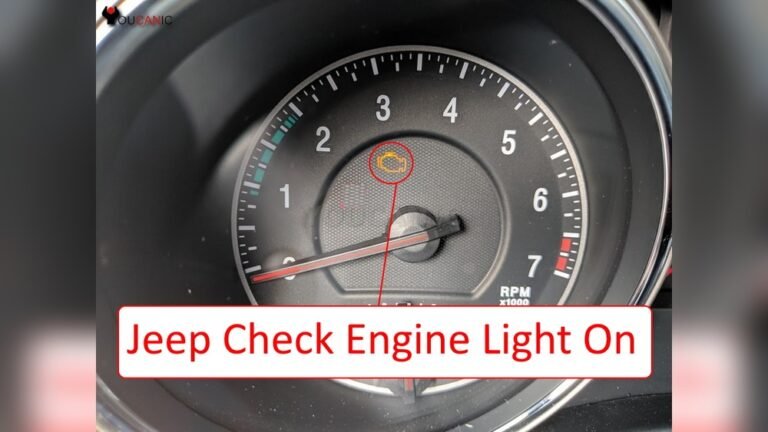
Electrical problems are among the top complaints, especially in the Jeep Grand Cherokee and Wrangler. These can include:
- Dashboard lights flickering
- Faulty sensors (like airbag or tire pressure)
- Power window failures
These problems can be frustrating and sometimes expensive to fix. For example, replacing a faulty TIPM (Totally Integrated Power Module) can cost over $1,000.
2. Transmission Problems
Transmission issues show up in both automatic and manual models. Symptoms can include:
- Hard shifting or slipping gears
- Delayed acceleration
- Transmission warning lights
The Jeep Cherokee (especially 2014–2015 models) had many recalls for its 9-speed automatic transmission.
3. Leaking And Water Issues
Because many Jeeps are designed for off-roading, water leaks are surprisingly common. Owners have found leaks around:
- Removable roof panels (Wrangler)
- Door seals
- Windshields
Water leaks can lead to mold, rust, and electrical issues if not fixed quickly.
4. Suspension And Steering Problems
Some Jeep models have what’s called “death wobble”—a strong, scary vibration at certain speeds. This is usually linked to the Wrangler. Causes can include:
- Worn track bars or tie rods
- Out-of-balance tires
- Loose suspension components
Fixing these issues may mean replacing parts or upgrading the suspension.
5. Engine Issues
Engine problems aren’t as common as electrical or suspension ones, but they can be serious. Reports include:
- Stalling while driving
- Oil leaks
- Overheating
The Pentastar V6 engine (used in many Jeeps) had head issues in early models, leading to expensive repairs.
Reliability: How Do Jeeps Compare?
To see if Jeeps really have “lots” of problems, it helps to compare their reliability to other brands. Here’s a look at recent reliability ratings:
| Brand | 2023 Reliability Score (out of 100) | Industry Average |
|---|---|---|
| Jeep | 48 | 59 |
| Toyota | 72 | 59 |
| Honda | 62 | 59 |
| Ford | 50 | 59 |
Jeep scores below the industry average, but it’s not the lowest. Brands like Toyota and Honda are more reliable, while Jeep’s score is similar to Ford. This means you may expect more problems with a Jeep, but not necessarily more than some other American brands.
Which Jeep Models Have The Most And Least Problems?
Not all Jeeps are equal. Some models and years are more reliable than others.
Most Problematic Jeep Models
- Jeep Cherokee (2014–2015): Known for major transmission issues.
- Jeep Grand Cherokee (2011–2014): Electrical and air suspension problems.
- Jeep Wrangler (2007–2011): Leaks and suspension complaints.
More Reliable Jeep Models
- Jeep Wrangler (2012–2017): Fewer engine problems.
- Jeep Compass (2018+): Improved reliability in newer models.
- Jeep Grand Cherokee (2018+): Better ratings after key updates.
Here’s a summary table of model reliability:
| Model | Problem Years | Better Years |
|---|---|---|
| Wrangler | 2007–2011 | 2012–2017 |
| Cherokee | 2014–2015 | 2018+ |
| Grand Cherokee | 2011–2014 | 2018+ |
| Compass | 2011–2016 | 2018+ |

Credit: www.youtube.com
Real Owner Experiences
Numbers are helpful, but real stories matter too. Many Jeep owners love their vehicles despite the issues. Here’s what you’ll often hear:
- Some owners see their Jeep as a hobby. They expect to fix small things themselves.
- Others are surprised by the repair costs, especially for electrical or transmission problems.
- Many say regular maintenance reduces big problems.
One Jeep Wrangler owner shared, “I’ve had some leaks and had to replace a sensor, but the fun I have off-roading is worth it. ” This shows that for some, the trade-off is acceptable.
How Jeep Problems Affect Cost Of Ownership
Jeeps usually cost more to maintain than the average SUV. Here’s why:
- More frequent repairs: Some parts wear faster, especially if you drive off-road.
- Specialized labor: Not all mechanics know Jeeps well, especially the 4×4 systems.
- Higher parts cost: Certain Jeep parts (like axles, transfer cases, or sensors) can be pricey.
According to RepairPal, the average annual repair cost for a Jeep Wrangler is about $694, while the industry average for compact SUVs is around $521.
Cost Comparison
| Vehicle | Average Yearly Repair Cost |
|---|---|
| Jeep Wrangler | $694 |
| Toyota RAV4 | $429 |
| Honda CR-V | $407 |
| Ford Escape | $600 |
Jeeps cost more to maintain than Japanese competitors, but are closer to Ford.
What Causes Jeeps’ Common Problems?
Understanding why Jeeps have more issues than some rivals can help you decide if they’re right for you.
- Design for off-road: Their strong, simple design is great for tough terrain but can mean rougher rides and more wear.
- Removable parts: Features like removable roofs and doors are fun but can lead to leaks.
- Older tech: Some models use older technology, which isn’t always as reliable as newer systems.
- Heavy use: Many Jeeps are used for towing, off-roading, or in harsh weather, which naturally causes more problems.
Can You Avoid Jeep Problems?
While some issues are common, there are ways to reduce your risk:
- Buy newer models: Jeeps made after 2018 usually have fewer problems.
- Check recalls: Always make sure previous recalls have been fixed.
- Do regular maintenance: Oil changes, brake checks, and fluid replacements help avoid big repairs.
- Avoid heavily modified Jeeps: While custom Jeeps look cool, poor modifications can cause major problems.
A careful buying process, including a mechanic’s inspection, can save you money and trouble.
When A Jeep Makes Sense
A Jeep might be a good fit if you:
- Love off-roading or live in a rural area with rough roads
- Don’t mind doing some repairs yourself or paying extra for maintenance
- Want a vehicle with a unique look and strong community
If you want a quiet, smooth ride and the lowest repair bills, another SUV brand might be a better choice.
Non-obvious Insights For Beginners
- Warranty coverage matters a lot. New Jeeps come with a basic warranty, but many electrical and transmission problems appear just after the warranty ends. Extended warranties can be a smart investment.
- Used Jeeps often have hidden wear. Many Jeeps are driven hard off-road, which can hide damage you won’t see on a test drive. Always ask for maintenance records and get a trusted mechanic to check underneath for rust or leaks.

Credit: www.youtube.com
Jeep’s Efforts To Improve Reliability
Jeep is aware of its reputation and has made changes in recent years:
- Newer engines: The latest models use improved engines with fewer known issues.
- Better electronics: Updates to the infotainment system and wiring have reduced electrical problems.
- More testing: Jeep now does more real-world testing to catch problems before release.
Still, it takes time for these improvements to change overall reliability scores.
Should You Buy A Jeep?
Choosing a Jeep is a balance between fun and practicality. If you value off-road capability, a strong community, and don’t mind more repairs, a Jeep can be a great buy. If you want the lowest costs and worry-free driving, you might be happier with a Honda or Toyota.
There’s no simple yes or no answer. The key is to know what you’re getting into and make a choice that fits your needs, budget, and sense of adventure.
For more technical details and recall information, you can read through the Jeep page on Wikipedia.
Credit: www.buymoparwarranty.com
Frequently Asked Questions
Is A Jeep Expensive To Maintain?
Yes, compared to other SUVs, Jeeps usually cost more to maintain. You may spend $200–$300 extra per year compared to brands like Toyota or Honda. Off-road use or older models can increase this cost further.
Are Newer Jeeps More Reliable Than Older Ones?
Generally, yes. Models built after 2018 have fewer major problems thanks to updated engines and electronics. However, it’s still important to check owner reviews for your specific year and model.
What Is “death Wobble” In Jeeps?
“Death wobble” is a strong vibration in the steering wheel, usually at highway speeds. It’s most common in Jeep Wranglers and is caused by loose or worn suspension parts. Regular checks and replacing worn parts can prevent it.
Do All Jeeps Have Water Leaks?
Not all, but many do. Leaks are most common in Wranglers with removable roofs. Keeping seals clean and replacing worn gaskets helps prevent leaks. Regular inspections after heavy rain are wise.
Is A Jeep A Good First Car?
It depends on your needs. If you want a fun, customizable SUV and don’t mind higher repair costs, a Jeep could be a good first car. For low maintenance and daily commuting, a simpler SUV may be better.
Jeeps are loved for their spirit and adventure, but they do come with more problems than some other vehicles. With the right expectations and care, many owners find the trade-off is worth it.