Why Does My Jeep Shake When I Hit a Bump: Expert Solutions
 Reading Time: 8 minutes
 If you drive a Jeep and notice it starts to shake or vibrate every time you hit a bump, you’re not alone. Many Jeep owners experience this problem, and it can be both annoying and worrying. Sometimes, the shaking is mild. Other times, your steering wheel feels like it’s fighting you. This shaking isn’t just uncomfortable—it can also be a sign of a bigger issue. Fixing it is important for your safety, your Jeep’s health, and your peace of mind.
In this article, you’ll learn the main reasons why your Jeep shakes when you hit a bump, how to tell what’s causing it, and what you can do to fix it. If you’re not a car expert, don’t worry. We’ll explain everything in simple, clear language, with real-world examples and practical advice.
What Does “jeep Shaking” Mean?
When we say a Jeep “shakes,” we’re talking about a strong vibration that often starts after you hit a bump or pothole. It can feel like:
- The steering wheel is vibrating or moving back and forth quickly
- The whole Jeep is shaking, especially at certain speeds
- The shaking starts after a bump and sometimes doesn’t stop right away
This is different from normal road vibration or minor steering movement. Sometimes, drivers call this problem the “death wobble.” But not all shaking is as serious as a death wobble. Either way, it’s a problem you shouldn’t ignore.
Common Causes Of Jeep Shaking After A Bump
Several things can make your Jeep shake after hitting a bump. Here are the most common causes, with easy explanations:
1. Worn Or Loose Steering Components
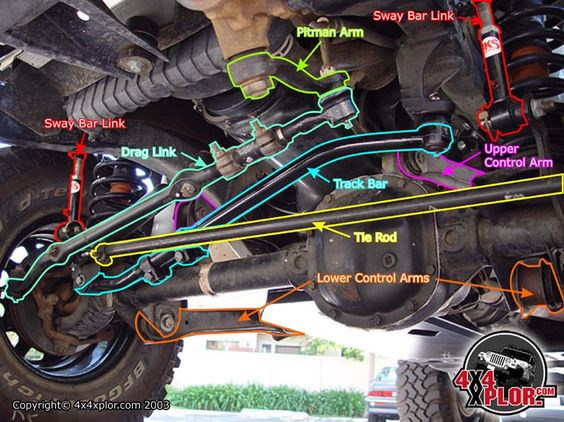
Your Jeep’s steering system connects your steering wheel to the wheels. If any part is worn out or loose, hitting a bump can make the wheels shake.
Key parts that often cause problems:
- Tie rod ends: Connect the steering to the wheels.
- Drag link: Helps steer the front wheels.
- Ball joints: Allow the wheels to move up and down.
If these parts are loose or worn, the wheels can move on their own after a bump. You may notice:
- Clunking noises
- Steering that feels “loose” or imprecise
- Uneven tire wear
2. Bad Wheel Alignment
If your wheels are not aligned properly, they don’t point straight ahead. Hitting a bump can make them pull or shake.
Signs of bad alignment:
- Jeep pulls to one side
- Uneven tire wear
- Steering wheel is off-center
Proper alignment is critical for a smooth ride. Even small misalignments can cause shaking after a bump.
3. Damaged Or Unbalanced Tires
Tires are your only contact with the road. If a tire is damaged, worn unevenly, or not balanced, hitting a bump can make it bounce and shake.
Watch for:
- Visible tire damage (bulges, cracks)
- Vibration at certain speeds
- Recent tire changes or repairs
Tip: Always check your tire pressure. Low or high pressure can also cause shaking.
4. Worn Suspension Bushings
Suspension bushings are rubber parts that cushion your Jeep’s suspension. Over time, they can wear out, crack, or break.
Worn bushings can cause:
- Clunks or rattles over bumps
- Steering instability
- Vibration after rough roads
5. Faulty Shocks Or Struts
Shocks and struts absorb bumps and keep your Jeep stable. If they are worn, they can’t control the wheel movement after a bump.
Common signs:
- Excessive bouncing after hitting a bump
- Leaking fluid on shocks/struts
- Poor handling on rough roads
6. Loose Or Bent Track Bar
The track bar keeps your Jeep’s axle in place. If it’s loose or bent, the axle can move side to side after a bump, causing a violent shake.
This is a common cause of “death wobble” in many Jeeps, especially lifted models.
7. Steering Damper Issues
The steering damper (or stabilizer) is like a shock absorber for your steering. If it’s weak or leaking, it can’t control vibrations after a bump.
While the damper isn’t usually the root cause, it can make the problem worse.
How To Diagnose The Cause
Finding the exact reason for your Jeep’s shaking takes a careful look at several parts. Here’s a practical approach you can follow or ask your mechanic to do:
- Visual Inspection: Check for worn, cracked, or loose parts under your Jeep, especially in the steering and suspension.
- Tire Check: Look for uneven wear, low tread, bulges, or missing weights.
- Steering Play Test: With the Jeep parked, gently move the steering wheel back and forth. There should be little “free play.” If the wheels don’t move right away, something is loose.
- Bushing & Joint Test: With the Jeep safely lifted, use a pry bar to check for movement in ball joints, tie rods, and control arm bushings.
- Shake Test: If safe, drive over a known bump at low speed and note when the shaking happens and how long it lasts.
If you’re not comfortable doing these checks yourself, a trusted mechanic or alignment shop can help.
Jeep Models Most Affected
Not all Jeeps have the same risk of shaking after a bump. Some are more likely to experience these problems, especially if they have solid front axles or are modified.
Here’s a simple comparison of common Jeep models and their risk level for shaking:
| Jeep Model | Front Axle Type | Shaking Risk |
|---|---|---|
| Wrangler (TJ, JK, JL) | Solid axle | High |
| Cherokee (XJ) | Solid axle | Medium-High |
| Grand Cherokee (WJ, ZJ) | Solid axle (older) | Medium |
| Liberty (KJ, KK) | Independent | Low |
| Compass/Patriot | Independent | Low |
Solid front axle Jeeps are more likely to develop shaking and death wobble, especially after modifications.
How Modifications Affect Jeep Shaking
Many Jeep owners add lift kits, bigger tires, or aftermarket wheels. These upgrades are fun for off-roading but can increase shaking if not installed correctly.
Lift Kits: Change the angle of steering and suspension parts. If you don’t also upgrade the track bar or alignment, you can get shakes.
Bigger Tires: Heavier and sometimes not balanced well. Can cause more stress on steering and suspension.
Aftermarket Wheels: Sometimes have the wrong backspacing or offset, which changes how forces move through the Jeep.
Always align your Jeep after any major change. Use quality parts designed for your model.
Solutions: How To Fix Jeep Shaking After Hitting A Bump
Fixing Jeep shaking is about finding and repairing the real cause. Here’s a practical, step-by-step plan:
- Check and Tighten All Bolts: Start by tightening all steering and suspension bolts to factory specs.
- Inspect and Replace Worn Parts: Replace any worn tie rod ends, ball joints, bushings, or track bars.
- Balance and Align Tires: Have your tires balanced and get a professional alignment. This alone fixes many cases.
- Replace Faulty Shocks/Struts: If they’re leaking or weak, replace them with quality units.
- Upgrade Steering Damper: If everything else is good, consider a heavy-duty steering damper.
- Re-torque After Off-Roading: After rough trails, check all bolts again. Off-roading can loosen parts.
Here’s a quick cost comparison for common Jeep shaking fixes:
| Repair | Average Cost (Parts + Labor) | DIY Possible? |
|---|---|---|
| Wheel Alignment | $80 – $150 | No |
| Tire Balance | $40 – $80 | No |
| Tie Rod End Replacement | $120 – $300 | Yes |
| Track Bar Replacement | $150 – $400 | Yes |
| Steering Damper | $70 – $150 | Yes |
| Shock/Strut Replacement | $250 – $700 | Yes (with tools) |
DIY repairs can save money, but only if you’re comfortable with car work. If not, use a certified mechanic.

Credit: www.reddit.com
Two Non-obvious Insights Beginners Often Miss
- Loose Track Bar Bolts: Even if a part looks good, a single loose bolt on the track bar can cause major shaking. This is often missed because the bolt may appear tight but isn’t torqued correctly. Always use a torque wrench to check factory specs.
- Tire Out-of-Round: Sometimes, a tire isn’t perfectly round after a repair or from factory defects. This is hard to see but easy for a tire shop to check. Rotating or replacing the tire may solve the problem.
How To Prevent Jeep Shaking In The Future
- Regular Inspections: Check your steering and suspension every oil change.
- Balance and Rotate Tires: Every 5,000–7,000 miles.
- Proper Alignment: After any suspension work or lift.
- Use Quality Parts: Cheap aftermarket parts often fail faster.
- Re-torque After Off-Roading: Bumpy trails can loosen bolts quickly.

Credit: www.wranglerforum.com
Real-world Example
Imagine you own a 2012 Jeep Wrangler JK. After hitting a pothole, the steering wheel starts to shake badly. The shaking doesn’t stop until you slow down to 20 mph.
You check and find:
- Your track bar bolt is loose.
- One front tire has uneven wear.
- The steering damper is leaking fluid.
You tighten the track bar, replace the worn tire, and install a new steering damper. After a new alignment, the shaking is gone. This case shows how multiple small problems can add up.
When Should You Worry About Jeep Shaking?
Any shaking that lasts more than a second or two is a red flag. Serious shaking can make you lose control and damage your Jeep. Do not ignore it.
- If the steering wheel shakes violently, slow down and pull over.
- If you hear loud clunks or see parts moving under the Jeep, do not drive.
- Always fix the problem before it gets worse.
How Jeep Shaking Affects Safety
Vehicle stability: Shaking can make your Jeep hard to control, especially at highway speed.
Tire and part damage: Repeated shaking wears out tires, bushings, and joints faster.
Risk of accidents: In extreme cases, you could lose control and crash.
Fixing Jeep shaking is about more than comfort—it’s about keeping you and your passengers safe.
Frequently Asked Questions
Why Is The Jeep “death Wobble” So Dangerous?
The death wobble is a violent, uncontrollable shaking of the steering wheel and front end. It usually happens at higher speeds after hitting a bump. It’s dangerous because you can lose control of your Jeep quickly. Always fix the cause before driving again.
Can I Drive My Jeep If It Shakes After A Bump?
It’s not safe to keep driving if your Jeep shakes badly after bumps. Shaking can get worse and cause other parts to break. Drive slowly and go straight to a mechanic if you can.
Will A Steering Stabilizer Fix The Shaking?
A steering stabilizer (damper) can help control minor vibrations but won’t fix the root cause. If parts are worn or loose, the shaking will return even after replacing the damper.
Do Bigger Tires Cause More Shaking?
Yes, bigger tires can make shaking worse if they are not balanced, or if other parts are worn. Heavier tires put more stress on your Jeep’s suspension and steering.
Where Can I Find More Information About Jeep Suspension Problems?
You can read more detailed guides and technical info on JeepForum, a popular site for Jeep owners and mechanics.
Jeep shaking after hitting a bump is common, but it’s not normal. By understanding the causes and solutions, you can fix the problem and keep your Jeep safe and fun to drive. If in doubt, always get a professional inspection.
Don’t wait for the shake to get worse—take action now for a smoother, safer ride.
Credit: www.offroadelements.com