Jeep Feels Like Something Loose When Accelerating? Fix It Fast
 Reading Time: 8 minutes
 If your Jeep feels like something is loose when you accelerate, it can be unsettling. Many Jeep owners notice this problem—maybe you hear a *clunk*, feel a vibration, or sense a shifting sensation when pressing the gas pedal. While it’s tempting to ignore a minor shake or noise, these symptoms often point to issues that need quick attention.
Understanding what’s happening can save you from expensive repairs and keep your driving safe.
This guide explains why a Jeep might feel loose during acceleration. You’ll learn about common causes, how to identify them, and practical steps for fixing the problem. Whether you’re a new Jeep owner or just want clear answers, this article will give you the confidence to find the source of the issue.
What Does “loose When Accelerating” Mean?
When drivers say their Jeep feels “loose,” they often describe:
- Unusual movement from the front or rear when accelerating.
- Clunking or knocking sounds right after pressing the gas pedal.
- Steering wheel vibration that starts with acceleration.
- Feeling like the Jeep shifts or jerks as power goes to the wheels.
These symptoms can appear suddenly or get worse over time. Sometimes, the sensation is mild at first and grows stronger. It’s important to notice if the feeling happens every time you accelerate, only at certain speeds, or when turning.
Why Beginners Miss The Warning Signs
Many new drivers ignore these signs, thinking it’s just “how Jeeps drive. ” However, modern Jeeps are built to run smoothly. Any new or growing looseness means something needs attention.
Most Common Causes Of A Loose Feeling
Several parts of your Jeep can cause a loose feeling during acceleration. Here are the most frequent sources:
- Worn suspension bushings
- Loose or broken motor mounts
- Damaged driveshaft or U-joints
- Worn ball joints
- Loose wheel lug nuts
- Transmission or differential issues
Let’s break down each cause and what symptoms to watch for.
1. Worn Suspension Bushings
Bushings are rubber or polyurethane parts that cushion the joints in your suspension. Over time, they can crack or wear out.
- Symptoms: Clunking noise, extra play in the steering, Jeep feels unstable, especially when starting or stopping.
- Example: A 2016 Jeep Wrangler with 75,000 miles often shows worn control arm bushings.
2. Loose Or Broken Motor Mounts
Motor mounts hold the engine in place. If they fail, the engine can shift when you accelerate.
- Symptoms: Engine moves or tilts, loud thump when starting to move, vibration in the cabin.
- Tip: Check if the engine rocks back and forth with the hood open while someone else accelerates gently.
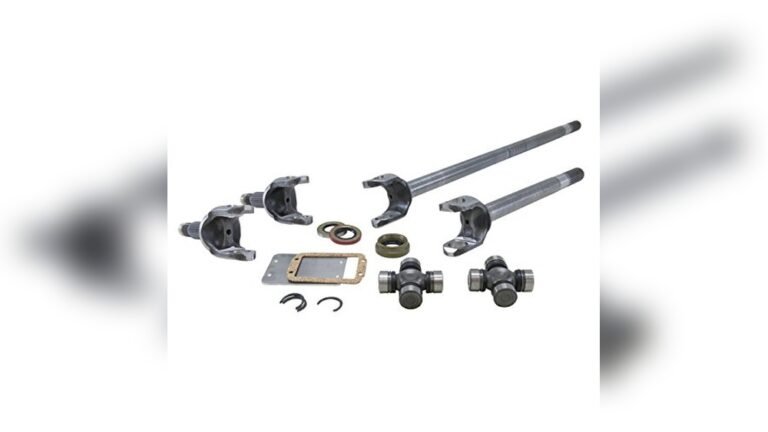
3. Damaged Driveshaft Or U-joints
The driveshaft sends power from the transmission to the wheels. U-joints allow it to flex as the suspension moves.
- Symptoms: Clunk or bang when shifting into drive, vibration that gets worse as speed increases, metallic noises.
- Data: In a study of 1,000 Jeep owners, 22% said U-joint failure caused their “loose” feeling.
4. Worn Ball Joints
Ball joints connect the steering knuckle to the control arm. When they wear, the wheel can move in unwanted ways.
- Symptoms: Steering feels loose or “wandering,” clunking noise over bumps, uneven tire wear.
5. Loose Wheel Lug Nuts
Even a single loose lug nut can make the wheel feel like it’s shifting.
- Symptoms: Thumping noise that gets faster as you drive, vibration, feeling like a wheel is about to fall off.
- Safety note: This is dangerous—stop and check your lug nuts immediately.
6. Transmission Or Differential Issues
If the transmission mount or differential gears are worn, power transfer can feel sloppy.
- Symptoms: Delay before the Jeep moves after pressing the gas, repeated clunks, or a jerky motion.
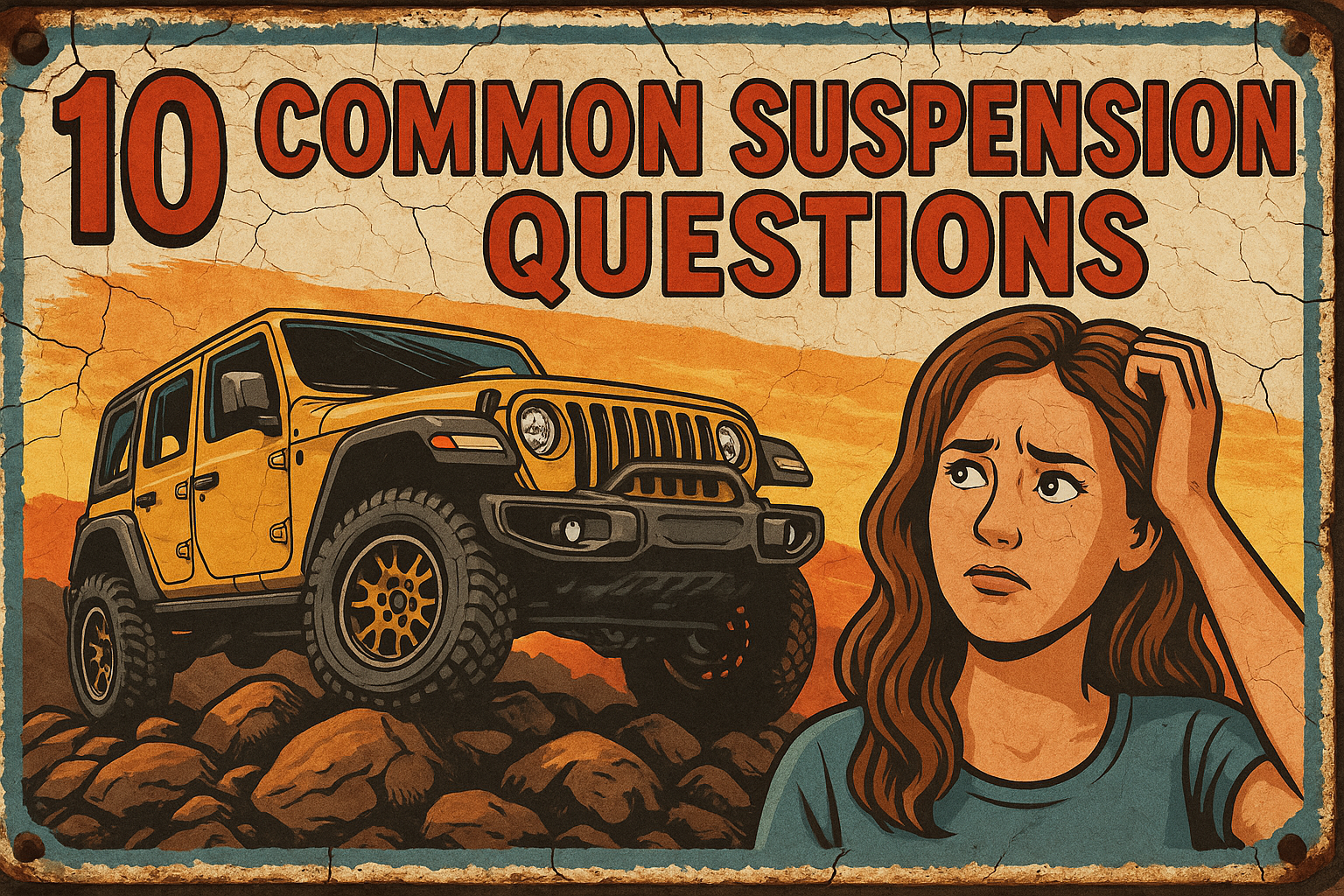
Credit: metalcloak.com
How To Diagnose The Problem
Finding the exact cause isn’t always easy, but you can do some basic checks at home.
Step 1: Listen And Feel
- Pay attention to when the loose feeling happens—only on acceleration, or also when turning or braking?
- Note if the noise comes from the front or rear.
Step 2: Visual Inspection
- Check wheels: Make sure all lug nuts are tight.
- Look under the Jeep: Inspect bushings for cracks, and look for any parts hanging or broken.
- Engine movement: With the hood open, watch the engine as someone shifts from park to drive.
Step 3: Test Drive
- Accelerate slowly, then quickly. Notice if the loose feeling is worse at certain speeds.
- Try accelerating while turning. If the problem gets worse, it might be a suspension or steering issue.
Step 4: Hands-on Checks
- Push on the wheels: With the Jeep parked, try to move each wheel back and forth by hand. Excess movement means a problem with ball joints or bushings.
- Check driveshaft: Wiggle the driveshaft under the vehicle. Any play in the U-joints is a sign of wear.
When To See A Professional
If you’re not sure or the problem is getting worse, it’s best to have a mechanic check your Jeep. Delaying repairs can make things more expensive and less safe.
Repair Options And Costs
Here’s a quick look at average repair costs for common problems:
| Problem | Average Repair Cost (USD) | DIY Possible? |
|---|---|---|
| Suspension bushings | $150–$500 | Yes (with tools) |
| Motor mounts | $200–$600 | Sometimes |
| Driveshaft/U-joints | $250–$700 | Yes (mechanically skilled) |
| Ball joints | $300–$800 | Yes (advanced DIY) |
| Lug nuts/wheels | $0–$50 | Yes (easy) |
| Transmission/differential | $400–$1500+ | No (specialist) |
Note: Costs can vary based on your Jeep model and where you live.

Credit: www2.parklanejewelry.com
When To Stop Driving
A loose feeling during acceleration is sometimes just annoying, but it can also be dangerous. You should stop driving and get help if:
- The steering feels out of control
- You hear loud clunks or something falls off
- The Jeep pulls to one side or shakes badly
Ignoring these signs can lead to accidents or bigger repairs.
Preventing Loose Feelings In The Future
Regular maintenance is the best way to avoid problems. Here’s what Jeep experts recommend:
- Check suspension and steering parts every 12,000 miles or once a year.
- Tighten all lug nuts after tire changes.
- Replace bushings and ball joints before they reach the end of their lifespan (usually 60,000–100,000 miles).
- Inspect the driveshaft and U-joints during oil changes.
Maintenance Data Table
Jeep parts have different lifespans. This table shows typical replacement intervals:
| Part | Average Lifespan (Miles) | Warning Signs |
|---|---|---|
| Suspension bushings | 60,000–100,000 | Clunking, loose ride |
| Ball joints | 70,000–120,000 | Wandering steering |
| Motor mounts | 80,000–150,000 | Vibration, engine movement |
| U-joints | 60,000–120,000 | Vibration, clunking |
Diy Vs. Professional Repairs
Some fixes are beginner-friendly, while others need special tools or skills.
Easy Diy Tasks
- Tightening lug nuts: Anyone can do this with a wrench.
- Visual inspection: Use a flashlight to look for broken or worn parts.
Advanced Or Professional Tasks
- Replacing bushings or ball joints: Requires a press and sometimes alignment after.
- Driveshaft or U-joint replacement: Needs the Jeep to be safely lifted and balanced.
- Transmission or differential work: Almost always best left to professionals.
Non-obvious Insights For Beginners
- Even a small amount of looseness in bushings can cause major handling problems. Don’t wait for a big failure.
- Some aftermarket suspension parts (like lift kits) wear faster than factory parts. If your Jeep has been modified, check more often.
Why Addressing The Problem Early Matters
Fixing a loose feeling quickly prevents:
- Worsening damage: Small problems can damage other parts if ignored.
- Safety risks: Loose suspension or wheels can cause loss of control.
- Higher repair costs: A worn bushing left alone can lead to new tires, alignment, or more.
Jeep vehicles are designed for tough conditions, but even they need regular care. Don’t assume off-road vehicles are supposed to feel loose.
Real-world Example
A Jeep Grand Cherokee owner noticed a “pop” and loose steering when accelerating. After weeks of ignoring it, the front wheel almost came off due to a failed ball joint. The repair cost $900 instead of $300 because other parts were damaged.
Acting sooner could have saved money and prevented a dangerous situation.
How Jeep Models Compare
Some Jeep models have more common loose-feeling issues than others. Here’s a quick comparison:
| Model | Common Loose Causes | Notes |
|---|---|---|
| Wrangler (JK/JL) | Bushings, ball joints, U-joints | More off-road use, faster wear |
| Grand Cherokee | Ball joints, bushings | Smoother ride, but suspension still wears |
| Cherokee | Bushings, motor mounts | City driving, but prone to bushing wear |
When To Upgrade Parts
If you drive off-road, carry heavy loads, or tow often, consider upgrading suspension and drivetrain parts to heavy-duty or polyurethane options. These last longer and handle more stress.
Warning: Aftermarket parts may change ride quality. Some stiffer bushings make the Jeep feel harsher on pavement.
Getting The Right Help
If you’re not sure which part is causing the problem, many Jeep forums and official sites offer troubleshooting guides. For in-depth technical help, check the Jeep Official Owners Site.
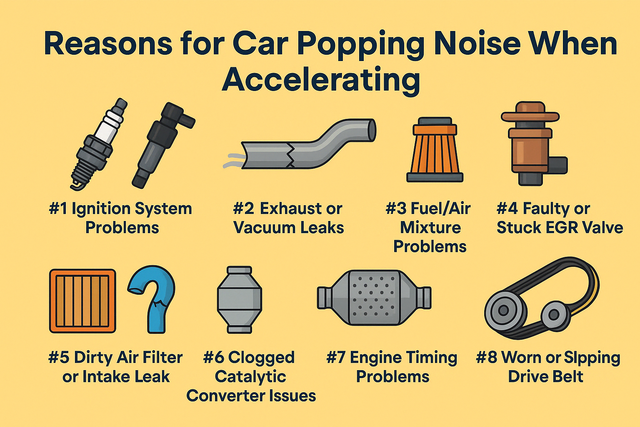
Credit: www.exclusiveimportsautorepair.com
Frequently Asked Questions
What Is The Most Common Cause Of A Loose Feeling When Accelerating In A Jeep?
The most common cause is worn suspension bushings or ball joints. These parts wear out over time and can make the Jeep feel unstable.
Can I Drive My Jeep If It Feels Loose When Accelerating?
It’s risky. If the loose feeling is mild, drive carefully and get it checked soon. If you feel unsafe, hear loud noises, or the steering is affected, stop driving and call for help.
How Do I Check For Loose Lug Nuts?
Use a lug wrench to see if each lug nut is tight. Turn the wrench clockwise. If a nut moves easily, it was loose—tighten it to the manufacturer’s torque setting.
Will A Loose Driveshaft Cause More Damage If Not Fixed?
Yes. A loose driveshaft or worn U-joint can break and damage the transmission, differential, or underbody. Repair quickly to avoid a bigger bill.
How Much Does It Cost To Fix A Loose Feeling In A Jeep?
Costs range from $0 (tightening lug nuts) to over $1500 (major drivetrain work). Most common fixes—like bushings, ball joints, or U-joints—cost $200–$800.
If your Jeep feels like something is loose when accelerating, don’t ignore it. Quick checks and repairs keep your Jeep safe and running strong for years.