Jeep Grand Cherokee 1996 Transmission: Common Problems & Fixes
 Reading Time: 7 minutes
 The Jeep Grand Cherokee 1996 is a classic SUV that many car fans remember for its strong build and off-road abilities. One of its most important parts is the transmission. For beginners, understanding how the 1996 Grand Cherokee’s transmission works is key for maintenance, troubleshooting, and even when buying a used model. This guide will break down everything you need to know, using simple words and real examples, so you can make smart decisions about your vehicle.
What Transmission Came In The 1996 Jeep Grand Cherokee?
In 1996, the Grand Cherokee came with different transmissions, depending on the engine and trim. Here are the main types:
- 42RE automatic transmission – Paired with the 4.0L inline-six engine.
- 44RE automatic transmission – Found in models with the 5.2L V8 engine.
- AX15 manual transmission – Rare, but possible in some base models with the 4.0L engine.
Most 1996 Grand Cherokees had an automatic transmission. Manual options were hard to find, especially in the U. S.
Automatic Transmission Details
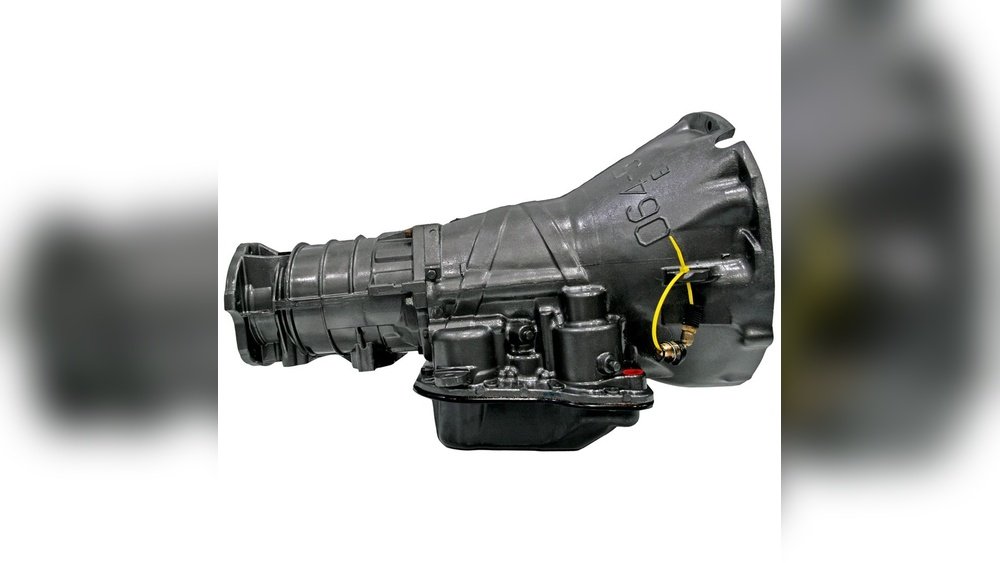
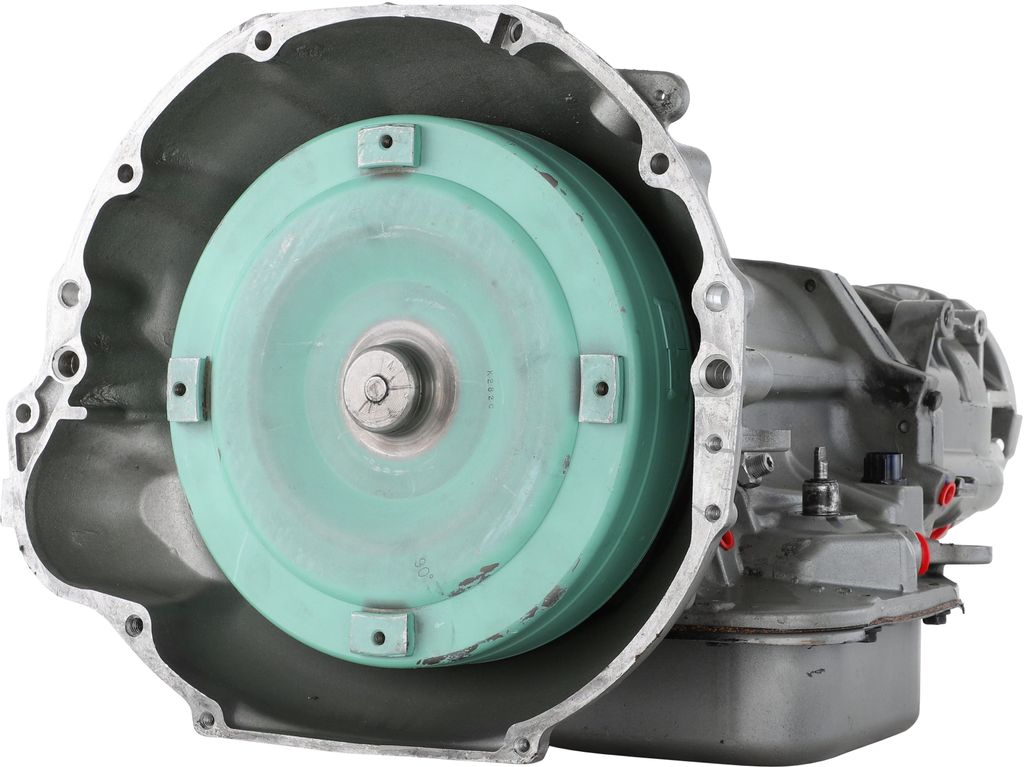
The 42RE and 44RE are both 4-speed automatic transmissions. Here’s a quick comparison:
| Transmission | Engine | Type | Common Use |
|---|---|---|---|
| 42RE | 4.0L Inline-6 | Automatic (4-speed) | Most common |
| 44RE | 5.2L V8 | Automatic (4-speed) | V8 models |
| AX15 | 4.0L Inline-6 | Manual (5-speed) | Rare/base model |
Key Features of 42RE/44RE:
- Overdrive gear for better highway fuel economy.
- Hydraulic control system for shifting gears.
- Electronic governor pressure solenoid (in 42RE) to help with gear changes.
These transmissions were known for their smooth shifting, but needed regular care.
Manual Transmission: Ax15
If you find a 1996 Grand Cherokee with a manual, it’s likely the AX15. This is a 5-speed manual transmission.
- Seen mostly in older or base models.
- Offers more driver control.
- Good for off-roading and towing.
However, most buyers chose the automatic for comfort.
Transmission Fluid: What You Need To Know
Using the correct transmission fluid is very important for a long-lasting transmission.
- For 42RE/44RE, use ATF+3 or ATF+4 automatic transmission fluid.
- AX15 manual uses 75W-90 gear oil.
Always check your owner’s manual to confirm fluid type.
How often to change? Jeep recommends changing automatic transmission fluid every 30,000 miles for normal use. For heavy towing or off-road, change it sooner.
Credit: reman-transmission.com
Common Transmission Problems In The 1996 Grand Cherokee
While these transmissions are strong, they can have issues, especially as the vehicle gets older.
- Delayed shifting – Gear changes take longer than normal.
- Slipping – Engine revs up but the car doesn’t move faster.
- Fluid leaks – Red fluid under your Jeep is a sign of trouble.
- No overdrive – Stuck in third gear, poor fuel economy.
- Hard shifts – Jerky or rough gear changes.
What causes these problems?
- Old or low transmission fluid.
- Worn out seals or gaskets.
- Faulty solenoids or sensors.
- Electrical issues in control module.
Troubleshooting Tips For Beginners
If your transmission is acting up, try these simple steps first:
- Check fluid level: Low fluid can cause many problems. Use the dipstick when the engine is warm and running.
- Look for leaks: Inspect under the Jeep for red or brown spots.
- Listen for sounds: Grinding or whining can mean trouble inside.
- Notice warning lights: The “Check Engine” light may come on for transmission issues.
If you find any of these problems, get help from a trusted mechanic soon. Waiting can make repairs more expensive.
How To Extend The Life Of Your Transmission
Caring for your transmission is easier than you think. Here are some ways to make it last longer:
- Change fluid regularly.
- Don’t tow heavy loads without proper cooling.
- Avoid sudden starts and stops.
- Let the engine warm up in cold weather before driving hard.
- Fix leaks quickly.
Many beginners forget that even small leaks or old fluid can lead to big problems.
Transmission Replacement Vs. Repair
If your transmission fails, you have a few choices:
- Repair (rebuild) the transmission.
- Fixes or replaces damaged parts inside.
- Costs less than a new transmission.
- Good if the damage is not severe.
- Replace with a remanufactured transmission.
- Fully rebuilt and tested by experts.
- More reliable than a simple repair.
- More expensive, but often comes with a warranty.
- Buy a used transmission.
- Cheapest option.
- Risk of unknown wear or hidden problems.
Here’s a quick cost comparison:
| Option | Average Cost (USD) | Pros | Cons |
|---|---|---|---|
| Repair | $1,200–$2,500 | Cheaper, keeps original unit | May not last as long |
| Remanufactured | $2,000–$3,500 | Reliable, warranty included | Higher cost |
| Used | $800–$1,500 | Low price | Unknown history |
Pro tip: Always ask for a warranty, even on used or rebuilt units.
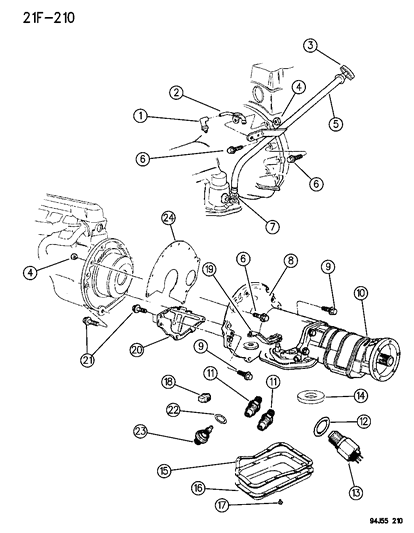
Credit: www.moparpartsgiant.com
How To Identify Which Transmission You Have
Not sure which transmission is in your 1996 Grand Cherokee? Here’s how to find out:
- Check the VIN label (inside driver’s door).
- Look for model tags on the transmission case.
- Ask a mechanic to confirm by looking under the vehicle.
Knowing your transmission type helps you order the right parts and fluids.
Upgrades And Modifications
Some Jeep owners want better performance or towing abilities. Here are popular upgrades:
- Transmission coolers – Prevent overheating when towing.
- Shift kits – Make shifts faster and firmer.
- Upgraded torque converters – For more power in off-road use.
Upgrades can help, but always use quality parts and have a professional install them.
Buying A Used 1996 Grand Cherokee: Transmission Checklist
If you’re shopping for a used 1996 Grand Cherokee, pay close attention to the transmission:
- Test drive the vehicle. Make sure it shifts smoothly in all gears.
- Check fluid color and smell. Good fluid is red and not burnt.
- Listen for any noises when shifting.
- Ask for service records. Regular fluid changes are a good sign.
Beginner mistake: Some people skip the test drive or forget to check the fluid—don’t make this error!
Real-world Example: Transmission Failure Story
A common real-life example involves a 1996 Grand Cherokee owner who ignored a small fluid leak. Over months, the fluid became very low. One day, the Jeep refused to shift into overdrive. After a shop inspection, the transmission needed a full rebuild costing over $2,500.
If the owner had fixed the leak and changed the fluid earlier, the repair would have been much cheaper.
This story highlights the importance of regular checks and fast action when you spot a problem.
What Makes The 1996 Jeep Grand Cherokee Transmission Unique?
The 1996 Jeep Grand Cherokee transmission stands out for a few reasons:
- It was one of the first SUVs with electronic shift control in a 4-speed automatic.
- The 42RE/44RE can handle both city driving and off-road trails.
- Simple design makes repairs possible for skilled DIYers.
However, the electronics can confuse beginners. If you plan to work on your own Jeep, get a repair manual or ask for expert help.
Transmission Maintenance Schedule
A regular schedule helps keep your Jeep running well:
- Check fluid every oil change (3,000–5,000 miles).
- Change fluid and filter every 30,000 miles or sooner for heavy use.
- Inspect for leaks monthly.
- Listen for changes in shifting or noises.
Sticking to this schedule can save you thousands in repair costs.

Credit: www.ebay.com
Transmission Recall And Service Bulletins
No major recalls were issued for the 1996 Grand Cherokee transmission, but there were some service bulletins:
- Shift solenoid failures reported in some models.
- Valve body updates to fix harsh shifting.
- Improved seals and gaskets recommended for high-mileage vehicles.
Check with your local Jeep dealer if you have shifting issues—they may offer updated parts or software.
Where To Find More Information
If you want deeper technical details, the best resource is the official Jeep service manual. Also, online forums like JeepForum. com have many owners sharing their experiences and tips.
For basic specs and facts, you can also visit Wikipedia.
Frequently Asked Questions
What Type Of Transmission Fluid Does The 1996 Jeep Grand Cherokee Use?
The automatic (42RE/44RE) uses ATF+3 or ATF+4 fluid. The manual (AX15) uses 75W-90 gear oil. Always double-check your owner’s manual to be sure.
How Do I Know If My Transmission Needs Repair?
Warning signs include slipping gears, delayed shifting, leaking fluid, or a “Check Engine” light. If you notice these, get your Jeep checked by a mechanic.
Can I Drive With A Leaking Transmission?
It’s risky. Driving with a leak can quickly lead to major transmission damage. Always fix leaks as soon as possible.
Is It Worth Rebuilding A 1996 Jeep Grand Cherokee Transmission?
If the rest of your Jeep is in good shape, a rebuild can add years to its life. Compare the cost of rebuilding ($1,200–$2,500) to buying another vehicle before deciding.
How Often Should I Change The Transmission Fluid?
For most drivers, change it every 30,000 miles. If you tow or drive off-road often, change it sooner (about every 20,000 miles).
The 1996 Jeep Grand Cherokee transmission is reliable with the right care. Knowing the basics and acting fast when problems come up can keep your Jeep on the road for many years.