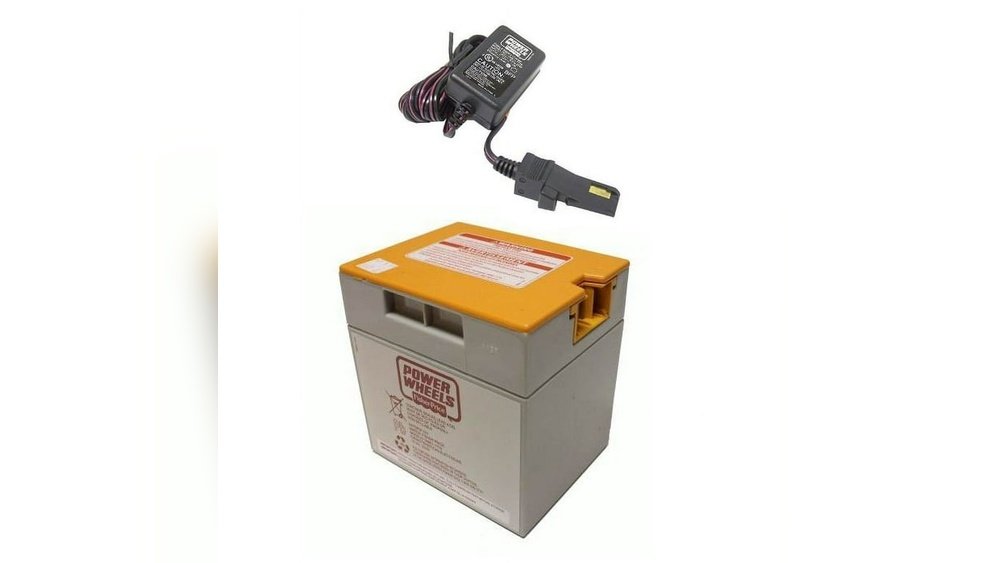
Power Wheels Jeep Hurricane Battery Upgrade: Ultimate Guide
 Reading Time: 7 minutes
 Power Wheels Jeep Hurricane Battery Upgrade
Getting more power and longer playtime from your child’s Power Wheels Jeep Hurricane is a common goal for many parents. If your Jeep slows down quickly or doesn’t hold a charge, a battery upgrade can make a huge difference. But upgrading is not just about swapping batteries. Safety, compatibility, and long-term reliability all matter. In this guide, you’ll learn step-by-step how to upgrade your Power Wheels Jeep Hurricane battery, understand your options, and avoid common mistakes.
Why Upgrade The Battery?
Many Power Wheels Jeep Hurricane models come with a 12V lead-acid battery. While these are standard, they often have:
- Short runtime (30–45 minutes)
- Long charging times (8–12 hours)
- Reduced power as the battery ages
Upgrading your battery can give:
- Longer driving time per charge
- Quicker acceleration and higher top speed
- Shorter charging times
- Improved performance on hills and grass
For families with active kids, these benefits can turn a frustrating toy into hours of outdoor fun.
Understanding Battery Options
Before you buy a new battery, it’s important to understand the choices available. Here’s a breakdown:
| Battery Type | Pros | Cons |
|---|---|---|
| Lead-Acid (Standard) | Cheap, Easy to Replace | Heavy, Slow to Charge, Short Life |
| Lithium-Ion (Li-ion) | Lightweight, High Capacity, Fast Charging | Expensive, Needs Special Charger, Can Overheat if misused |
| Lithium Iron Phosphate (LiFePO4) | Very Safe, Long Cycle Life, Maintains Voltage | Higher Cost, Needs Custom Setup |
Most beginners choose a higher-capacity lead-acid battery or switch to a lithium battery for better performance.

Credit: www.impactbattery.com
How To Choose The Right Battery
Choosing the right battery is critical for safety and performance. Here’s what you need to consider:
- Voltage: The Jeep Hurricane is designed for 12V. Upgrading to 18V or 24V increases speed but may wear out the motor and gears faster. For beginners, stick with 12V or 12V in parallel for more capacity.
- Capacity (Ah): Higher amp-hour (Ah) means longer run time. The stock battery is usually 9.5Ah–12Ah. Upgrading to 18Ah or 20Ah can nearly double playtime.
- Size & Fit: The battery must fit in the compartment. Measure before buying.
- Connector Type: Power Wheels uses a unique connector. You may need an adapter or to swap the connector.
- Charger Compatibility: Lithium batteries require special chargers. Using the wrong charger can be dangerous.
Example Battery Choices
- 12V 18Ah SLA Battery: Same voltage, longer playtime, fits in most compartments.
- 12V 20Ah LiFePO4 Pack: Lighter and safer but needs a different charger and sometimes custom wiring.
Tools And Materials Needed
Upgrading is not complicated, but you’ll need a few basic tools:
- New battery (see above)
- Screwdriver (usually Phillips)
- Wire cutters/strippers
- Electrical tape or heat shrink tubing
- Soldering iron (optional, for secure connections)
- Multimeter (to check voltage)
- Power Wheels connector adapter (if needed)
- Appropriate charger (especially for lithium batteries)
- Zip ties (for securing cables)
Always work in a well-ventilated, dry area. Keep small children away during the upgrade process.
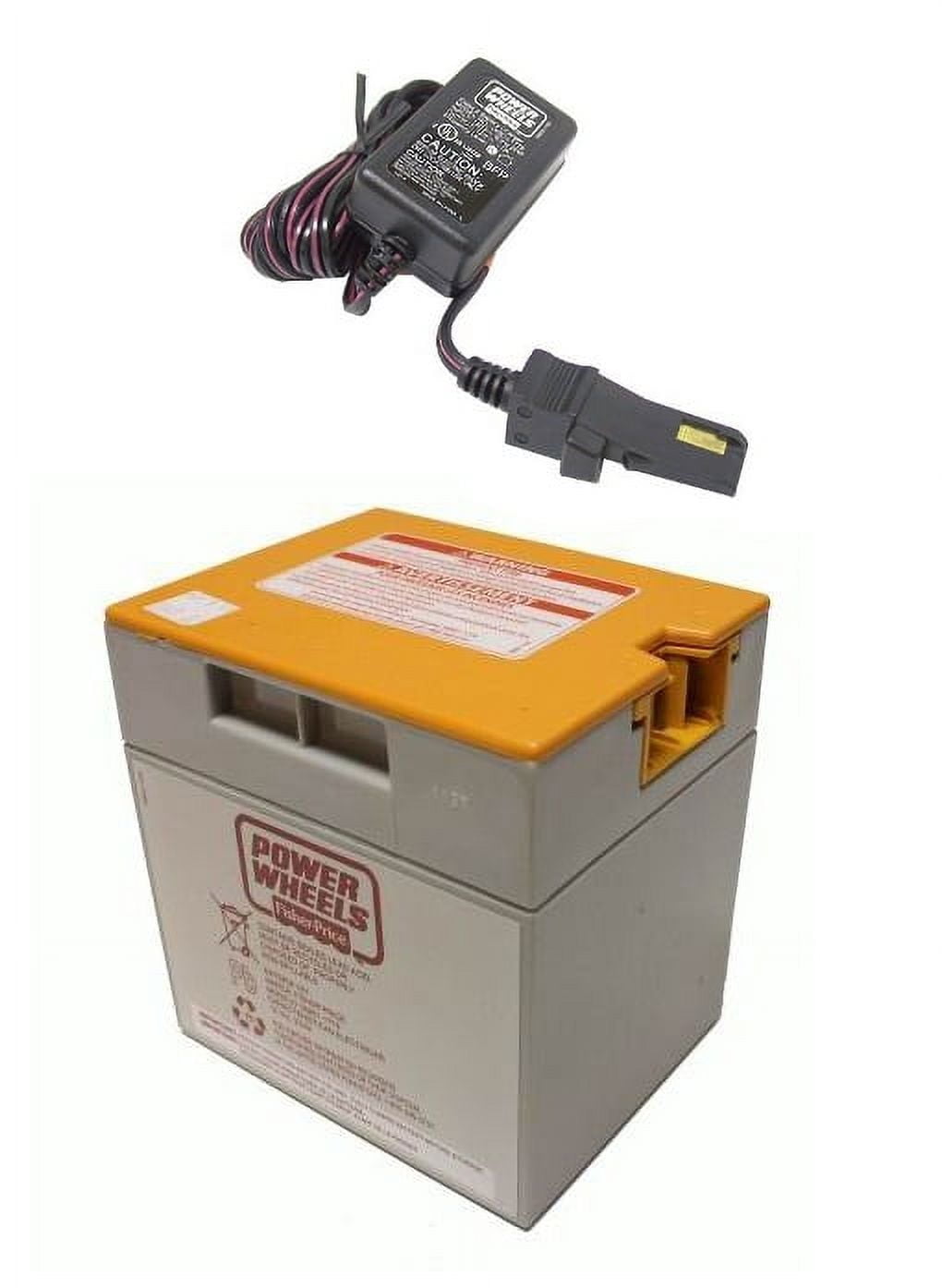
Credit: www.walmart.com
Step-by-step Upgrade Guide
Follow these steps for a smooth battery upgrade:
1. Remove The Old Battery
- Turn off the Jeep and disconnect any chargers.
- Open the battery compartment (usually under the hood or seat).
- Disconnect the battery plug.
- Remove the old battery.
2. Test The New Battery
- Use a multimeter to check the voltage of your new battery. It should read slightly above 12V when fully charged.
- If using a lithium battery, check the manufacturer’s instructions.
3. Prepare The New Battery
- If the new battery doesn’t have the same connector, either:
- Use a Power Wheels battery adapter, or
- Cut the connector from the old battery and attach it to the new one. Match the red (positive) and black (negative) wires.
- Make all connections secure with electrical tape or heat shrink tubing.
4. Install The New Battery
- Place the battery in the compartment. Use foam or padding if it’s smaller, so it doesn’t move around.
- Double-check all connections.
- Secure loose wires with zip ties.
5. Test The Jeep
- Turn the ignition switch to “on.”
- Press the pedal and check for smooth movement.
- Listen for odd noises or smells—stop immediately if you notice these.
6. Charge Properly
- For lead-acid: Use the Power Wheels charger.
- For lithium: Only use the charger designed for your battery type.
- Never leave charging batteries unattended.
Real-world Example: Comparing Playtime
Here’s how different batteries affect playtime for a typical Power Wheels Jeep Hurricane:
| Battery Type | Capacity (Ah) | Estimated Playtime |
|---|---|---|
| Lead-Acid (stock) | 9.5Ah | 30–45 minutes |
| Lead-Acid (upgrade) | 18Ah | 60–90 minutes |
| LiFePO4 (upgrade) | 20Ah | 90–120 minutes |
This is based on average driving on flat ground with a 50 lb child. Actual playtime will vary with speed, terrain, and child’s weight.

Credit: www.youtube.com
Safety Precautions
Battery upgrades can be safe if you follow key rules:
- Never mix different battery types (e.g., old lead-acid with new lithium).
- Avoid overcharging. Use the correct charger every time.
- Do not exceed 12V unless you have upgraded the motor, gearboxes, and wiring.
- Inspect wires for damage before and after installation.
- Teach children not to touch wiring or connectors.
A common mistake is using a higher voltage without upgrading the motor. This can burn out gears and even cause electrical fires.
Upgrading To 18v Or 24v: Should You Do It?
Some parents want more speed and look into 18V or 24V upgrades. Here’s what you need to know:
- 18V gives about 33% more speed
- 24V nearly doubles speed
But:
- Motors and gears wear out much faster
- Brakes may not handle the extra speed
- Warranty is void
Upgrading to higher voltage is not recommended for beginners. If you want to try, you must upgrade other parts like the motor, gearboxes, and wiring.
Maintaining Your Upgraded Battery
To keep your new battery working well:
- Charge after each use but avoid overcharging.
- Store batteries inside during winter or cold months.
- Clean connectors regularly to prevent corrosion.
- Check voltage every few weeks with a multimeter.
Lithium batteries can last 2–3 years or more if cared for. Lead-acid batteries may need replacing after 1–2 years of regular use.
Troubleshooting Common Problems
After upgrading, you might face some issues. Here’s how to handle them:
- Jeep won’t start: Check wiring, fuses, and battery charge.
- Runs for a few minutes then dies: Battery may not be fully charged or has dropped a cell.
- Strange smells or hot wires: Stop use immediately and check for shorts.
- Charger not working: Confirm you’re using the right charger for your battery.
If unsure, contact the battery manufacturer or a local electronics expert.
Cost Breakdown
Here’s what you can expect to spend:
- 12V 18Ah SLA battery: $40–$60
- 12V 20Ah LiFePO4 battery: $90–$150
- Charger for LiFePO4: $20–$40
- Adapter/connectors: $10–$20
Upgrading usually costs $50–$200, depending on the setup. That’s a small investment for doubling playtime and fun.
Two Non-obvious Insights For Beginners
- Battery weight matters: Heavier batteries (like large lead-acid) can slow down the Jeep and reduce climbing ability. Lithium batteries are lighter and improve both speed and runtime.
- Voltage sag affects performance: As lead-acid batteries discharge, voltage drops, leading to slow driving even if some charge is left. Lithium batteries maintain voltage until almost empty, so the Jeep feels faster for longer.
When To Replace The Battery Again
Watch for these signs:
- Playtime drops below 20 minutes
- Battery won’t hold a charge
- Jeep moves very slowly, even after charging
- Visible leaks or bulges in the battery case
Replace batteries promptly to avoid damaging the Jeep’s electronics.
Environmental Disposal
Never throw old batteries in the trash. Take them to a recycling center or electronics store. Many stores accept old batteries for safe recycling.
For more info on battery recycling, check the EPA’s battery recycling guide.
Frequently Asked Questions
What Is The Best Battery Type For My Power Wheels Jeep Hurricane?
For beginners, a 12V 18Ah lead-acid or 12V 20Ah LiFePO4 battery is ideal. Lead-acid is affordable and easy to install. LiFePO4 is lighter, lasts longer, and provides consistent power but costs more.
Can I Use A Car Battery For My Power Wheels Jeep Hurricane?
No, car batteries are not safe. They are too large, too heavy, and designed for high current, which can damage the Jeep’s wiring and electronics.
Will Upgrading The Battery Void My Warranty?
Yes, any battery upgrade not approved by Power Wheels will void the warranty. If your Jeep is new, consider waiting until the warranty expires.
How Much Faster Will My Jeep Go With A New Battery?
A higher-capacity battery (same voltage) gives longer run time, not more speed. Only higher voltage (18V or 24V) increases speed, but this is risky for the stock motor and gears.
How Do I Know If I Need A New Charger?
If you switch to a lithium battery, you must use the charger that comes with it or is recommended by the seller. Using the wrong charger can damage the battery or cause safety issues.
Upgrading your Power Wheels Jeep Hurricane battery is a smart move if you want longer play and better performance. With the right battery, tools, and some basic electrical knowledge, you can make your child’s ride-on Jeep faster, more fun, and reliable.
Always follow safety tips, use the correct charger, and recycle old batteries. The difference in playtime and power will surprise both you and your kids.