Whats Up With Rubber Ducks And Jeeps: The Surprising Trend
 Reading Time: 7 minutes
 If you have ever seen a Jeep covered in small yellow ducks, you might wonder, “What’s up with rubber ducks and Jeeps?” This strange but fun tradition has become a symbol in the Jeep community. It’s not only about playing with toys—it’s about friendship, fun, and sharing a smile. The story behind rubber ducks and Jeeps is more interesting than you might think. If you are new to Jeeps or just curious, this article will help you understand why you see these ducks everywhere and what they mean.
The Origin Of Jeep Ducking
The tradition started in 2020. A Jeep owner in Canada named Allison Parliament placed a rubber duck on another Jeep. She did this to spread kindness after a tough time. The act was simple but powerful. Soon, other Jeep owners copied her idea. The practice spread fast—first across Canada, then into the United States, and finally around the world.
- The first “ducking” was meant to make someone smile.
- It grew into a movement called Jeep Ducking or Duck Duck Jeep.
- Jeep drivers started carrying bags of rubber ducks to give away.
This tradition is not about competition or showing off. It’s about sharing joy among Jeep owners. It became especially popular during the pandemic, when people needed a little extra happiness.
Why Rubber Ducks?
Rubber ducks are small, affordable, and easy to spot. They have a friendly look that makes people smile. Placing a duck on a Jeep is a simple gesture, but it carries a lot of meaning.
- Rubber ducks are bright and colorful, so they stand out.
- They are not expensive; you can buy them in bulk.
- They symbolize kindness and fun.
Many Jeep owners personalize their ducks. Some write messages or put names on them. Others use special colors or themes, such as superheroes or animals. Ducks can also be used to mark special events, like birthdays or Jeep club meetings.
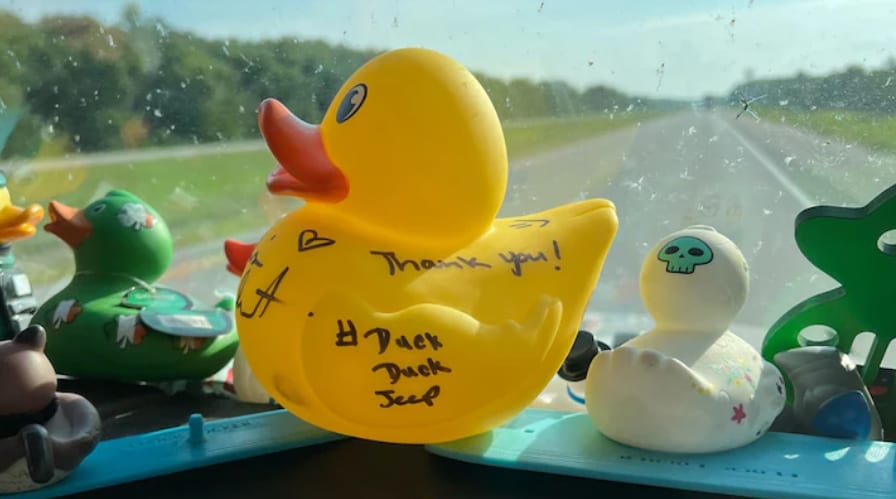
Credit: www.sleepyhollowauto.com
How Jeep Ducking Works
If you own a Jeep, you might get “ducked.” This means someone places a rubber duck on your car, usually on the door handle or windshield. Sometimes, they leave a note or tag. The process is easy:
- Buy rubber ducks—often from dollar stores or online.
- Carry ducks in your Jeep at all times.
- When you see another Jeep, place a duck somewhere visible.
- Optionally, add a note with a message or your social media tag.
You can duck Jeeps at parking lots, off-road events, or even while traveling. The goal is to make someone’s day better.
Jeep Ducking Vs. Other Car Traditions
Other car brands have their own traditions, but Jeep ducking is unique. Here’s how it compares:
| Car Brand | Tradition | Purpose |
|---|---|---|
| Jeep | Rubber Ducking | Spread kindness and fun |
| Volkswagen | Wave or flash lights | Recognition among owners |
| Subaru | Badge of Ownership | Show model and achievements |
Jeep ducking is more playful and less formal than other car traditions. It’s easy for beginners to join. You don’t need special skills—just a bag of ducks and a friendly attitude.
Jeep Community And Ducking Events
The Jeep community is known for being inclusive and welcoming. Jeep ducking helps build connections between owners. Many Jeep clubs organize ducking events:
- Jeep meets: Owners gather and exchange ducks.
- Charity drives: Ducks are used to raise money for good causes.
- Social media challenges: Photos of ducked Jeeps are posted online.
Some events even have competitions for the most creative duck. In 2023, Jeep clubs in Texas and Florida held “Duck Day” with hundreds of Jeeps and thousands of ducks.
Data: How Popular Is Jeep Ducking?
Jeep ducking has exploded in popularity. Social media shows millions of posts with #DuckDuckJeep. According to Instagram and Facebook:
- Over 2 million posts use the hashtag #DuckDuckJeep.
- Jeep owners report that ducking is common in over 40 countries.
- Duck sales in the U.S. increased by 300% in 2021 compared to 2019.
This shows that Jeep ducking is not just a local trend—it’s global. Even Jeep dealerships sometimes give ducks to customers.
Why Do Jeep Owners Love Ducking?
Jeep owners are known for their adventurous spirit. The ducking tradition fits this attitude. Here’s why it’s so popular:
- Sense of belonging: Ducking makes you feel like part of a club.
- Unexpected happiness: Finding a duck is a surprise and brightens your day.
- Easy for beginners: You don’t need to know much about Jeeps to join.
- Social sharing: Owners love to post duck pictures online.
Some Jeep owners collect ducks and display them inside their vehicles. Others trade ducks with friends or at Jeep events.
How To Join The Ducking Fun
If you are new to Jeeps or ducking, it’s easy to start. Follow these steps:
- Buy a pack of rubber ducks—look for bright colors or fun designs.
- Keep ducks in your Jeep, ready for ducking.
- When you see another Jeep, place a duck gently (don’t damage the car).
- Add a note or tag if you want.
- Take a photo and share it online with #DuckDuckJeep.
Tips for beginners:
- Don’t duck non-Jeep vehicles; the tradition is only for Jeeps.
- Always ask permission if you are not sure.
- Avoid blocking mirrors or damaging paint.
Practical Insights For Beginners
Many beginners miss a few key points:
- Duck size matters: Small ducks are better. Large ducks can fall or cause scratches.
- Weather: If it’s raining, ducks may slide off or get dirty. Place them carefully.
- Location: Parking lots are safest. Ducking on busy streets is not recommended.
- Respect: Not all Jeep owners like ducking. If you see a “No Duck” sign, respect it.
Some Jeep owners use duck tags—small cards with a message. These tags can include your Instagram handle or a positive quote.
Creative Duck Ideas
The basic rubber duck is just the start. Many Jeep owners customize their ducks:
- Paint ducks with Jeep logos or colors.
- Use themed ducks—pirates, superheroes, animals.
- Add accessories like hats or sunglasses.
- Write messages such as “Keep Smiling!” or “Jeep Life Rocks!”
Custom ducks make the tradition more personal. Some owners keep a collection of special ducks in their Jeep dashboard.
Social media has played a big role in spreading the ducking trend. Owners share photos on Instagram, Facebook, and TikTok. Many Jeep clubs have their own hashtags. Here’s a quick look at the impact:
| Platform | Hashtag | Posts (2023) |
|---|---|---|
| #DuckDuckJeep | 1.3 million | |
| #DuckDuckJeep | 500,000 | |
| TikTok | #JeepDucking | 200,000 |
Social media helps beginners learn the tradition. You can follow Jeep clubs or ducking accounts for ideas.
Jeep Ducking In Numbers
Let’s look at some practical data:
| Year | Estimated Ducks Given | Countries Involved |
|---|---|---|
| 2020 | 50,000 | 5 |
| 2021 | 250,000 | 25 |
| 2023 | 1.5 million | 40+ |
This growth is proof that Jeep ducking is more than a fad. It’s a lasting tradition that keeps growing.
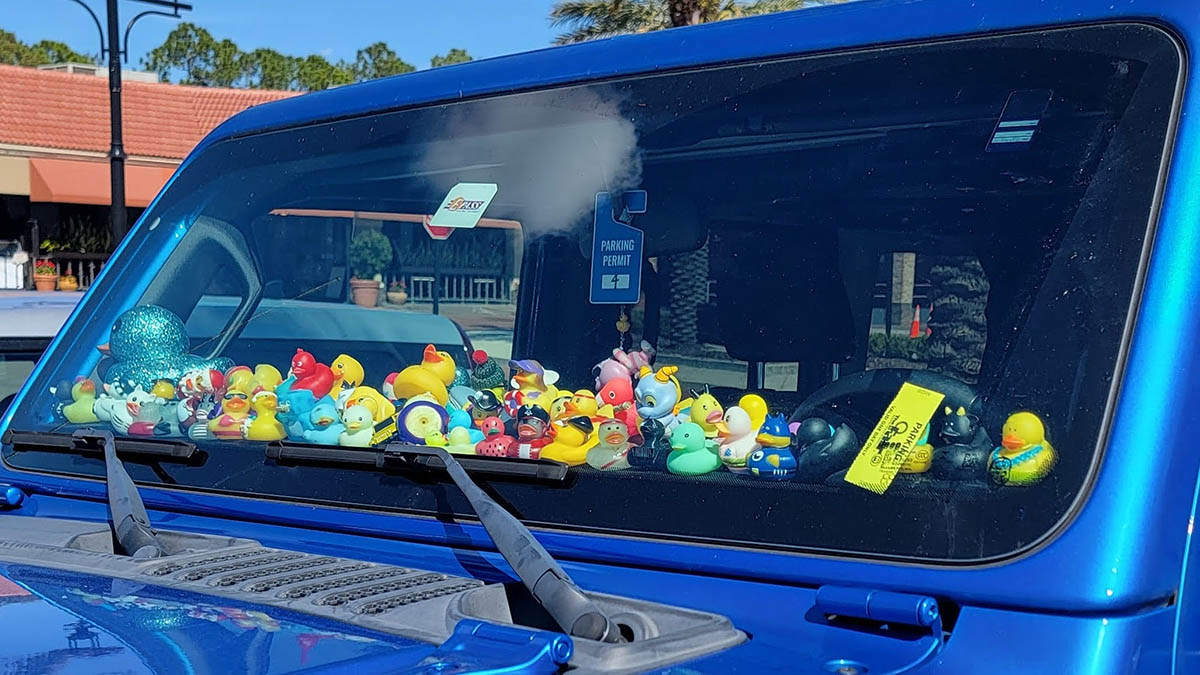
Credit: www.autotrader.com
Common Mistakes To Avoid
For beginners, it’s easy to make mistakes. Here are some to watch out for:
- Using giant ducks: They can scratch paint or block visibility.
- Placing ducks in unsafe spots: Avoid the windshield wipers or exhaust pipe.
- Duck non-Jeep vehicles: Only Jeeps are part of the tradition.
- Leaving trash: Always take packaging with you.
If you are unsure, ask other Jeep owners or check social media for advice.
Jeep Ducking And Jeep Culture
Jeep ducking is now a part of Jeep culture. It shows how Jeep owners welcome new members. The tradition fits with the Jeep lifestyle—outdoor adventures, meeting people, and having fun.
- Jeep ducking is included in Jeep club events.
- Some dealerships give ducks with new Jeeps.
- Jeep magazines and blogs write about ducking.
This makes ducking a great way for beginners to join the Jeep world.
The Future Of Jeep Ducking
Jeep ducking is likely to stay popular. As more people buy Jeeps, the tradition will grow. Social media keeps spreading the idea. Some Jeep clubs are starting new duck challenges and contests.
Experts predict that duck sales will keep rising. There are even plans for official Jeep duck events in some states. If you want to be part of this trend, it’s easy—just get a bag of ducks and start sharing.
If you want more details about the history and growth of Jeep ducking, you can check Wikipedia for a deeper look.
Frequently Asked Questions
What Does It Mean To Find A Rubber Duck On My Jeep?
It means another Jeep owner has “ducked” you. This is a friendly gesture to welcome you into the Jeep community. It’s a sign of kindness and fun.
Can I Duck Any Jeep, Or Only Certain Models?
You can duck any Jeep—Wrangler, Cherokee, Renegade, and others. Most owners duck Wranglers, but the tradition is open to all Jeep models.
Where Should I Place A Rubber Duck On A Jeep?
The best spots are door handles, mirrors, or inside the driver’s window. Avoid places that might damage the car or block the driver’s view.
How Many Ducks Should I Carry In My Jeep?
Most owners carry a bag of small ducks—10 to 50 is common. Choose bright, small ducks for best results.
Is Jeep Ducking Only In The United States?
No, it’s global. Jeep ducking is common in Canada, Australia, Europe, and more than 40 countries. The tradition keeps growing every year.
Jeep ducking is a tradition that welcomes everyone, especially beginners. It’s easy to start and brings smiles wherever you go. If you drive a Jeep, keep a few rubber ducks handy—you never know who you might make happy. This simple act is now a big part of Jeep culture, and its popularity shows no sign of slowing down.
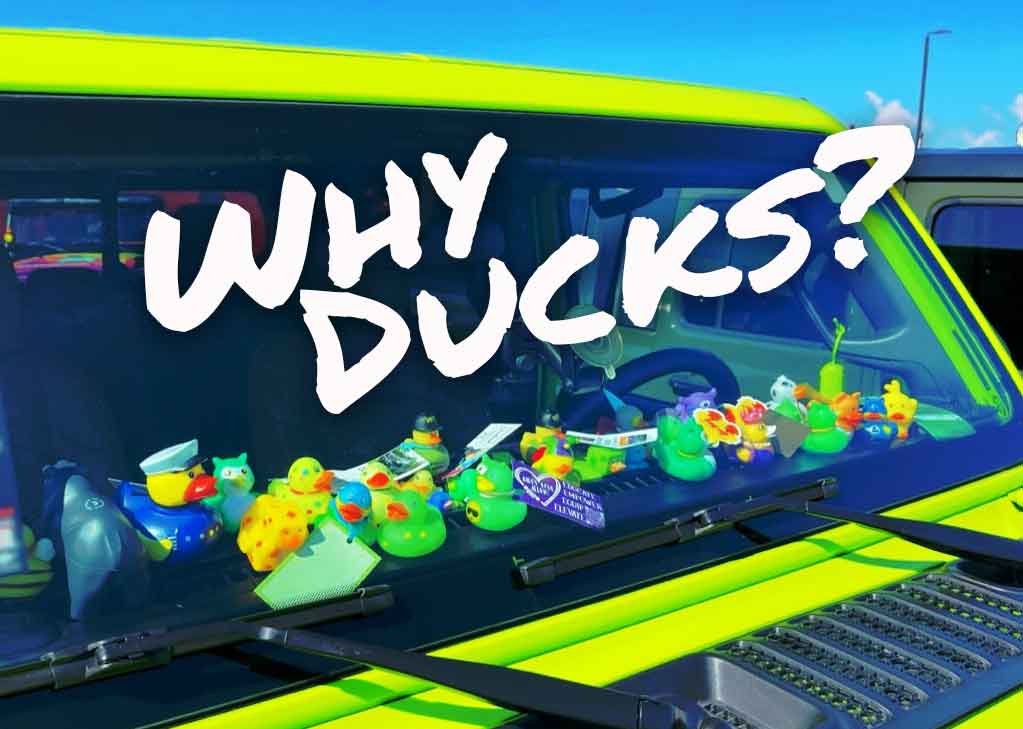
Credit: metalcloak.com