Is the Jeep Wrangler Good in Snow? Winter Performance Guide
 Reading Time: 7 minutes
 Is The Jeep Wrangler Good In Snow?
When winter arrives and roads are covered in snow, many people worry about driving safely. Some cars struggle in slippery conditions, but others are built for tough weather. If you are thinking about buying a Jeep Wrangler or already own one, you might wonder: is it good in snow? Let’s explore how the Wrangler performs in winter, what features help it, and what beginners should know to drive confidently in snowy conditions.
Why People Choose The Jeep Wrangler For Snow
The Jeep Wrangler is famous for its off-road abilities. But it’s not just for rocky trails or muddy paths. Many drivers use Wranglers in regions with heavy snow, like Colorado, Alaska, or upstate New York. Here are some reasons why:
- 4×4 drivetrain: Most Wranglers have four-wheel drive, which sends power to all wheels. This improves traction on slippery surfaces.
- High ground clearance: Wranglers sit higher than regular cars, so deep snow is less likely to get stuck under the vehicle.
- Strong tires: Many Wranglers come with tires designed for off-roading, which can handle snow better than standard tires.
- Durable body: The tough build helps the Jeep resist cold and rough conditions.
These features make the Wrangler a popular choice for people who face snowy roads every winter.
How 4×4 Systems Help In Snow
One of the Wrangler’s most important features is its four-wheel drive system. Let’s see why this matters:
- With 4×4, power goes to all four wheels. If one wheel slips, the others can keep moving.
- Wranglers have two main 4×4 modes: Part-time and full-time. Part-time is best for deep snow or off-road, while full-time can be used on regular roads with light snow.
Here’s a quick comparison of Wrangler drivetrain modes:
| Mode | Best Use | Traction Level |
|---|---|---|
| 2WD | Dry pavement | Low |
| 4WD Part-Time | Deep snow, mud | High |
| 4WD Full-Time | Light snow, wet roads | Medium |
Beginners often forget to switch to the right mode. Using 2WD in snow can lead to slipping. Always check your mode before driving in winter.

Credit: www.simivalleychryslerdodgejeepram.com
Tire Choices: The Key To Safe Winter Driving
Even with 4×4, tires are critical. The Wrangler’s tires make a big difference in snow:
- All-terrain tires: Good for snow, but not as effective as true winter tires.
- Winter tires: Designed with special rubber and tread patterns to grip icy roads.
Data from tire tests show that winter tires can reduce stopping distances by up to 30% compared to all-terrain tires in snow. For example, stopping from 25 mph may take 60 feet with all-terrain tires, but only 42 feet with winter tires.
| Tire Type | Stopping Distance (25 mph) | Snow Performance |
|---|---|---|
| All-Terrain | 60 ft | Moderate |
| Winter Tire | 42 ft | Excellent |
| Highway Tire | 80 ft | Poor |
If you live in a snowy area, investing in winter tires for your Wrangler is one of the best choices you can make.
Ground Clearance And Snow Depth
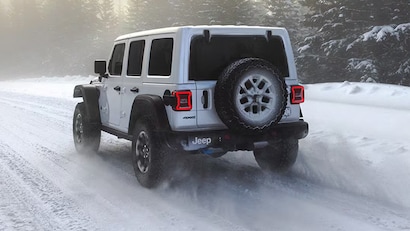
Wranglers have more ground clearance than most cars. This helps in deep snow:
- The average Wrangler has about 10.8 inches of clearance.
- Most sedans have only 4–5 inches.
With higher clearance:
- Snow is less likely to pack under the vehicle and stop you.
- You can drive through unplowed roads that would block smaller cars.
But remember, even a Wrangler can get stuck in very deep snow. Knowing the limits is important. If snow is deeper than your bumper, you may need to wait for plowing.
Credit: www.autonationchryslerdodgejeepramkaty.com
Real-world Examples: Wrangler In Heavy Snow
Let’s look at some real-life data from Jeep owners:
- In Alaska, Wranglers are used for daily winter driving, often facing -10°F and 12 inches of snow.
- In Colorado, some drivers report using their Wranglers to reach ski resorts after storms, when other cars could not get through.
- In upstate New York, families use Wranglers to drive on rural roads after blizzards.
A beginner tip: Always carry a shovel and traction boards. Even experienced drivers get stuck sometimes.
Safety Features: What Helps And What Doesn’t
Modern Wranglers have more safety features than older models. Some help in snow, others are less important.
Useful features:
- Traction control: Helps prevent wheel spin on icy roads.
- Anti-lock brakes (ABS): Keep the wheels from locking up during emergency stops.
- Electronic stability control: Helps keep the Wrangler steady in slippery turns.
Features that don’t matter as much in snow:
- Blind spot monitoring: Good for highways, but doesn’t help with traction.
- Adaptive cruise control: Not recommended in icy conditions.
Beginners often rely too much on technology. Remember, the best safety feature is careful driving.
Common Mistakes Beginners Make
Even with a Jeep Wrangler, mistakes can lead to trouble in snow. Here are errors to avoid:
- Driving too fast: Four-wheel drive improves traction, but not stopping power. Slow down on icy roads.
- Not switching to 4×4: Many forget to activate 4×4 before entering snow.
- Ignoring tire pressure: Cold weather lowers pressure. Low tires reduce grip.
- Overconfidence: Wranglers are tough, but not invincible. Avoid deep snowdrifts.
- Skipping winter tires: All-terrain tires are not enough for extreme winter.
Always check your vehicle before heading out, and never assume you’re safe just because you have a Wrangler.
Comparing The Wrangler To Other Vehicles In Snow
Is the Jeep Wrangler better than other cars in snow? Here’s a quick comparison with other popular winter vehicles:
| Vehicle | Ground Clearance | Drivetrain | Snow Performance |
|---|---|---|---|
| Jeep Wrangler | 10.8 in | 4×4 | Excellent |
| Subaru Outback | 8.7 in | AWD | Very Good |
| Toyota RAV4 | 8.4 in | AWD | Good |
| Honda Civic | 5.5 in | FWD | Poor |
The Wrangler’s ground clearance and 4×4 system give it an advantage in deep snow. But AWD vehicles like the Subaru Outback also perform well, especially with winter tires.
Preparing Your Wrangler For Winter
To get the best performance in snow, preparation is key. Here’s what beginners should do:
- Check fluids: Use winter-grade oil and antifreeze.
- Inspect battery: Cold weather weakens batteries.
- Replace wipers: Use winter blades for better visibility.
- Add winter tires: As shown earlier, these make a big difference.
- Pack emergency gear: Include blankets, food, water, and a flashlight.
Preparing your Jeep for winter is not just about the vehicle—it’s about your safety.
Practical Driving Tips For Beginners
Driving a Wrangler in snow is easier if you follow these simple tips:
- Start slow: Accelerate gently to avoid spinning wheels.
- Brake early: Snow and ice reduce stopping power.
- Keep distance: Leave extra space between you and the car in front.
- Turn carefully: Go slower around corners to avoid sliding.
- Know your limits: If conditions are too bad, stay home.
Two less obvious tips:
- Use low gear in deep snow. This helps prevent wheel spin and gives more control.
- If you get stuck, try rocking the Jeep gently (moving forward and backward) instead of spinning the wheels fast. This can help you get out without digging deeper.
Wrangler Models: Which Are Best For Snow?
Not all Wranglers are equal in winter. Here’s what to look for:
- Rubicon: Has locking differentials and extra traction, great for deep snow.
- Sport and Sahara: Good for regular snow, but may need winter tires for best grip.
- Unlimited (4-door): Heavier, which can help with stability.
Older models may lack modern safety features. If you buy used, check for ABS and stability control.
Cost Of Owning A Wrangler In Winter
Using a Wrangler in snow can have extra costs:
- Winter tires: $600–$1,200 per set.
- Higher fuel use: 4×4 driving uses more gas.
- Maintenance: Cold weather increases wear on parts.
But for many, the peace of mind and ability to drive safely in snow are worth it.
Is The Jeep Wrangler Good In Snow? The Final Answer
Based on real data, owner reports, and expert tests, the Jeep Wrangler is one of the best vehicles for snowy conditions. Its 4×4 system, ground clearance, and tough build make it reliable for winter driving. However, beginners must remember:
- The right tires matter more than anything else.
- Preparation and careful driving are key.
- No vehicle is perfect—know your limits.
If you follow these tips, the Wrangler can be your best friend in winter weather. For more detailed data on vehicle performance in snow, visit Consumer Reports.
Frequently Asked Questions
Does Four-wheel Drive Guarantee Safety In Snow?
No. Four-wheel drive improves traction, but it does not help with stopping or turning on ice. You still need to drive slowly and use winter tires for best results.
Should I Use Winter Tires Or All-terrain Tires?
Winter tires are much better for snow and ice. All-terrain tires are good for light snow, but in heavy winter, winter tires reduce stopping distance and improve grip.
How Deep Can The Jeep Wrangler Drive In Snow?
Most Wranglers can handle up to 10 inches of snow with no problem. In deeper snow, performance drops and the risk of getting stuck increases. Always check snow depth before driving.
What Should I Do If My Wrangler Gets Stuck?
First, stay calm. Try rocking the vehicle gently forward and backward. Use a shovel to clear snow around the tires. Traction boards or sand can help. Do not spin the wheels fast—it will dig deeper.
Is The Jeep Wrangler Better Than Awd Suvs In Snow?
In deep snow, the Wrangler’s 4×4 system and ground clearance give it an advantage. For light snow or icy roads, AWD SUVs like the Subaru Outback are also very good, especially with winter tires.
The Jeep Wrangler is a strong winter performer, but beginners must prepare, drive carefully, and know their limits to stay safe. If you follow the advice above, you can enjoy confident, comfortable driving in snowy weather.

Credit: www.youtube.com