What is Death Wobble in a Jeep: Causes and Quick Fixes
 Reading Time: 7 minutes
 If you drive a Jeep or plan to buy one, you might hear people talk about “death wobble. ” The name sounds scary, and for good reason. It’s not just a minor shake or vibration; it’s a violent, uncontrollable shaking of the steering wheel and front end.
Death wobble can happen suddenly, often when you hit a bump or drive at high speed. Many Jeep owners worry about this problem, especially beginners who are new to off-road vehicles. Let’s break down what death wobble is, why it happens, how to spot it, and what you can do to fix or prevent it.
What Is Death Wobble?
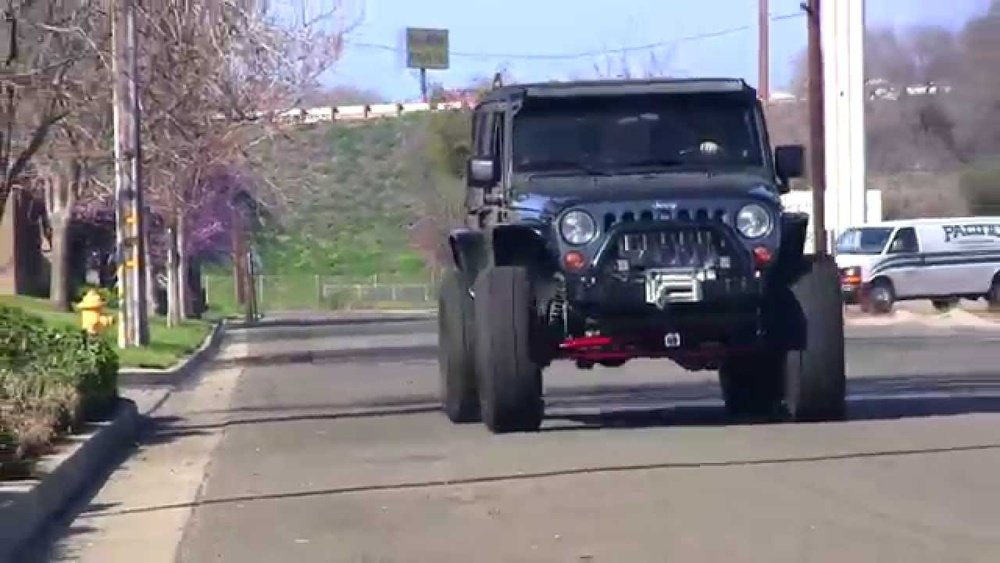
The death wobble is a severe shaking in the front wheels and steering system of a Jeep. It usually happens after hitting a pothole or bump at higher speeds. The steering wheel starts to shake back and forth quickly. Sometimes, the whole vehicle feels like it’s losing control. Most people describe it as terrifying, and it can force you to slow down or stop immediately.
Key Signs Of Death Wobble
- The steering wheel shakes violently
- The front end of the Jeep feels unstable
- Loud noises or vibrations from the suspension
- Loss of control, especially at speeds above 45 mph
Death wobble is not just a Jeep problem. It can happen in other solid axle vehicles, but Jeeps are famous for it because of their design. Many Jeep models, especially the Wrangler (JK, TJ, YJ), are more likely to experience death wobble than other cars.
What Causes Death Wobble In A Jeep?
Death wobble is a result of loose, worn, or damaged parts in the Jeep’s front suspension and steering system. When these parts can’t absorb shocks properly, vibrations build up and become uncontrollable.
Common Causes
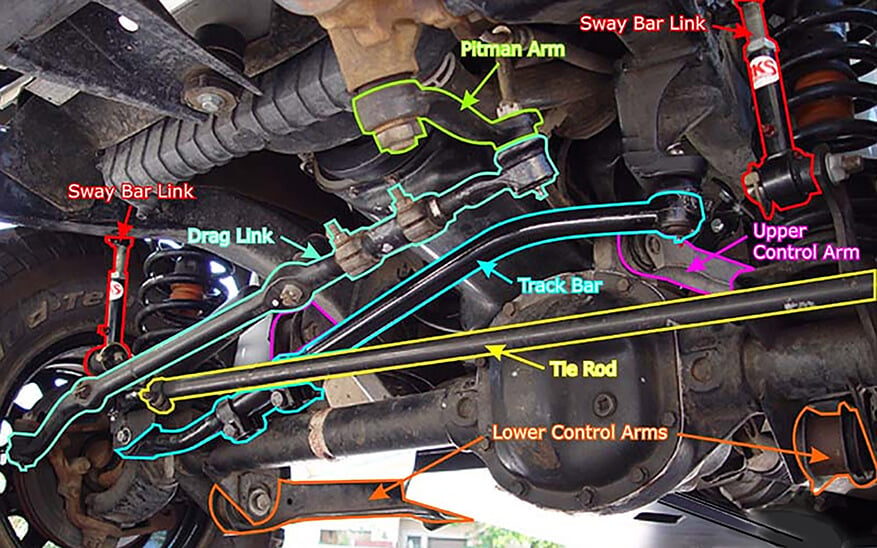
- Track bar bushing or mount – Most often, the track bar or its bushings are worn out or loose. The track bar keeps the axle centered. If it moves, the whole front end shakes.
- Tie rod ends – Worn tie rods create play in the steering, which can lead to wobble.
- Ball joints – Bad ball joints allow the wheel to move side to side, making the wobble worse.
- Steering stabilizer – While it doesn’t cause death wobble, a weak stabilizer can make it easier for wobble to occur.
- Wheel alignment – Incorrect alignment increases the risk.
- Wheel bearings – Damaged bearings make the wheels wobble.
Example: Real-world Death Wobble
Imagine driving your Jeep Wrangler at 55 mph on the highway. You hit a small bump. Suddenly, the steering wheel shakes violently. You slow down, and the shaking stops. This is classic death wobble.
Jeep Models Most Affected
Not all Jeeps are equally prone to death wobble. Some models are more famous for it.
| Jeep Model | Chance of Death Wobble | Notes |
|---|---|---|
| Wrangler JK (2007-2018) | High | Solid front axle, common suspension upgrades |
| Wrangler TJ (1997-2006) | Medium | Older parts, similar suspension |
| Wrangler YJ (1987-1995) | Medium | Leaf spring design |
| Grand Cherokee (1993-2010) | Low-Medium | Depends on axle and suspension |
| Cherokee XJ (1984-2001) | Medium | Solid axle, aging parts |
Wrangler JK and TJ models are the most reported for death wobble, especially after off-road use or suspension modifications.
How To Diagnose Death Wobble
If you suspect your Jeep has death wobble, it’s important to check the main parts. Beginners often miss the smallest loose parts, which can cause big problems.
Step-by-step Inspection
- Check the track bar – Look for loose bolts or worn bushings. Push and pull the bar; any movement means trouble.
- Inspect tie rod ends – Grab the tie rod and try to move it. If it wiggles, it’s worn.
- Ball joints – Jack up the Jeep and shake the wheel. Side-to-side movement means bad ball joints.
- Steering stabilizer – Remove the stabilizer and check for leaks or weak resistance.
- Wheel bearings – Spin the wheel by hand and listen for grinding.
- Alignment – Use a shop to check if the wheels are aligned correctly.
| Part | How to Check | Common Issue |
|---|---|---|
| Track Bar | Push/pull at mount | Loose bolts/bushing |
| Tie Rod Ends | Manual wiggle test | Excess play |
| Ball Joints | Wheel shake | Sideways movement |
| Steering Stabilizer | Remove & compress | Weak or leaking |
| Wheel Bearings | Spin & listen | Grinding sound |
Many beginners forget to check the track bar mount on the axle side, which is one of the most common causes.
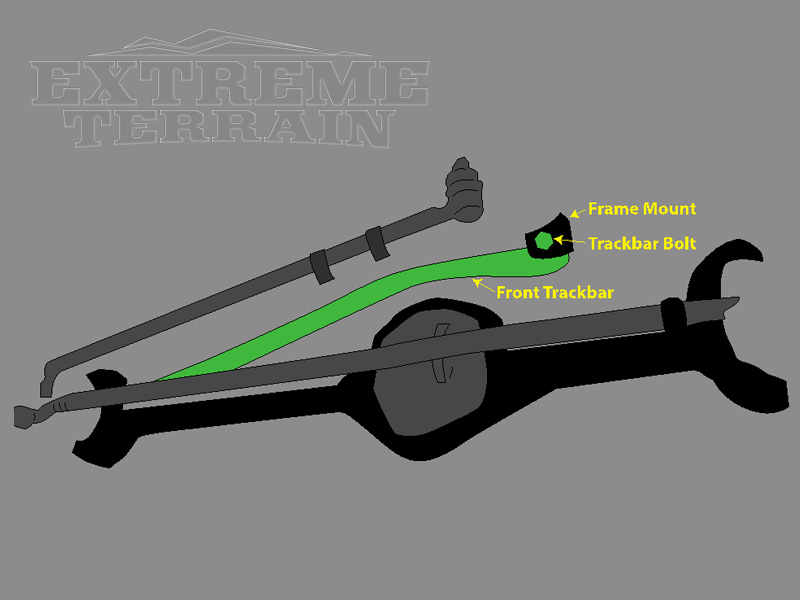
Credit: www.extremeterrain.com
How To Fix Death Wobble
Fixing death wobble starts with finding the exact cause. Don’t just replace random parts—target the real problem.
Practical Steps
- Tighten all bolts – Make sure the track bar, control arms, and steering parts are tight.
- Replace worn parts – If the tie rod ends or ball joints are loose, replace them.
- Upgrade bushings – Use heavy-duty bushings for the track bar.
- Check wheel alignment – Get a professional alignment if needed.
- Install a quality steering stabilizer – This helps absorb shocks but won’t fix the root cause.
Example Fix
A Jeep owner had death wobble after installing a lift kit. The track bar was not tightened after the upgrade. Tightening the bolts stopped the wobble completely. Sometimes, the solution is simple if you know where to look.
Prevention Tips For Jeep Owners
Preventing death wobble is easier than fixing it after it starts. Regular checks and smart upgrades can save you time and money.
- Inspect suspension and steering parts every 6 months
- Avoid cheap lift kits – They can cause alignment issues.
- Use quality parts – Heavy-duty track bar, tie rods, and bushings
- Check tire pressure – Low or uneven pressure increases risk
- Don’t ignore small shakes – Fix them before they become death wobble
Non-obvious Tips
- After off-roading, always check for new looseness in suspension bolts. Beginners often skip this step.
- If you add bigger tires, upgrade the steering and suspension together. Mixing old parts with new ones increases wobble risk.
How Much Does It Cost To Fix Death Wobble?
The price can vary a lot. If you only need to tighten bolts, it’s free. Replacing parts can get expensive.
| Repair | Estimated Cost | Notes |
|---|---|---|
| Tightening bolts | $0-$50 | DIY, simple tools |
| Track bar replacement | $150-$300 | Most common fix |
| Ball joint replacement | $250-$400 | Labor-intensive |
| Steering stabilizer | $60-$150 | Upgrade option |
| Professional alignment | $75-$120 | Shop service |
If you’re handy with tools, many fixes are DIY. But for complex repairs, a shop is safer, especially for alignment or ball joints.
Is Death Wobble Dangerous?
Death wobble is not just annoying; it’s potentially dangerous. You can lose control, especially at highway speeds. Accidents are rare, but the risk is real if you panic or drive too fast. Most drivers slow down and pull over when it happens, which usually stops the shaking.
Safety Tips
- If death wobble starts, let off the gas and grip the wheel firmly.
- Slow down gradually, don’t slam on the brakes.
- Pull over and inspect the Jeep before driving again.
Why Is Death Wobble So Common In Jeeps?
Jeep’s solid front axle design is strong for off-road use, but it’s more sensitive to loose parts. Many owners add lift kits, bigger tires, or off-road upgrades, which can stress the suspension and steering. Older Jeeps, especially Wranglers, often have worn bushings and mounts, making them prone to wobble.
Data Point
A survey by the National Highway Traffic Safety Administration (NHTSA) found that over 400 complaints about death wobble were reported for Jeep Wranglers between 2007 and 2018. Most issues happened after 50,000 miles or after suspension upgrades.
Practical Example: Jeep Wrangler Jk
Let’s look at a specific case. A 2014 Wrangler JK owner reported death wobble after hitting a pothole at 60 mph. Inspection showed a loose track bar bolt and worn tie rod ends. Tightening the track bar and replacing tie rods fixed the problem.
The owner learned that even small looseness can trigger death wobble.
Credit: doubleblackoffroad.com
When Should You Seek Professional Help?
If you can’t find the cause, or if you’re not comfortable working on suspension parts, seek a mechanic’s help. Shops with Jeep experience can diagnose and fix death wobble quickly. Don’t risk safety by ignoring the problem.
Frequently Asked Questions
What Should I Do If My Jeep Has Death Wobble?
Let off the accelerator, grip the wheel, and slow down safely. Pull over and check the suspension and steering. If you can’t find the cause, visit a mechanic.
Does Death Wobble Only Happen To Jeeps?
No, death wobble can affect other solid axle vehicles like some trucks. But it’s most common in Jeeps due to their design and frequent off-road use.
Can A Steering Stabilizer Fix Death Wobble?
A steering stabilizer can help absorb shocks but won’t solve the root cause. The main fix is replacing or tightening worn suspension and steering parts.
Is Death Wobble Covered By Jeep Warranty?
Sometimes, if your Jeep is new and still under warranty, repairs may be covered. Check with your dealer for details.
How Can I Prevent Death Wobble After Installing A Lift Kit?
After installing a lift, always check alignment and suspension bolts. Upgrade the track bar and steering components if needed. Regular inspections help prevent wobble.
Jeep death wobble is a real problem, but it’s fixable and preventable. With regular checks, quality parts, and careful driving, you can enjoy your Jeep safely. For more in-depth details, you can visit this Wikipedia page about death wobble. Stay alert, inspect your Jeep often, and don’t ignore small shakes. With these tips, you’re ready to handle or avoid death wobble like a pro.

Credit: www.cjponyparts.com