Jeep Compass Transmission Fluid Check: Step-by-Step Guide
 Reading Time: 8 minutes
 Checking the transmission fluid on your Jeep Compass is one of those simple tasks that can save you from big problems later. Many owners forget or don’t know how important this check is. When your transmission fluid is at the right level and in good condition, your Compass runs smoother, shifts gears better, and lasts longer. Ignoring it can lead to expensive repairs and sudden breakdowns.
If you’re new to car maintenance, don’t worry. This guide explains every step in clear language. You’ll learn how to check your transmission fluid, what the signs of trouble are, and how to avoid common mistakes. You’ll also see simple tables to compare fluid types and maintenance intervals.
By the end, you’ll know how to keep your Jeep Compass transmission in top shape—even if you’ve never checked any fluid before.
Why Transmission Fluid Matters In A Jeep Compass
The transmission fluid does more than just help your Jeep shift gears. It:
- Lubricates moving parts inside the transmission
- Cools the transmission, preventing overheating
- Cleans and protects metal surfaces from wear
- Helps with smooth gear changes
Over time, the fluid breaks down. It can get dirty or low, which puts stress on the transmission. Even a small leak or delay in maintenance can lead to slipping, rough shifts, or total failure. The average transmission repair cost can easily reach $2,000–$4,000 in the US—much more than a simple fluid check or change.
How Often Should You Check Transmission Fluid?
Jeep recommends checking the transmission fluid every 30,000 to 60,000 miles, depending on your driving habits and Compass model year. However, if you drive in tough conditions (like city traffic, towing, or hot climates), check it more often—every 15,000 to 30,000 miles.
Here’s a quick table to show recommended intervals:
| Condition | Check Interval | Change Interval |
|---|---|---|
| Normal driving | 30,000 miles | 60,000 miles |
| Heavy use (towing, city traffic) | 15,000 miles | 30,000 miles |
Tip: Always check your owner’s manual for your model year. Some newer Jeep Compass models have “sealed” transmissions that need less frequent checks, but still require attention.
Types Of Transmission In Jeep Compass
Not all Jeep Compass models use the same transmission. The type of transmission affects how you check the fluid and what type you need.
- 6-speed automatic: Common in 2011–2016 models
- 9-speed automatic: Used in many 2017+ models
- CVT (Continuously Variable Transmission): Older models
Each transmission has a specific fluid type and checking process. Using the wrong fluid can damage your transmission.
Transmission Fluid Comparison Table
| Transmission Type | Fluid Type | Check Method |
|---|---|---|
| 6-speed auto | ATF+4 | Dipstick |
| 9-speed auto | Mopar ZF 9 Speed ATF | No dipstick (sealed) |
| CVT | CVTF+4 | Dipstick |
If you’re not sure about your Jeep Compass transmission, check your paperwork or VIN info.
Steps To Check Jeep Compass Transmission Fluid
Before you start, gather:
- Clean rag or paper towel
- Flat parking space
- Gloves (optional)
- Owner’s manual
For Models With A Dipstick
- Warm up the engine. Drive for at least 10–15 minutes. Transmission fluid expands when hot, so you get a true reading.
- Park on a flat surface. Set the parking brake. Leave the engine running in Park (unless your manual says otherwise).
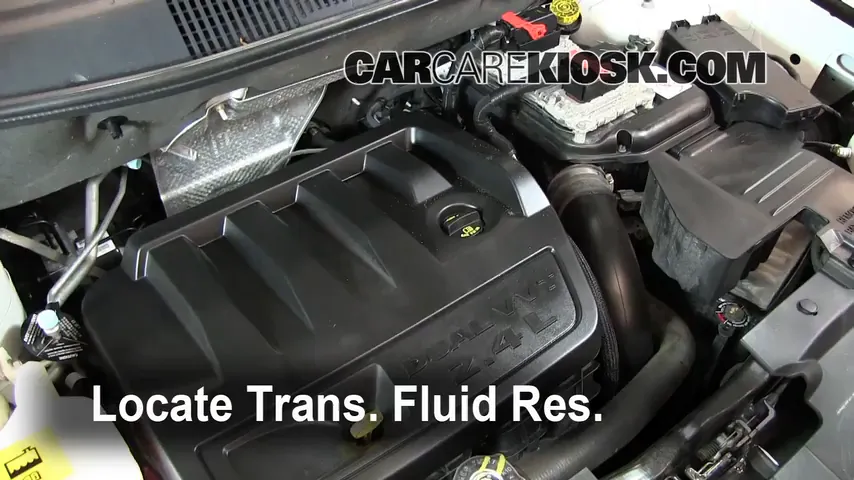
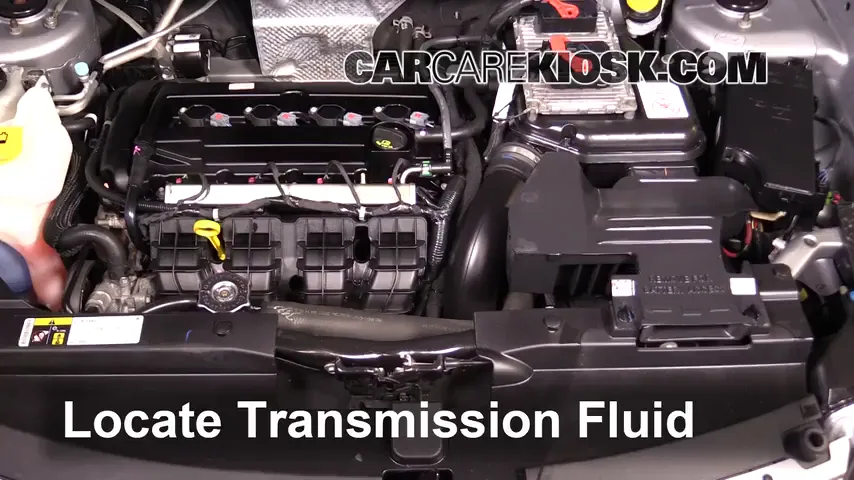
- Open the hood. Locate the transmission dipstick—usually near the back of the engine, often with a colored handle.
- Pull out the dipstick. Wipe it clean with a rag.
- Insert the dipstick fully. Wait a second, then pull it out again.
- Check the fluid level. Look at the “Full” and “Add” marks. The fluid should be between them.
- Check the fluid color. Healthy fluid is bright red or pinkish. Brown, black, or burnt-smelling fluid means it needs changing.
- Reinsert the dipstick. Close the hood.
For Models Without A Dipstick (sealed Transmission)
Many 2017+ Jeep Compass models have a sealed transmission. You can’t check the fluid level easily yourself. Only a mechanic with special tools can do it. Signs you might need a check:
- Slipping gears
- Delayed shifting
- Transmission warning light
If you notice these, visit a trusted mechanic.
Credit: www.carcarekiosk.com
What Does Good Transmission Fluid Look Like?
It’s not just about the level—the fluid condition is key. Here’s how to tell the difference:
| Fluid Color | Condition | What To Do |
|---|---|---|
| Bright red/pink | Healthy | No action needed |
| Light brown | Aging | Plan change soon |
| Dark brown/black | Bad/burnt | Change immediately |
| Milky | Coolant mixed | See a mechanic |
Pro tip: Smell the fluid. A burnt smell means the transmission is overheating—change the fluid now.
Signs Your Jeep Compass Needs A Transmission Fluid Check
Sometimes, your Jeep tells you there’s a problem before you even check. Watch for:
- Hard or rough shifting: Jerky gear changes
- Slipping gears: Engine revs, but speed doesn’t increase as it should
- Delayed response: Hesitation when shifting from Park to Drive
- Strange noises: Whining, buzzing, or clunking from under the hood
- Transmission warning light: Shows up on the dashboard
If you see any of these, don’t wait. Low or dirty fluid can quickly damage the transmission.
Common Mistakes To Avoid
Beginners often make the same errors when checking or changing transmission fluid:
- Checking when cold: Always check after driving so the fluid is warm.
- Using the wrong fluid: Each transmission needs a specific type—don’t guess.
- Overfilling: Too much fluid can cause foaming and leaks.
- Ignoring leaks: Even small leaks need fixing fast.
- Not cleaning the dipstick: Dirt can give false readings.
Extra tip: If you add fluid, pour slowly and check the level often. It’s easy to overfill.
Can You Change Jeep Compass Transmission Fluid Yourself?
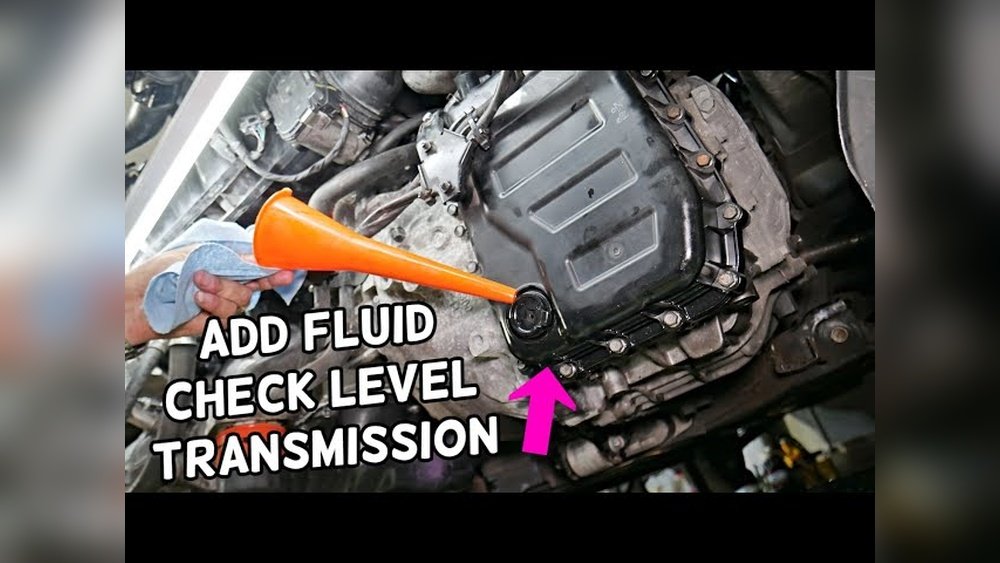
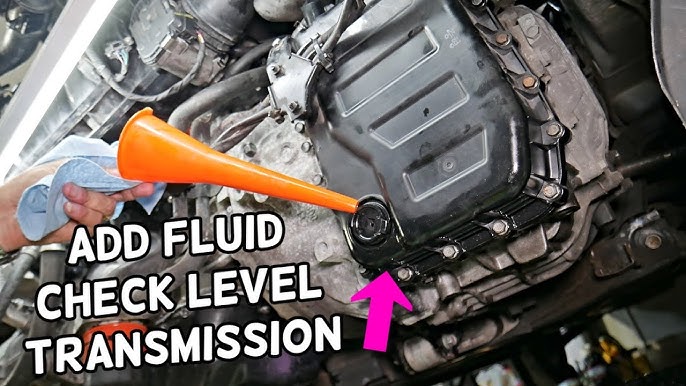
Changing transmission fluid is harder than checking it, especially on newer, sealed models. For older models with a dipstick, you might do a simple “drain and refill,” but a full flush (removing old fluid from all parts) is best done by a pro.
Why? A full flush needs special equipment. Some filters and gaskets also need replacing. On sealed transmissions, you risk damaging the system if you don’t follow the right steps.
If you’re a beginner, do the checks yourself and have a shop handle changes or flushes. This keeps your warranty safe and avoids costly mistakes.
Credit: www.carcarekiosk.com
How Much Does Transmission Fluid Service Cost?
Prices vary by location and Jeep Compass model:
- Fluid check: Often free at quick lube shops or $20–$50 at a dealership
- Fluid change: $150–$300 for older models
- Full flush: $300–$500, especially for sealed transmissions
This is much cheaper than replacing a transmission, which can cost thousands.
Diy Vs. Professional Service
Some Jeep owners like doing everything themselves, but with transmission fluid, it’s best to know your limits.
DIY Pros:
- Saves money on labor
- Good learning experience
DIY Cons:
- Risk of mistakes (wrong fluid, overfilling)
- Harder for sealed transmissions
- May void warranty if not done correctly
Professional Pros:
- Right tools and knowledge
- Warranty stays safe
- Complete fluid change, not just a drain and refill
Professional Cons:
- Higher cost
- Need to schedule service
Bottom line: For most people, checking the fluid is easy to do at home. For changes, especially on newer Compass models, trust a professional.
Practical Tips For First-timers
- Read your manual first. Each Jeep Compass can be different.
- Take a photo of the dipstick and fluid for future comparison.
- Keep a record of every check and service—write down the date and mileage.
- Look under your Jeep for leaks every few weeks.
- Ask a friend for help if you’re unsure the first time.
If you ever feel lost, there are good video tutorials online or you can get advice from Jeep forums.
When To See A Mechanic
Some problems need quick action. Go to a mechanic if:
- You see milky or burnt fluid
- The fluid level drops suddenly
- The transmission makes loud noises
- Warning lights come on
A mechanic can do a full diagnostic check. Catching issues early often prevents serious damage.
Credit: www.youtube.com
Jeep Compass Transmission Fluid And Warranty
If your Jeep is still under warranty, always follow the official maintenance schedule. Using the wrong fluid or ignoring checks can void your coverage. Keep receipts and records of all fluid checks and changes.
Extra insight: Some warranties only cover the transmission if you have proof of regular fluid service. Even if you don’t plan to sell your Jeep, this protects you from disputes.
For more details, check with your dealership or the official Jeep website.
Environmental Impact
Properly disposing of old transmission fluid matters. Never pour it down drains or on the ground. Most auto shops accept used fluid for recycling. Some cities have special drop-off points. This helps protect water and soil from toxic chemicals.
Frequently Asked Questions
How Do I Know Which Transmission Fluid My Jeep Compass Uses?
Check your owner’s manual or the label on the transmission dipstick. You can also call your dealer with your VIN. Each model year and transmission type may need a specific fluid, like ATF+4 or Mopar ZF 9 Speed ATF. Using the wrong type can damage your transmission.
Can I Check Transmission Fluid On A Sealed Jeep Compass Transmission?
Most newer Jeep Compass models have a sealed transmission with no dipstick. You can’t check the fluid level at home. If you notice shifting problems or the warning light, visit a certified mechanic. They have the tools to check and refill the fluid safely.
What Are Signs Of Low Transmission Fluid?
Common signs include rough shifting, slipping gears, delayed response, and noises from the transmission. If you see any of these, check the fluid as soon as possible. Ignoring these signs can cause major damage.
How Often Should I Change The Transmission Fluid In My Jeep Compass?
For most models, change the fluid every 60,000 miles under normal driving, or every 30,000 miles if you drive in tough conditions. Always check your owner’s manual, as some transmissions need less frequent changes.
Can I Use Universal Transmission Fluid In My Jeep Compass?
No. Always use the specific fluid recommended for your transmission. Universal fluids can cause shifting problems or even void your warranty. If in doubt, buy fluid from a Jeep dealer or trusted auto parts store.
Keeping your Jeep Compass running smoothly is simple if you pay attention to your transmission fluid. Regular checks, using the right fluid, and quick action if there’s a problem can save you money and keep your SUV on the road. Don’t hesitate to ask a professional for help if you’re ever unsure. For more information about automatic transmissions and their care, see the Wikipedia article on automatic transmissions. With a little care, your Jeep Compass will serve you well for years.