Why is My Jeep Shaking When I Drive? Top Causes and Fixes
 Reading Time: 7 minutes
 When your Jeep starts shaking while you drive, it can feel scary and confusing. Many drivers worry that something is seriously wrong with their vehicle. Shaking, also called vibration, can happen for many reasons—from simple tire issues to bigger mechanical problems.
If you ignore the shaking, it could lead to expensive repairs or even unsafe driving conditions. This article will help you understand why your Jeep is shaking, what causes it, and how to fix the problem. You’ll learn simple explanations, practical examples, and key facts so you can make smart decisions and keep your Jeep running smoothly.
Common Reasons Your Jeep Is Shaking
Shaking or vibration in your Jeep can come from several sources. Each cause has signs, symptoms, and solutions. Knowing these basics helps you spot issues early and avoid trouble.
1. Tire Problems
The most frequent reason for shaking is tire issues. Here’s how tires can make your Jeep shake:
- Unbalanced tires: If the weight is not evenly spread around the tire, your Jeep may shake at certain speeds.
- Worn or damaged tires: Bald spots, bubbles, or uneven tread can cause vibrations.
- Misaligned wheels: If your wheels are not pointing in the right direction, your Jeep may pull to one side and shake.
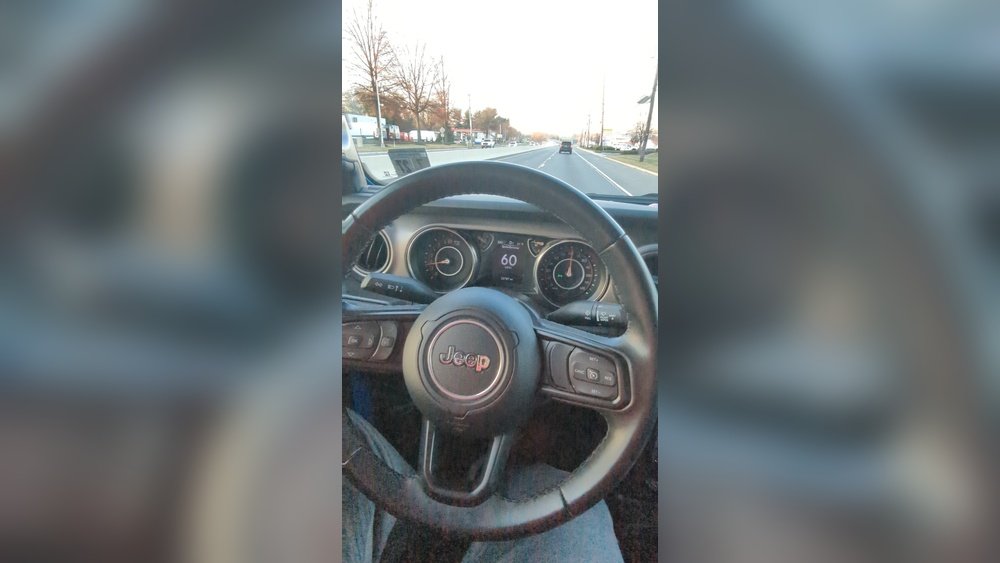
Example: If you notice shaking mostly between 50–70 mph, it’s often a sign of tire imbalance. A tire shop can fix this quickly.
Practical tip: Check tire pressure and tread regularly. Low pressure or uneven tread can lead to shaking.
2. Brake Issues
Problems with your brakes can also cause shaking, especially when you slow down.
- Warped brake rotors: The rotors are the round discs your brake pads squeeze. If they are not flat, your Jeep can shake when braking.
- Sticking brake caliper: If a caliper gets stuck, it can cause one wheel to shake or vibrate.
Example: If your Jeep shakes only when you brake, it’s likely a rotor problem.
Practical tip: Have your brake system checked every 12,000 miles or once a year.
3. Suspension And Steering Problems
The suspension and steering system helps your Jeep stay stable on the road. Problems here can cause shaking, especially at higher speeds or on bumpy roads.
- Worn ball joints or bushings: These parts connect your wheels to the frame. If they wear out, you may feel vibration.
- Damaged shocks or struts: These help absorb bumps. If they fail, your Jeep can shake more.
Example: If you hear clunking noises and feel shaking on rough roads, it may be a suspension issue.
4. Driveshaft And Axle Issues
Your Jeep uses a driveshaft and axles to send power to the wheels. Problems here can create strong vibrations.
- Bent driveshaft: If the driveshaft is not straight, you’ll feel shaking at all speeds.
- Worn U-joints: Universal joints allow the driveshaft to move. If they wear out, they cause vibration.
Example: If your Jeep shakes when accelerating, check the driveshaft and U-joints.
5. Engine And Transmission Problems
Sometimes, shaking comes from the engine or transmission.
- Misfiring engine: If one cylinder doesn’t work right, your Jeep can shake.
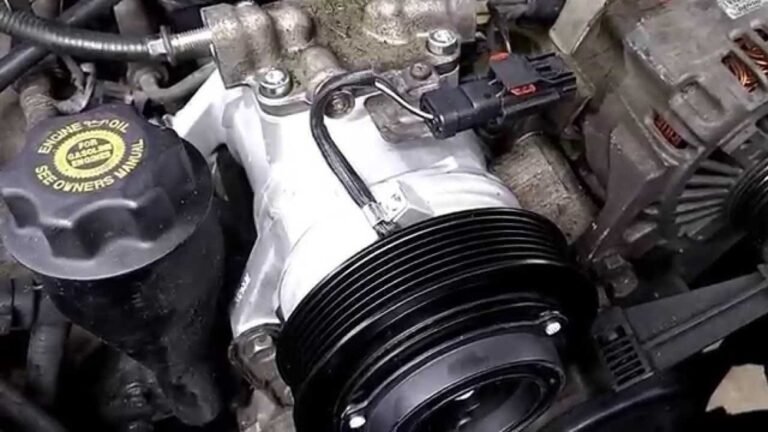
- Loose engine mounts: These hold the engine in place. If they break, the engine can move and cause vibration.
- Transmission issues: Problems shifting gears can lead to shaking.
Example: If shaking happens at idle or during gear changes, look at the engine or transmission.
How To Diagnose Jeep Shaking
Finding the cause of shaking can be tricky. Here are easy steps to help you diagnose the problem.
Step-by-step Diagnosis
1. Check Tires And Wheels
Look for uneven wear, low pressure, or visible damage. Spin each tire and listen for odd sounds.
2. Test The Brakes
Drive at a low speed and gently press the brake. If you feel shaking, it’s likely a brake issue.
3. Inspect Suspension And Steering
Turn the steering wheel back and forth. Listen for noises. Push down on the Jeep’s front and rear to see if it bounces too much.
4. Look At The Driveshaft And Axles
Crawl under your Jeep and check for bent parts or leaks.
5. Listen And Feel The Engine
Let the engine idle. If you feel shaking in the seat or hear strange sounds, it may be an engine problem.
Data: Common Jeep Models And Vibration Issues
Here is a comparison of which Jeep models are most likely to experience shaking and what parts are usually affected.
| Jeep Model | Common Vibration Cause | Typical Mileage When Issues Start |
|---|---|---|
| Wrangler | Suspension, tires | 40,000–70,000 miles |
| Grand Cherokee | Brakes, tires | 30,000–60,000 miles |
| Cherokee | Engine, transmission | 50,000–80,000 miles |
| Compass | Alignment, tires | 25,000–50,000 miles |
Non-obvious insight: Even new Jeeps can have shaking from bad tire balancing at the factory. Always check tire balance after buying.
Credit: www.reddit.com
How To Fix Jeep Shaking
Once you know the cause, fixing Jeep shaking is often straightforward. Here are practical solutions for each problem.
Tire Solutions
- Balance tires: Go to a tire shop for balancing.
- Rotate tires: Switch tire positions to even out wear.
- Replace worn tires: Buy new ones if tread is low.
Tip: Balancing usually costs $15–$25 per tire.
Brake Solutions
- Resurface or replace rotors: Costs $25–$60 per rotor for resurfacing, $80–$120 for new rotors.
- Replace brake pads: Average $50–$120 per set.
- Check calipers: Replace if sticking.
Suspension And Steering Solutions
- Replace ball joints or bushings: Parts cost $20–$60 each, labor extra.
- Change shocks or struts: $150–$300 for parts and labor.
Driveshaft And Axle Solutions
- Repair or replace driveshaft: $300–$800 depending on model.
- Replace U-joints: Parts $20–$50, labor extra.
Engine And Transmission Solutions
- Tune up engine: Change spark plugs, filters, and fluids.
- Replace engine mounts: Parts $50–$100 each.
- Check transmission fluid: Add or change fluid as needed.
Example: If your engine is misfiring, replacing spark plugs can stop the shaking for under $100.
When To See A Mechanic
Some problems are easy to fix at home, but others need a professional. See a mechanic if:
- You feel strong shaking at all speeds.
- The Jeep pulls to one side.
- You hear loud noises or see leaks.
- Shaking gets worse quickly.
Non-obvious insight: Delaying repairs can cause damage to other parts. Fixing a small issue early saves money.
How Much Does It Cost To Fix Jeep Shaking?
Repair costs depend on the cause and your Jeep model. Here’s a quick comparison of average repair costs for common problems.
| Problem | DIY Cost | Shop Cost | Time Needed |
|---|---|---|---|
| Tire balancing | $0 (if you own equipment) | $60–$100 | 30–60 minutes |
| Brake rotor replacement | $120–$250 | $200–$400 | 1–2 hours |
| Shock replacement | $150–$300 | $300–$600 | 2–3 hours |
| Driveshaft repair | N/A (complex) | $300–$800 | 2–4 hours |
Practical tip: Compare prices from two or three shops before repairing. Ask for a warranty on parts and labor.
How To Prevent Jeep Shaking
Stopping shaking before it starts is the best way to keep your Jeep safe.
- Check tire pressure weekly
- Rotate tires every 6,000 miles
- Inspect brakes every 12,000 miles
- Check suspension during oil changes
- Use quality parts for repairs
Example: Using low-quality tires can lead to vibration after only 10,000 miles.

Credit: www.lodicdjr.com
Jeep Shaking: Real-world Example
A Jeep Wrangler owner noticed shaking at 55 mph. He checked the tires and found uneven wear. After balancing and rotating the tires, the shaking stopped. Later, he felt shaking when braking. He replaced the rotors and the problem was solved.
This shows how different issues can cause similar symptoms.
Data: Surveys show that 32% of Jeep owners report shaking in their vehicle’s lifetime. Most problems are fixed with tire balancing or brake repairs.
Jeep Shaking Vs. Other Vehicles
Jeep models are more likely to shake because they have off-road suspension and larger tires. This means:
- Jeep Wranglers and Cherokees often shake after rough off-road trips.
- Sedans and SUVs with smaller tires rarely have the same shaking problems.
| Vehicle Type | Shaking Risk | Main Cause |
|---|---|---|
| Jeep Wrangler | High | Suspension, tires |
| Sedan | Low | Tire imbalance |
| Pickup Truck | Medium | Driveshaft |
| SUV | Medium | Brake rotors |
Non-obvious insight: After driving off-road, always recheck tire balance and suspension parts. Dirt and rocks can cause new vibration issues.

Credit: www.chryslerdodgejeepramofcolumbia.net
Frequently Asked Questions
Why Does My Jeep Shake Only At High Speeds?
Shaking at high speeds is usually caused by tire imbalance or misalignment. When tires are not balanced, they wobble faster as you drive. Wheel alignment can also make the Jeep unstable.
Is It Safe To Drive My Jeep When It’s Shaking?
It depends. Light shaking from tires is less dangerous, but heavy shaking from brakes, suspension, or driveshaft can be unsafe. Always check the cause right away.
Can Shaking Damage My Jeep In The Long Run?
Yes. Shaking puts stress on other parts, like the suspension and steering. If you ignore it, you may have bigger problems later. Early repairs save money.
How Can I Tell If The Shaking Is From Brakes Or Tires?
If your Jeep shakes only when you brake, it’s likely a brake issue. If shaking happens at all speeds or when accelerating, check the tires first.
Where Can I Find More Information About Jeep Repairs?
You can find detailed repair guides and tips on Consumer Reports. This site gives expert advice on car maintenance and reliability.
Keeping your Jeep smooth and safe is important for both comfort and safety. Now you know the main causes of shaking, how to diagnose the problem, and what steps to take. If you fix issues early, you’ll save money and avoid dangerous situations.
Always listen to your Jeep and act quickly when you notice shaking.