Jeep Grand Cherokee AC Hissing: Causes and Quick Fixes
 Reading Time: 8 minutes
 If you drive a Jeep Grand Cherokee and notice a hissing sound when you turn on your AC, you are not alone. Many Jeep owners experience this issue, especially during hot weather or after years of use. While a soft hiss can sometimes be normal, a constant or loud hissing noise from your AC system often means something needs attention. Understanding what causes this sound, and what you should do about it, can save you time, money, and stress.
Why Does The Ac Hiss In A Jeep Grand Cherokee?
A hissing sound from your AC system can come from several sources. Some are harmless, while others need quick action. Here are the main causes:
- Refrigerant moving: When your AC cycles on and off, refrigerant flows through an expansion valve or orifice tube. This can cause a soft hissing for a few seconds. It is usually normal.
- Pressure differences: AC systems work under high and low pressure. When the pressure balances, it may hiss for a short time after you turn off the engine.
- Leaks: A steady or loud hissing, especially if the AC isn’t cooling, often means a refrigerant leak. This can harm your AC and environment.
- Vacuum leaks: Some Grand Cherokees use vacuum-powered vents. A leaking hose can also create a hissing noise.
- Internal valve issues: Problems inside the compressor or evaporator can cause hissing if seals or valves are worn.
Let’s look more closely at each reason, with real examples.
Normal Vs. Problem Hissing: How To Tell The Difference
Sometimes, a hissing sound is normal. But if you hear it all the time, or the AC stops working well, it’s time to check deeper.
Signs The Hiss Is Normal
- Lasts just a few seconds after switching off the engine.
- AC is blowing cold air with no other problems.
- The sound is soft, not loud or harsh.
Signs The Hiss Is A Problem
- The hissing is constant, even with the engine running.
- The AC is not cooling as before.
- You hear the hiss inside the cabin, not just under the hood.
- There is also a sweet smell (refrigerant).
- The AC compressor cycles quickly or not at all.
If you notice any problem signs, don’t ignore them. AC problems often get worse and cost more if you wait.
Common Causes Of Hissing In Jeep Grand Cherokee Ac
Understanding where the sound comes from helps you and your mechanic fix it faster. Here are the main causes and how they affect your Jeep:
1. Refrigerant Leaks
A leak is the most common problem cause of AC hissing. Refrigerant escapes through:
- Cracked hoses
- Damaged O-rings or seals
- Worn-out evaporator or condenser
When refrigerant leaks, you may notice:
- AC cools poorly
- Oily residue under the hood or on AC parts
- Hissing sound that lasts a long time
2. Expansion Valve Or Orifice Tube Noise
The expansion valve controls how much refrigerant enters the evaporator. It often makes a quick, soft hiss as it works. This is usually normal. However, if the valve is worn or clogged, the hiss can get louder, and the AC may stop cooling well.
3. Vacuum Leaks (blend Door Actuators)
Some Grand Cherokees (especially older models) use vacuum lines for AC controls. A broken line or actuator can cause hissing:
- AC blows air only from one vent
- Hissing from behind the dashboard
- Problems switching between hot and cold
4. Internal Compressor Problems
If the AC compressor is failing, you may hear hissing, grinding, or squealing. Compressor issues usually mean:
- AC does not cool at all
- Unusual noises from the engine bay
- Metal shavings in the AC system (rare but serious)
5. High Or Low Pressure
If the AC system is overcharged or undercharged, you may hear hissing from the pressure relief valve. This valve protects your system from damage but signals a problem.
How To Diagnose The Hissing Sound
Diagnosing an AC hiss is easier with a step-by-step approach. Here’s what you can do, even as a beginner:
- Listen carefully: Note when and where the hiss happens—after starting, running, or shutting off the engine.
- Check AC performance: Is the air cold? Does it blow from all vents?
- Smell for leaks: A sweet, chemical smell means refrigerant is escaping.
- Look for oil stains: Refrigerant leaks often leave oily marks on hoses or fittings.
- Test all vent settings: Change from hot to cold, defrost to floor. Any hissing with these changes can mean a vacuum leak.
If you’re unsure, use a mechanic’s stethoscope or a long screwdriver (handle to ear, tip near suspected area) to find where the hiss is loudest.

Credit: www.reddit.com
Real-world Examples
Let’s see how these symptoms appear in real Jeep Grand Cherokees:
- 2014 Grand Cherokee: Owner hears a hiss after turning off the engine. AC works fine. This is likely normal refrigerant movement.
- 2011 Grand Cherokee: Hissing from the dash, AC blows only from the defroster. Likely a vacuum leak or blend door issue.
- 2018 Grand Cherokee: Constant hiss, poor cooling, oily residue under hood. Most likely a refrigerant leak at a hose or connection.
Quick Reference: Hissing Causes And Solutions
Here is a comparison table to help you match symptoms with likely causes:
| Symptom | Possible Cause | Action Needed |
|---|---|---|
| Short, soft hiss after AC off | Normal refrigerant balance | No action |
| Hiss with poor cooling | Refrigerant leak | Check for leaks, recharge AC |
| Hiss from dash, vent problems | Vacuum leak | Inspect vacuum lines |
| Hiss with metal noise | Compressor issue | Service or replace compressor |

Credit: www.reddit.com
How To Fix Jeep Grand Cherokee Ac Hissing
The right fix depends on the cause. Here’s what usually works:
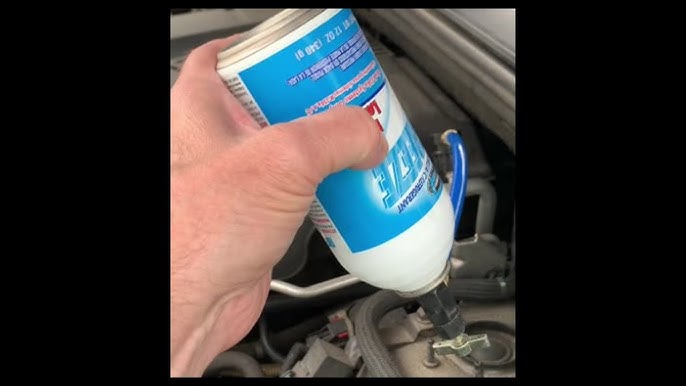
Fixing A Refrigerant Leak
- Locate the leak using a UV light or electronic sniffer.
- Replace damaged hoses, O-rings, or parts.
- Evacuate and refill the AC with the correct amount of refrigerant.
Warning: Never just “top off” your AC without finding and fixing leaks. The leak will come back.
Repairing Vacuum Leaks
- Check all vacuum hoses under the hood and behind the dashboard.
- Replace cracked or loose hoses.
- Test AC controls to make sure all vents work.
Replacing Expansion Valve Or Orifice Tube
- Remove and replace the faulty valve or tube.
- Flush the system if contaminated.
- Recharge with the correct refrigerant.
Compressor Replacement
- If the compressor is failing, replace it and clean the system.
- Always add new oil and replace the receiver/drier or accumulator.
Cost To Fix Jeep Grand Cherokee Ac Hissing
Costs can vary based on the problem:
| Repair Type | Typical Cost (Parts + Labor) | Time Needed |
|---|---|---|
| Refrigerant Recharge | $150–$300 | 1–2 hours |
| Leak Repair (O-rings, hoses) | $200–$600 | 1–3 hours |
| Vacuum Hose Replacement | $100–$250 | 1–2 hours |
| Expansion Valve/Orifice Tube | $250–$500 | 2–4 hours |
| Compressor Replacement | $900–$1,500 | 4–6 hours |
These are typical US prices. Costs can be lower if you do some work yourself, but AC repairs often need special tools and knowledge.
Credit: www.youtube.com
What Most Beginners Miss
Many new Jeep owners think all AC hissing means a big, expensive problem. In reality, a brief hiss after shutting off the engine is normal. The real trouble is a loud or constant hiss, especially if the AC stops cooling.
Also, adding refrigerant without fixing leaks is a common mistake that only solves the problem for a short time.
Another thing beginners miss: vacuum leaks can cause both hissing and vent problems. If your AC controls do not work right, check vacuum lines, not just refrigerant levels.
When To See A Mechanic
Some issues are easy to check at home. But you should see a mechanic if:
- The AC is not cold and you hear constant hissing.
- There is a sweet or chemical smell inside the car.
- You find oily spots near AC parts.
- You are not sure where the noise is coming from.
Professional shops have tools to find leaks, check pressures, and fix vacuum issues safely.
Tips To Prevent Ac Hissing Problems
Taking care of your AC system can prevent most hissing issues:
- Run the AC for 10 minutes weekly, even in winter.
- Check and replace cabin and engine air filters.
- Get the AC checked every 1–2 years.
- Fix small leaks quickly to avoid bigger repairs.
- Do not overfill the AC with refrigerant—follow the specs in your Jeep’s manual.
Ac Hissing Vs. Other Noises
It’s easy to confuse AC hissing with other sounds. For example:
- Whistling often comes from air leaks at doors or windows.
- Squealing usually means a worn serpentine belt.
- Clicking can be a relay or blend door motor.
If you’re not sure, record the noise and compare with online examples. Sites like the Jeep Official Website have sound samples and owner forums.
Frequently Asked Questions
Why Does My Jeep Grand Cherokee Ac Hiss Only When I Turn It Off?
This is usually normal. The refrigerant moves from high to low pressure when you switch off the engine, which can cause a short hissing sound. If the AC is working well otherwise, there is likely no problem.
Can I Drive My Jeep With A Hissing Ac?
If the hiss is brief and the AC works, it is safe. But if the noise is constant, the AC is not cooling, or there is a strange smell, get it checked soon. Refrigerant leaks can harm the environment and your AC system.
How Do I Find A Refrigerant Leak In My Jeep Grand Cherokee?
Look for oily stains on AC hoses and fittings. Many shops use UV dye or electronic leak detectors. If you see frost or wet spots on AC parts, that’s another clue.
Will A Hissing Ac Damage My Jeep’s Engine?
A hissing AC by itself won’t harm your engine. But if the compressor fails or leaks are left unfixed, it can cause bigger AC system problems.
What Should I Do If My Ac Hisses And Stops Blowing Cold Air?
Turn off the AC to prevent damage. Check for leaks and get the system inspected by a professional. Avoid refilling refrigerant until the leak is repaired.
Catching AC hissing issues early in your Jeep Grand Cherokee can help you avoid bigger problems and keep your drive cool and comfortable. If in doubt, seek help from a trusted mechanic.