What is the Meaning of the Ducks in Jeeps: Symbolism Explained
 Reading Time: 8 minutes
 If you drive a Jeep or know someone who does, you may have seen small rubber ducks sitting on dashboards, clinging to mirrors, or even tucked into door handles. These colorful ducks are not just toys or random decorations. They carry a special meaning in the Jeep community.
For many beginners, the sight of these ducks is both confusing and intriguing. What is the story behind these ducks in Jeeps, and why have they become such a trend? Let’s dive into the origin, meaning, and impact of the duck phenomenon among Jeep owners.
The Origin Of Ducks In Jeeps
The tradition of placing ducks on Jeeps, often called Jeep Ducking or Duck Duck Jeep, started in 2020. The story goes back to a single moment in Ontario, Canada. Allison Parliament, a Jeep owner, wanted to spread some positivity during a difficult time. She placed a small rubber duck on a stranger’s Jeep, along with a friendly note.
- The act was meant to make someone smile.
- Soon, Jeep owners across North America and beyond began sharing their own ducking stories online.
- Social media helped the trend go viral. Hashtags like #duckduckjeep started trending on platforms like Instagram and Facebook.
What started as a simple act of kindness quickly turned into a global movement. The ducks became a new way for Jeep drivers to connect and share joy, even with strangers.
What Do The Ducks Symbolize?
For many, the ducks in Jeeps have become a symbol of friendship, fun, and community. Here’s what the ducks mean to most Jeep owners:
- Spreading Kindness: The main idea is to make someone’s day better. Finding a duck on your Jeep is meant to be a happy surprise.
- Connection Among Jeep Owners: Ducking is a way to say, “We’re part of the same club.” It doesn’t matter what model or year your Jeep is; the act is about unity.
- Celebrating Jeep Culture: Jeep owners have always had unique traditions (like the Jeep Wave). Ducking adds another layer of fun.
It is important to remember that the ducks are not about showing off. Instead, they are about sharing good energy and building small moments of happiness. This positive spirit is what makes ducking special.
How Does Jeep Ducking Work?
If you are new to the idea, you might wonder how ducking actually happens. The process is simple and has only a few “rules”:
- Buy a pack of small rubber ducks. These are available in many colors and designs, often in bulk.
- Write a short note or tag. Many people attach a tag saying “You’ve been ducked!” with a smiley face or a friendly message.
- Place the duck on a Jeep. You can leave it on the door handle, hood, mirror, or another visible spot.
- Share online (optional). Some owners post photos of ducks they received or left, using hashtags like #duckduckjeep.
Jeep ducking is not limited to certain groups or clubs. Anyone with a Jeep can join in, and there are no strict rules about how often or where to duck.
Why Did Ducking Become So Popular?
Several factors explain why the ducking trend caught on so quickly:
- Easy Participation: Anyone can join with just a few dollars and a pack of rubber ducks.
- Simple Acts of Joy: In a world where stress is common, small surprises can make a big difference.
- Social Media Influence: Sharing photos and stories online inspired more people to try it.
- Sense of Belonging: Jeep owners often feel proud of their vehicles and enjoy being part of a wider group.
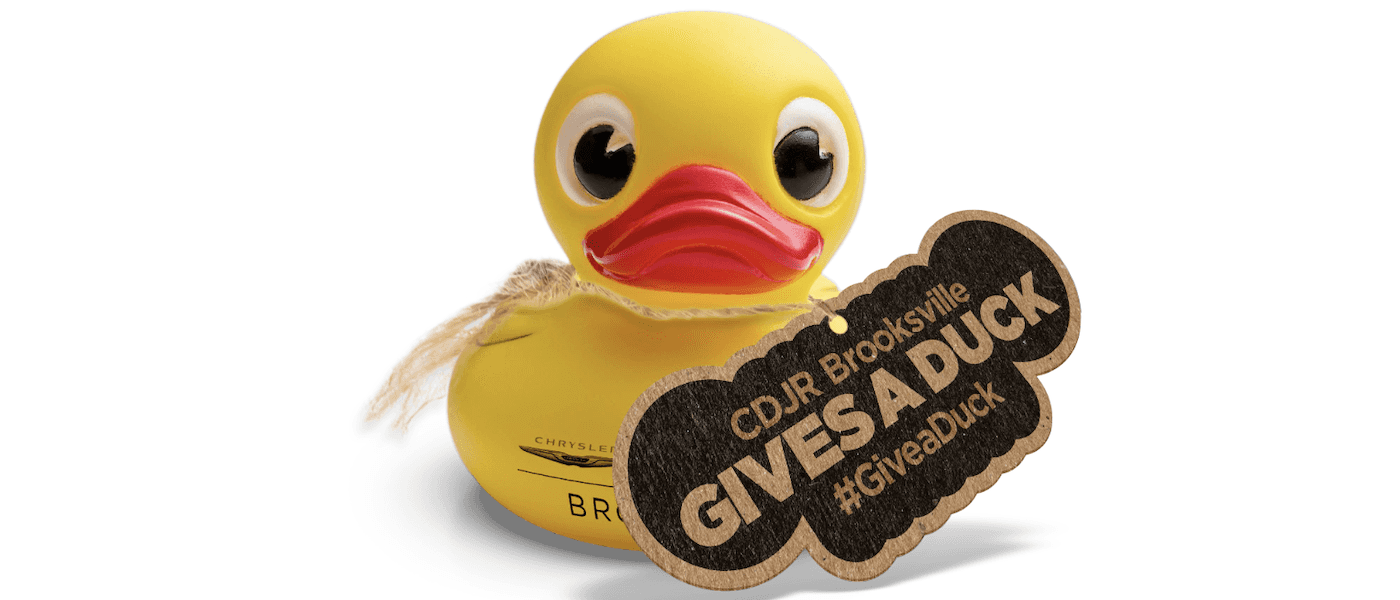
Ducking is also fun for families and kids. Many Jeep owners involve their children in picking out and placing ducks, making it a family-friendly activity.
Credit: www.chryslerdodgejeeprambrooksville.com
Jeep Ducking Vs. Other Jeep Traditions
Jeeps have a long history of unique traditions. How does ducking compare to these older customs?
| Tradition | Description | Purpose |
|---|---|---|
| Duck Duck Jeep | Placing rubber ducks on Jeeps | Spreading kindness and fun |
| Jeep Wave | Waving to other Jeep drivers | Showing recognition and unity |
| Jeep Badge of Honor | Collecting badges for off-road trails | Pride and achievement |
While some traditions are about performance or off-roading, ducking is focused on everyday kindness. It is easy for anyone to join, regardless of age or Jeep experience.
The Types Of Ducks Used
The ducks seen in Jeeps are not all the same. Owners get creative with the types and styles they use:
- Classic Yellow Ducks: The most common, but not the only option.
- Themed Ducks: Some choose ducks dressed as superheroes, animals, or even in holiday costumes.
- Custom Ducks: Certain Jeep groups or events make their own branded ducks.
Some Jeep owners collect the ducks they receive, displaying them on their dashboard or at home. Others pass the ducks forward, continuing the cycle of kindness.
Where Do You Find Ducks In Jeeps?
If you receive a duck, you’ll usually find it in one of these spots:
- Door Handles: Easy to notice and grab.
- Side Mirrors: Visible from outside the vehicle.
- Windshield Wipers: Secure and in plain sight.
- Interior Dashboards: For Jeeps with open tops, ducks might be left inside.
For safety, it’s best to place ducks where the driver will notice them before driving. Avoid leaving ducks in places that could distract or block the driver’s view.
The Impact On The Jeep Community
The ducking trend has had a strong, positive effect on the Jeep world:
- Increased Friendliness: Many owners say they feel more connected to other Jeep drivers.
- Event Participation: Ducking has become a feature at Jeep meetups and events.
- Charity and Fundraising: Some Jeep clubs use ducking to raise money for good causes by selling special ducks or organizing duck hunts.
There’s also a sense of pride in being “ducked. ” For new Jeep owners, receiving their first duck is a memorable moment.

Credit: en.wikipedia.org
Data: How Widespread Is Ducking?
It’s difficult to measure exactly how many Jeep owners have been “ducked,” but there are some useful numbers:
- In 2021, the #duckduckjeep hashtag was used over 100,000 times on Instagram.
- Jeep dealerships in the US report increased sales of rubber ducks and related accessories.
- Online forums and Facebook groups dedicated to Jeep ducking have tens of thousands of members.
This data shows that ducking is more than a small trend—it’s a movement that keeps growing.
Practical Tips For New Jeep Duckers
If you want to join the Jeep ducking tradition, here are some tips to get started:
- Buy ducks in bulk: Online shops sell packs of 50–100 ducks for a low price.
- Personalize your message: A simple “Have a great day!” makes a big difference.
- Keep ducks in your car: That way, you’re always ready to duck a Jeep you see.
- Be respectful: Only duck Jeeps, and avoid placing ducks on luxury or rental vehicles.
- Share your story: Posting online helps inspire others to join in.
It’s also a good idea to check your local area. In some places, car owners may be less familiar with the trend, so a friendly note helps explain.
Common Mistakes Beginners Make
Even a kind act like ducking can go wrong if you’re not careful. Watch out for these beginner mistakes:
- Forgetting the note: Without a message, some people might not understand the meaning.
- Blocking the driver’s view: Always put ducks where they won’t distract.
- Using large ducks: Small ducks are best; big ones might not fit or could damage paint.
- Leaving ducks in bad weather: Rain or snow can ruin paper notes. Use waterproof tags.
Taking a little extra care ensures the experience is positive for everyone involved.
How Ducking Affects Jeep Brand Image
Ducking has even caught the attention of the Jeep company itself. Some dealerships now give out ducks with new vehicles, and Jeep has promoted the trend at events.
| Brand Activity | Details | Impact |
|---|---|---|
| Dealership Promotions | Free ducks with new Jeep sales | Creates positive first impression |
| Official Events | Duck-themed contests and displays | Boosts event participation |
| Social Media Campaigns | Sharing stories and photos of ducking | Increases brand loyalty |
This shows how a simple act by one owner can grow into something that shapes a major brand’s image.

Credit: scottrobinsonchryslerdodgejeepram.com
Unique Insights: What Beginners Often Miss
Most beginners focus on the fun and social side of ducking. But here are two non-obvious facts:
- Ducking can reduce road rage: Many Jeep owners say that seeing a duck or giving one out helps them stay calm and friendly on the road.
- It bridges generations: Older Jeep fans and young children both enjoy ducking, making it a rare tradition that appeals to all ages.
Also, ducking helps new Jeep owners feel “accepted” into the community, especially if they are shy or new to driving.
A Quick Look At Ducking’s Future
As long as the Jeep community values friendliness and connection, ducking is likely to continue. Some experts think it may even spread to other car brands. For now, though, it remains a unique symbol of what makes owning a Jeep special.
For more on the history and growth of Jeep ducking, the Wikipedia page on Jeep Ducking offers a helpful overview.
Frequently Asked Questions
What Does It Mean If I Find A Duck On My Jeep?
It means another Jeep owner wanted to make your day better! The duck is a friendly gesture and a sign you are part of the Jeep community.
Do I Have To Keep The Duck, Or Can I Pass It On?
You can do either. Some people collect their ducks, while others “re-duck” and leave them on other Jeeps. Both options are welcome.
Can I Duck Any Car, Or Only Jeeps?
The tradition is only for Jeeps. Ducking other cars is not part of the original meaning and might confuse people.
Are There Any Rules For What Kind Of Duck To Use?
No strict rules, but small rubber ducks are best. Creative or themed ducks are popular, but safety and kindness matter most.
Where Can I Buy Ducks For Ducking?
Many online retailers sell packs of rubber ducks. Local toy stores and some Jeep dealerships also carry them.
Finding a duck on your Jeep is a small moment that brings a smile, reminds you of the friendly Jeep culture, and connects you to thousands of others who share the same spirit. Whether you’re a new owner or a lifelong fan, ducking is a simple way to spread positivity—one little duck at a time.