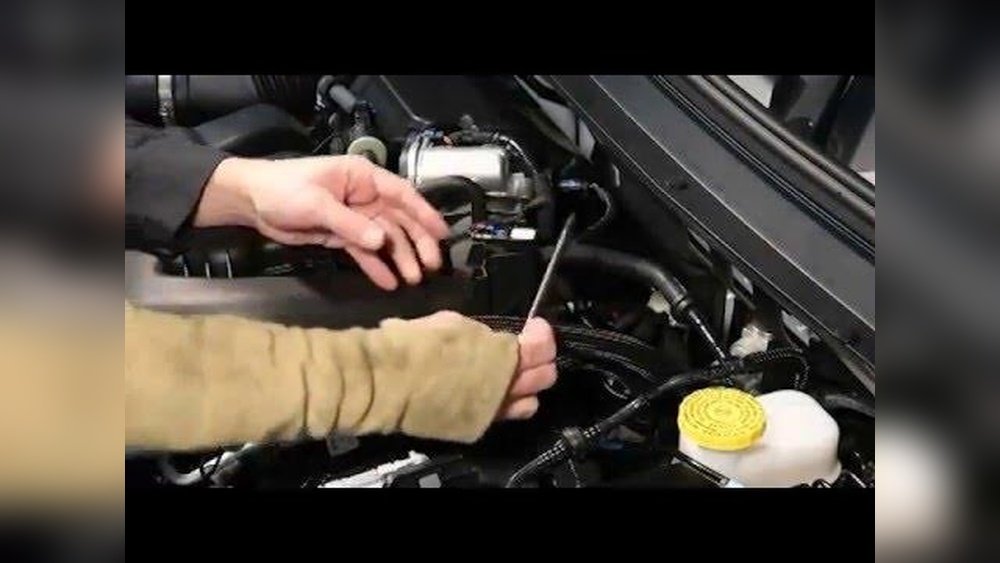
How to Check Transmission Fluid Jeep Grand Cherokee: Easy Guide
 Reading Time: 7 minutes
 Checking the transmission fluid in your Jeep Grand Cherokee is a smart way to keep your SUV running smoothly. Many drivers skip this step because they think it’s only for mechanics, but with a little guidance, anyone can do it. A healthy transmission means better performance, fewer repairs, and longer vehicle life. If you notice shifting problems, strange noises, or sluggish acceleration, checking the fluid should be your first move.
This guide is designed for beginners. You’ll learn exactly how to check the transmission fluid, what the readings mean, and how to fix common issues. Each step is clear, practical, and based on real-world experience. By the end, you’ll feel confident about maintaining your Jeep’s transmission and avoiding costly mistakes.
Understanding Transmission Fluid
Transmission fluid is essential for keeping your Jeep Grand Cherokee’s gearbox working. It lubricates moving parts, cools the transmission, and helps the vehicle shift gears smoothly.
- Automatic transmissions need fluid to transfer power and prevent overheating.
- Manual transmissions use fluid too, but the process for checking is different.
Most Grand Cherokees use automatic transmissions. Before you check the fluid, know your Jeep’s model year and transmission type. Older models (pre-2014) usually have a dipstick for easy checking. Newer models (2014 and up) often don’t have a dipstick, so checking is more technical.
Why Checking Fluid Matters
- Low fluid leads to hard shifting, gear slipping, or overheating.
- Dirty fluid can damage internal parts and shorten transmission life.
- Regular checks help prevent expensive repairs.
Preparing To Check Transmission Fluid
Getting ready is simple, but you need the right tools and conditions. Here’s what you’ll need:
- Clean rag or paper towels
- Flashlight
- Gloves (optional)
- Transmission fluid (check your owner’s manual for the correct type)
- Flat, safe parking spot
Safety First
- Always park on level ground.
- Set the parking brake.
- Let the engine idle for a few minutes.
- Make sure the transmission is at normal operating temperature. Cold fluid gives inaccurate readings.
Step-by-step: Checking Transmission Fluid (pre-2014 Models)
Most Jeep Grand Cherokees made before 2014 have a dipstick under the hood. Here’s how to check:
- Start the engine and let it run for 5 minutes.
- Shift through all gears: Move from Park to Drive and back to Park.
- Open the hood and locate the transmission dipstick. It usually has a yellow or red handle.
- Pull out the dipstick and wipe it clean.
- Insert the dipstick back fully, then pull it out again.
- Check the fluid level: There are marks for “Full” and “Add.” Fluid should be near “Full.”
- Check fluid condition: Good fluid is pinkish or red and smells sweet. Bad fluid is brown, smells burnt, or has particles.
- Add fluid if needed: Use a funnel and pour slowly. Don’t overfill.
Visual Example
Imagine a dipstick with two marks:
- Full (top mark)
- Add (bottom mark)
If fluid is between these marks, you’re safe. Below “Add” means you need more fluid.
Data Table: Common Dipstick Colors And Fluid Conditions
| Fluid Color | Condition | Action Needed |
|---|---|---|
| Pink/Red | Healthy | None |
| Brown | Old/Dirty | Change Fluid |
| Black | Burnt/Contaminated | Flush Fluid |
How To Check Transmission Fluid (2014 And Newer Models)
For newer Grand Cherokees, the process is different. Most don’t have a dipstick, so you need special tools or a mechanic’s help.
Steps For Newer Models
- Warm up the engine as before.
- Locate the transmission fluid fill plug under the vehicle. You may need a wrench.
- Remove the plug carefully. Fluid may drip out.
- Fluid should be at the plug opening. If not, you need to add more.
- If fluid is dirty or smells burnt, plan a service soon.
Common Mistakes
- Checking fluid when the engine is cold gives wrong readings.
- Using the wrong fluid type can damage the transmission.
- Overfilling causes leaks or pressure problems.
Data Table: Transmission Fluid Types For Jeep Grand Cherokee
| Model Year | Transmission Type | Recommended Fluid |
|---|---|---|
| 2005-2013 | Automatic | ATF+4 |
| 2014-2024 | 8-Speed Automatic | ZF Lifeguard Fluid |
| 2005-2013 | Manual | Manual Transmission Fluid |

Credit: www.jeepcherokeeclub.com
Signs Your Transmission Fluid Needs Attention
Knowing the symptoms helps you act fast before problems grow. Watch for these signs:
- Rough shifting between gears
- Delayed engagement when moving from Park or Reverse
- Unusual noises like whining or grinding
- Transmission warning light on your dashboard
- Fluid leaks under the car
If you notice any of these, check the fluid as soon as possible.
How Often Should You Check Transmission Fluid?
For most Jeep Grand Cherokee owners:
- Check every 30,000 miles or once a year.
- If you drive in extreme conditions (hot weather, heavy towing), check more often.
- Always check after a transmission repair or fluid change.
Example
If you drive 12,000 miles per year, aim to check at least once annually. If you tow trailers or drive off-road, twice a year is safer.
Credit: www.jeepcherokeeclub.com
Adding Transmission Fluid: Practical Tips
If your fluid is low, adding the right type is crucial. Here’s how to do it safely:
- Use a funnel to avoid spills.
- Pour slowly and check level after each small amount.
- Never mix different types of transmission fluid.
- If unsure, ask a mechanic or check your owner’s manual.
Data Table: Safe Fluid Addition Steps
| Step | Action | Tip |
|---|---|---|
| 1 | Insert funnel into dipstick tube | Use a clean funnel only |
| 2 | Pour fluid in small amounts | Check level after each pour |
| 3 | Recheck dipstick | Ensure fluid is at correct mark |
| 4 | Replace dipstick and close hood | Wipe any spills |
What Type Of Transmission Fluid Does Your Jeep Need?
Using the correct fluid is vital. Most Grand Cherokees need ATF+4 or ZF Lifeguard Fluid. Using the wrong type leads to expensive damage.
- ATF+4: Used in most older automatic transmissions.
- ZF Lifeguard Fluid: Used in newer 8-speed automatics.
- Manual transmission fluid: Check manual for exact type.
How To Find The Right Fluid
- Look in your owner’s manual
- Check the transmission label under the hood
- Ask a trusted mechanic
Using cheap or incorrect fluid can cause gear slipping, leaks, or even total transmission failure.
Practical Example: Checking Fluid On A 2012 Jeep Grand Cherokee
Let’s say you own a 2012 model. Here’s how to check the fluid:
- Start the engine and let it idle.
- Shift through all gears, then park.
- Open the hood and find the dipstick (yellow handle).
- Pull out the dipstick, wipe clean, reinsert, and pull again.
- Check fluid level and color. If it’s below “Full,” add ATF+4 slowly.
- If fluid is brown or smells burnt, plan a fluid change.
This process takes about 10 minutes. Most beginners can do it with basic tools.
Non-obvious Insights For Beginners
- Transmission fluid expands when hot. Always check when the engine is warm, not cold. Cold readings show lower fluid levels.
- Don’t rely only on color. Sometimes fluid looks clean but is old. Smell is important—burnt odor means trouble.
- Check for leaks around the transmission pan. Small leaks often go unnoticed but cause low fluid. Even if the dipstick shows enough, leaks may indicate a bigger problem.
- Don’t confuse engine oil and transmission fluid. They are checked separately and use different dipsticks.
- If you recently had repairs, always check fluid after a week. Sometimes shops forget to fill up fully.
When To Seek Professional Help
If you feel unsure or see signs of trouble, don’t hesitate to contact a mechanic. Some jobs, like changing transmission fluid or fixing leaks, are best handled by professionals.
- No dipstick on newer models? Mechanics have special tools for checking.
- Major leaks or burnt smell? Get a transmission service soon.
- Dashboard warning lights? Never ignore them.
Frequently Asked Questions
How Do I Know If My Jeep Grand Cherokee Has A Transmission Dipstick?
Most models before 2014 have a transmission dipstick. Look for a yellow or red handle near the engine. If your Jeep is newer, check your owner’s manual or ask a mechanic.
What Happens If Transmission Fluid Is Too Low?
Low fluid can cause hard shifting, slipping gears, overheating, and transmission failure. Always keep fluid at the recommended level.
Can I Use Any Transmission Fluid?
No. Only use the fluid recommended for your Jeep Grand Cherokee’s transmission. Mixing types can cause damage and void warranties.
How Much Fluid Should I Add If The Level Is Low?
Add small amounts, then recheck the dipstick after each pour. Never overfill. Usually, 1 quart or less is enough, but check your manual for exact amounts.
Where Can I Find More Information About Jeep Grand Cherokee Maintenance?
For official maintenance guidelines and technical details, visit the Jeep Owners Site.
Taking care of your Jeep Grand Cherokee’s transmission fluid is not difficult. With careful checks and the right fluid, you’ll keep your vehicle running strong. Regular maintenance saves money and prevents breakdowns. If you follow these steps, you’ll have fewer surprises and more confidence on the road.

Credit: www.youtube.com