Transmission Fluid for a Jeep Grand Cherokee: Expert Tips & Guide
 Reading Time: 7 minutes
 A Jeep Grand Cherokee is known for its strength, comfort, and ability to handle many road conditions. But like any vehicle, it needs proper care to perform well. One part often forgotten is the transmission fluid. This fluid is essential for keeping your Jeep’s transmission running smoothly. Understanding the right type, when to change it, and how to check it can keep your Grand Cherokee in great shape for years.
What Is Transmission Fluid And Why Does It Matter?
Transmission fluid is a special oil that helps the transmission shift gears smoothly. In an automatic transmission like the one in most Grand Cherokees, it does three main jobs:
- Lubricates the moving parts
- Cools the transmission by carrying away heat
- Cleans and protects parts from wear and dirt
When the fluid is old or dirty, the transmission can slip, shift hard, or even fail. Replacing it on time is much cheaper than repairing a broken transmission.
Types Of Transmission Fluid For Jeep Grand Cherokee
Not all transmission fluids are the same. Using the wrong fluid can cause damage. Jeep Grand Cherokees have used several types over the years, depending on the model and transmission.
Common Transmission Fluid Types
1. Atf+4
Most newer Jeep Grand Cherokees (2005 and newer) use ATF+4. This synthetic fluid is made for Chrysler vehicles. It offers better protection at high and low temperatures.
2. Dexron Iii/mercon
Older Grand Cherokees (before 1999) may use Dexron III or Mercon fluids.
3. Zf Lifeguard 8 Or Mopar 8&9 Speed Atf
Some modern models (with 8-speed automatic transmissions) need ZF Lifeguard 8 or Jeep’s Mopar 8&9 Speed ATF.
4. Cvt Fluid
Rare, but if your Jeep has a CVT (continuously variable transmission), it requires specific CVT fluid.
How To Know Which Fluid You Need
- Check the owner’s manual. It will list the correct fluid type.
- Look at the transmission dipstick. Some have the fluid type printed on them.
- Ask a dealer if you are unsure.
Never mix different types of transmission fluid. Using the wrong one can cause shifting problems or even damage.
Example: Transmission Fluid By Year
Here’s a quick look at what fluid is used in popular Grand Cherokee model years:
| Model Year | Transmission Type | Recommended Fluid |
|---|---|---|
| 1995 | 4-speed Auto | Dexron III/Mercon |
| 2007 | 5-speed Auto | ATF+4 |
| 2015 | 8-speed Auto | ZF Lifeguard 8 / Mopar 8&9 |
| 2021 | 8-speed Auto | Mopar 8&9 Speed ATF |

Credit: www.youtube.com
How Often Should You Change Transmission Fluid?
Changing transmission fluid is not as often as oil changes. For a Jeep Grand Cherokee, the schedule depends on how you drive.
General Guidelines
- Normal driving: Change every 60,000 miles (about 96,500 km)
- Towing, off-roading, or heavy use: Change every 30,000 miles (about 48,000 km)
- Severe conditions: Always check sooner
Some newer models may say the fluid is “lifetime. ” In real life, it’s safer to change it every 60,000 to 100,000 miles. Transmission repairs cost thousands of dollars, so fluid changes are cheap insurance.
Signs Your Transmission Fluid Needs Changing
- Shifting feels rough or slow
- Transmission makes noise or slips
- Fluid is dark brown or smells burnt
- There are leaks under your Jeep
If you notice these, check your fluid right away.
How To Check Transmission Fluid In A Jeep Grand Cherokee
Checking the transmission fluid is simple, but some newer models do not have a dipstick. Here’s how to check:
For Models With A Dipstick
- Park on a flat surface.
- Start the engine and let it warm up.
- Shift through all gears, then leave in Park.
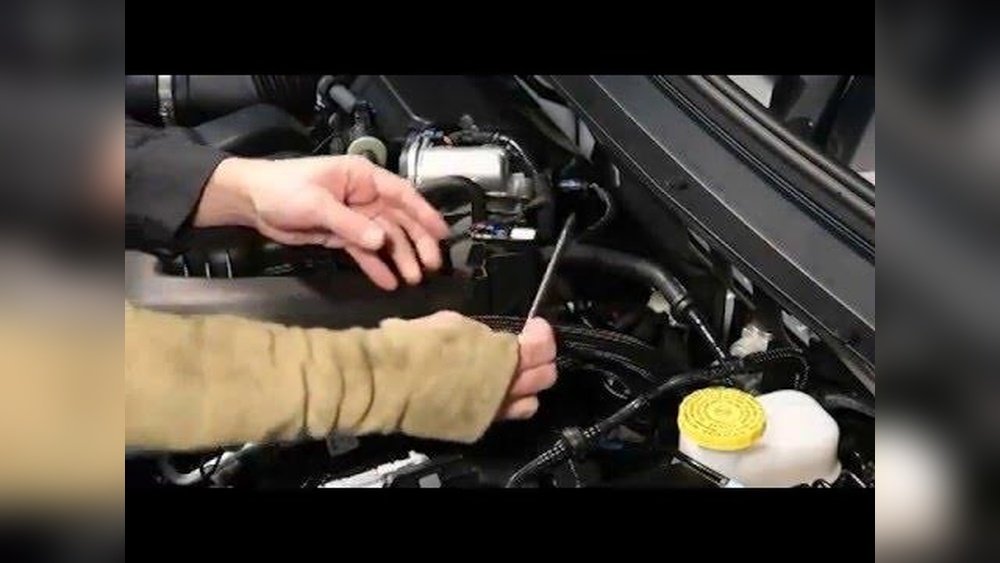
- With the engine running, pull out the transmission dipstick.
- Wipe it clean, put it back, then pull it out again.
- Check the level and color. Fluid should be pinkish-red and reach the “Full” mark.
For Models Without A Dipstick
Many newer Grand Cherokees (especially with 8-speed transmissions) need special tools or a mechanic to check the fluid. There is a fill plug under the car, and the fluid must be at the right temperature. If you’re not experienced, it’s best to let a shop check it.
What Good And Bad Fluid Looks Like
| Fluid Color | Condition | What to Do |
|---|---|---|
| Bright red/pink | Good | No action needed |
| Light brown | Used, but still OK | Check again soon |
| Dark brown/black | Old or burnt | Change fluid now |
| Milky | Water contamination | See a mechanic |
How To Change Transmission Fluid: Step-by-step
Changing the transmission fluid yourself is possible if you have some basic tools. Here’s a beginner-friendly guide:
What You’ll Need
- Correct transmission fluid (check your manual)
- Transmission filter (if needed)
- Drain pan
- Socket set
- Funnel
- Rags
- Car jack and stands (if needed)
Steps
- Warm up the engine. This helps the fluid drain faster.
- Lift the Jeep (if needed) and secure it safely.
- Place the drain pan under the transmission pan.
- Remove the bolts and carefully lower the pan. Fluid will begin to drain out.
- Clean the pan and magnets inside (they catch metal shavings).
- Replace the filter if your model uses one.
- Reinstall the pan with a new gasket.
- Add new fluid through the fill tube or plug.
- Start the engine and shift through all gears.
- Check the level and add more if needed.
Tip: Always use the fluid type and amount listed in your manual.
Example: Fluid Capacity For Grand Cherokee Models
How much fluid you need depends on your Jeep’s year and transmission. Here’s a quick reference:
| Model Year | Transmission | Fluid Capacity |
|---|---|---|
| 2008 | 5-speed Auto | 5.3 quarts (pan drop) |
| 2014 | 8-speed Auto | 5.5 quarts (pan drop) |
| 2018 | 8-speed Auto | 5.8 quarts (pan drop) |
Choosing The Best Transmission Fluid
Picking the right transmission fluid is critical. Here’s what matters most:
- Compatibility: Always choose the fluid type recommended by Jeep.
- Quality: Use trusted brands like Mopar, Valvoline, or Castrol.
- Synthetic vs. Conventional: Most modern fluids (like ATF+4) are synthetic, lasting longer and protecting better.
- Price vs. Value: Cheaper fluids might save money now, but can harm your transmission.
Common Mistakes When Buying Fluid
- Buying “universal” fluids that claim to fit all cars. Jeep transmissions are picky—always buy the exact match.
- Using old fluid left in your garage. Transmission fluid has a shelf life.
- Forgetting to check if your Jeep needs a fluid with special additives (like friction modifiers).

Credit: www.jeepcherokeeclub.com
Why Transmission Fluid Changes Are So Important
Many beginners think transmission fluid lasts forever. In reality, heat and friction break down the fluid over time. Here’s what can happen if you skip changes:
- Slipping gears: Transmission cannot hold power.
- Hard shifts: Gears “bang” into place or feel rough.
- Delayed engagement: Takes longer to move after shifting to Drive.
- Complete failure: Repairs can cost $2,500–$5,000 or more.
Pro tip: Fixing a leak or changing fluid early is always cheaper than waiting for a breakdown.
Practical Tips For Jeep Grand Cherokee Owners
- Check for leaks under your Jeep every few weeks, especially if you see reddish spots.
- Avoid towing heavy loads with old fluid—heat builds up quickly.
- Get a transmission flush only if your mechanic recommends it. Sometimes, a simple pan drop and filter change is safer.
- Keep service records. If you sell your Jeep, showing regular fluid changes increases the value.

Credit: www.carcarekiosk.com
Real-world Example: Fluid Change Costs
At a dealer, a transmission fluid change for a Grand Cherokee costs $180–$300. A local shop may charge less. Doing it yourself usually costs $60–$120 for fluid and filter. If your transmission fails from bad fluid, repairs can cost thousands.
Insight: Spending $100 every 60,000 miles on fluid changes can save you $3,000 or more in repair costs.
Transmission Fluid Vs. Other Jeep Fluids
Some beginners confuse transmission fluid with engine oil or coolant. Here’s the difference:
- Transmission fluid: For shifting and cooling the transmission
- Engine oil: Lubricates the engine
- Coolant/antifreeze: Cools the engine
Never use these fluids in the wrong place.
For more technical information and deeper guides, you can check the official Wikipedia page on transmission fluid.
Frequently Asked Questions
What Happens If I Use The Wrong Transmission Fluid In My Jeep Grand Cherokee?
Using the wrong fluid can cause shifting problems, strange noises, and even permanent damage. Always use the fluid listed in your owner’s manual.
Can I Mix Old And New Transmission Fluid?
It’s best not to mix fluids. Old fluid may contain debris or be broken down. Always try to replace as much as possible during a change.
How Can I Tell If My Transmission Fluid Is Low?
Signs include slipping gears, delayed shifting, or strange noises. Checking the dipstick (if your Jeep has one) is the best way to know for sure.
Is It Safe To Change Transmission Fluid Myself?
If you have basic tools and follow instructions, you can do it at home. For newer models without a dipstick, it may be safer to let a mechanic handle it.
How Long Does A Transmission Fluid Change Take?
A basic fluid and filter change takes 1–2 hours for most people. Some shops can do it faster, but taking your time helps avoid mistakes.
Taking care of your Jeep Grand Cherokee’s transmission fluid is simple, but it makes a big difference. Using the right fluid, changing it on time, and checking for leaks keeps your Jeep running smoothly for years. Don’t ignore this small detail—it’s the key to enjoying every drive.