
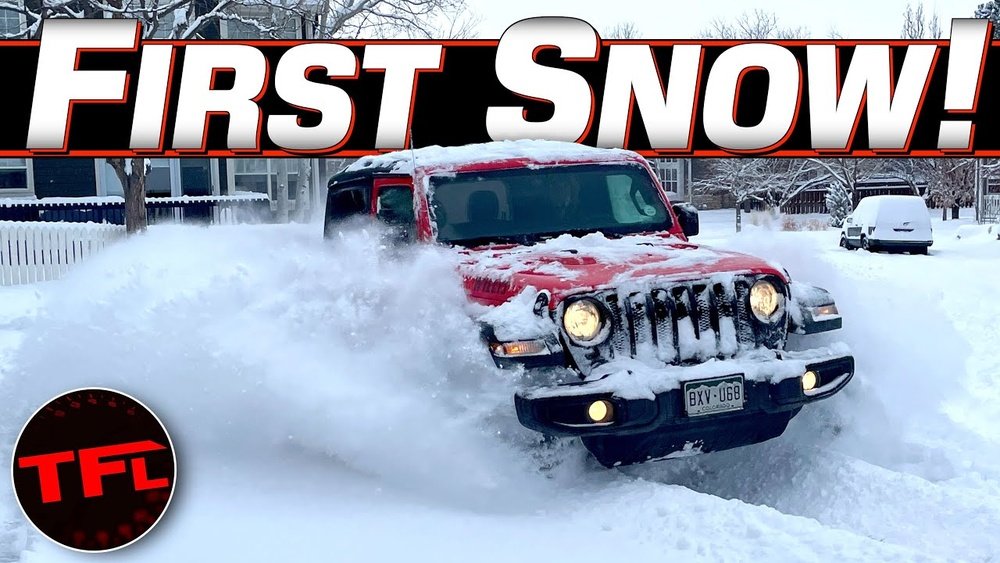
Are Jeeps Good in Snow: Ultimate Winter Driving Guide
 Reading Time: 8 minutes
 If you live in a place where winters are harsh, you know how important it is for your vehicle to handle snow and ice. Many people wonder, are Jeeps good in snow? Jeeps have a strong reputation for tackling tough roads, but is it just marketing, or are they really built for winter conditions? In this article, you’ll find out if Jeeps are truly snow-ready, which models perform best, and what you need to know before driving a Jeep in snowy weather.
What Makes A Vehicle Good In Snow?
Before looking at Jeeps, it helps to know what actually matters for snow driving. Not all vehicles are equal when the roads get icy. Here are the main features that make a difference:
- 4WD or AWD: Four-wheel drive (4WD) and all-wheel drive (AWD) systems help you keep traction on slippery surfaces.
- Ground Clearance: High ground clearance means your car won’t get stuck in deep snow.
- Tires: Winter or all-terrain tires grip the road better.
- Weight Distribution: Even weight helps the car stay balanced on ice.
- Stability and Traction Control: These systems reduce skidding and loss of control.
Not every car has these. Jeeps, though, often have several built in.
Why Jeeps Are Popular For Winter Driving
Jeeps like the Wrangler, Grand Cherokee, and Cherokee are common sights in snowy areas. There are a few reasons for this:
- 4WD Systems: Most Jeeps come with true 4WD (not just AWD), which means power goes to all wheels equally. This gives better grip in deep snow.
- High Ground Clearance: Jeeps are higher off the ground than regular cars, so they don’t get stuck as easily.
- Durable Build: Jeeps are built for off-roading, so they can handle rough, slippery roads.
People also like the feeling of security that comes from driving a tough, capable vehicle.

Credit: www.simivalleychryslerdodgejeepram.com
Types Of Jeeps And Their Snow Performance
Not all Jeeps perform the same in winter. Here’s a comparison of popular Jeep models and how they handle snow:
| Jeep Model | Drivetrain | Ground Clearance (inches) | Snow Performance |
|---|---|---|---|
| Wrangler | 4WD | 9.7-10.8 | Excellent |
| Grand Cherokee | AWD/4WD | 8.6-10.8 | Very Good |
| Cherokee | AWD/4WD | 8.7 | Good |
| Compass | AWD | 8.2 | Good |
| Renegade | AWD | 8.0 | Fair |
The Wrangler is especially strong in deep snow, thanks to its high ground clearance and rugged 4WD. The Grand Cherokee and Cherokee are also reliable, offering advanced AWD options and comfort for everyday driving.
Jeep 4wd Vs. Awd: What’s Best For Snow?
Jeeps come with either 4WD or AWD systems. What’s the difference, and which is better in snow?
- 4WD: Sends power to all wheels equally, best for deep snow, off-roading, and very slippery roads. Most Wranglers and Gladiators have this.
- AWD: Adjusts power automatically between front and rear wheels, better for changing road conditions and highway driving. Most Grand Cherokees, Cherokees, and Compasses use this.
Here’s a quick comparison:
| System | Best For | Drawback |
|---|---|---|
| 4WD | Deep snow, off-road, extreme winter | Lower fuel economy, can feel rough on dry pavement |
| AWD | City snow, highways, mixed roads | Not as strong in deep snow |
For most winter drivers, AWD is enough. If you live in a place with lots of unplowed roads, 4WD is worth it.
Real-world Data: How Jeeps Handle Snow
It’s one thing to talk features, but how do Jeeps perform in real life? Here’s what owners and tests show:
- Consumer Reports: The Jeep Grand Cherokee scores high for winter handling, especially models with the “Quadra-Trac II” 4WD system.
- IIHS (Insurance Institute for Highway Safety): Jeeps with modern safety features (traction and stability control) reduce winter accident risk.
- Owner Reports: Many Jeep drivers say they’ve driven through 12+ inches of snow without getting stuck.
A 2022 survey by U.S. News ranked the Jeep Wrangler and Grand Cherokee among the top 10 SUVs for snow, pointing to their 4WD and strong ground clearance.
Key Features That Help Jeeps In Snow
Several features set Jeeps apart when roads get icy:
- Selec-Terrain® System: Lets you choose a “Snow” mode. The car adjusts throttle, gear, and braking for better control.
- Hill Descent Control: Helps you go down icy slopes slowly.
- Heated Mirrors and Windshield: Improve visibility in snowstorms.
- Skid Plates: Protect the underbody from ice and rocks.
Not every Jeep has all these features, so check before you buy.
The Importance Of Tires For Snow Driving
No matter how good your Jeep is, tires make a huge difference. Here’s why:
- All-season tires are OK for light snow but can slide on ice.
- Winter tires stay soft in cold temperatures and grip better on snow and ice.
Many Jeep owners think their 4WD is enough. But even a Wrangler can slide with the wrong tires. Experts recommend using winter tires if you drive in snow for weeks at a time.
Practical Tips For Driving A Jeep In Snow
Even with a Jeep, driving in snow takes practice. Here’s how to get the most from your vehicle:
- Engage 4WD/AWD Early: Don’t wait until you’re stuck. Turn it on before you reach snow.
- Slow Down: Jeeps handle well, but ice is slippery for all vehicles.
- Use “Snow” Mode: If your Jeep has Selec-Terrain, use the Snow setting for better control.
- Keep Distance: Leave extra space between you and other cars.
- Check Tires: Make sure your tires have enough tread (at least 6/32” for snow).
A common beginner mistake is overconfidence. Jeeps help, but you still need to drive carefully.
Common Myths About Jeeps And Snow
Many people believe Jeeps are “unstoppable” in winter. That’s not true. Here are some myths:
- Myth: Any Jeep can handle deep snow.
- Fact: Smaller Jeeps with low ground clearance (like older Renegades) can get stuck.
- Myth: 4WD means you won’t slip.
- Fact: 4WD helps you go, but it doesn’t help you stop faster on ice.
- Myth: All tires are the same.
- Fact: Winter tires are critical for safe stopping and control.
Understanding these points can keep you safe and help you avoid accidents.
When A Jeep Is Not Enough
While Jeeps are strong in winter, there are times when they’re not enough:
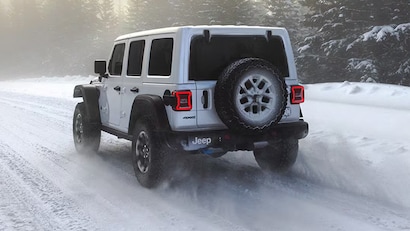
- Very deep snow (2+ feet): Even a Jeep can get stuck if the snow is higher than the bumper.
- Icy hills: No vehicle is safe on pure ice. Chains or studded tires might be needed.
- Poor visibility: Jeeps can’t see through blizzards; always stop if you can’t see.
Knowing your limits is just as important as having a capable vehicle.
Credit: www.autonationchryslerdodgejeepramspring.com
Comparing Jeeps To Other Suvs In Snow
How does a Jeep stack up to other popular SUVs for winter driving? Here’s a side-by-side look at similar vehicles:
| Vehicle | Drivetrain | Ground Clearance (inches) | Snow Rating |
|---|---|---|---|
| Jeep Grand Cherokee | AWD/4WD | 8.6-10.8 | Very Good |
| Subaru Outback | AWD | 8.7 | Very Good |
| Toyota 4Runner | 4WD | 9.6 | Excellent |
| Honda CR-V | AWD | 8.2 | Good |
Jeeps, especially the Grand Cherokee and Wrangler, are as good or better than most rivals in snow. However, vehicles like the Toyota 4Runner and Subaru Outback also perform well.
Two Insights Most Beginners Miss
- 4WD and AWD help you move, not stop: Many new Jeep owners think 4WD will keep them out of trouble. But stopping on ice is about tires and careful driving, not just drivetrain.
- Ground clearance matters more than you think: A lower SUV with AWD can get stuck in snowdrifts that a Jeep Wrangler will pass easily. If you live in an area with big snowfalls, choose a model with higher clearance.

Credit: www.ledfactorymart.com
What To Look For When Buying A Jeep For Snow
If winter driving is your main concern, here’s what to check before buying:
- 4WD or advanced AWD (not just front-wheel drive)
- Ground clearance of at least 8 inches
- Snow mode or traction control systems
- Option to add heated seats and mirrors
- Room for winter tires (some models need specific sizes)
Avoid base models without 4WD or with smaller wheels, as they may struggle more in heavy snow.
Maintenance Tips For Winter Jeep Owners
- Check battery health: Cold weather is tough on batteries.
- Keep washer fluid full: Use winter mix to prevent freezing.
- Inspect brakes: Winter roads need good stopping power.
- Lubricate door seals: Prevent doors from freezing shut.
- Clean undercarriage: Salt and snow can cause rust; wash often.
Regular checks can save you from breakdowns on freezing days.
Should You Choose A Jeep For Snow?
If you want a vehicle that can handle winter, a Jeep is a smart choice. The Wrangler and Grand Cherokee are especially good for deep snow and icy roads. Even smaller Jeeps like the Cherokee do well in city snow with the right tires. However, remember that no car is perfect in all winter conditions.
If you drive mostly on plowed roads, AWD and winter tires will be enough. For rural areas, unplowed roads, or heavy snow, the extra ground clearance and 4WD of a Jeep Wrangler or Grand Cherokee are hard to beat.
For more on winter vehicle safety, check the National Highway Traffic Safety Administration (NHTSA) for expert guidance.
Frequently Asked Questions
Do All Jeeps Come With 4wd?
No, not every Jeep model comes with 4WD as standard. Some, like the Wrangler, usually have it, but others, like the Renegade and Compass, offer front-wheel drive in base versions. Always check the specs before buying if you need 4WD for snow.
Are Jeeps Better Than Trucks In Snow?
Jeeps often handle snow well because of their size, weight, and advanced 4WD systems. However, some trucks with 4WD and winter tires can perform just as well or better, especially for plowing or towing. The best choice depends on your needs and local conditions.
What Is The Best Jeep Model For Winter Driving?
The Jeep Wrangler is one of the best for deep snow and off-road winter driving. The Grand Cherokee is excellent for a mix of comfort and winter performance. Both have high ground clearance and advanced 4WD options, making them top choices.
Can I Drive A Jeep In Snow With Regular Tires?
You can, but it’s not recommended. Regular or all-season tires are less effective in deep snow and ice. For the safest driving, use dedicated winter tires during the cold months, even on a Jeep.
Do Jeeps Need Special Maintenance For Winter?
Yes. Cold weather affects all vehicles, including Jeeps. Check your battery, brakes, and fluids, and consider rust-proofing the undercarriage. Use winter windshield washer fluid and make sure your tires are in good condition.
Jeeps are a trusted choice for snow, but smart driving and the right setup make all the difference. If you prepare your Jeep and drive carefully, winter roads become much less stressful.


