How to Change Oil on a Jeep Wrangler: Step-by-Step Guide
 Reading Time: 8 minutes
 Changing the oil on a Jeep Wrangler is one of the most important tasks for keeping your engine healthy and running smoothly. If you’re a beginner, the process might sound intimidating, but with the right steps, it’s easier than you think. Regular oil changes help your Wrangler last longer, improve fuel efficiency, and prevent expensive repairs. This guide will walk you through each step, using clear language and helpful tips so you can do this job confidently, even if it’s your first time.
Why Oil Changes Matter For Your Jeep Wrangler
Engine oil is the lifeblood of your Wrangler. It lubricates moving parts, reduces friction, and helps keep the engine cool. Over time, oil gets dirty and loses its effectiveness. If you delay changing the oil, engine parts can wear out faster, and sludge can build up. According to the Car Care Council, regular oil changes can extend your vehicle’s life and prevent breakdowns. For a Jeep Wrangler, most experts recommend an oil change every 5,000 to 7,500 miles for modern models, but always check your owner’s manual for your specific year.
Tools And Materials You Will Need
Before you start, gather all the tools and materials. Having everything ready makes the process smoother and safer.
Essential tools and materials:
- Oil filter wrench (for removing the oil filter)
- Socket wrench (usually 13mm or 15mm for the drain plug)
- Oil drain pan (holds at least 6 quarts)
- Funnel
- Rags or paper towels
- Latex gloves (optional, but keeps hands clean)
- Jack and jack stands (if needed for ground clearance)
- New oil filter (fit for your Wrangler’s year/model)
- Engine oil (see table below)
- Replacement drain plug washer (optional but recommended)
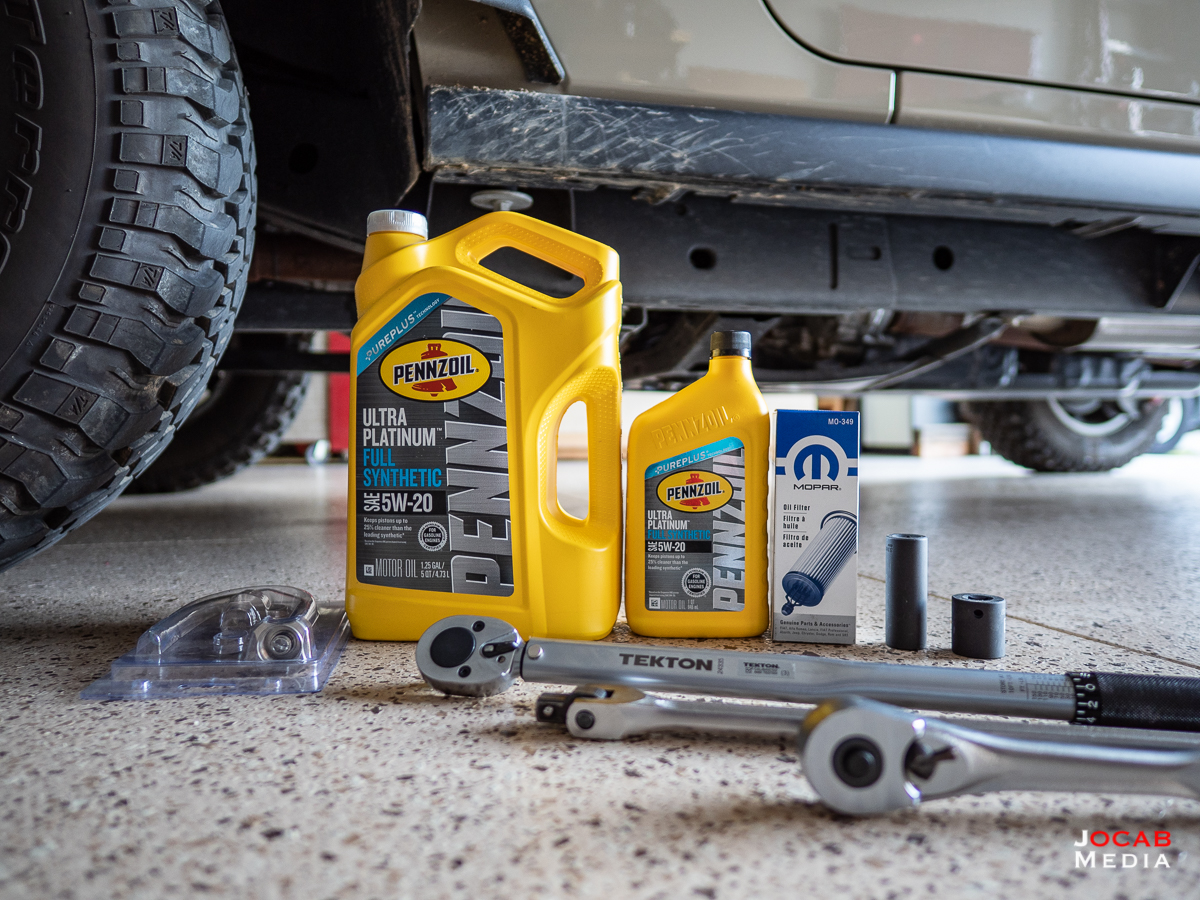
Choosing the right oil: Your Jeep Wrangler’s engine needs a specific type of oil. Here’s a quick reference for common Wrangler models:
| Model Year | Engine | Oil Type | Oil Capacity (quarts) |
|---|---|---|---|
| 2012–2018 | 3.6L V6 | SAE 5W-20 | 6.0 |
| 2007–2011 | 3.8L V6 | SAE 5W-20 | 6.0 |
| 2018–2024 | 2.0L Turbo | SAE 0W-20 | 5.0 |
Always check your owner’s manual for the correct oil type and capacity.
Preparing Your Jeep Wrangler
A little preparation makes the oil change easier and safer.
- Warm up the engine: Run your Wrangler for 3–5 minutes. Warm oil drains out faster and carries more contaminants.
- Park on a level surface: This ensures oil drains completely.
- Engage the parking brake: Safety first.
- Lift the vehicle if needed: If you have a stock Wrangler, you may not need to lift it. If your Jeep sits low or you want more space, use a jack and secure with jack stands.
- Gather your tools: Place all your tools within reach.
Draining The Old Oil
This is where the actual oil change begins. Work carefully to avoid spills.
- Position the drain pan: Place it under the oil pan’s drain plug.
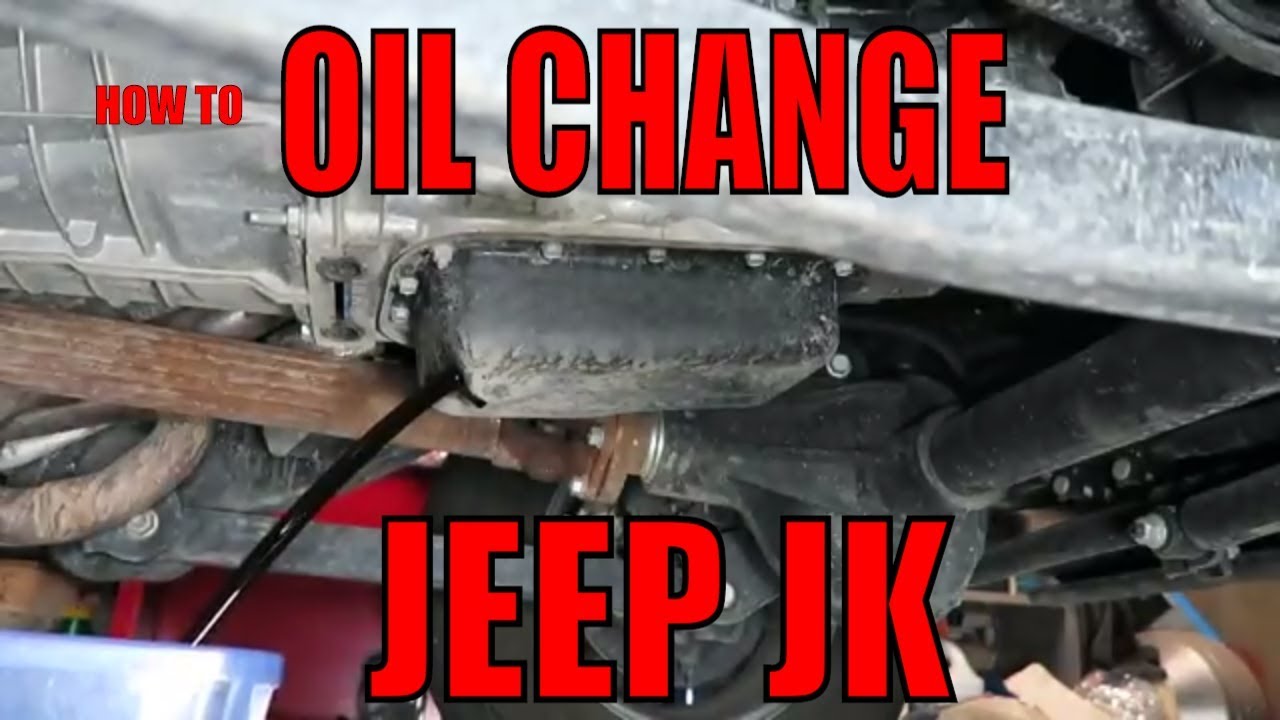
- Remove the drain plug: Use your socket wrench to turn the plug counterclockwise. Oil will start draining immediately, so be ready.
- Let the oil drain: Wait 5–10 minutes. All the old oil should drip out.
- Inspect the plug and washer: Check for damage. Replace the washer if it’s worn.
- Reinstall the drain plug: Tighten it securely but don’t over-tighten. Most Wranglers need about 20–25 ft-lbs of torque.
Common mistake: Dropping the drain plug into the hot oil. Hold it firmly and pull away quickly.
Removing And Replacing The Oil Filter
The oil filter traps dirt and tiny particles, keeping your oil clean.
- Locate the filter: On most Wranglers, it’s on the side or top of the engine.
- Remove with oil filter wrench: Turn counterclockwise. Some oil may spill—have rags ready.
- Check the old gasket: Make sure the rubber gasket comes off with the old filter. If left behind, it can cause leaks.
- Prepare the new filter: Rub a little new oil on the gasket. This helps it seal.
- Install the new filter: Screw it on by hand. Do not overtighten—just snug.
Pro tip: Don’t use a wrench to tighten the new filter. Hand-tight is enough.
Adding New Engine Oil
Fresh oil is key to engine health. Make sure you use the right type and amount.
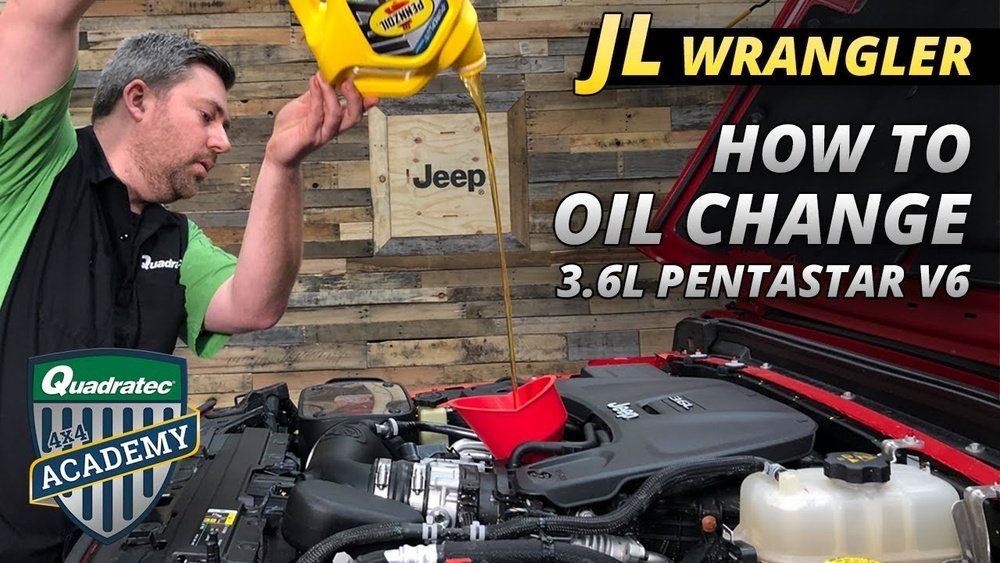
- Remove the oil fill cap: Usually labeled “Engine Oil.”
- Place the funnel: This helps prevent spills.
- Pour in new oil: Add about one quart less than the total capacity to avoid overfilling.
- Check the oil level: After pouring, wait a minute, then use the dipstick to check. Add more as needed until you reach the “Full” mark.
- Replace the oil cap: Tighten it securely.
- Start the engine: Run for 1–2 minutes. This circulates the new oil and fills the filter.
- Check for leaks: Look under the Jeep for any drips around the filter or drain plug.
- Recheck the oil level: Wait a few minutes, then check the dipstick again. Add a little more oil if needed.
Beginner insight: It’s better to add oil slowly than to overfill. Too much oil can cause engine damage.
Credit: www.youtube.com
Resetting The Oil Change Light
Most modern Jeep Wranglers have an oil change reminder. After changing the oil, you’ll need to reset this light.
Steps to reset:
- Turn the ignition to “On” without starting the engine.
- Press the gas pedal slowly three times within 10 seconds.
- Turn the ignition off.
- Start the engine and confirm the light is off.
If the light stays on, repeat the steps. For older models, there’s no reset needed.
Proper Disposal Of Old Oil And Filter
Used oil is hazardous and should never go in the trash or down a drain. Most auto parts stores and recycling centers accept used oil for free.
- Pour old oil into a sealed container.
- Place the old filter in a plastic bag.
- Take both to a recycling center.
Never dump oil on the ground—it can pollute water and harm wildlife. For more details on responsible recycling, check with your local waste management or visit the EPA Motor Oil Recycling page.
Comparing Diy Vs. Shop Oil Change
Is it worth changing your Wrangler’s oil yourself? Here’s a quick comparison:
| Aspect | DIY Oil Change | Professional Shop |
|---|---|---|
| Cost | $30–$50 | $60–$120 |
| Time | 30–45 minutes | 1–2 hours (including wait) |
| Skill Level | Beginner-friendly | Not needed |
| Satisfaction | High (DIY pride) | Convenient |
DIY saves money and builds confidence, but some prefer the convenience of a shop. For most Jeep Wrangler owners, the DIY route is simple and rewarding.
Common Mistakes And How To Avoid Them
Many beginners make the same errors. Here’s how to steer clear:
- Using the wrong oil type or filter: Always double-check the specs.
- Over-tightening the drain plug or filter: This can strip threads or break seals.
- Forgetting to replace the drain plug washer: Can cause leaks.
- Not adding enough oil: Run the engine, then check and top off.
- Failing to check for leaks: Always inspect after you finish.
Non-obvious tip: If you drop the drain plug in the oil pan, use a magnet tool to retrieve it safely.
Credit: www.ocabj.net
How Often Should You Change Oil On A Jeep Wrangler?
The right interval depends on your driving style and environment.
- Normal driving: Every 5,000–7,500 miles (newer models with synthetic oil)
- Severe conditions (off-roading, towing): Every 3,000–5,000 miles
- Older Wranglers: Stick to 3,000–5,000 miles
Non-obvious insight: Short trips and stop-and-go traffic cause oil to break down faster. Check the oil color and level monthly if you drive in tough conditions.
Troubleshooting: If Something Goes Wrong
Even with care, issues can happen. Here’s how to handle them:
- Oil leak after change: Check the filter and drain plug for tightness.
- Oil pressure warning light: Stop the engine and check the oil level immediately.
- Engine sounds noisy: May indicate low oil. Verify the dipstick reading.
If you’re unsure, don’t run the engine—consult a mechanic. A small mistake can lead to big repairs if ignored.

Credit: ecogard.com
Quick Reference: Oil Change Steps
Here’s a summary for easy recall:
- Warm up the engine.
- Park safely and lift if needed.
- Remove the drain plug and drain old oil.
- Replace the drain plug and washer.
- Remove the old filter and install a new one.
- Add new oil.
- Run the engine and check for leaks.
- Reset the oil change light.
- Recheck the oil level and top off.
- Dispose of old oil responsibly.
Print or save this list for your next oil change.
Frequently Asked Questions
How Much Oil Does A Jeep Wrangler Need?
Most Jeep Wranglers take between 5 and 6 quarts of oil, depending on the engine size. Always check your owner’s manual for the exact amount.
Can I Use Synthetic Oil In My Jeep Wrangler?
Yes, synthetic oil is recommended for most modern Wranglers. It offers better protection and lasts longer, especially in extreme temperatures.
What Happens If I Overfill My Engine Oil?
Too much oil can cause foaming, leaks, or engine damage. If you overfill, drain the excess immediately to the correct level.
How Do I Know If My Oil Filter Needs Changing?
Always change the oil filter with every oil change. A clogged filter reduces oil flow and can harm your engine.
Is It Safe To Drive With The Oil Change Light On?
No. The oil change light means the oil is dirty or low. Change the oil as soon as possible to avoid engine problems.
Maintaining your Jeep Wrangler’s engine with regular oil changes is a smart way to keep it reliable and ready for any adventure. With the right tools and this step-by-step guide, you’ll save money, learn new skills, and give your Wrangler the care it deserves.
Whether you’re headed off-road or just driving around town, clean oil is your engine’s best friend.