Jeep Patriot Window Fuse Location: Quick Guide to Find and Replace
 Reading Time: 7 minutes
 If your Jeep Patriot’s windows suddenly stop working, it can be frustrating—especially if you need to open or close them quickly. Often, the problem is a blown fuse. Many Jeep Patriot owners, especially beginners, are not sure where to find the window fuse or how to check it. This guide is designed to make things clear and simple, so you can locate and check your window fuse without stress.
Why The Window Fuse Matters
Your Jeep Patriot’s power windows rely on electricity. The fuse protects the system from damage by breaking the circuit if there’s a problem, such as a short or surge. If the fuse blows, the windows stop working—sometimes all at once, sometimes just one or two.
Understanding the fuse’s role helps you:
- Diagnose window problems faster
- Avoid expensive mechanic visits for simple issues
- Stay safe (windows stuck open can risk security or let in rain)
Where Is The Jeep Patriot Window Fuse Located?
In most Jeep Patriots (model years 2007–2017), the window fuse is found in the main fuse box, which is called the Totally Integrated Power Module (TIPM). This module is under the hood, near the battery. Some owners look for a fuse inside the cabin, but for power windows, you need to check the TIPM.
How To Find The Tipm
- Open the hood using the lever inside the vehicle.
- Look on the driver’s side, near the back of the engine compartment.
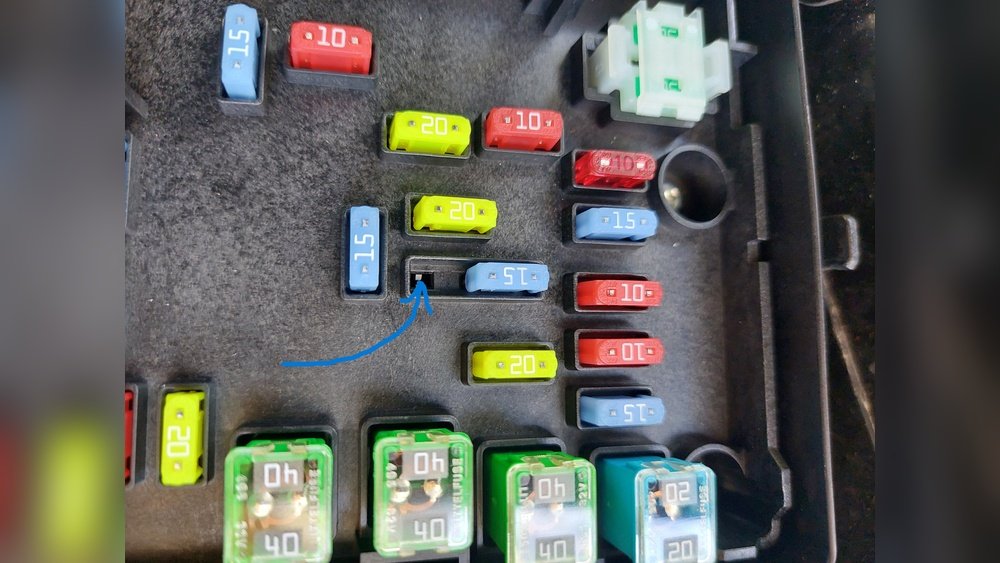
- You’ll see a black plastic box with a removable lid—this is the TIPM.
Inside the TIPM, fuses and relays are arranged in rows. Each fuse controls different parts of your Patriot’s electrical system.
Identifying The Window Fuse
For most Jeep Patriots:
- The power window fuse is labeled as “PWR WDO,” “PW,” or sometimes “WINDOW.”
- It is usually a 25A or 30A fuse (look for these numbers on the fuse).
- The exact position can vary by year, but it’s usually in the upper or lower row.
Always check your owner’s manual for your model year. If you’ve lost your manual, you can find a diagram under the TIPM lid. Here’s a sample fuse box layout for a 2014 Jeep Patriot:
| Fuse Number | Amperage | Circuit Protected |
|---|---|---|
| F13 | 25A | Power Windows |
| F14 | 20A | Door Locks |
| F15 | 15A | Radio |
Note: Fuse numbers and positions can change, so always confirm with your manual or the diagram on the fuse box cover.

Credit: www.youtube.com
How To Check And Replace The Window Fuse
Checking and replacing a fuse is easier than many think. Here’s a step-by-step process for beginners:
- Turn off your engine and remove the key.
- Open the TIPM cover. You might need a small screwdriver or just your fingers.
- Find the correct fuse using the diagram.
- Pull out the fuse with the included fuse puller or needle-nose pliers.
- Check the fuse. If the metal strip inside is broken or burnt, it’s blown.
- Replace with the same amperage. Never use a higher-rated fuse.
- Close the cover and test your windows.
Example: 2015 Jeep Patriot Power Window Fuse
Suppose your 2015 Jeep Patriot’s windows stop working. You open the TIPM and check the diagram. You find that Fuse F13, 25A is for the power windows. You pull it out and see the strip is broken. Replace it with a new 25A fuse, and your windows should work again.
What If The Fuse Blows Again?
If your new fuse blows right away or soon after, there’s likely a deeper problem. Common causes include:
- Short circuit in the wiring
- Faulty window motor
- Water intrusion causing corrosion
In this case, it’s best to have a professional check your system. Replacing fuses repeatedly won’t solve the root problem and could risk more damage.

Credit: www.youtube.com
Understanding Fuse Types And Ratings
Jeep Patriots use blade-type fuses in the TIPM. The key things to know:
- Amperage rating (printed on the fuse): Always match the original rating.
- Color coding: 25A is usually clear or white; 30A is green.
- Size: Most window fuses are “mini” or “standard” blade fuses.
Here’s a comparison of common fuse types:
| Fuse Type | Color | Common Use |
|---|---|---|
| 15A Mini Blade | Blue | Radio, Lights |
| 25A Mini Blade | Clear/White | Power Windows |
| 30A Mini Blade | Green | Sunroof, Heater |
Tip: Always keep spare fuses of various ratings in your glove box.
Common Mistakes When Replacing Window Fuses
Many beginners make simple errors that can be avoided:
- Using the wrong amperage: Never replace a 25A fuse with a 30A or higher—this can cause electrical damage.
- Forgetting to turn off the car: Always switch off the ignition before replacing any fuse.
- Not checking the diagram: Don’t guess which fuse is for the windows. Always confirm the correct one.
- Ignoring repeated blown fuses: If a fuse keeps blowing, don’t just keep replacing it. Find the root problem.
Other Possible Causes Of Window Failure
Sometimes, the window fuse is not the issue. Other parts can fail and cause similar symptoms:
- Window switch: The button you press may be faulty.
- Window motor: If you hear a click but nothing happens, the motor might be stuck or dead.
- Wiring problems: Wires in the door can break, especially after years of use.
- Window lock: If only the passenger windows don’t work, the window lock button may be on.
Here’s a quick comparison to help you troubleshoot:
| Symptom | Most Likely Cause | Check This First |
|---|---|---|
| All windows dead | Blown fuse or relay | TIPM fuse |
| One window dead | Bad switch or motor | Window switch |
| Passenger windows dead | Window lock on | Window lock button |
How To Prevent Fuse Problems
Preventing fuse issues is possible with a few simple habits:
- Avoid overloading circuits by not adding extra electronics to window circuits.
- Keep the TIPM dry; always close the hood after checking fuses.
- Inspect window switches for stickiness or water damage after spills.
- Operate windows regularly to keep motors and switches working.

Credit: www.jeeppatriot.com
When To See A Mechanic
If you’ve replaced the fuse and windows still don’t work, or if fuses keep blowing, it’s time for a professional. Modern Jeeps have complex electronics, and DIY fixes can only go so far.
Signs you need help:
- Burning smell from the fuse box
- Multiple electrical problems (not just windows)
- Fuses blow as soon as you replace them
A mechanic can test wiring, switches, and motors safely. For more information on electrical troubleshooting, you can check out the official Automotive Fuse guide.
Practical Tips For Beginners
Here are some extra insights that beginners often miss:
- Take a photo of the fuse box before you start. This helps you remember the positions.
- Keep a flashlight handy; the TIPM can be hard to see in low light.
- Label your spare fuses by amperage with a marker.
- Check for water leaks around the windshield and hood; these can drip into the TIPM over time.
Frequently Asked Questions
Where Is The Jeep Patriot Window Fuse Located?
The window fuse is in the Totally Integrated Power Module (TIPM) under the hood, on the driver’s side near the battery. Check the cover or owner’s manual for the exact fuse number and position.
What Size Fuse Do I Need For The Jeep Patriot Windows?
Most models use a 25A mini blade fuse for the power windows, but always confirm with your vehicle’s diagram or manual, as some years may differ.
What Happens If I Use The Wrong Amperage Fuse?
Using a fuse with a higher rating can damage your wiring or window motors. Too low, and the fuse may blow even if there’s no real problem. Always match the original fuse’s amperage.
Why Do My Jeep Patriot Windows Stop Working Even After Replacing The Fuse?
If the windows don’t work after a new fuse, possible causes include a bad window switch, faulty motor, broken wiring, or a deeper electrical problem. Repeatedly blown fuses suggest a short circuit.
Can I Drive My Jeep Patriot With A Blown Window Fuse?
Yes, but your power windows won’t work, which can be a safety risk if you need to open or close windows quickly. Fix the issue as soon as possible for comfort and security.
If you know where to find and how to replace your Jeep Patriot window fuse, you can solve most window problems in just a few minutes. With a little care and the right information, you’ll avoid unnecessary mechanic visits and keep your Patriot’s windows working smoothly.