Transmission for 2009 Jeep Patriot: Ultimate Guide to Replacement
 Reading Time: 7 minutes
 The 2009 Jeep Patriot is a compact SUV that gained popularity for its affordable price and practical features. One of the key components that affects its performance, reliability, and overall driving experience is the transmission. For many owners, understanding the transmission system, its types, maintenance, and common issues can make a big difference in vehicle longevity and satisfaction. This article explains everything a beginner needs to know about the transmission in a 2009 Jeep Patriot, including real-world data, expert tips, and clear examples.
Types Of Transmission In The 2009 Jeep Patriot
The 2009 Jeep Patriot came with two main transmission options:
- 5-speed manual transmission
- Continuously Variable Transmission (CVT)
Each type has unique features and advantages. Let’s look at them in detail.
5-speed Manual Transmission
This option is popular with drivers who prefer more control over shifting. It uses a clutch pedal and a gear stick to manually change gears.
- Gear Ratio: 1st gear 3.833, 5th gear 0.767
- Fuel Economy: 23 mpg city / 28 mpg highway
- Advantages: Simple design, lower maintenance costs, better control in rough conditions
- Disadvantages: Requires more driver effort, harder to learn for beginners
Continuously Variable Transmission (cvt)
The CVT is an automatic system. It doesn’t use traditional fixed gears. Instead, it uses a belt and pulleys to change ratios smoothly.
- Fuel Economy: 21 mpg city / 25 mpg highway
- Advantages: Easy to drive, no need to shift manually, smooth acceleration
- Disadvantages: Higher repair costs, can feel less responsive, risk of overheating
Example: If you drive mostly in city traffic, the CVT is more convenient. For mountain roads, the manual is often preferred.
Common Transmission Problems In The 2009 Jeep Patriot
Many owners report issues with the CVT, especially after 60,000 miles. Here are some of the most frequent problems:
- Overheating: The CVT can overheat during long drives or in hot weather. This triggers the “Transmission Over Temp” warning.
- Shuddering: Some drivers feel shaking when accelerating. This is often due to belt wear.
- Failure to shift: Both manual and CVT may struggle to change gears if fluid is low or dirty.
- Noise: A whining or grinding sound from the CVT is a sign of internal damage.
Practical tip: If you notice any of these symptoms, check the transmission fluid first. Low or dirty fluid is a common cause.
Transmission Maintenance For Beginners
Proper care will extend the life of your Jeep Patriot’s transmission. Here’s what you need to know:
- Check fluid regularly: For the CVT, use Jeep-approved CVT fluid. For manual, use standard gear oil.
- Change fluid every 50,000 miles: Old fluid can cause overheating and wear.
- Inspect for leaks: Look under the car for red or brown spots.
- Avoid aggressive driving: Sudden stops and starts put stress on the transmission.
Basic Steps To Check Transmission Fluid
- Park on a level surface and turn off the engine.
- Locate the transmission dipstick (CVT only).
- Pull out the dipstick, wipe it clean, reinsert, then remove again to check the level.
- The fluid should be clear and at the “Full” mark.
Data example: About 70% of transmission failures in the Patriot are linked to neglected fluid changes.
Replacement Costs And Options
Transmission repairs can be expensive. Here’s a breakdown of typical costs:
| Repair Type | Estimated Cost (USD) | Time Needed |
|---|---|---|
| Fluid Change | $120 – $180 | 1 hour |
| Minor Repair | $300 – $600 | 2-3 hours |
| CVT Replacement | $3,000 – $4,500 | 2-3 days |
| Manual Transmission Replacement | $2,000 – $2,800 | 2-3 days |
Beginner insight: Always ask for a detailed quote from your mechanic. Some shops charge extra for labor.
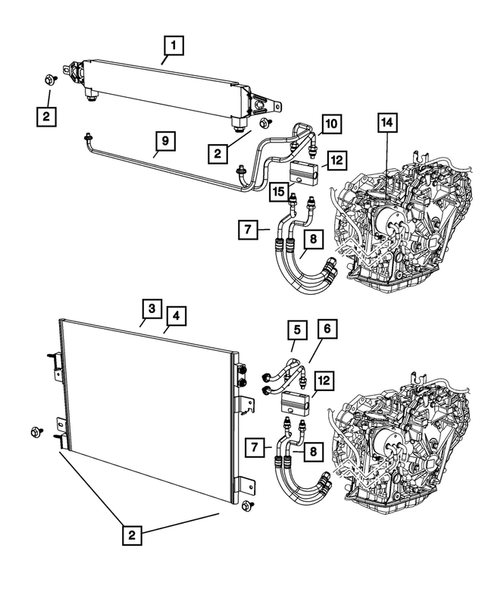
Credit: www.mymoparparts.com
Choosing The Right Transmission Fluid
Choosing the correct fluid is essential. Using the wrong type can damage your transmission.
- CVT: Use Mopar CVT+4 or equivalent
- Manual: Use SAE 75W-90 gear oil
Never mix fluids. Check your owner’s manual for exact recommendations.
Tips For Extending Transmission Life
Here are practical ways to protect your transmission:
- Warm up your vehicle: In cold weather, let the engine run for a few minutes before driving.
- Don’t tow heavy loads: The Patriot is not designed for heavy towing, especially with CVT.
- Avoid quick shifts: For manual, fully depress the clutch before changing gears.
- Get regular inspections: Ask your mechanic to check the transmission during oil changes.
Non-obvious tip: If you drive mostly short trips, change fluid more often. Stop-and-go driving wears out fluid faster.

Credit: mopar.oempartsonline.com
Cvt Vs Manual: Performance And Driving Experience
Let’s compare how both options feel in real-world driving:
| Feature | CVT | Manual |
|---|---|---|
| Acceleration | Smoother, but slower | More control, faster response |
| Fuel Efficiency | Lower (21 mpg city) | Higher (23 mpg city) |
| Maintenance | Higher cost | Lower cost |
| Ease of Use | Very easy | Requires learning |
Example: If you often drive in heavy traffic, the CVT saves effort. If you want a sportier feel, manual is better.
When To Replace The Transmission
Transmission replacement is a big decision. Consider these signs:
- Repeated slipping: If gears slip often, replacement may be needed.
- High mileage: After 100,000 miles, CVT may show signs of serious wear.
- Multiple repairs: If repairs cost more than half the price of a new transmission, replacement is smarter.
Data point: Most Patriot owners replace their CVT after 120,000 miles.
Transmission Recall And Warranty
Jeep issued recalls for some Patriot models with CVT. If your vehicle is affected, you may qualify for free repairs.
- Check your VIN: Visit the official Jeep website to see if your Patriot has an open recall.
- Warranty: Most new Patriots came with a 3-year/36,000-mile powertrain warranty.
Practical tip: Even if your warranty has expired, recalls are honored for safety issues.
Diagnosing Transmission Issues
If your Patriot shows transmission problems, use these steps:
- Scan for error codes: Mechanics use OBD-II scanners to find problems.
- Test drive: Listen for noises and feel for shaking or slipping.
- Check fluid: Look for color and level.
- Ask for expert advice: Some issues are tricky to spot for beginners.
Non-obvious insight: Sometimes, issues like rough shifting are caused by engine problems, not transmission.
Upgrading Or Modifying Your Transmission
Some owners want to upgrade for better performance. Here’s what to know:
- Aftermarket CVT coolers: Help prevent overheating.
- Short-throw shifters: Make manual shifting faster.
- High-quality fluids: Improve longevity.
Always use parts approved for your model. Unapproved modifications can void your warranty.
Real-world Owner Experiences
Owners share mixed feedback about the 2009 Jeep Patriot transmission:
- Manual drivers: Report fewer problems and lower costs.
- CVT owners: Say repairs are expensive but enjoy easy driving.
- Common advice: Change fluid early and often.
Example: An owner in Arizona replaced their CVT at 90,000 miles due to overheating. Another in Maine had no issues after 140,000 miles with regular fluid changes.

Credit: www.youtube.com
Transmission Fluid Change Procedure
Here’s a simple step-by-step guide for beginners:
- Gather tools: Drain pan, socket wrench, new fluid.
- Lift the vehicle safely.
- Remove the transmission drain plug.
- Let old fluid drain completely.
- Replace the plug and add new fluid.
- Check the fluid level.
Estimated time: 1 hour. Beginner tip: Always use gloves and eye protection.
Comparing The Jeep Patriot Transmission To Competitors
How Does The Patriot’s Transmission Compare To Similar Models?
| Model | Transmission Type | Reliability Score | Average Repair Cost |
|---|---|---|---|
| Jeep Patriot (2009) | Manual/CVT | 6/10 | $3,000 |
| Nissan Rogue (2009) | CVT | 5/10 | $3,800 |
| Honda CR-V (2009) | Automatic | 8/10 | $2,500 |
Insight: The Patriot’s manual transmission scores higher for reliability. The CVT is comparable to other brands but needs careful maintenance.
Where To Find More Information
For detailed technical guides and recall info, visit the Jeep Patriot Wikipedia page.
Frequently Asked Questions
What Transmission Fluid Does The 2009 Jeep Patriot Use?
The CVT uses Mopar CVT+4 fluid. The manual transmission uses SAE 75W-90 gear oil. Always check your owner’s manual for exact requirements.
How Often Should I Change My Transmission Fluid?
Change fluid every 50,000 miles. If you drive in tough conditions or heavy traffic, change more often.
Can I Drive With A Transmission Warning Light?
No. Driving with a warning light can cause more damage. Stop and check fluid level or see a mechanic immediately.
How Much Does It Cost To Replace A Transmission In A 2009 Jeep Patriot?
CVT replacement costs $3,000-$4,500. Manual transmission replacement costs $2,000-$2,800. Always get a quote before starting repairs.
Is The 2009 Jeep Patriot Cvt Reliable?
The CVT is easy to drive but known for overheating and costly repairs. With regular maintenance, it can last 100,000+ miles.
The transmission in your 2009 Jeep Patriot is vital for smooth driving and long-term reliability. With basic knowledge and regular care, you can avoid costly repairs and enjoy your SUV for years. Whether you have the manual or CVT, choosing the right fluid, watching for early signs of trouble, and asking for expert help will make a big difference.
By following these practical tips and checking reliable sources, even beginners can handle transmission care confidently.