Bulbasaur is More Aerodynamic Than a Jeep: Surprising Science Explained
 Reading Time: 7 minutes
 Bulbasaur Is More Aerodynamic Than A Jeep
When you hear the words aerodynamics and Pokemon, you probably don’t imagine them together. Yet, there’s a surprising comparison: Bulbasaur, the beloved Grass/Poison-type from Pokemon, might actually have better aerodynamics than a real-world Jeep. This claim sounds funny, but when we break down the science, it’s not as strange as it seems. Let’s explore why Bulbasaur could glide through the air with less resistance than a classic off-road Jeep, and what this reveals about both design and nature.
What Does Aerodynamic Mean?
Aerodynamics is about how air moves around objects. When something is aerodynamic, it means the air flows over it smoothly. This helps the object move faster and use less energy.
- Aerodynamic objects: Airplanes, race cars, birds
- Not aerodynamic: Bricks, old trucks, some animals
Aerodynamic design matters because:
- It reduces drag, which is the force that slows objects down in air
- It helps vehicles save fuel or energy
- It allows faster movement with less effort
The Science Of Drag
Drag is a key part of aerodynamics. Think of drag as the air pushing back when you try to run fast or stick your hand out the car window.
- High drag: Harder to move, needs more power
- Low drag: Easier to move, needs less power
The drag coefficient (Cd) is a number that measures how easily air moves around an object. Lower numbers mean better aerodynamics.
- Best sports cars: Cd around 0.23 – 0.28
- Jeep Wrangler (classic boxy shape): Cd around 0.55 – 0.60
- Smooth animals (like dolphins): Often below 0.20
Meet Bulbasaur: Shape And Features
Bulbasaur is a small, four-legged Pokemon. It has a round body, a plant bulb on its back, and a wide head.
- Height: About 0.7 meters (2 feet 4 inches)
- Weight: Around 6.9 kg (15.2 lbs)
- Key features: Rounded body, short legs, large eyes, and a bulb on its back
Let’s focus on its shape:
- Rounded body: Air can flow over it more smoothly
- Short legs: Less air gets trapped underneath
- Bulb: It’s not huge, so it doesn’t add much extra drag
Meet The Jeep: Shape And Features
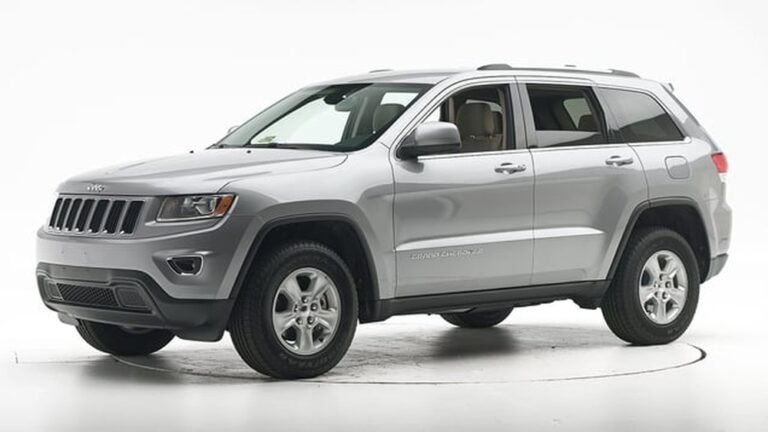
The Jeep Wrangler is famous for its tough, boxy design. It’s built for off-road travel, not for speed.
- Height: About 1.8 meters (5 feet 10 inches)
- Weight: Around 1,900 kg (4,189 lbs)
- Key features: Flat front, upright windshield, squared corners
These features affect air movement:
- Boxy body: Air hits flat surfaces and slows the vehicle down
- Large grille and windshield: Create more drag
- Sharp corners: Make air move in messy, turbulent patterns
Comparing Bulbasaur And Jeep: Aerodynamic Data
Let’s look at the numbers side by side.
| Feature | Bulbasaur | Jeep Wrangler |
|---|---|---|
| Height | 0.7 m | 1.8 m |
| Typical Shape | Rounded | Boxy |
| Drag Coefficient (Cd) | Estimated 0.35 | 0.55 – 0.60 |
| Surface Texture | Smooth skin | Metal panels |
Key insight: Even with an estimated Cd, Bulbasaur’s body is less likely to “fight” the air compared to a Jeep.
Why Bulbasaur Wins In Aerodynamics
- Smooth Curves: Bulbasaur’s rounded shape lets air flow gently around its body. There are no big, flat surfaces to block the air.
- Low to the Ground: Its short legs mean less air slips underneath, reducing turbulent flow.
- Small Surface Area: The smaller size means less area for air to push against.
- Natural Evolution: Many animals, like frogs and turtles, have evolved to move efficiently through air or water. Bulbasaur’s design borrows from these creatures.
- No Accessories: Bulbasaur doesn’t have mirrors, roof racks, or spare tires sticking out, which can catch air and create drag.

Credit: www.youtube.com
The Jeep’s Aerodynamic Challenges
- Flat Front: The Jeep’s grille and windshield are nearly vertical. This creates a “wall” that pushes air hard and wastes energy.
- Sharp Edges: Air doesn’t flow smoothly around corners. Instead, it forms swirls (turbulence) that drag the Jeep back.
- High Ground Clearance: The space under the Jeep allows air to get trapped and create more drag.
- Extra Features: Side mirrors, spare tire, and boxy fenders all add to drag.
- Purposeful Design: Jeeps are made for climbing rocks, not racing on highways. Aerodynamics was never the top goal.
Real-world Examples: Nature Vs. Machine
Look at animals like frogs, turtles, and small mammals. Their bodies are rounded and low, which helps them move smoothly through air and water.
- Turtles: Their shells are curved to slip through water with little resistance.
- Frogs: Smooth, rounded backs help them leap and swim efficiently.
Bulbasaur’s body takes cues from these animals. In contrast, the Jeep’s design is more like a brick—a shape that’s strong but not aerodynamic.
How Much Does Aerodynamics Matter?
Aerodynamics affects speed, energy use, and comfort.
- Fuel Efficiency: More drag means burning more fuel for cars.
- Top Speed: Less drag means higher possible speed with the same power.
- Noise and Vibration: Bad aerodynamics can make cars noisy at high speeds.
If you tried to “race” Bulbasaur and a Jeep down a hill, the Jeep is heavier and would win by weight. But if both could glide, Bulbasaur’s shape would let it travel further with less resistance, simply because air “likes” its shape better.
Data Table: Drag Coefficient Comparison
To give more context, here’s how different objects compare in drag.
| Object | Drag Coefficient (Cd) |
|---|---|
| Bulbasaur (estimated) | 0.35 |
| Modern Sedan | 0.28 |
| Jeep Wrangler | 0.55 – 0.60 |
| Soccer Ball | 0.47 |
| Human Runner | 0.70 – 1.0 |
You can see that Bulbasaur (even with a guess) is more aerodynamic than a soccer ball and much better than a Jeep.
Two Insights Beginners Miss
- Aerodynamics Isn’t Just for Speed: Many think only race cars need good aerodynamics. But even slow-moving animals and off-road vehicles benefit from less drag. Saving energy is important in nature and in machines.
- Size Matters Less Than Shape: Some believe bigger things are always less aerodynamic. But a small, badly shaped object can have more drag than a big, smooth one. It’s the shape that counts most.
Why Is The Jeep Still Popular?
Despite its poor aerodynamics, the Jeep is loved for other reasons:
- Strength and durability
- Off-road abilities
- Classic, iconic look
Jeeps can handle rough roads and steep climbs that Bulbasaur or a sports car can’t. Aerodynamics is just one part of the story.
What If Bulbasaur Was Real?
Imagine a world where Bulbasaur exists and could run next to a Jeep. Because of its shape, Bulbasaur would use less energy to move at the same speed. In windy conditions, the Jeep would slow down more, while Bulbasaur would slip through the air.
Of course, Bulbasaur isn’t built for speed—its legs are short, and it’s not a runner. But in terms of pure air flow, nature’s design beats the boxy Jeep.
Practical Example: Testing In A Wind Tunnel
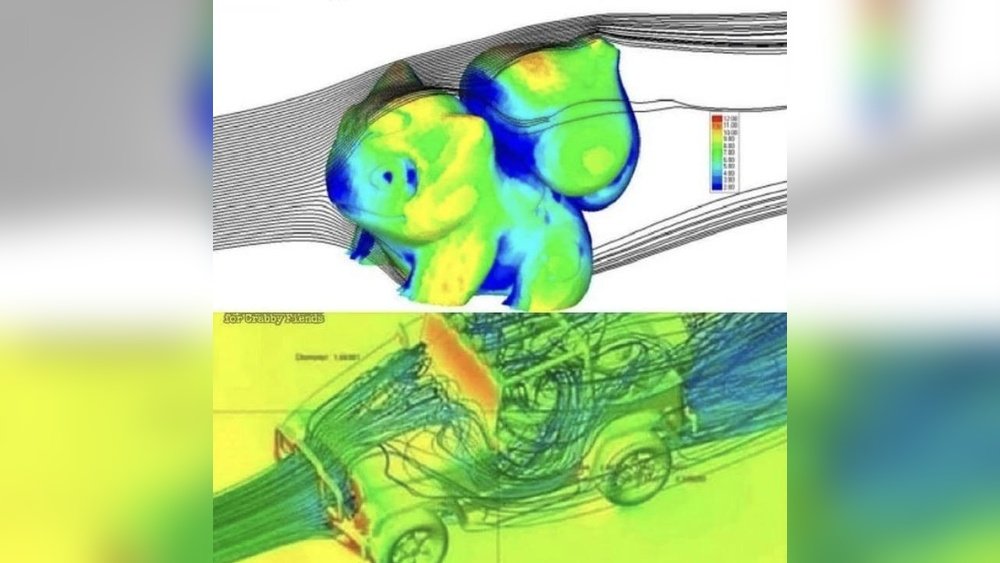
Scientists use wind tunnels to study aerodynamics. They blow air over models and measure drag.
- If you put a Bulbasaur model in a wind tunnel, you’d see smooth airflow, especially over its back and sides.
- A Jeep model would show lots of messy, turbulent air behind the flat windshield and roof.
This is why modern cars are shaped more like eggs than boxes.

Credit: www.reddit.com
The Future: Learning From Nature
Car companies study animals for new ideas. For example:
- Shark skin: Helps reduce drag in water, inspiring swimsuits and airplane coatings.
- Bird wings: Shape modern airplane wings for smooth flight.
Bulbasaur’s shape, inspired by real animals, shows why rounded forms win in aerodynamics. Maybe one day, cars will copy more from Pokemon-like designs!
Another Data Table: Jeep Vs. Bulbasaur In Key Areas
Let’s compare how each does in important categories.
| Category | Bulbasaur | Jeep Wrangler |
|---|---|---|
| Off-Road Ability | Limited | Excellent |
| Aerodynamics | Good | Poor |
| Energy Efficiency | High (in theory) | Low |
| Speed | Low | Moderate |
| Popularity | High (in fiction) | High (in real life) |
Final Thoughts
Comparing Bulbasaur and a Jeep shows how much design matters. Bulbasaur’s rounded, smooth body is more aerodynamic than the Jeep’s boxy frame. While Jeeps are built for rough terrain, they lose when it comes to moving smoothly through the air.
Aerodynamics isn’t just about speed—it’s about using energy wisely, whether you’re a car, a Pokemon, or an animal.
This playful comparison helps us see how nature and engineering can teach each other. Next time you see a Jeep, remember: a little green Pokemon might just slip through the air better!
For more on how drag affects real vehicles, you can check Wikipedia’s drag coefficient article.
Frequently Asked Questions
Is Bulbasaur Really More Aerodynamic Than A Jeep?
Yes, in terms of shape and drag coefficient, Bulbasaur’s rounded form is more aerodynamic than the boxy Jeep Wrangler. This means air flows over Bulbasaur more smoothly.
Why Do Jeeps Have Such High Drag?
Jeeps are made for off-road performance, not speed. Their flat surfaces and sharp corners create more drag, which is bad for aerodynamics but good for strength.
Can Aerodynamics Make A Big Difference For Slow Objects?
Yes, even at lower speeds, aerodynamics can save energy. Animals and vehicles both benefit from shapes that let air move smoothly.
Are There Any Real Animals As Aerodynamic As Bulbasaur?
Many animals, like turtles and frogs, have shapes similar to Bulbasaur. They are built to move efficiently in water and air, which inspires engineers.
Does Making A Jeep Rounder Help?
Yes, rounder shapes lower the drag coefficient. Some modern SUVs copy this idea to get better fuel efficiency, but classic Jeeps keep their boxy style for tradition and off-road strength.

Credit: www.reddit.com