Transmission Fluid for Jeep Liberty: Best Types and Change Guide
 Reading Time: 8 minutes
 If you drive a Jeep Liberty, you probably enjoy its rugged style and reliability. But like any vehicle, it needs proper care to keep running smoothly. One of the most important – but often misunderstood – maintenance tasks is changing the transmission fluid. Many owners have questions: What type is best? How often should you change it? What happens if you use the wrong fluid? This guide will answer these questions and more, using simple language, so you can keep your Jeep Liberty in top condition.
What Does Transmission Fluid Do?
Transmission fluid is the lifeblood of your Jeep Liberty’s automatic transmission. It does several key jobs:
- Lubricates moving parts so they do not wear out quickly.
- Cools the transmission by carrying heat away from gears and clutches.
- Cleans by picking up dirt and small metal pieces.
- Transfers power from the engine to the wheels.
Without the right fluid, your transmission can get hot, wear out, or even fail completely.
Types Of Transmission Fluid For Jeep Liberty
Not all transmission fluids are the same. The type you need depends on your Jeep Liberty’s model year and transmission type.
Common Types Used
- ATF+4: Most Jeep Libertys (especially 2002–2012 models) use ATF+4 automatic transmission fluid. This is a synthetic fluid designed for Chrysler, Dodge, and Jeep vehicles.
- Dexron III/Mercon: Some older models or manual transmissions may use Dexron III/Mercon fluid. Always check your owner’s manual.
Important: Never mix different fluid types. Using the wrong fluid can cause shifting problems or damage.
Real-world Example
A 2005 Jeep Liberty with a 3.7L V6 engine and a 4-speed automatic transmission will almost always require ATF+4 fluid.
How To Check Transmission Fluid Level
Checking your Jeep Liberty’s transmission fluid is easy, but there are a few steps to follow:
- Park on a level surface.
- Let the engine run until it is warm.
- Move the gear selector through all positions, then put it in Park.
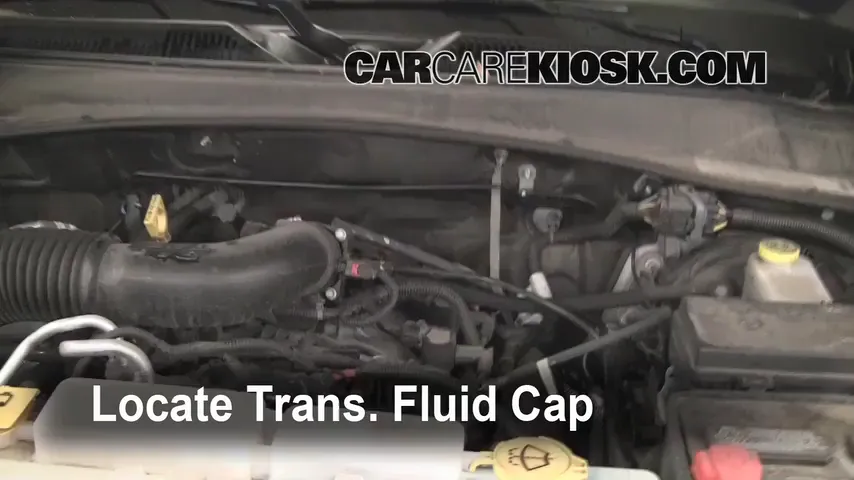
- Open the hood and find the transmission dipstick (usually labeled).
- Pull out the dipstick, wipe it clean, insert it again, and pull it out to check the level.
The fluid should be between the “Add” and “Full” marks. If it’s low, add the recommended fluid.
Tip: Transmission fluid should be bright red and smell sweet. If it’s dark or smells burnt, change it soon.
How Often Should You Change Transmission Fluid?
Changing fluid at the right time keeps your transmission healthy. Here’s what Jeep recommends for the Liberty:
- Normal driving: Change every 60,000 miles (about 96,000 km)
- Severe driving (towing, hot climates, stop-and-go): Every 30,000 miles (about 48,000 km)
But if you notice hard shifting, slipping, or strange noises, change it sooner.
Typical Service Intervals
| Driving Condition | Mileage (Miles) | Time (Years) |
|---|---|---|
| Normal | 60,000 | 4–5 |
| Severe | 30,000 | 2–3 |
Insider tip: If you drive in dusty or hot areas, stick to the severe schedule.

Credit: www.youtube.com
How Much Transmission Fluid Does A Jeep Liberty Need?
The amount of fluid depends on whether you are just draining and refilling the pan, or doing a full flush.
Fluid Capacity Examples
| Model Year | Transmission Type | Pan Drain & Fill (Quarts) | Total Capacity (Quarts) |
|---|---|---|---|
| 2002–2007 | 4-Speed Auto (42RLE) | 4–5 | 10–11 |
| 2008–2012 | 4-Speed Auto (42RLE) | 4–5 | 10–11 |
| All Years | Manual | 2–3 | 3–4 |
Note: Always refill to the “Full” mark, not just by counting quarts.
Signs Of Low Or Bad Transmission Fluid
Spotting problems early can save your transmission. Watch for these signs:
- Shifting delays or jerky movements
- Slipping gears
- Burnt smell from under the hood
- Red fluid leaks under your Jeep
- Strange noises like whining or clunking
If you notice any of these, check your fluid right away.
Credit: www.carcarekiosk.com
How To Change Transmission Fluid In A Jeep Liberty
Changing the fluid yourself can save money, but you need to work carefully. Here’s how:
What You Need
- 4–5 quarts of ATF+4 fluid
- New transmission filter and gasket kit
- Socket set and a drain pan
- Clean rags and safety gloves
Step-by-step Instructions
- Warm up the engine and park on a level surface.
- Lift the vehicle safely using ramps or a jack.
- Remove the transmission pan bolts and let fluid drain into the pan.
- Take off the old filter and install the new one.
- Clean the pan and put on the new gasket.
- Bolt the pan back, tightening evenly.
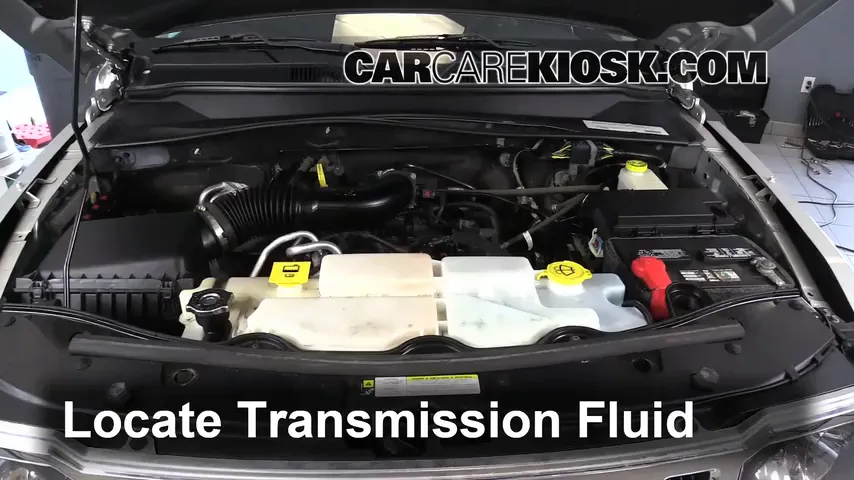
- Add new fluid through the dipstick tube, checking the level as you go.
- Start the engine, move the shifter through all gears, and check for leaks.
Beginner insight: Most first-timers forget to replace the gasket or tighten bolts evenly. This can cause leaks.
Transmission Fluid Brands For Jeep Liberty
You have several good options when buying fluid. The most recommended is Mopar ATF+4, the factory fluid. Other trusted brands include:
- Valvoline ATF+4
- Castrol Transmax ATF+4
- Pennzoil ATF+4
Always look for the ATF+4 approval on the bottle. Avoid “universal” fluids that do not list Jeep or Chrysler approval.
Cost Of Transmission Fluid Change
Understanding the cost helps you budget for maintenance:
- DIY change: $40–$70 (fluid, filter, gasket)
- Mechanic change: $120–$200
- Dealer service: $200–$300
A full flush costs more because it uses more fluid and special equipment.
Hidden cost: Skipping fluid changes can lead to repairs costing $2,000 or more if the transmission fails.
Common Mistakes When Changing Transmission Fluid
Even experienced DIYers make mistakes. Here’s what to avoid:
- Using the wrong fluid: Always double-check your Jeep’s requirements.
- Overfilling or underfilling: Both can cause shifting problems.
- Not changing the filter: Old filters clog and cause pressure issues.
- Forgetting to clean the pan: Metal shavings and dirt can damage the new fluid.
- Ignoring leaks: Even small leaks can drain fluid over time.
Pro tip: Always test drive after changing fluid and check the level again.
When To Flush Vs. Drain And Fill
Owners often ask whether a “flush” is better than a simple drain and fill.
- Drain and fill: Replaces about 40% of the old fluid. Good for regular maintenance.
- Flush: Replaces almost all old fluid. Best if fluid is very dirty or never changed.
Warning: Flushing a very old, dirty transmission can sometimes cause problems if debris is loosened. If your Jeep has high miles and old fluid, ask a mechanic for advice.
Do You Need Additives?
Most Jeep Liberty transmissions do not need extra additives if you use ATF+4. Some products claim to improve shifting or reduce leaks, but they are not needed if you use the correct fluid.
Exception: Only use additives if recommended by a trusted mechanic or the Jeep owner’s manual.
How Transmission Fluid Affects Performance
The right fluid makes your Jeep Liberty shift smoothly and last longer. Poor or old fluid can cause:
- Delayed or rough shifting
- Reduced fuel economy
- Overheating
- Transmission failure
Regular fluid changes are cheaper than repairs.
Example: A Jeep Liberty that shifts smoothly after a fluid change often sees improved gas mileage and less noise.
Environmental Impact
Disposing of transmission fluid safely is important. Never pour old fluid down the drain or on the ground. Take used fluid to a recycling center or auto shop.
Fact: One gallon of old transmission fluid can pollute thousands of gallons of water. Always recycle responsibly.
Comparing Transmission Fluid Types And Costs
Choosing the right fluid and knowing the cost differences helps you make smart decisions.
| Fluid Type | Compatible Years | Price per Quart | Change Interval |
|---|---|---|---|
| ATF+4 | 2002–2012 | $7–$10 | 30,000–60,000 miles |
| Dexron III/Mercon | Pre-2002 (some manual) | $5–$8 | 30,000–60,000 miles |
Smart move: Do not try to save money by buying the cheapest fluid. Use what Jeep recommends for long-term reliability.
Where To Find Official Information
If you are unsure, always check your Jeep Liberty owner’s manual or ask a Jeep dealer. For more technical details, the official Jeep website or the National Highway Traffic Safety Administration provides guidelines. You can also visit Wikipedia for more model information.
Credit: www.carcarekiosk.com
Frequently Asked Questions
What Transmission Fluid Does A 2005 Jeep Liberty Use?
A 2005 Jeep Liberty with an automatic transmission uses ATF+4 fluid. Always look for bottles marked “ATF+4” and approved for Jeep or Chrysler vehicles.
How Do I Know If My Transmission Fluid Is Low?
Check for signs like hard shifting, slipping gears, or a red puddle under your Jeep. Use the dipstick under the hood to check the fluid level when the engine is warm and running.
Can I Mix Different Transmission Fluids?
No. Mixing fluids like ATF+4 with Dexron or Mercon can cause transmission problems. Always use the type recommended for your Jeep Liberty.
Is It Safe To Change Transmission Fluid On High-mileage Jeep Liberty?
Yes, but if the fluid is very dirty and has never been changed, a flush can sometimes loosen debris and cause problems. In these cases, a simple drain and fill is safer. Check with a mechanic if you are unsure.
How Often Should I Check My Jeep Liberty’s Transmission Fluid?
It’s best to check once a month or before long trips. If you notice leaks or shifting problems, check it right away.
Keeping your Jeep Liberty’s transmission fluid in good shape is one of the smartest ways to protect your investment. With the right fluid, regular checks, and timely changes, your Jeep can deliver many more miles of smooth, reliable driving.