What Does 2H Mean in a Jeep: Essential Driving Modes Explained
 Reading Time: 8 minutes
 When you see “2H” in a Jeep, you might wonder what it means. For new Jeep owners or anyone curious about off-road vehicles, understanding these terms is important. They help you choose the right driving mode for safety, performance, and fuel efficiency. In this article, you’ll learn what 2H stands for, how it works, and when to use it. We’ll also compare it with other Jeep drive modes and answer common questions. All explanations use simple words and clear examples, perfect for beginners.
What Does 2h Mean In A Jeep?
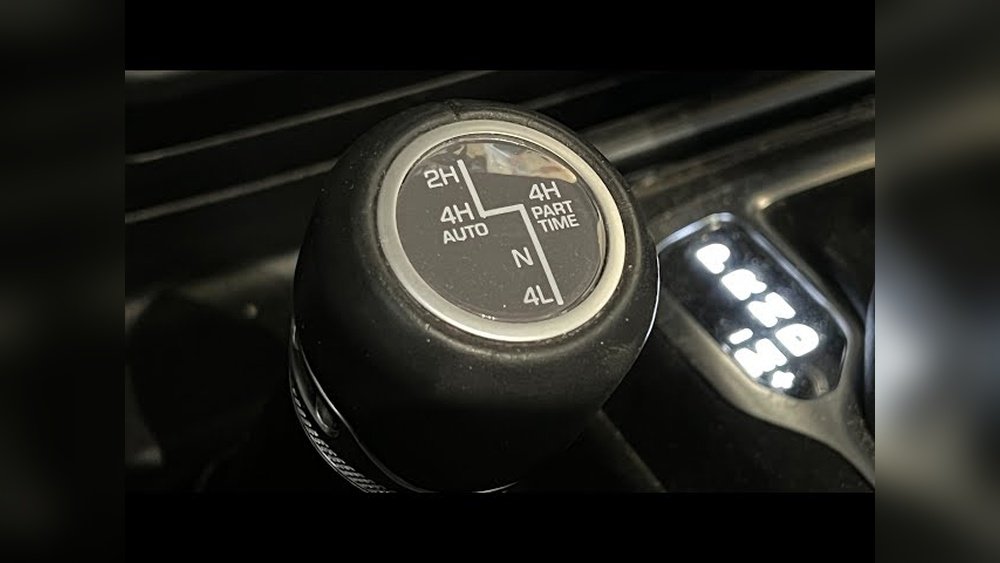
“2H” stands for 2-wheel drive, high range. It’s one of the main drive modes you can select on a Jeep’s transfer case. The “2” refers to two-wheel drive, while “H” means “high gear” or “high range.” When you set your Jeep to 2H:
- Only the rear wheels receive power from the engine.
- The Jeep operates in its normal gear ratio.
- This mode is best for regular roads and everyday driving.
2H is the default setting for most Jeeps when driving on dry, paved roads. It’s designed for situations where you don’t need extra traction, like city streets or highways.
How Does 2h Work?
The Jeep uses a transfer case to switch between different drive modes. When you select 2H:
- The transfer case connects the engine to the rear axle only.
- The front axle does not get power.
- The vehicle uses its high gear range for standard speed.
This setup is simple and efficient. By sending power only to the rear wheels, the Jeep saves fuel and reduces wear on the drivetrain.
Practical Example
Imagine you drive your Jeep to work every day. The roads are dry and smooth. You keep the Jeep in 2H. This gives you:
- Better fuel economy (less fuel used)
- Less tire wear (front tires last longer)
- Quieter ride (less mechanical noise)
Most drivers use 2H for 90% of their trips.
When Should You Use 2h?
Use 2H when:
- Roads are dry and paved
- You’re driving at normal speeds
- You do not need extra traction
Examples:
- City driving
- Highway cruising
- Suburban streets
Avoid using 2H in rough conditions like mud, snow, or sand. In those situations, the Jeep’s other drive modes work better.
Key Benefits
- Fuel efficiency: Only two wheels use power, so less fuel is needed.
- Less mechanical stress: Fewer parts move, so the Jeep lasts longer.
- Easy handling: The Jeep feels more stable and smooth.
Comparing Jeep Drive Modes: 2h Vs 4h Vs 4l
Many Jeeps offer 2H, 4H, and 4L modes. It’s important to know how they differ. Here’s a simple table comparing these modes:
| Mode | Wheels Driven | Gear Range | Best Use |
|---|---|---|---|
| 2H | Rear wheels only | High | Normal roads, dry conditions |
| 4H | All four wheels | High | Wet, snowy, or loose surfaces |
| 4L | All four wheels | Low | Deep mud, sand, steep hills |
2H is for everyday driving. 4H gives extra traction for slippery roads. 4L is for tough off-road situations where low speed and high torque are needed.
Why Not Use 4h Or 4l All The Time?
You might think more wheels driving is always better. But using 4H or 4L on dry, paved roads can cause problems:
- Increased fuel use: Four wheels use more energy.
- More tire wear: All tires work harder.
- Drivetrain strain: Parts can break or wear out faster.
- Difficult steering: Turning becomes harder and less smooth.
That’s why 2H is best for regular, dry roads.
How To Switch Between 2h And Other Modes
Most Jeeps have a lever or dial to change drive modes. It’s important to switch correctly:
- 2H to 4H: You can usually shift while moving, up to certain speeds (check your manual).
- 4H to 4L: Stop the Jeep first, then shift.
- 4L to 2H: Shift to neutral, then change modes.
Always follow the Jeep’s instructions. Incorrect shifting can damage the transfer case.
Example: Jeep Wrangler
On a Jeep Wrangler, you can change from 2H to 4H at speeds up to 55 mph. To go into 4L, you need to stop and shift to neutral.
2h And Fuel Economy
One big reason to use 2H is to save fuel. Data from Jeep models shows:
- 2H mode: Up to 18–22 mpg (miles per gallon) on highway
- 4H mode: Drops to 14–18 mpg on highway
That’s a difference of 10–20%. Over one year, this can save hundreds of dollars.
| Mode | Highway MPG | Annual Fuel Cost* |
|---|---|---|
| 2H | 20 | $1,900 |
| 4H | 16 | $2,375 |
*Assuming 15,000 miles/year and $2. 53/gallon gas.
Using 2H is one of the easiest ways to reduce your Jeep’s running costs.
Common Mistakes Beginners Make With 2h
If you’re new to Jeeps, it’s easy to make mistakes with drive modes. Here are some things beginners often get wrong:
1. Using 2h In Slippery Conditions
If roads are snowy or muddy, 2H can cause the Jeep to slip. Switch to 4H for safety.
2. Switching To 4h At High Speed
Most Jeeps allow shifting to 4H at moderate speeds. Do not try to shift at very high speeds.
- Leaving the Jeep in 4H or 4L on dry roads
This wears out tires and uses more fuel. Remember to return to 2H when the road is clear.
4. Forgetting To Check The Manual
Every Jeep has its own rules for switching modes. Always read your manual.

Credit: www.youtube.com
How 2h Affects Jeep Performance
Choosing 2H affects how your Jeep drives:
- Acceleration: Rear-wheel drive gives smooth and stable acceleration.
- Handling: The Jeep turns easily and feels balanced.
- Noise: Less mechanical noise compared to 4H or 4L.
For regular trips, 2H keeps your Jeep comfortable and efficient.
Data Example
Tests on the Jeep Gladiator show:
- 0–60 mph acceleration: 7.8 seconds in 2H
- Handling: More predictable in 2H than 4H on dry roads
2h And Off-roading: When Not To Use It
2H is not meant for off-road adventures. Here’s why:
- Only the rear wheels get power, so traction is limited.
- On loose surfaces (sand, mud, rocks), the Jeep can get stuck.
Always switch to 4H or 4L for off-road driving. The extra traction keeps you moving and safe.

Credit: www.4xeforums.com
Real-world Example: Driving In Different Conditions
Let’s look at how 2H works in different situations:
- Dry city streets: 2H is perfect. The Jeep saves fuel and handles well.
- Wet country roads: Switch to 4H for better grip.
- Snowy highway: 4H is safer, but return to 2H when roads are clear.
- Mud trail: Use 4L for slow, powerful driving.
This helps you choose the right mode every time.
Jeep Models That Use 2h
Almost every Jeep with a transfer case offers 2H. Popular models include:
- Jeep Wrangler
- Jeep Gladiator
- Jeep Grand Cherokee (with 4WD systems)
- Jeep Cherokee (with Active Drive system)
Some modern Jeeps have automatic systems that switch modes for you. But most still let you choose 2H manually.

Credit: www.wikihow.com
Comparing Jeep 2h With Other Brands
Jeep is not alone in offering 2H. Other brands also use this drive mode. Here’s a quick comparison:
| Brand | 2H Mode? | Manual Control? | Automatic Switching? |
|---|---|---|---|
| Jeep | Yes | Yes | Some models |
| Ford | Yes (F-150, Bronco) | Yes | Some models |
| Toyota | Yes (4Runner, Tacoma) | Yes | Some models |
Jeep’s system is known for its reliability and easy manual control. This gives drivers confidence to choose the right mode.
Expert Tips For Using 2h
To get the most from your Jeep’s 2H mode:
- Use 2H for all normal, dry road driving.
- Switch to 4H as soon as roads get slippery.
- Return to 2H when conditions improve.
- Avoid using 4L unless you’re off-road and need slow, powerful movement.
- Check your Jeep’s manual for shifting instructions.
A non-obvious tip: If you plan to tow heavy loads on dry pavement, 2H is usually best. But if the road is wet or uneven, try 4H for extra grip.
Frequently Asked Questions
What Does 2h Stand For In A Jeep?
2H means “2-wheel drive, high range.” Only the rear wheels get power, and the Jeep uses its standard gear ratio.
Is It Safe To Drive In 2h During Rain?
If the road is only wet, 2H is usually safe. But if you notice slipping or hydroplaning, switch to 4H for extra traction.
Can I Switch From 2h To 4h While Driving?
Yes, most Jeeps let you shift from 2H to 4H at speeds up to 55 mph. Always check your manual before shifting.
Does Using 2h Save Fuel?
Yes. 2H uses less fuel than 4H or 4L because only two wheels receive power. This can save you up to 20% on fuel costs.
Why Does My Jeep Have 2h, 4h, And 4l Modes?
These modes let you choose the best setup for different driving conditions. 2H is for normal roads, 4H is for slippery surfaces, and 4L is for tough off-road terrain.
Choosing the right mode is part of what makes Jeep vehicles so versatile. With a clear understanding of 2H, you can enjoy safer, more efficient driving every day. If you want more technical details about Jeep drive modes, you can visit the official Jeep website: Jeep 4×4 Systems.